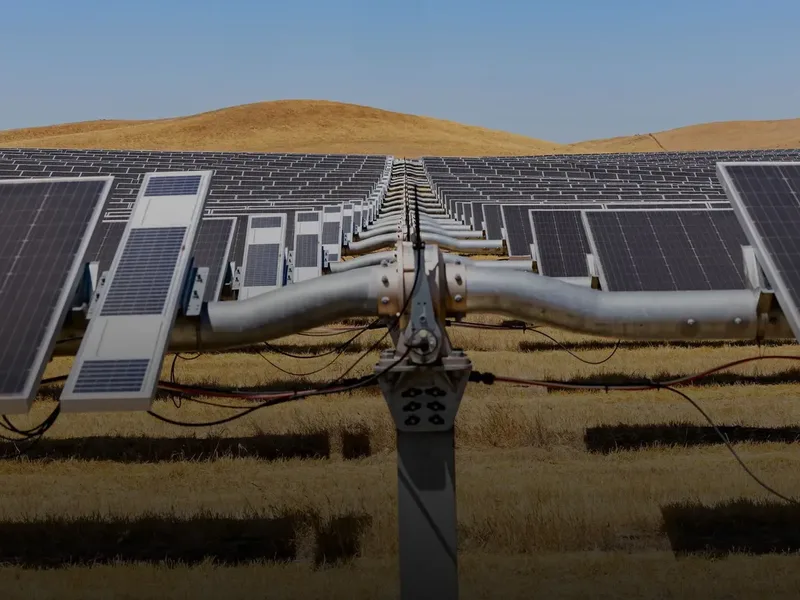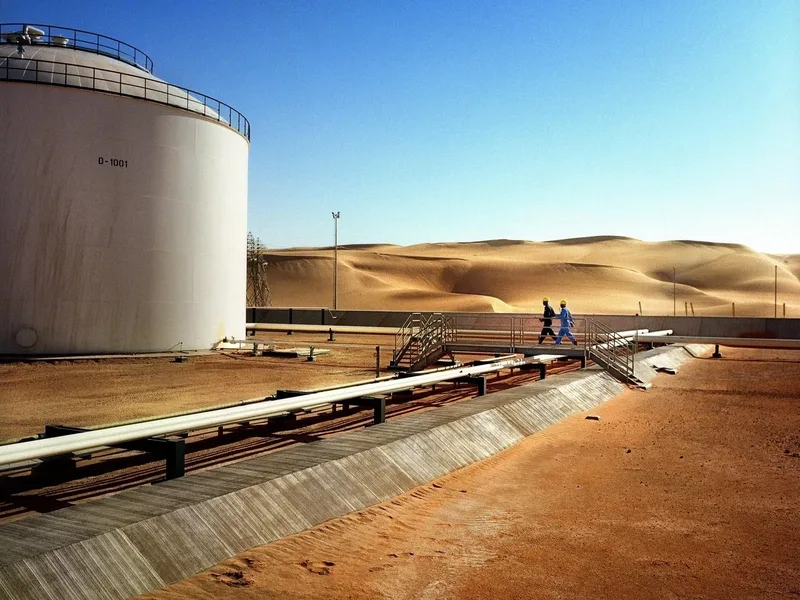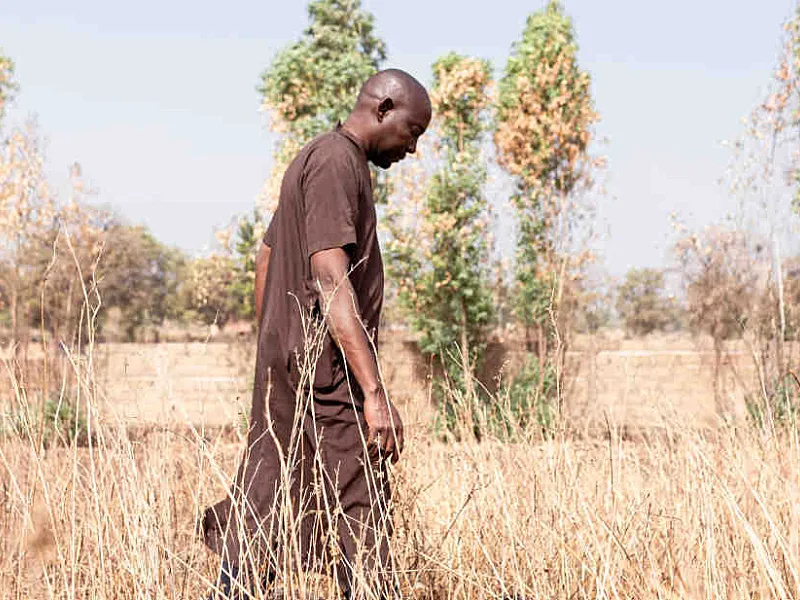
Africa's climate finance story is one of urgency, ambition, and unfinished business. While flows are rising, the continent still faces a widening delivery gap between what is funded and what is needed to build resilience, drive clean growth, and protect lives.
Energy systems dominate climate finance, private capital remains thin, and concessional funds carry the burden.
However, the seeds of opportunity, such as gender-responsive investment, adaptation scale-up, and smarter blended finance, are emerging as decisive levers for Africa's next chapter.
Africa's Climate Finance Reality Demands Action
Africa's climate finance landscape is no longer a theoretical debate. It is an evolving, data-driven reality connecting rising public flows, weak private participation, gendered vulnerabilities, and stubborn structural barriers.
Climate finance is increasingly flowing, however, not nearly at the pace or equity required to match Africa's exposure to extreme weather, fragile infrastructure, and climate-dependent livelihoods.
Energy systems continue to absorb the largest financing share, while adaptation finance is gradually expanding. Mitigation still attracts greater attention, yet climate finance in Africa is heavily reliant on concessional public sources.
Private finance, though improved, still accounts for less than one-fifth of Africa's total climate flows, starkly lower than other global regions.
Ten countries capture most of the capital; the rest compete for crumbs in a warming world.
Our feature explores Africa's "state of climate finance," such as the numbers, the gaps, gender reality, and the strategic levers needed to turn ambition into delivery. Grounded in data, shaped by development realism, and aligned with Sustainable Stories Africa's storytelling lens, it argues for discipline, innovation, and intentional inclusion in Africa's next funding chapter.
Africa's Climate Finance Story Hits Reality Threshold
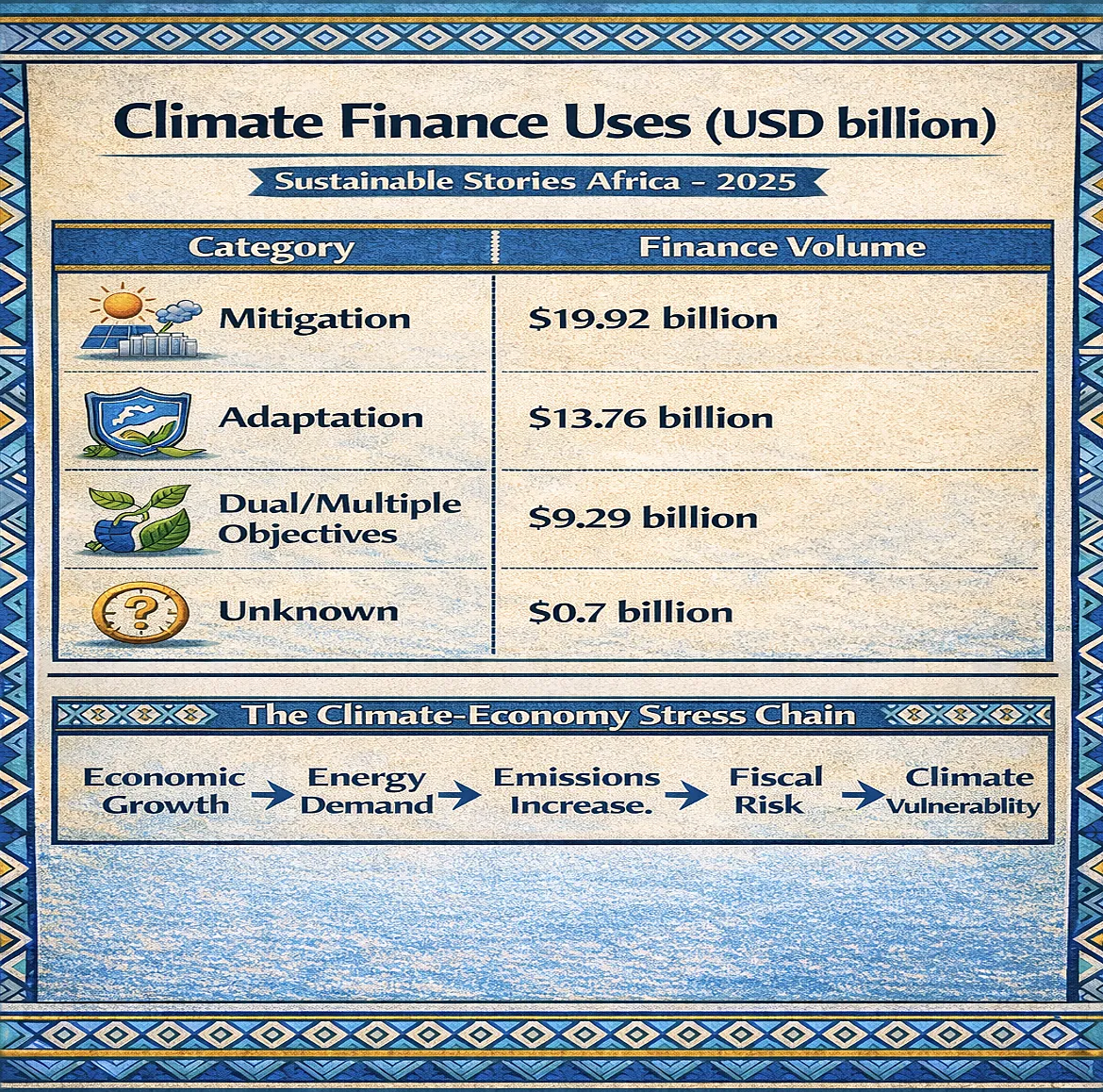
Africa's climate finance flows are expanding unevenly, fragilely, and insufficiently when matched against escalating climate risk. The continent's mitigation finance reached $19.92 billion, with $13.76 billion for adaptation, and $9.29 billion for dual-benefit projects, highlighting where the world is placing its bets: still more on emissions reduction than resilience, even as Africa bears some of the harshest climate shocks.
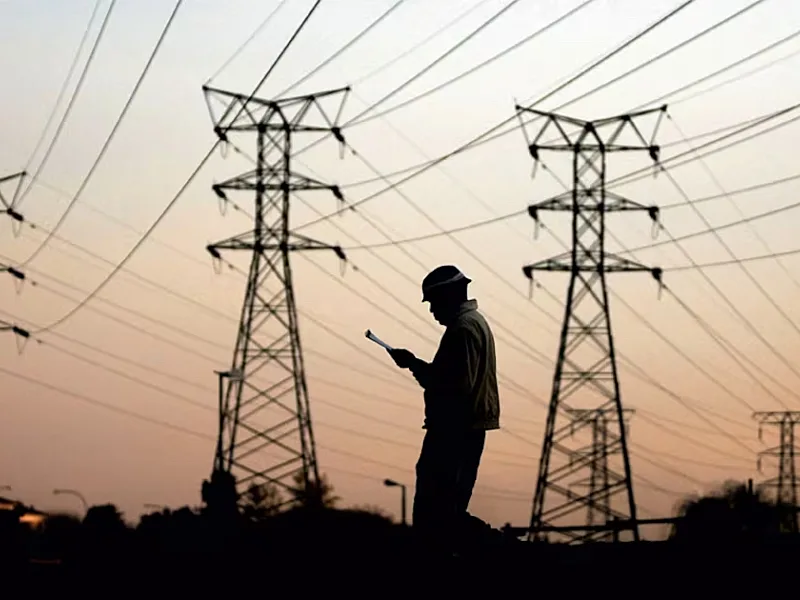
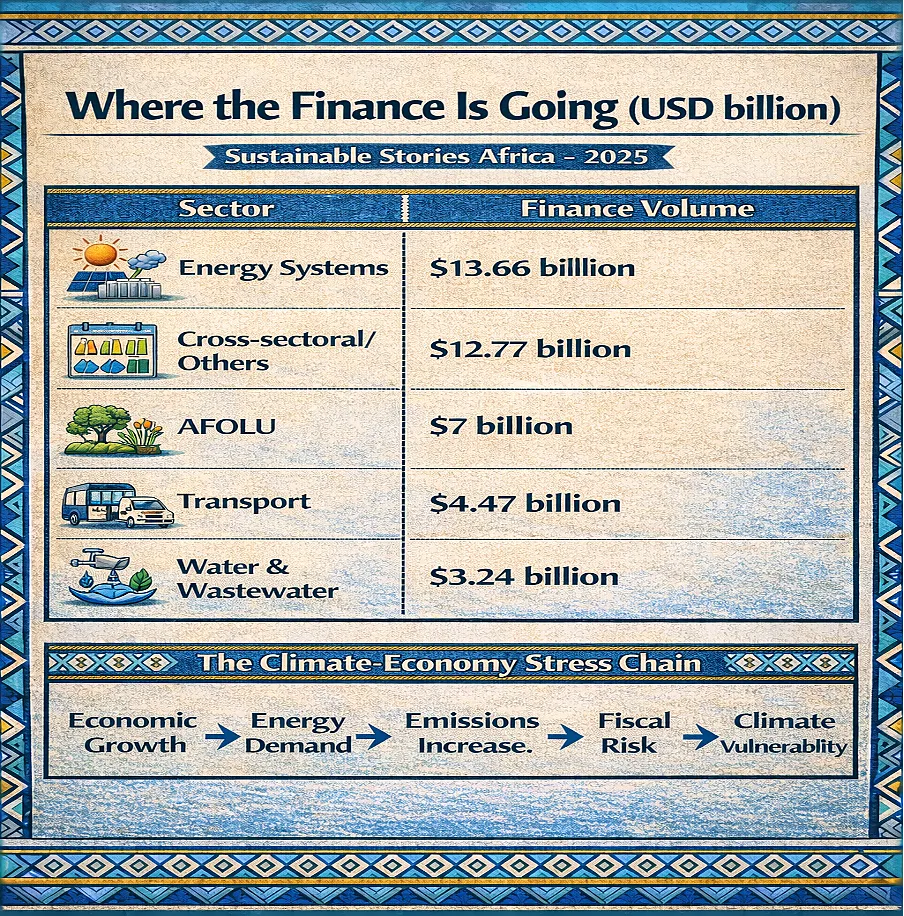
Energy systems had the largest financing share of about $13.6 billion, accounting for 31% of overall flows and 62% of mitigation finance. However, most went to power generation while crucial transmission networks lag.
Meanwhile, concessional funding remains central, particularly from multilateral climate funds and governments, indicating dependence on international finance to keep Africa's transition afloat.
Climate Finance Uses (USD billion)
| Category | Finance Volume |
|---|---|
| Mitigation | $19.92 billion |
| Adaptation | $13.76 billion |
| Dual/Multiple Objectives | $9.29 billion |
| Unknown | $0.7 billion |
The Private Finance Puzzle Africa Must Solve
Private climate finance nearly doubled in Africa between 2019/20 and 2021/22, reaching $8 billion; however, it still represents only 18% of Africa's total climate flows, the lowest regional share globally.
Ten countries alone took 76% of this finance, led by South Africa, Egypt, Nigeria, Kenya, and Ethiopia, reinforcing a geography of concentration where investment follows familiarity, infrastructure readiness, and perceived stability.
Corporations and commercial financial institutions lead Africa's private climate investment, focused largely on mitigation energy projects. Around 80% of private climate capital went to mitigation, while adaptation, which could be a life-or-death priority for millions, received barely 9%.
This mismatch reflects risk perception, return dynamics, and weak policy incentives, which exposes why climate resilience continues to lag financing urgency.
Who provides Africa's private climate finance?
- Corporations – largest contributors
- Commercial FIs & Infrastructure funds – moderate
- Philanthropies – catalytic, but limited
- Institutional investors – marginal presence
Where does the money go?
- Mostly mitigation
- Heavy tilt to energy systems
- Minimal toward adaptation needs
Gender Matters – Climate Finance Must Reflect Social Reality
Climate finance is not gender neutral. During 2021/22, gender-targeted climate finance in Africa reached $8 billion, a 45% increase from 2019/20 levels. Still, only 34% of total finance was gender-tagged, meaning women's vulnerabilities remain inadequately addressed in project design and delivery.
Most of this gender-focused finance came from governments and DFIs (95%), reinforcing how public sources continue to anchor inclusion priorities.
Nearly half of gender-responsive climate funding supports adaptation, aligning correctly with the reality that African women disproportionately absorb the shocks of climate disruption, whether through agricultural loss, health burden, energy poverty, or informal economy fragility.
However, structural challenges remain: limited technical gender integration capabilities, funding fragmentation, and inadequate project design capacity.
This is where blended finance, targeted technical assistance, and institutional rigour can change outcomes.
Fix Policy Barriers, Crowd-In Capital, Scale Adaptation Urgently
Africa's climate finance future depends on disciplined problem-solving:
- Stabilise investment environments – Currency fragility, policy inconsistency, and bureaucratic hurdles deter long-term climate investment.
- Use concessional finance smarter – It should de-risk markets and mobilise private investment, not permanently replace it.
- Back adaptation is like a development mandate – With only modest adaptation funding compared to needs, Africa risks deepening humanitarian, economic, and infrastructure losses.
- Recognise the geography of capital access – Current flows are heavily concentrated. Unlocking climate capital for more African states requires capacity, governance, and credibility upgrades.
- Deepen energy systems beyond generation – Transmission, distribution, and resilient grid infrastructure remain underfunded but decisive for real energy security.
Where the Finance Is Going (USD billion)
| Sector | Finance Volume |
|---|---|
| Energy Systems | $13.66 billion |
| Cross-sectoral/Others | $12.77 billion |
| AFOLU | $7 billion |
| Transport | $4.47 billion |
| Water & Wastewater | $3.24 billion |
PATH FORWARD – Finance Fairly. Build Resilience. Deliver Now.
Africa needs more than climate finance; it needs better climate finance – equitable, predictable, gender-responsive, private-sector-inclusive, and deeply anchored in adaptation alongside decarbonization.
The pathway ahead is clear: Strengthen enabling investment environments.
Expand blended finance and guarantees. Protect vulnerable populations through climate-smart resilience. Localise manufacturing and infrastructure capacity. Move from commitment language to capital delivery.
If Africa's climate finance story is going to be told differently in the next decade, the choices made today by governments, financiers, development institutions, and private capital must shift from episodic funding to strategic, systemic, disciplined climate investment.