Africa's social investment leaders gathered in Lagos to declare that isolated charity projects are no longer good enough; the continent needs integrated, measurable, and systemic partnerships to translate responsibility into lasting impact.
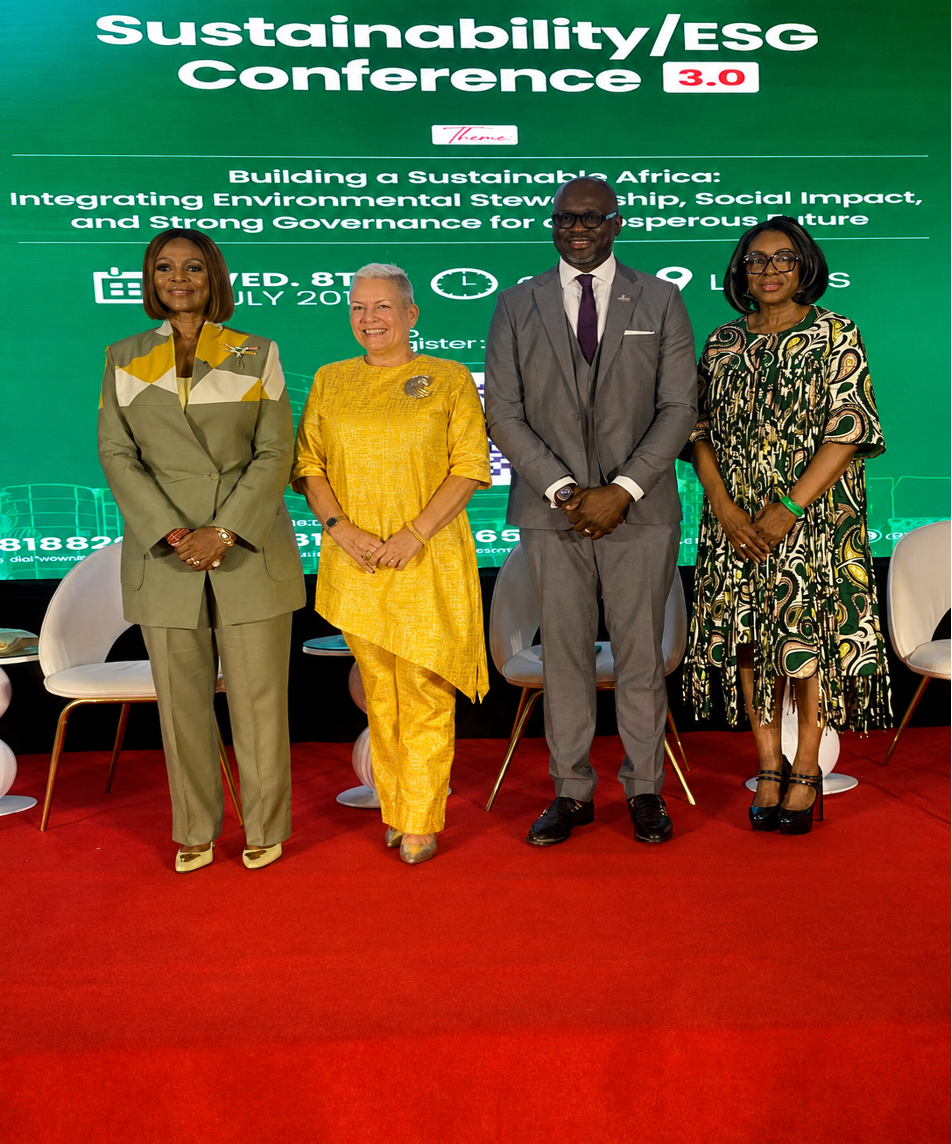
At the FITC Sustainability | ESG Conference 3.0 on 8 July 2026, a panel themed "From Responsibility to Impact" challenged Africa's businesses, donors, and governments to abandon short-term philanthropy in favour of long-term systemic investment.
Moderated by Dr James Adenuga of Dangote Industries, the session asked a pointed question: can Africa's social investment model shift from box-ticking to genuine, self-sustaining community transformation?
Beyond Charity – Africa Demands Systems
At Lagos's FITC Sustainability | ESG Conference 3.0, five voices spanning bilateral development, global advocacy, energy, and grassroots social performance converged on 8 July 2026 to dismantle the old model of corporate giving.
The panel, including Sandra Vermuijten-Alonge of GIZ and ECOWAS, Serah Makka of the ONE Campaign, Chinwe Ifechiga of TotalEnergies, and Tunde Onakoya of Chess in Slums Africa, moderated by James Adenuga of Dangote Industries, represented the full spectrum of actors shaping how Africa funds its own development.
Their shared verdict: the "human face" of ESG, the social pillar, has been treated as a checklist rather than a business strategy, and that must change.
The Human Face Under Pressure
The session opened with a framing that set urgency: social investment is the piece of ESG that "connects the dots" and gives sustainability its human relatability, yet it remains the least systematised of the three ESG pillars.
Serah Makka drew a sharp line between philanthropy and strategic investment, arguing that "when businesses ask how much did I give back, what social investments ask instead is how does your business help build Africa".
That distinction, panellists agreed, is what separates temporary goodwill from durable development outcomes across African and Global South markets.
Evidence From Seven Years on the Ground
Sandra Vermuijten-Alonge grounded the discussion in nearly a decade of partnership-building experience, noting that development actors who once guarded rigid mandates now operate in what she called a "collaborative space," working across federal, state, and civil society lines on migration and employment initiatives.
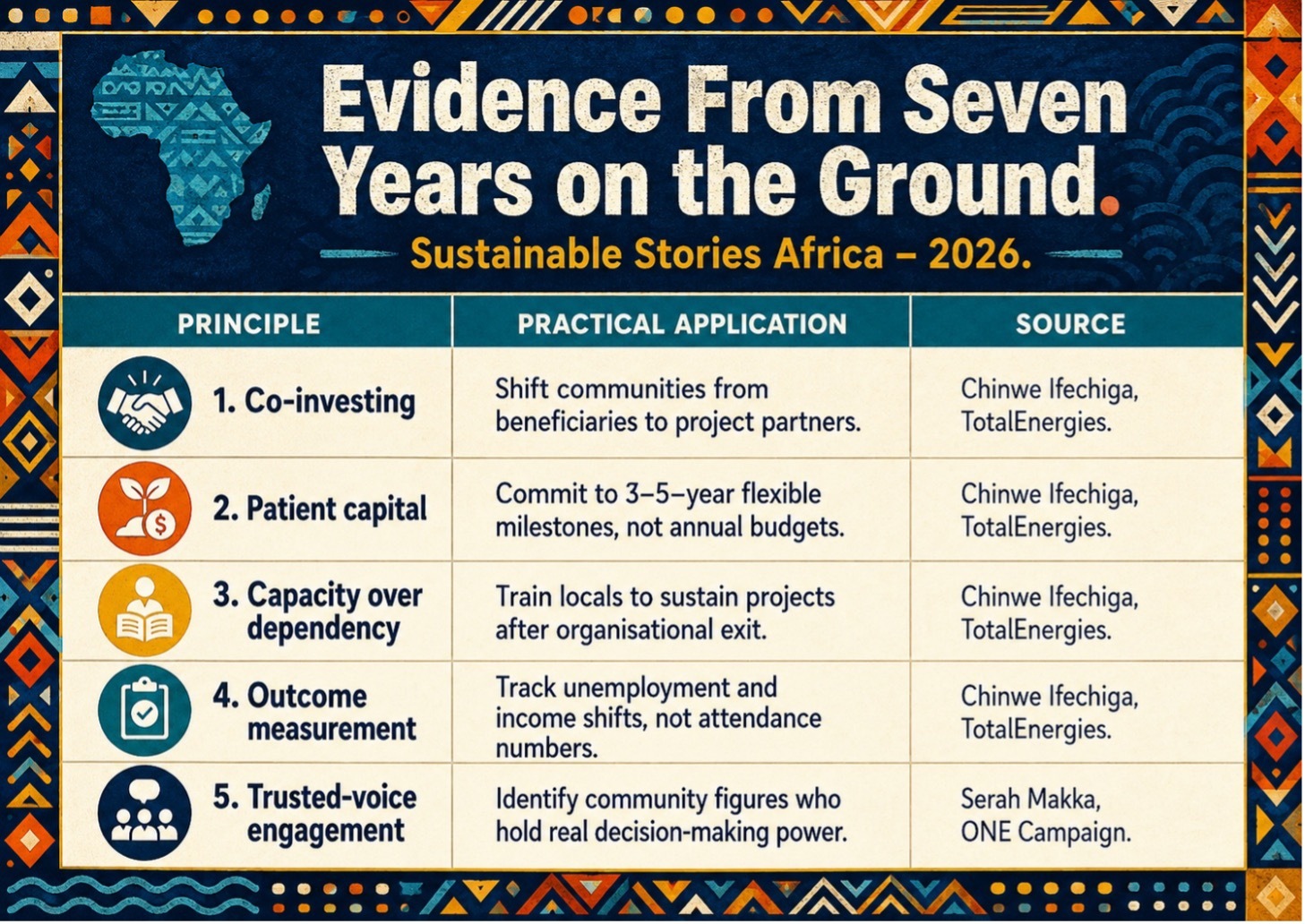
Chinwe Ifechiga, drawing on close to two decades in social performance, outlined four operating principles for lasting impact: co-investing with communities as partners rather than beneficiaries, deploying "patient capital" over three-to-five-year horizons instead of one-year budget cycles, building local capacity instead of dependency, and measuring outcomes, such as reduced unemployment or rising household income, rather than activity spend.
Makka illustrated the power of hyperlocal insight with an education initiative in northern Nigeria, revealing that decisions about whether a girl remained in school were often made not by her parents but by her paternal grandmother, a trusted voice her organisation learned to engage directly.
What Systemic Investment Could Unlock
Vermuijten-Alonge pointed to an underused resource with enormous upside: Nigeria's existing public infrastructure, much of which sits underutilised and could be mobilised for skills training and advisory services at scale if public and private actors coordinated deliberately.
Ifechiga's community centre example highlighted the tangible payoff of capacity-building. When a local governance board is trained to manage and monetise a facility, the project outlives the funding organisation's involvement entirely.
The risk of inaction was equally clear: continued reliance on short-term, donor-driven projects that dissolve once funding ends, leaving communities no better equipped than before the intervention began.
What Must Shift Now
Panellists converged on concrete shifts required from each category of actor.
- Governments and development partners should design legal frameworks for "partnerships in the public interest" that pool infrastructure and human resources without treating funding as a one-way transaction, as Vermuijten-Alonge proposed.
- Corporates should measure social investment by outcomes such as income and employment change, not activity counts, following Ifechiga's outcome-based framework.
- Organisations designing community programmes should identify genuine trusted stakeholders, such as elders, grandmothers, and local leaders, before deploying any intervention, as Makka's northern Nigeria case demonstrated.
- Businesses must adopt patient capital structures spanning three to five years rather than single fiscal-year grants, per Ifechiga's recommendation.
- Development actors should engage youth-representative organisations directly rather than relying on individual influencers to speak for a generation, as Vermuijten-Alonge urged.
Path Forward – Partnership Over Isolation
Closing the session, Adenuga argued that Africa does not need more isolated social investment projects but integrated, scalable, and measurable partnerships anchored in SDG 17's call for collaboration.
The panel's collective ask is a mindset shift: from funding discrete projects toward addressing the systemic roots of social challenges, ensuring that social investment becomes infrastructure for national and continental resilience rather than a reputational exercise.