Burkina Faso’s economy expanded by an estimated 5.3% in 2025, helped by agriculture, services and a rebound in mining.
However, the World Bank’s 2026 update warns that external energy shocks, insecurity and gender gaps could limit the durability and inclusiveness of that recovery.
The report’s central message is clear: macroeconomic progress will be more resilient if Burkina Faso translates growth into productive jobs, stronger urban systems and greater economic participation by women.
Recovery Gains Meet Deep Structural Constraints
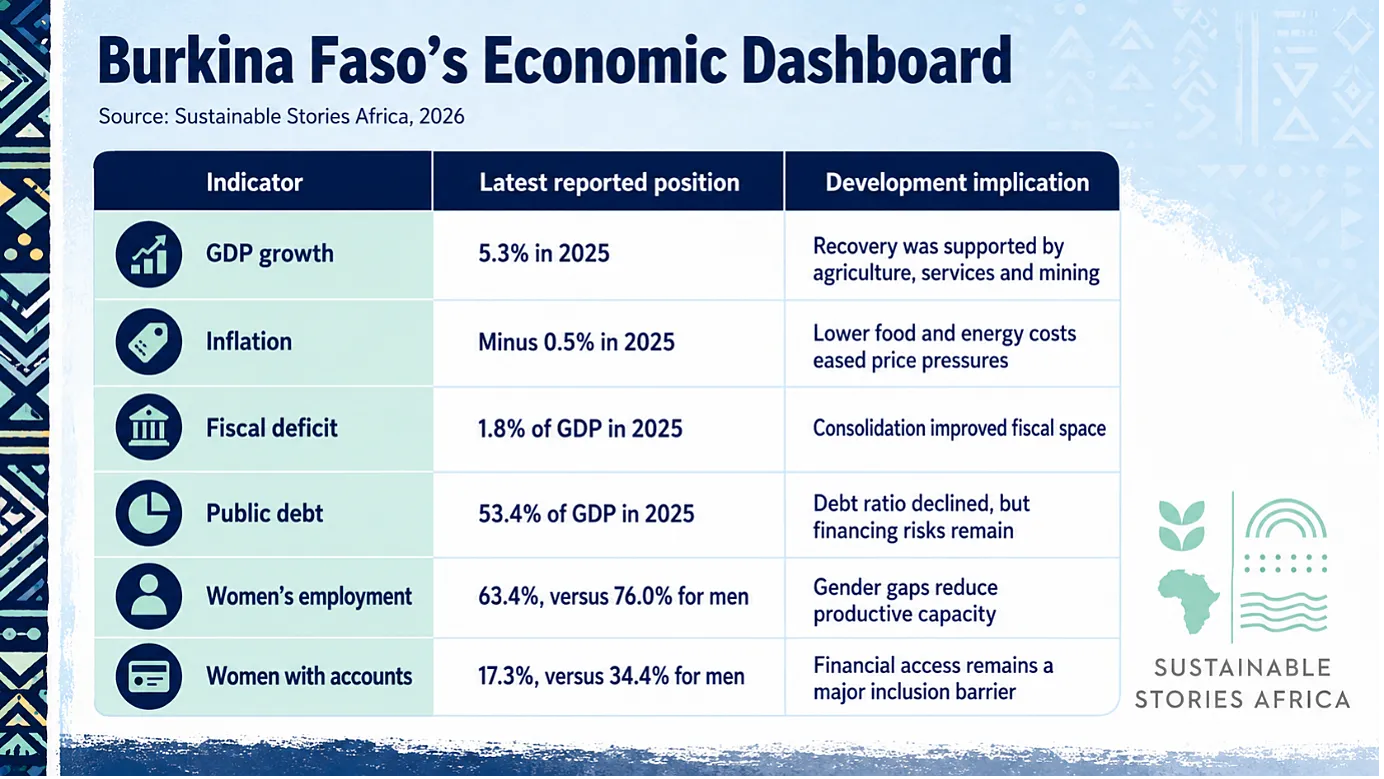
Burkina Faso’s estimated growth rate rose from 4.8% in 2024 to 5.3% in 2025, while average inflation fell to minus 0.5% from 4.2% a year earlier.
A strong agricultural season, improved services activity, and mining recovery underpinned the improvement.
The fiscal deficit narrowed sharply to 1.8% of GDP in 2025 from 5.8% in 2024, while public debt fell to 53.4% of GDP.
The current account also shifted to an estimated surplus of 4.1% of GDP, supported by higher gold export volumes and prices alongside lower oil costs.
Gold Windfall Cannot Carry Economy Alone
Gold production reached 94 tonnes in 2025, compared with 61 tonnes in 2024, according to the report.
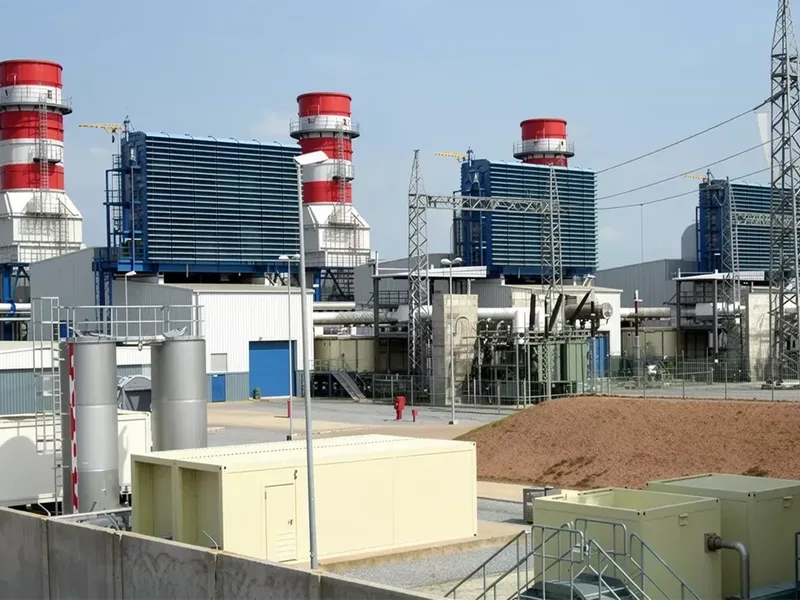
That performance improved exports and public revenue, but it also illustrates Burkina Faso’s exposure to commodity-price volatility and imported-energy costs.
The World Bank projects growth of 4.9% in 2026, assuming continued security improvements, average rainfall and policy stability.
It expects inflation to rise to 3.1% as higher oil, transport and fertiliser costs feed through the economy.
Women’s Work Is A Growth Strategy
The report presents women’s economic participation as a macroeconomic priority rather than a narrow social issue.
- Women’s employment rate stands at 63.4%, below men’s 76.0%, while women spend an average 3.4 hours daily on unpaid domestic and care work, compared with 0.7 hours for men.
Financial exclusion compounds these barriers: 17.3% of women have an account, compared with 34.4% of men.
Addressing education, care, land, safety, finance and job-quality constraints together could therefore expand household incomes, productivity and resilience.
Urban Growth Requires Better Planning Now
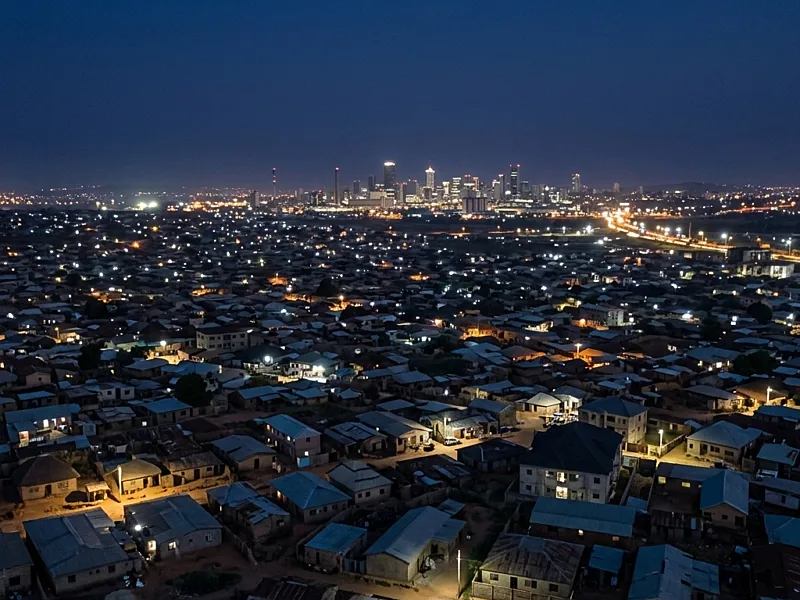
Burkina Faso’s urban population is projected to more than double from about 8.3 million in 2025 to 18.5 million by 2050.
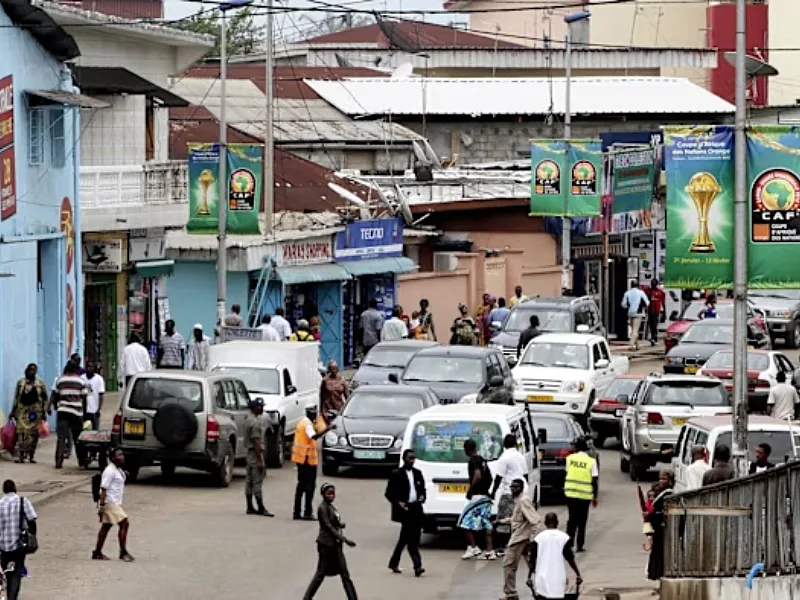
The report says unplanned expansion, especially around Ouagadougou, is increasing pressure on infrastructure, public services and municipal finance.
The response should combine serviced land, labour-intensive public works, digital planning tools, property-tax reform and economic zones that can create jobs beyond capital-intensive mining.
Policy Must Link Stability With Inclusion
Authorities should protect fiscal gains while avoiding broad and costly energy subsidies, strengthen food and fertiliser security, and direct social support to households most exposed to shocks.
A coordinated agenda for girls’ education, gender-responsive technical training, childcare, land rights and financial inclusion would turn women’s economic participation into a practical growth policy.
Path Forward – Centres Resilient Prosperity
Burkina Faso’s recent recovery demonstrates economic resilience, but commodity income and favourable weather are not a sufficient development model.
Fiscal discipline must be matched by investments that widen opportunity, particularly for women and young people.
The country’s long-term economic strength will depend on whether it can convert gold revenues, urbanisation and demographic change into more secure, productive and inclusive livelihoods.