Mauritius grew 3.2% in 2025; however, AfDB’s Country Focus Report 2026 puts the annual development-financing gap above $529 million, driven by NDC 3.0 climate needs.
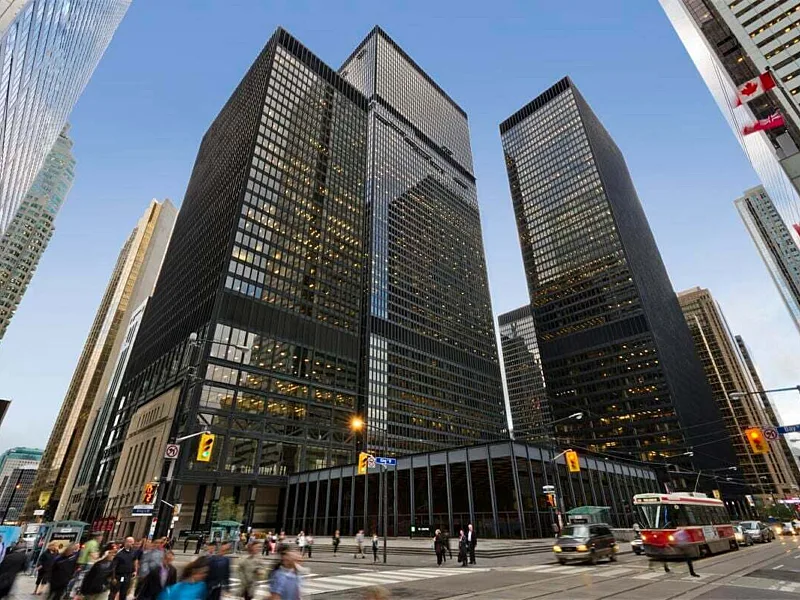
The question is whether Africa’s leading international financial centre can convert fiscal, pension, diaspora and nature assets into bankable capital before debt, energy import shocks and ageing squeeze the island’s upper-middle-income model.
Island Growth Meets Capital Stress
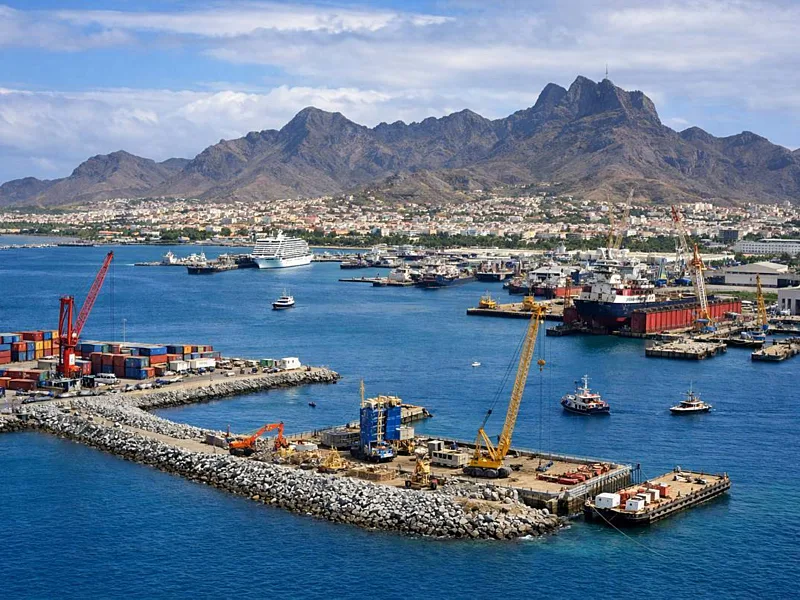
Mauritius remains one of Africa’s most diversified small-island economies, with GDP per capita of $12,518 in 2025 and manufacturing now 13% of GDP, ahead of financial services at 12.4%.
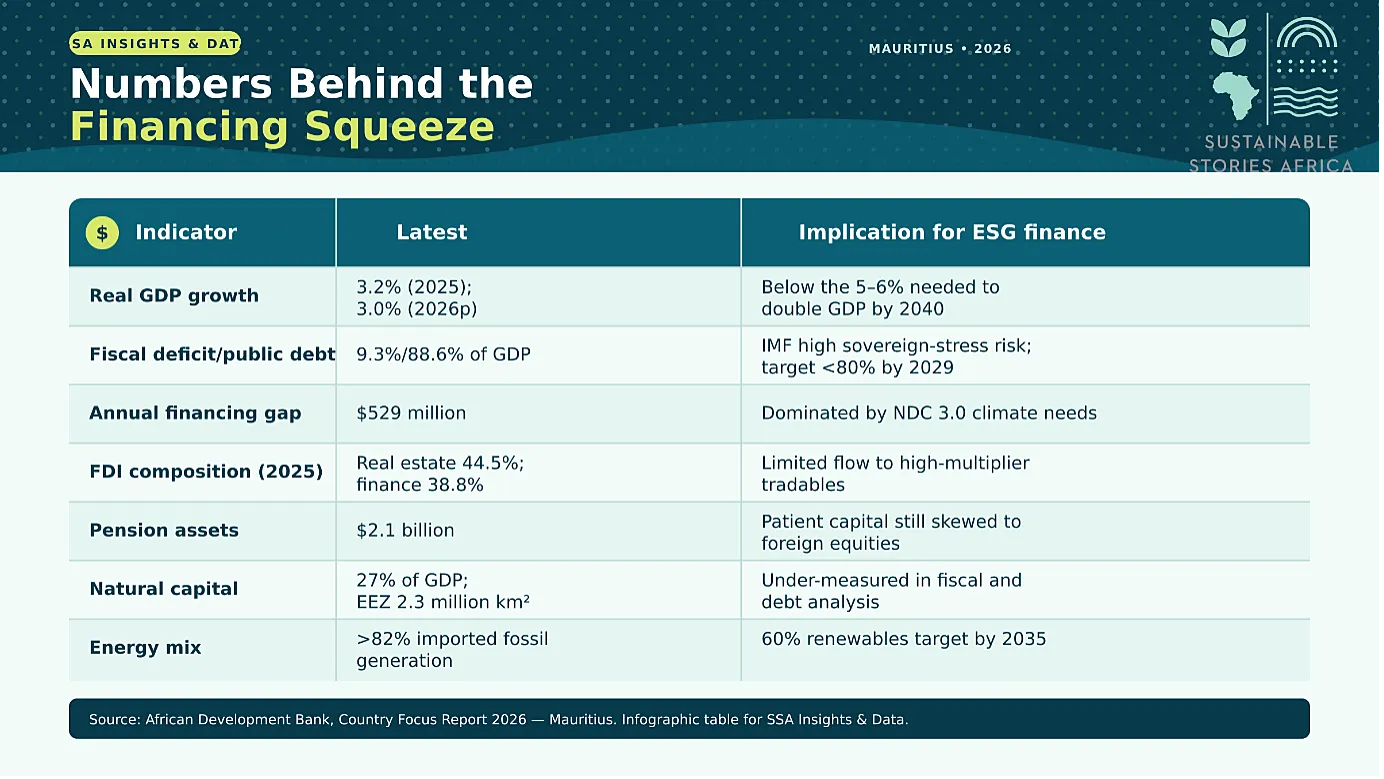
Real GDP growth slowed from 4.9% in 2024 to 3.2% in 2025 and is projected at 3.0% in 2026 before 3.8% in 2027, as Middle East conflict risks feed through energy, logistics and tourism.
The fiscal deficit widened to 9.3% of GDP in FY2024/25 and gross public debt reached 88.6% of GDP.
The IMF’s June 2025 framework now rates overall sovereign-stress risk as high.
- For African markets, the report is a test of whether a high-governance IFC can crowd in private capital when ODA, remittances and global liquidity tighten.
Debt Climbs as Climate Bills Rise
AfDB’s striking figure is the financing shortfall: more than $529 million a year, mostly for climate adaptation and mitigation under NDC 3.0.
Headline inflation stayed within the 2% – 5% target at 3.7% in 2025; however, the Bank of Mauritius raised the policy rate to 4.75% on 20 May 2026 as oil-price pass-through lifted inflation to a 4.2% year-average by May 2026.
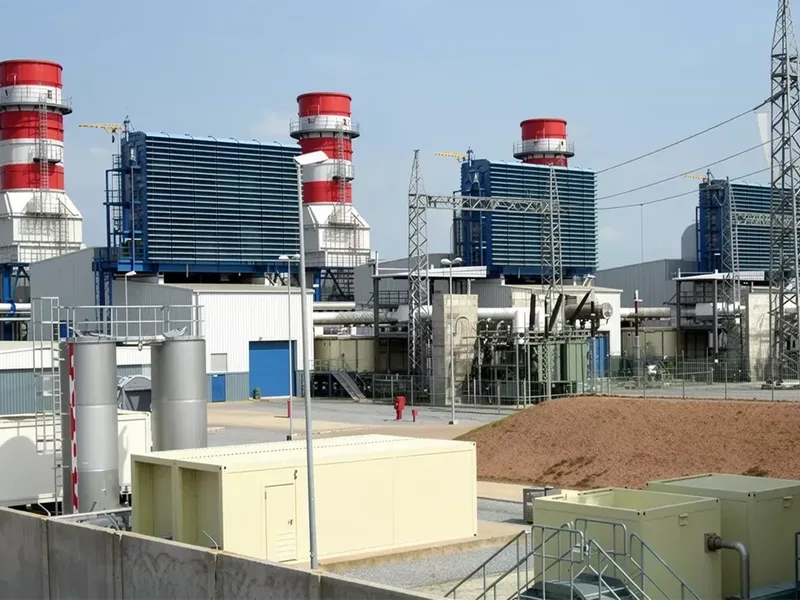
Over 82% of electricity still comes from imported coal and heavy fuel oil. Tourism earned $2.3 billion from more than 1.4 million arrivals in 2025, leaving jobs and growth exposed to Red Sea and energy shocks.
Numbers Behind the Financing Squeeze
FDI rose 38% to $1.02 billion in 2025.
- However, 44.5% went to real estate and 38.8% to finance, starving manufacturing and agro-processing.
- Reserves reached $10.3 billion (14.3 months of imports).
- Poverty fell, the Gini index dropped to 30.4 in 2022, and unemployment was 5.4% in Q4 2025, yet youth unemployment was 16.8% and only about 20% of the labour force has post-secondary education.
Pension assets were about $2.1 billion in June 2025, with 39.1% in foreign equities.
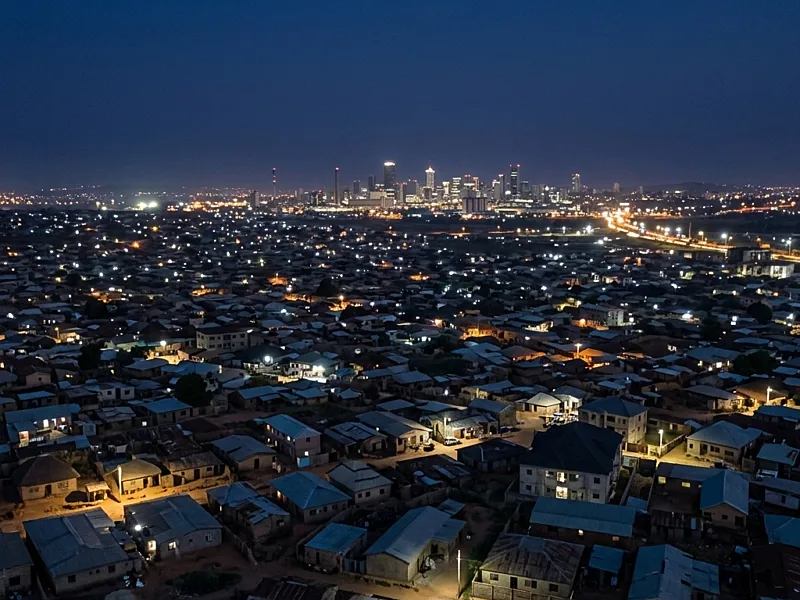
Informal activity, weak PPP deal-flow and an ageing population (fertility 1.44) shrink the tax base even as social protection spending rises.
What Scale Finance Could Unlock
Closing the gap would fund climate-resilient infrastructure, blue-economy value chains and digital skills while protecting social spending that has kept extreme poverty below 3%.
Natural capital is about 27% of GDP; payment for ecosystem services, blue/green credits and better national accounts could widen fiscal space without extractive dependence.
Delay risks higher debt service, weaker productivity (AfDB links a 1% debt rise to about 4.9% lower labour productivity across Africa) and loss of IFC competitiveness as GBC service costs and slow approvals rise.
Who Must Move, and How
Government should sequence tax efficiency and PFM reforms, rebuild PPP/BOT project-preparation capacity, and channel pensions into domestic infrastructure and climate assets.
DFIs can supply guarantees, viability-gap funding and blended finance; the EDB diaspora scheme needs lower remittance costs. Synergy between the Climate Fund and Climate Finance Unit is essential for NDC 3.0.
Businesses should shift FDI toward manufacturing, ICT and ocean energy.
Citizens and informal operators need simpler formalisation so the tax base grows as the workforce ages.
Path Forward – Mobilising Fiscal Discipline for Resilient Growth
Mauritius should treat 2026 as a mobilisation year: fiscal consolidation toward debt below 80% of GDP by 2029, bankable PPP pipelines, and natural-capital accounting.
If pensions, diaspora flows and climate markets align with AfCFTA trade, the island can finance resilience without sacrificing the social compact that made it Africa’s high-governance outlier.