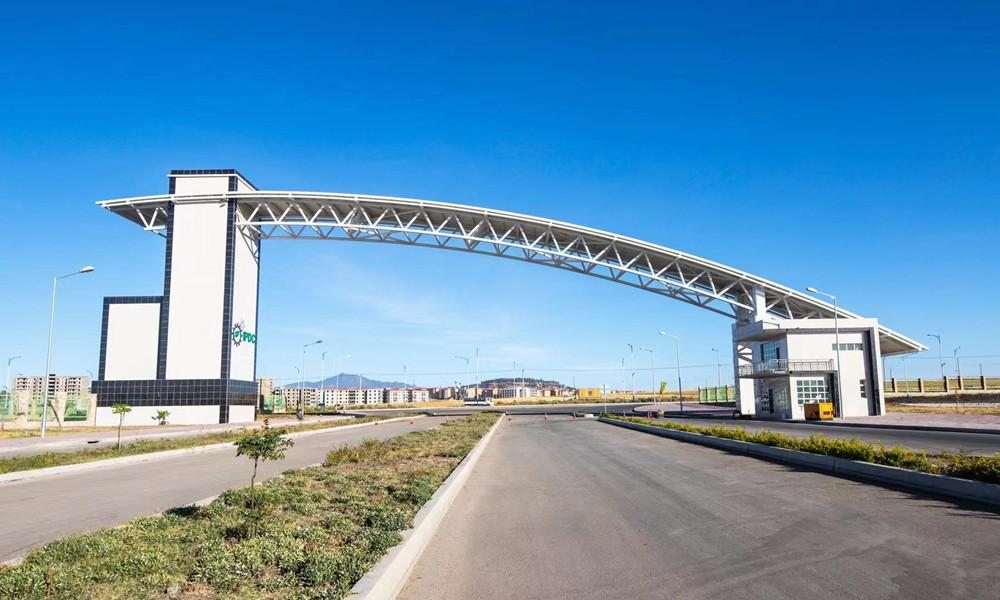
In Addis Ababa’s industrial corridors, textile factories generate tonnes of waste fabric every week.
For years, most of it was discarded. Today, Ethiopia sees this waste differently, not as a cost, but as a potential economic asset.
Through its National Circular Economy Roadmap, Ethiopia is attempting a systemic shift from extract-and-discard production to reuse-and-regenerate systems.
The stakes are high: jobs, climate resilience, and industrial competitiveness depend on whether circularity moves from policy ambition to everyday economic reality.
From Waste Burden To Economic Opportunity
At Modjo’s leather processing hub, piles of trimmed hides once symbolised inefficiency.
Now, some are converted into gelatin and industrial inputs, demonstrating how circular thinking can transform waste into economic value.
This transition reflects Ethiopia’s broader ambition to redesign its economy to produce, consume, and regenerate resources.
The National Circular Economy Roadmap of Ethiopia provides a 10-year framework, which commenced in 2025, to shift from a linear “take-make-dispose” model to a regenerative system that reduces waste, improves resource efficiency, and creates new jobs and industries.
This insight and data article explains why Ethiopia’s circular transition matters for Africa, how it works across priority sectors, who is driving it, and what lessons it offers for sustainable industrial development across the continent.
Ethiopia redesigns its economic production model
A circular economy keeps materials and products in use for as long as possible, eliminating waste and regenerating natural systems.
Unlike traditional models that extract resources and discard waste, circular systems recover value at every stage of the production cycle.
Ethiopia’s roadmap aims to embed circularity across key sectors, including agriculture, manufacturing, textiles, packaging, construction, and waste management.
The roadmap prioritises three core objectives:
- Improving resource efficiency across industries
- Reducing waste and environmental damage
- Creating jobs and new industrial opportunities
As outlined on page xi of the roadmap, this transition provides a “template for delivering a just and inclusive circular transition,” positioning Ethiopia as a regional leader in sustainable industrial transformation.
This shift is not only environmental; it is economic.
Circularity strengthens resilience and growth
Africa’s industrialisation faces structural constraints, including resource dependence, climate vulnerability, and high unemployment.
Ethiopia’s circular roadmap addresses these challenges directly.
The roadmap identifies circular economy transition as a pathway to:
- Reduce dependence on imported raw materials
- Strengthen economic resilience
- Create new jobs and entrepreneurial opportunities
- Improve environmental sustainability and climate resilience
The scale of the challenge is enormous. Ethiopia alone requires $316 billion by 2030 to implement its climate commitments, with investments in the circular economy playing a critical role in mobilising financing and reducing emissions.
By reducing material waste and improving efficiency, circular systems allow countries to grow without increasing resource consumption, a crucial advantage for rapidly growing economies.
Climate and economic pressures accelerated reform
Ethiopia’s circular roadmap builds on the evolution of more than a decade of climate and industrial policy.
The country’s Climate-Resilient Green Economy strategy, launched in 2011, established the foundation for low-carbon growth. This was followed by the 10-Year National Development Plan (2020–2030), which prioritised private-sector-led industrialisation.
At the same time, environmental pressures, including deforestation, soil degradation, and rising waste volumes, highlighted the limits of linear economic models.
Ethiopia’s commitment to reduce greenhouse gas emissions by 68.8% by 2030 further reinforced the need for circular solutions across energy, agriculture, manufacturing, and waste sectors.
Circular economy strategies emerged as a bridge between economic development and environmental sustainability.
Sector-specific circular systems create value
Ethiopia’s circular transition operates through coordinated sectoral action.
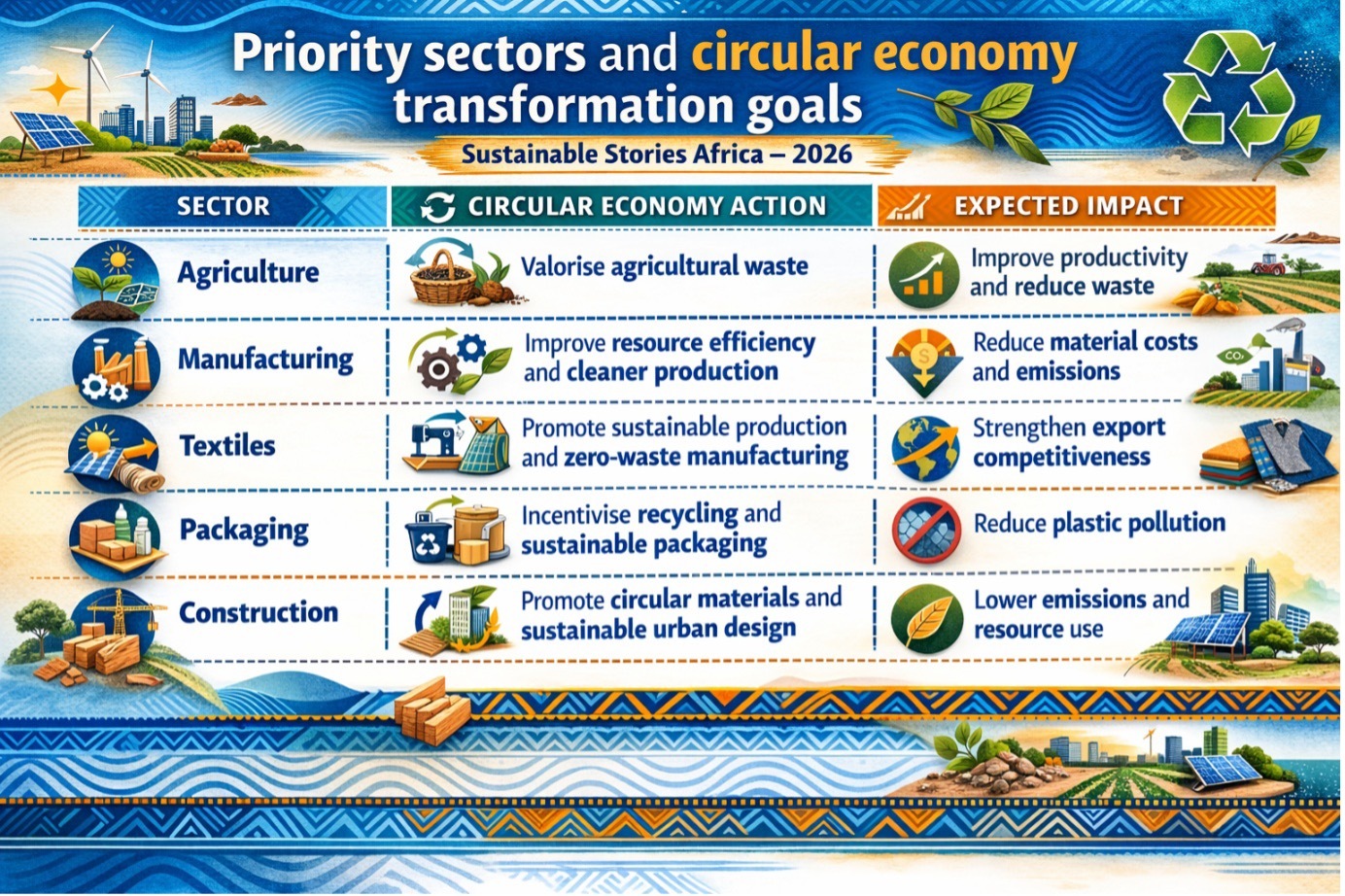
Priority sectors and circular economy transformation goals
Sector | Circular Economy Action | Expected Impact |
|---|---|---|
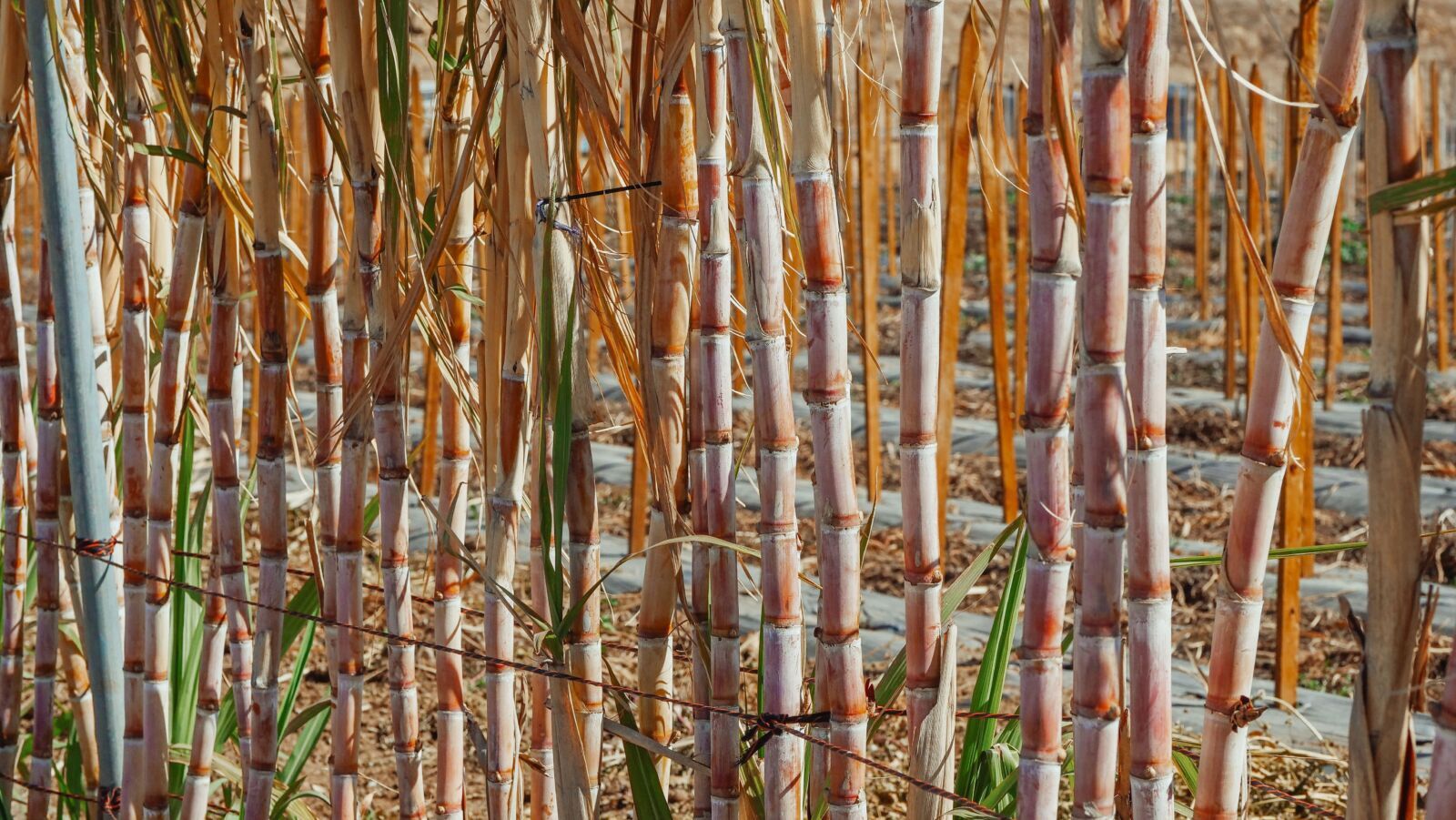
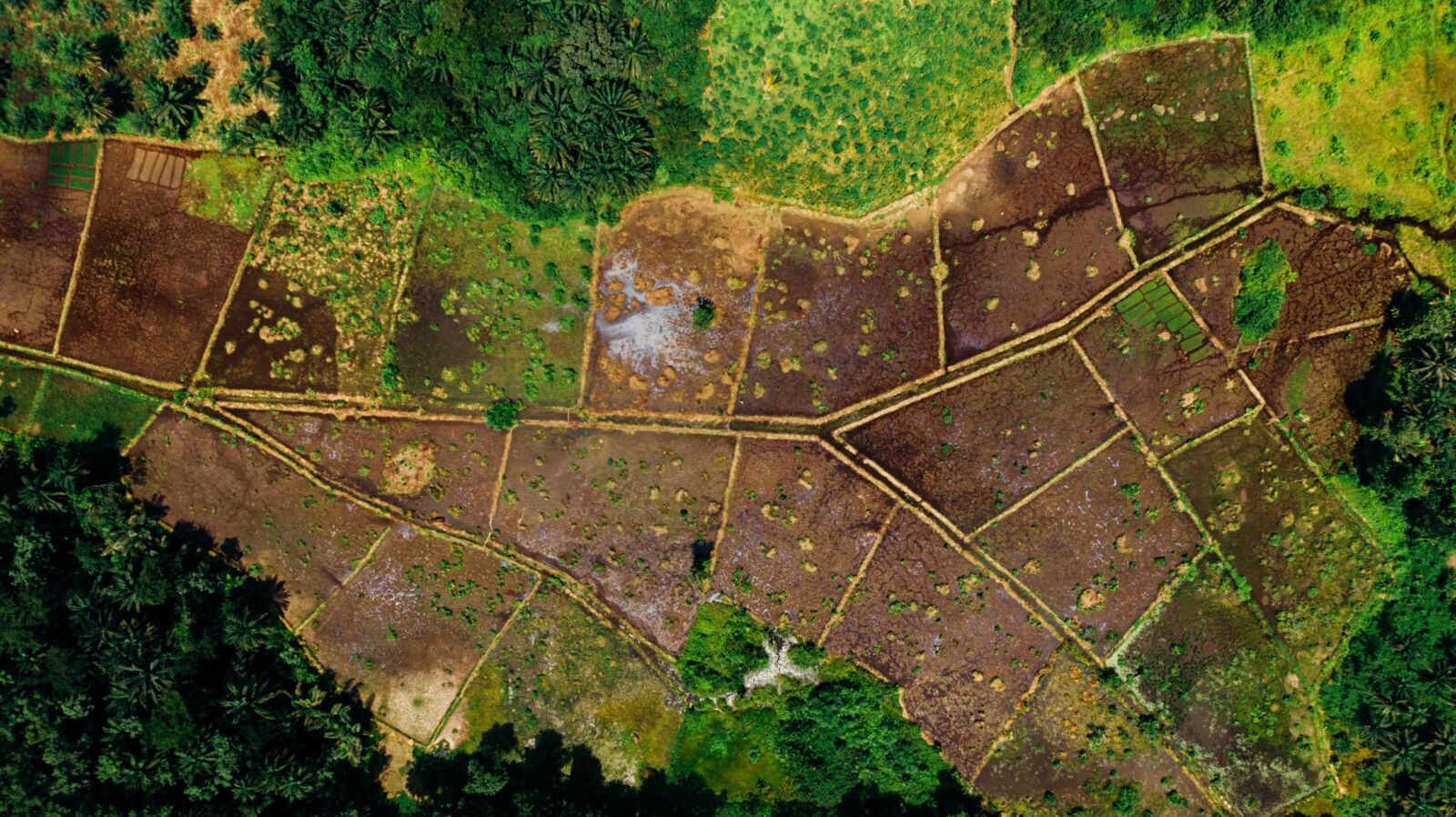
Agriculture | Valorise agricultural waste | Improve productivity and reduce waste |
Manufacturing | Improve resource efficiency and cleaner production | Reduce material costs and emissions |
Textiles | Promote sustainable production and zero-waste manufacturing | Strengthen export competitiveness |
Packaging | Incentivise recycling and sustainable packaging | Reduce plastic pollution |
Construction | Promote circular materials and sustainable urban design | Lower emissions and resource use |
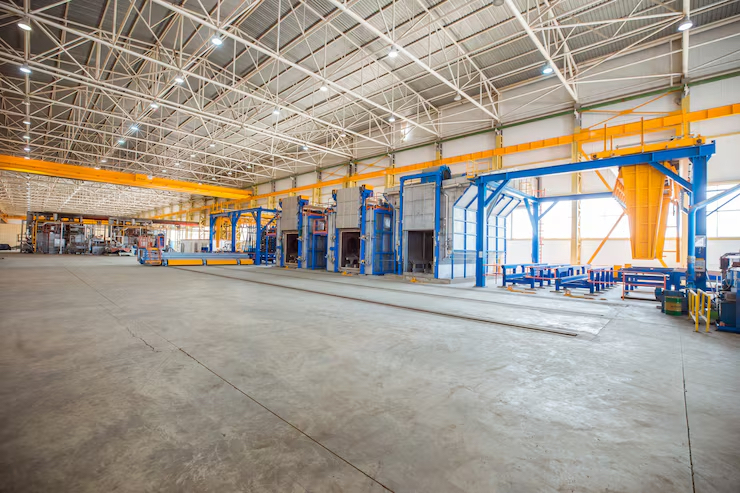
For example, Ethiopia’s textile and leather industries are adopting cleaner production techniques that reduce waste and improve efficiency.
Industrial parks are integrating circular production processes to recover materials and reduce emissions.
The roadmap also integrates waste management systems to capture recyclable materials and reintroduce them into production cycles.
Government, industry, and global partners collaborate
Ethiopia’s circular transition involves a coordinated governance structure.
The Environmental Protection Authority (EPA) leads implementation alongside key ministries, including Industry, Agriculture, Water and Energy, and Urban Development.
Development partners, including the African Development Bank, UNDP, and Global Green Growth Institute, provide financing, technical support, and capacity-building assistance.
Private sector companies, industrial parks, and research institutions play essential roles in implementing circular practices and developing new business models.
Multi-stakeholder partnerships, including the Addis Ababa Circular Economy Centre of Excellence, are designed to foster innovation and knowledge transfer.
The implementation of the Circular economy, therefore, depends on coordinated action across government, business, and civil society.
Policy gaps, financing, and implementation capacity
Despite strong momentum, Ethiopia’s circular transition faces structural challenges.
- Policy and regulatory gaps – Existing legal frameworks do not yet fully incentivise circular practices, particularly in plastics and construction sectors.
- Financing constraints – Circular infrastructure requires significant investment, and competition for climate finance remains intense.
- Institutional capacity challenges – Government institutions require additional technical capacity, coordination, and monitoring systems to implement circular policies more effectively.
These challenges reflect the complexity of transforming entire economic systems.
Partnerships, financing innovation, and policy reform
Ethiopia’s roadmap proposes several enabling solutions.
- Financing mechanisms – Innovative instruments such as green bonds, carbon credits, and climate funds are being explored to finance circular investments.
- Industrial innovation – Industrial parks are integrating circular production techniques, improving efficiency and reducing waste.
- Skills and capacity development – Training programmes and education initiatives are building expertise in circular economy practices.
- Inclusive economic participation – The roadmap prioritises integrating informal waste workers and creating employment opportunities for youth and women.
These measures aim to ensure circular transition delivers both environmental and social benefits.
Ethiopia’s circular roadmap offers blueprint for Africa
Ethiopia’s circular economy roadmap represents one of Africa’s most comprehensive attempts to redesign economic systems for sustainability.
By aligning industrial development, climate policy, and economic transformation, Ethiopia is positioning circularity as a core development strategy rather than an environmental add-on.
The roadmap demonstrates how African countries can turn resource constraints into opportunities for innovation, job creation, and economic resilience.
Its success will depend on sustained political commitment, financing, and implementation capacity, but its direction offers a powerful model for Africa’s sustainable industrial future.
Path Forward – Scaling Ethiopia’s Circular Economy Transition
Ethiopia’s circular economy roadmap prioritises policy reform, investment mobilisation, and industrial innovation to drive systemic transformation.
Government institutions, development partners, and private sector actors are aligning efforts to scale circular solutions.
By strengthening governance, financing mechanisms, and technical capacity, Ethiopia aims to embed circularity across its economy, creating jobs, improving resilience, and positioning itself as a leader in Africa’s sustainable industrial transition.