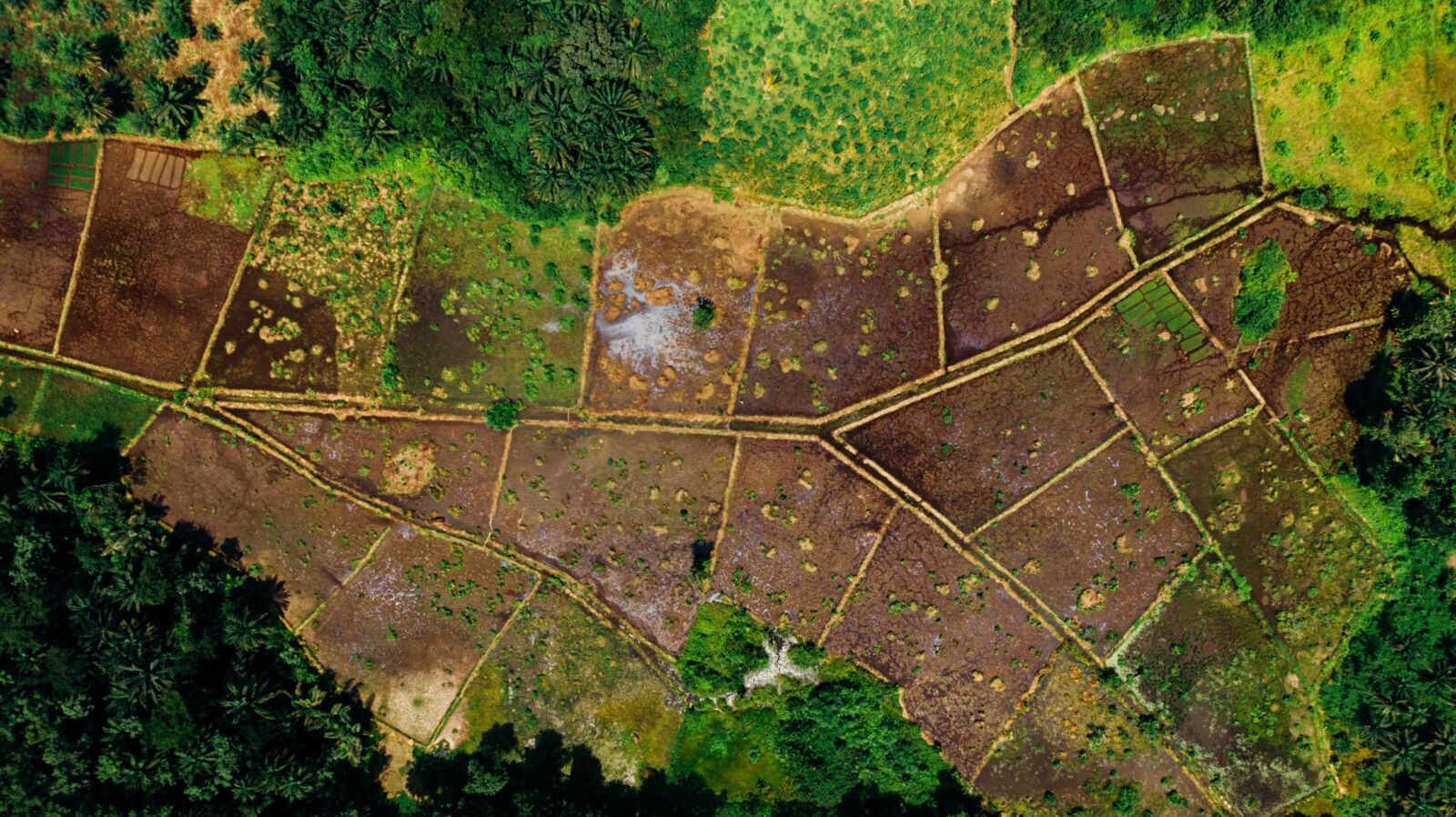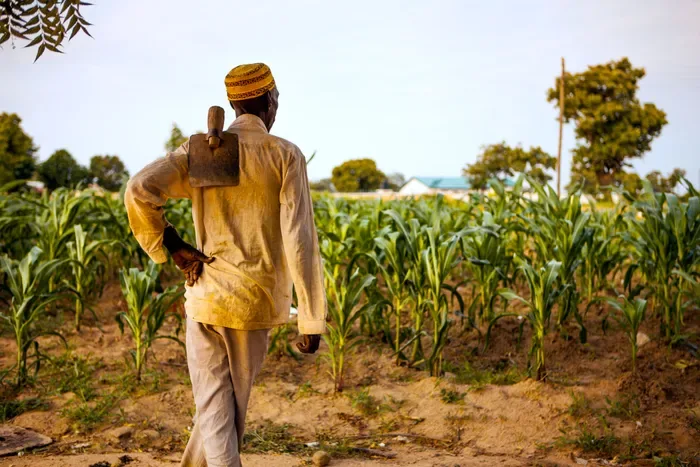
Farmerline began by sending voice and text messages to 800 Ghanaian farmers. It now reports reaching more than 2.3 million farmers through technology that links agricultural knowledge, seasonal finance, field support and markets.
Its growth raises a bigger question: can African agritech convert digital access into measurable income, climate resilience and bargaining power for smallholders without leaving farmers behind as agriculture becomes increasingly data-driven?
Digital Tools Meet Africa’s Farming Realities
Technology is beginning to change how African farmers obtain advice, finance their production and reach buyers. However, Farmerline Co-Founder and Chief Executive Alloysius Attah says its transformative value will depend on whether it resolves the everyday constraints confronting smallholder producers.
Speaking during Week Two of Ghana’s 2025 Citi Business Festival, themed “How Technology is Changing Agriculture in Africa,” Attah presented Farmerline’s model as an integrated response to three persistent agricultural barriers: inadequate information, limited capital and weak market access.
This article is based primarily on ChannelOne TV’s YouTube feature, “The Impact of Farmerline: How Tech Is Revolutionizing Agriculture in Africa,” published on June 13, 2025, alongside Citi Newsroom’s report on Attah’s festival presentation.
It also incorporates Farmerline’s published operational and impact data to examine what the company’s growth means for food security, rural development and sustainable agriculture across Africa.
Three Missing Links Define Agricultural Survival
"All farmers need three things to survive: access to the right information, access to capital, and access to the market," Attah told the Citi Business Festival, capturing a structural problem across African agriculture.
Farmers may know how to grow crops but lack affordable inputs; others secure finance without adequate agronomic support; still others boost production only to find no dependable buyer.
The absence of one service weakens the rest:
- Advice matters little without affordable inputs
- Credit turns risky when disconnected from crop cycles
- Higher yields don't guarantee income without reliable markets.
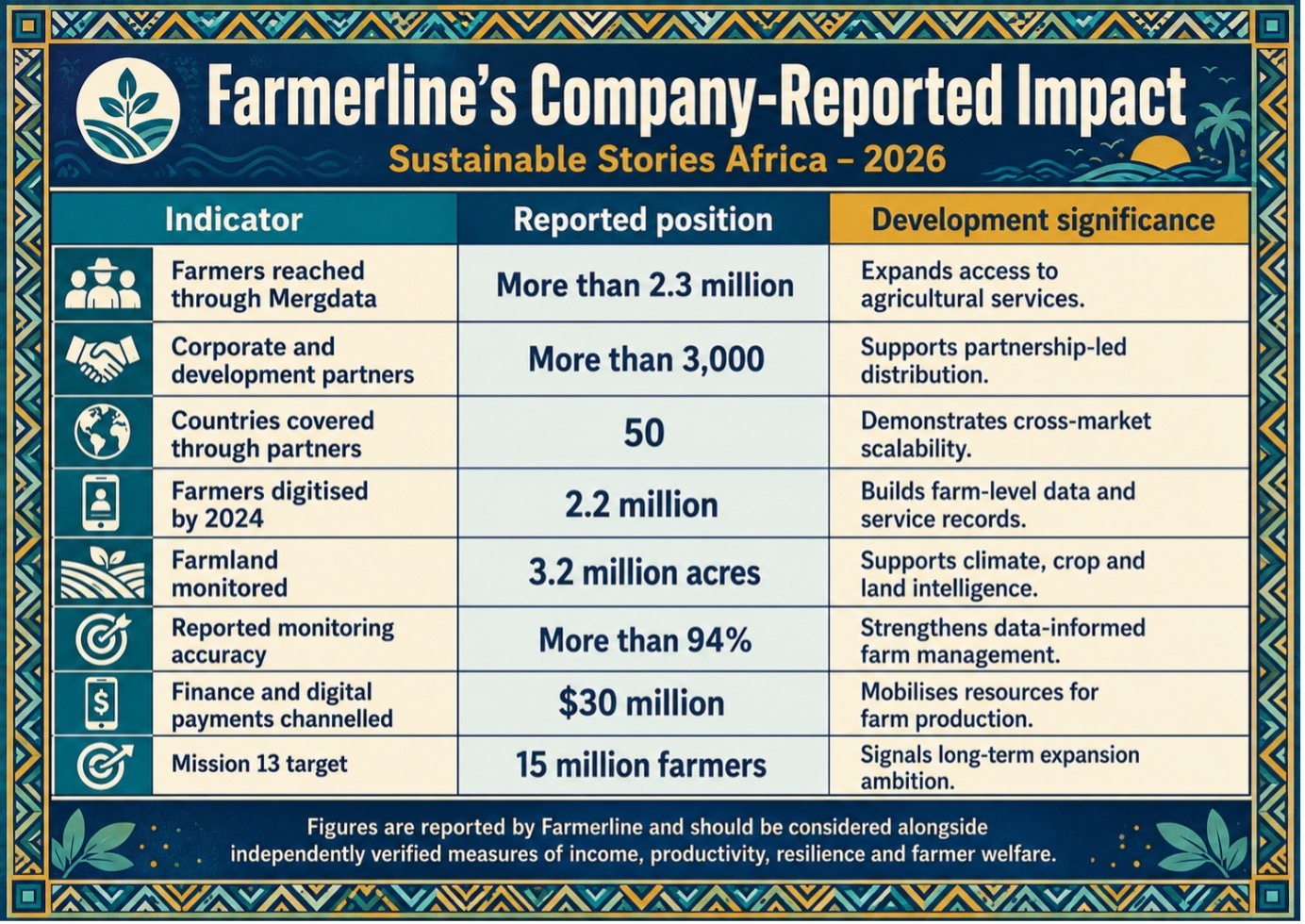
Farmerline has built its business around these missing links. Founded in Ghana in 2013 with voice and SMS messaging to 800 farmers, the company’s Mergdata platform now supports training, registration, financing, traceability, and market access.
Farmerline reports Mergdata has enabled over 3,000 partners across 50 countries to reach 2.3 million farmers, demonstrating how digital infrastructure extends services beyond conventional extension systems and the implications for food security and climate resilience continent-wide.
Farmerline Builds Around Farmers’ Daily Constraints
Farmerline's first intervention is information.
- Through Mergdata, farmers receive location-specific guidance, weather updates, and training in local languages, with offline functionality suited to communities with inconsistent connectivity.
- This responds to a practical gap: public extension systems often lack officers, vehicles, and funding to maintain frequent farmer contact.
Attah explained the tools complement extension officers, reducing the time between identifying a problem and receiving a response.
The second intervention is capital.
- Smallholders are frequently deemed too risky by lenders lacking collateral or formal records; however, production requires spending months before revenue.
- Farmerline uses farmer networks and proprietary credit-scoring to support input and equipment financing, citing northern Ghana, where farmers accessed machinery like combine harvesters.
This data-driven approach can create financial identities for farmers invisible to conventional banking.
The third intervention is market access.
- Producing more food matters little without buyers, so Farmerline purchases commodities, connects producers to buyers, and supports export compliance on deforestation and child labour standards.
- Digital traceability is increasingly vital as buyers demand clearer origin evidence, though this can create new compliance costs without adequate support.
The model combines digital delivery with human infrastructure, such as local field agents who register farmers, distribute inputs, and deliver training, since technology alone cannot repair a tractor or inspect a diseased crop.
Farmerline has also introduced AI tools, including its Darli system, converting training into local-language voice messages while supporting digitisation and financing.
Connected Farmers Can Build Stronger Rural Economies
Farmerline's model isn't about technology for its own sake; its value lies in enabling better decisions at the right moment.
Early rainfall warnings let farmers adjust planting; disease detection can save entire fields; input finance ensures seeds arrive before the planting window closes. Identified buyers turn increased production into income rather than post-harvest losses, while digital transaction records help farmers build credit histories for larger loans.
These outcomes strengthen rural economies: predictable incomes let households pay school fees and invest in equipment, while agribusinesses gain dependable supplies and value-chain visibility.
Governments benefit from aggregated data to design subsidies and climate interventions; banks reduce information asymmetry; exporters improve compliance.
The ESG value is significant; climate-smart farming data, local-language inclusion, and traceable supply chains strengthen governance and accountability.
However, delayed action risks excluding smallholders from premium markets demanding traceability, rendering non-digitised farmers commercially invisible.
Technology can also deepen inequalities, particularly for women lacking equal access to phones, land, or finance.
The goal remains digital tools that build income, agency, and resilience—not digitisation alone.
Action: Scaling Impact Requires Capital, Governance and Trust
- Governments must recognise digital agriculture as national infrastructure by developing interoperable farmer registries, strengthening rural connectivity, and integrating proven tools into extension systems rather than treating agritech as competition.
- Regulators must establish clear data rules, ensuring farmers know what's collected, why, and how it affects credit or market eligibility. Consent should be meaningful, with accessible mechanisms to correct records and challenge automated decisions.
- Banks and development-finance institutions must redesign lending around planting and harvesting cycles rather than salary structures, using credit guarantees, blended finance, and warehouse-receipt systems to manage risk.
- Investors should measure verified yield, income, and resilience outcomes, rather than just registered users.
Agribusinesses using traceability systems should help finance the compliance evidence they demand, rather than shifting costs onto farmers.
Technology companies, including Farmerline, must strengthen transparency around actual impact, distinguishing reach from transformation.
Farmers and cooperatives need a voice in platform design, since products ignoring local seasons, languages, and gender dynamics risk technical sophistication without real adoption. Collaboration across partners remains essential; no single company can resolve Africa's interconnected agricultural constraints alone.
Path Forward – From Digital Reach to Farmer Resilience
Farmerline demonstrates that agritech delivers greater value when information is connected to finance, physical services and dependable markets.
The next test is whether its expanding digital reach consistently produces higher incomes, stronger resilience and greater negotiating power for farmers.
Governments, financiers and agribusinesses must support interoperable infrastructure, responsible data governance and patient agricultural capital. Success should be measured not by registrations alone, but by whether African farmers become more productive, climate-resilient and economically secure.