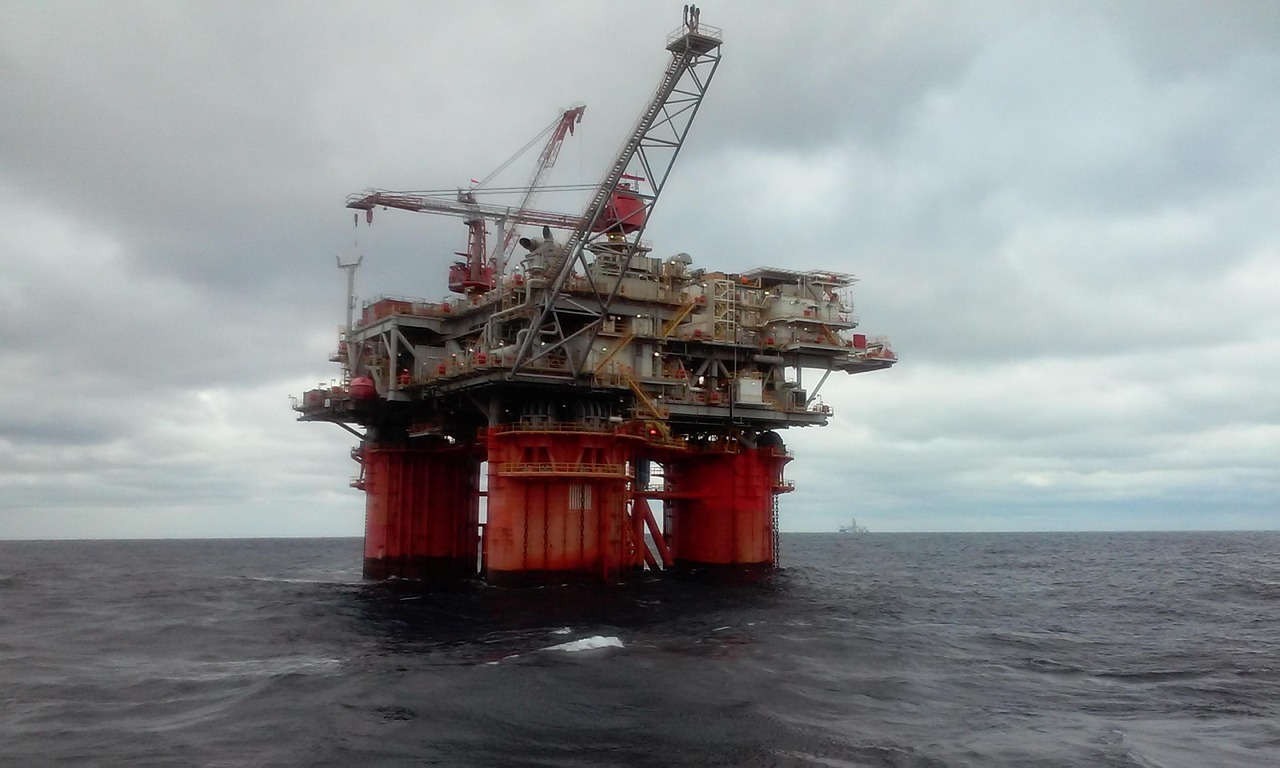
Ghana is moving to tighten methane oversight in its oil and gas sector, partnering with the Clean Air Task Force (CATF) to strengthen regulatory capacity and technical standards.
The collaboration signals a strategic pivot: positioning methane control not just as climate policy, but as energy governance reform, anchored in measurement, enforcement, and international credibility.
Ghana Advances Methane Rules to Bolster Climate Leadership
Ghana has stepped forward in the global methane debate, launching a collaboration between its Environmental Protection Agency Ghana (EPA) and the Clean Air Task Force (CATF) to enhance methane regulation in the oil and gas sector.
The partnership focuses on strengthening technical capacity, refining regulatory frameworks, and aligning Ghana’s methane governance with international best practice.
For a hydrocarbon-producing economy balancing growth and decarbonisation, the move is both strategic and symbolic.
Methane, which is responsible for 30% of global warming since pre-industrial times, offers one of the fastest pathways to near-term climate impact reduction.
Ghana’s decision to prioritise methane oversight signals a shift toward data-driven enforcement and transparent emissions management in West Africa’s energy landscape.
Methane Moves to Regulatory Centre
The collaboration places methane at the core of Ghana’s climate governance. While carbon dioxide dominates global discourse, methane’s short atmospheric lifetime and high warming potential make it a critical near-term lever.
Under the initiative, CATF will provide technical assistance to Ghana’s EPA in areas including:
- Leak detection and repair (LDAR) programme design
- Emissions measurement methodologies
- Regulatory drafting and enforcement strategy
- Institutional capacity building
The emphasis is not on voluntary pledges but on enforceable standards.
Ghana’s oil and gas sector, which is centred around offshore production, presents both opportunity and risk.
Effective methane control can reduce flaring, limit fugitive emissions, and enhance operational efficiency.
Poor oversight risks undermining Ghana’s climate credibility and investor confidence.
From Pledges to Practical Enforcement
Ghana is a signatory to international climate commitments and has expressed support for global methane reduction goals.
The new partnership operationalises those ambitions through institutional strengthening.
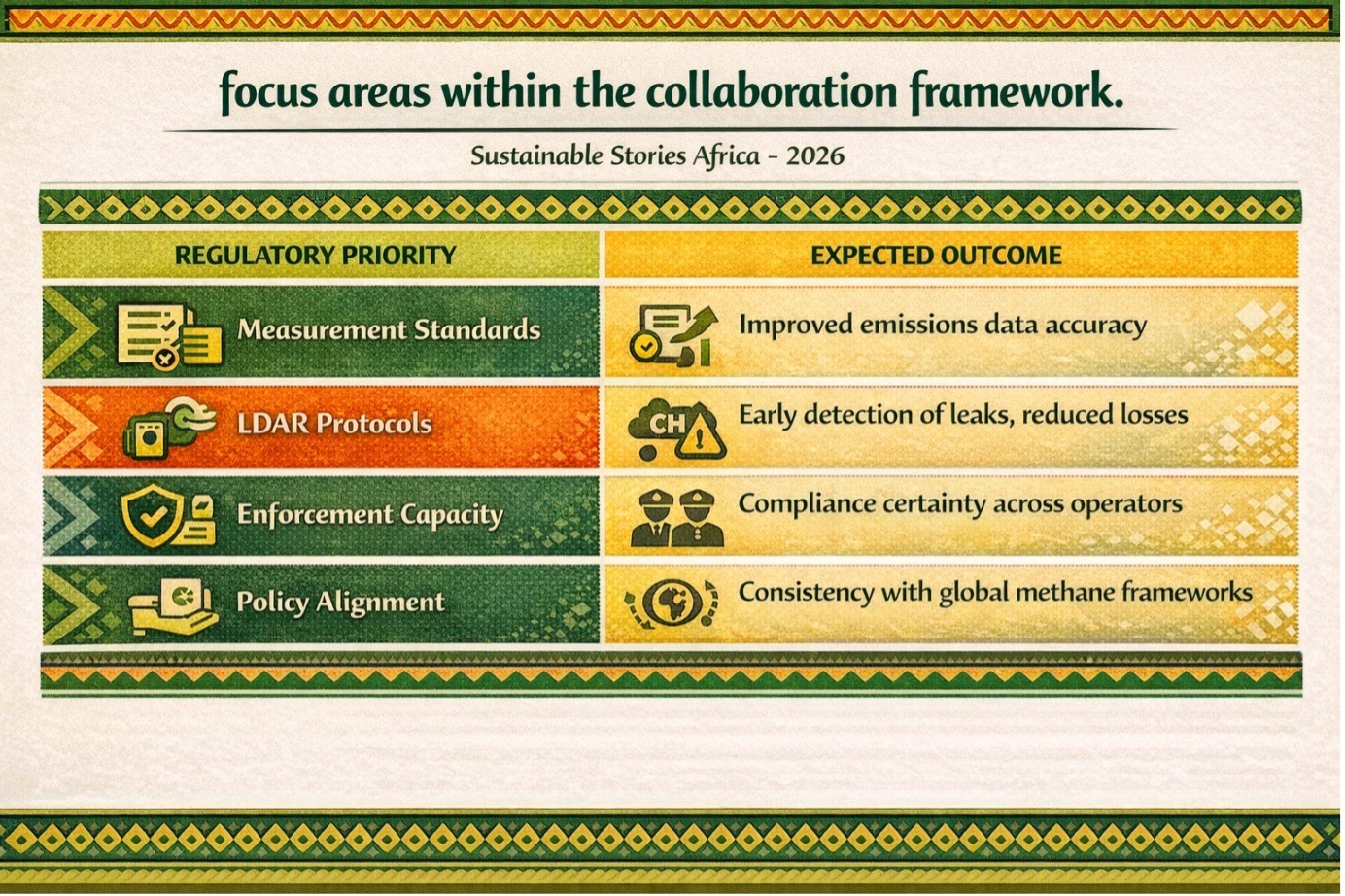
Below is a summary of focus areas within the collaboration framework:
Regulatory Priority | Expected Outcome |
|---|---|
Measurement Standards | Improved emissions data accuracy |
LDAR Protocols | Early detection of leaks, reduced losses |
Enforcement Capacity | Compliance certainty across operators |
Policy Alignment | Consistency with global methane frameworks |
The technical dimension is critical. Many developing-country regulators face data gaps, limited monitoring infrastructure, and insufficient enforcement mechanisms.
By integrating international best practice, Ghana aims to close those gaps before emissions scale alongside production growth.
CATF’s engagement reflects a broader trend: climate NGOs increasingly supporting regulatory design rather than solely advocating policy ambition.
Economic and Climate Dividends Align
The benefits extend beyond emissions reduction. Methane leaks represent lost product. In oil and gas systems, unaddressed fugitive emissions translate into foregone revenue.
Strengthened regulation can therefore improve operational efficiency and fiscal returns.
For Ghana, climate leadership also carries diplomatic weight. Demonstrating robust methane governance enhances standing in global climate negotiations and strengthens access to climate-aligned financing.
Investors, particularly those subject to ESG scrutiny, increasingly evaluate methane intensity metrics when allocating capital. Clear, enforceable standards can improve Ghana’s risk profile.
The initiative also aligns with broader energy transition narratives across Africa, where governments seek to monetise hydrocarbon resources responsibly while preparing for a low-carbon future.
Implementation Determines Credibility
Ambition alone will not suffice.
The success of Ghana’s methane regulatory strengthening will depend on:
- Establishing transparent monitoring and reporting systems.
- Ensuring consistent enforcement across operators.
- Investing in regulatory workforce training.
- Coordinating with industry stakeholders to facilitate compliance.
The partnership signals intent, but durable impact requires institutional continuity and budgetary support.
For West Africa, Ghana’s approach could set a regional precedent. As hydrocarbon exploration expands in neighbouring states, regulatory blueprints developed in Accra may inform broader methane governance frameworks.
The strategic message is clear: methane regulation is no longer peripheral climate policy. It is central to credible energy governance.
Path Forward – Build Capacity, Enforce Standards
Ghana’s methane leadership hinges on translating technical collaboration into enforceable regulation.
Strengthened monitoring, leak detection protocols, and transparent reporting will determine whether ambition yields measurable emissions reductions.
By institutionalising methane oversight within its EPA, Ghana can align climate commitments with operational integrity, positioning itself as a model for responsible hydrocarbon governance in Africa.