Ghana's 2026 Budget marks a shift from crisis stabilisation to economic renewal, targeting 4.8% GDP growth, single-digit inflation, and stronger domestic revenue mobilisation.
With debt falling to 45% of GDP, the government is prioritising infrastructure, digitalisation, and job creation under a "Resetting for Growth" agenda.
Ghana's Economic Reset – From Stabilisation to Transformation
Ghana's 2026 Budget comes at a moment of cautious optimism. Inflation returned to 8.0% by October 2025, the cedi strengthened, and public debt fell by 27.18% from 61.8% of GDP in 2024 to 45.0% by October 2025.
The Budget, themed "Resetting for Growth, Jobs, and Economic Transformation," outlines a transition from crisis management to long-term economic renewal, as analysed by KPMG Ghana.
GDP growth is projected at 4.8% in 2026, supported by services, agriculture, and industrial revitalisation.
With the IMF programme nearing completion, Ghana's focus is now on productivity, job creation, and fiscal credibility.
Fiscal Discipline Restores Confidence
Between December 2024 and October 2025, Ghana's public debt declined by 13.3% to GH¢630.2 billion, driven by exchange-rate appreciation and restrained borrowing. Eurobond yields fell by over 300 basis points, easing financing pressures.
The 2026 Budget targets:
- 4.8% GDP growth
- 8.0% inflation
- 1.5% primary surplus of GDP
- 2.2% overall fiscal deficit
These targets aim to preserve macroeconomic stability while enabling growth.
Where the Money Goes
Services will remain the dominant economic driver, accounting for 47% of GDP, followed by industry (31%) and agriculture (22%).
2026 Fiscal Targets Snapshot
| Indicator | 2026 Target |
|---|---|
| Total revenue & grants | GH¢268.1 billion |
| Total expenditure | GH¢302.5 billion |
| Fiscal deficit | 2.2% of GDP |
| Debt-to-GDP | 45% |
| GDP growth | 4.8% |
| Inflation | 8.0% |

Government plans to spend GH¢30 billion on strategic infrastructure under the "Big Push Programme", focusing on power, roads, and digital connectivity.
Tax Reforms and Sector Priorities
Key revenue reforms include:
- Abolishing the COVID-19 Health Recovery Levy
- Raising VAT registration threshold by 275% from GH¢200,000 to GH¢750,000
- Extending zero-rated VAT on locally manufactured textiles to 2028
- Removing VAT on mineral exploration
- Introducing digital VAT monitoring and fiscal electronic devices
These measures aim to simplify compliance, support SMEs, and boost investor confidence.
Sector Priorities
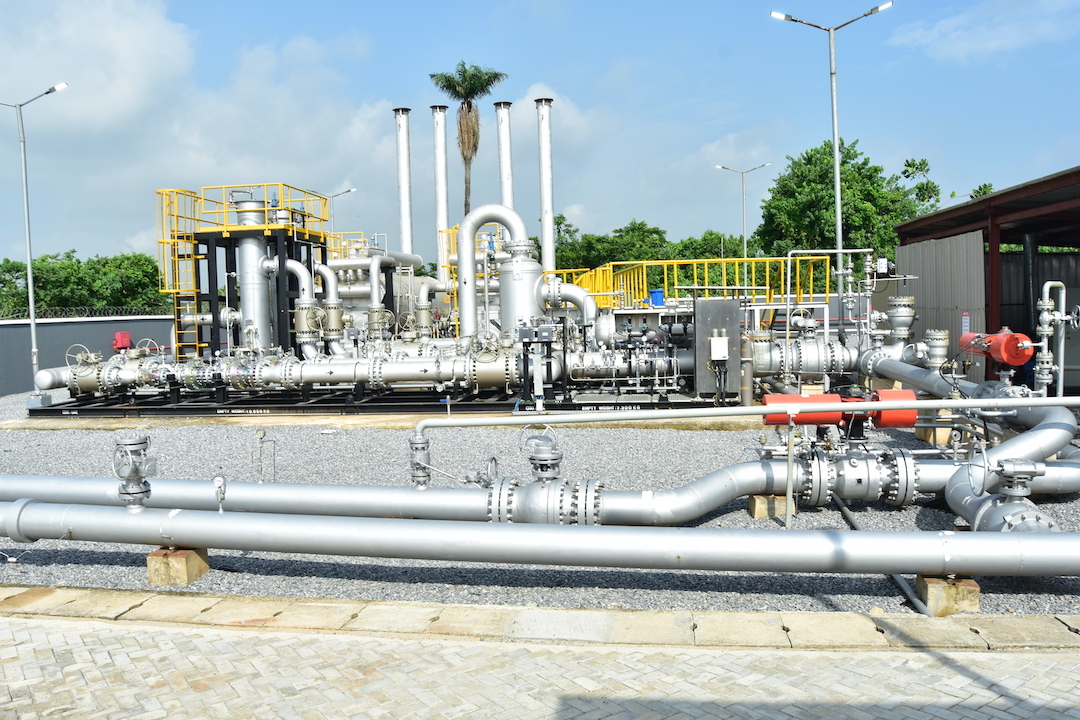
- Energy: Transition to cheaper domestic gas, cutting generation costs by 75%
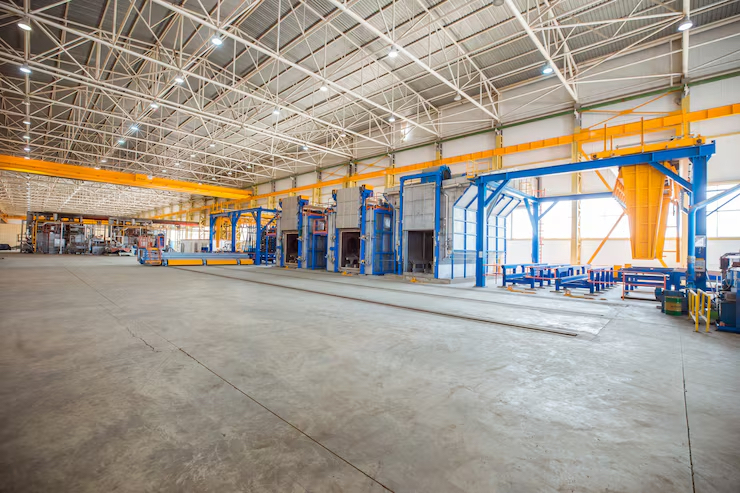
- Industry: Agro-processing, EV assembly, AfCFTA export growth
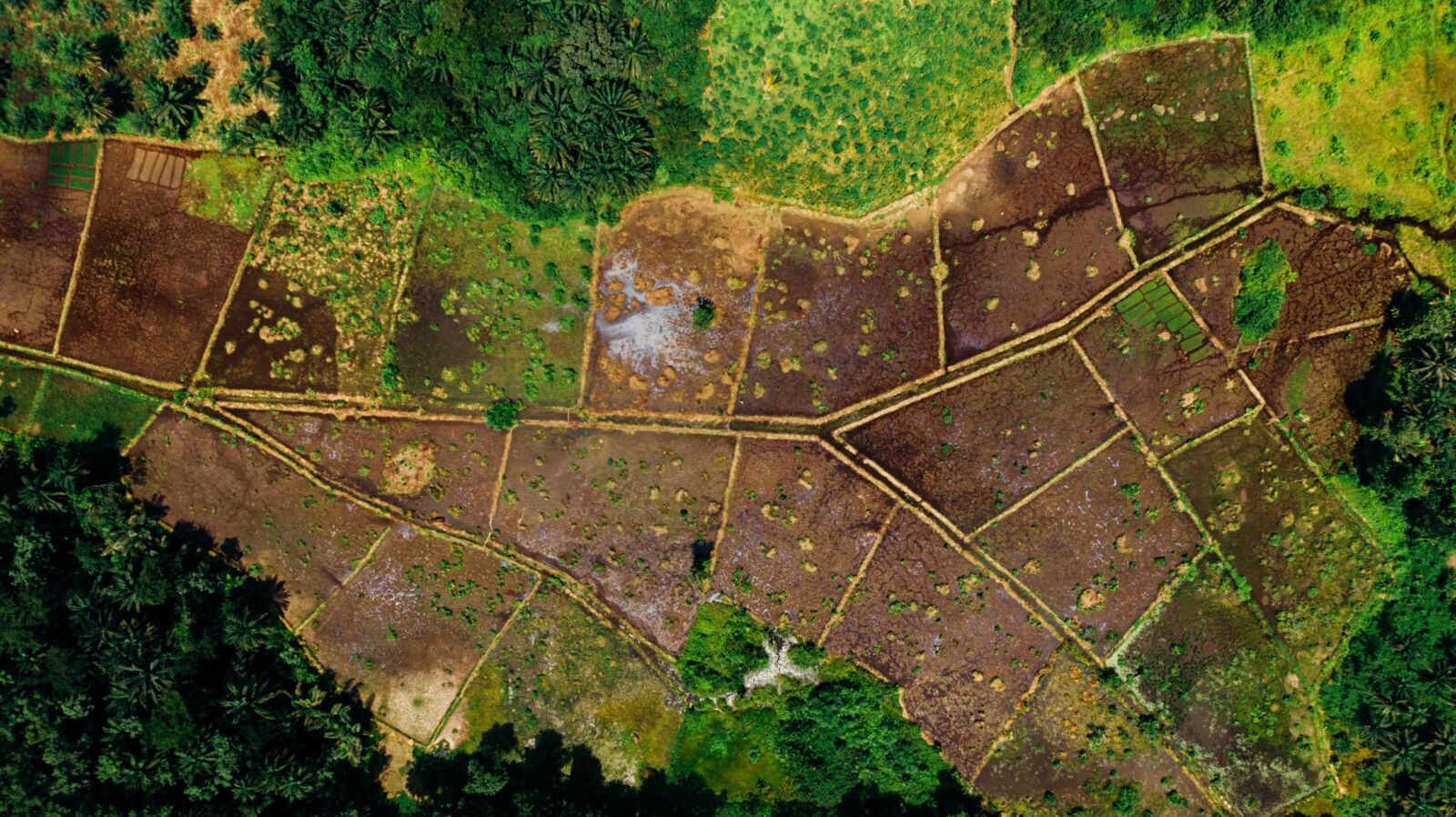
- Agriculture: Irrigation, mechanisation, storage infrastructure
- Social protection: GH¢401million for Women's Development Bank, healthcare expansion
What Businesses Should Do
Businesses should:
- Prepare for VAT and income tax reforms
- Upgrade digital tax compliance systems
- Reassess sector-specific incentives
- Align with ESG and transparency standards
- Monitor IMF programme exit risks
Policy execution will determine whether fiscal credibility translates into sustainable growth.
Path Forward – Sustaining the Reset
Ghana's 2026 Budget reflects a shift toward discipline, productivity, and private-sector mobilisation.
If infrastructure spending, tax reforms, and sector initiatives are implemented effectively, the country could lock in macroeconomic stability while accelerating job creation and inclusive growth.