Global renewable energy employment reached a record 16.6 million jobs in 2024, driven by the rapid deployment of solar and wind, particularly in China and emerging markets.
But automation, uneven geographic distribution, and persistent gender and disability gaps are reshaping who benefits from the energy transition and how inclusive its workforce will be.
The Human Engine of Energy Transition – People Powering the Energy Shift
The global energy transition is often measured in gigawatts and carbon targets. However, behind every solar panel, wind turbine, and hydropower dam stands a human workforce.
In 2024, at least 16.6 million people were employed directly or indirectly in renewable energy, the highest level ever recorded worldwide.
This growth reflects record renewable capacity additions, with 582 GW installed in 2024 alone. Solar and wind accounted for 97.5% of new renewable power, pushing global renewable capacity to 4,443 GW.
But while installations surged, employment growth slowed as automation, economies of scale, and manufacturing overcapacity reduced job intensity per unit of capacity.
The result is a new phase of the energy transition, one where skills, inclusion, and workforce adaptability matter as much as technology and finance. As artificial intelligence (AI) spreads across the sector, the future of renewable energy jobs will be defined not just by numbers, but by who gets access to them.
Jobs Rise, But Not Everywhere
Renewable energy jobs increased by 2.45% from 16.2 million in 2023 to 16.6 million in 2024, marking steady but slower growth.
China remains the dominant employer, hosting about 43.9% of global renewable energy jobs, while Africa accounts for roughly 344,000 roles, a modest share given the continent's vast clean energy potential.
The uneven distribution reflects deep gaps in industrial capacity, investment flows, supply chains and skills. China alone accounts for nearly 60% of global solar photovoltaic (PV) employment, with an estimated 4.2 million solar jobs in 2024.
Meanwhile, global job growth is being constrained by:
- Automation and AI in manufacturing
- Economies of scale reduce labour needs
- Grid bottlenecks and power curtailment
- Overcapacity in solar and battery manufacturing
Despite record deployment, "less human labour is required for each new unit of capacity," IRENA notes, signalling a structural shift in the energy labour market.
Where Renewable Energy Jobs Are Growing
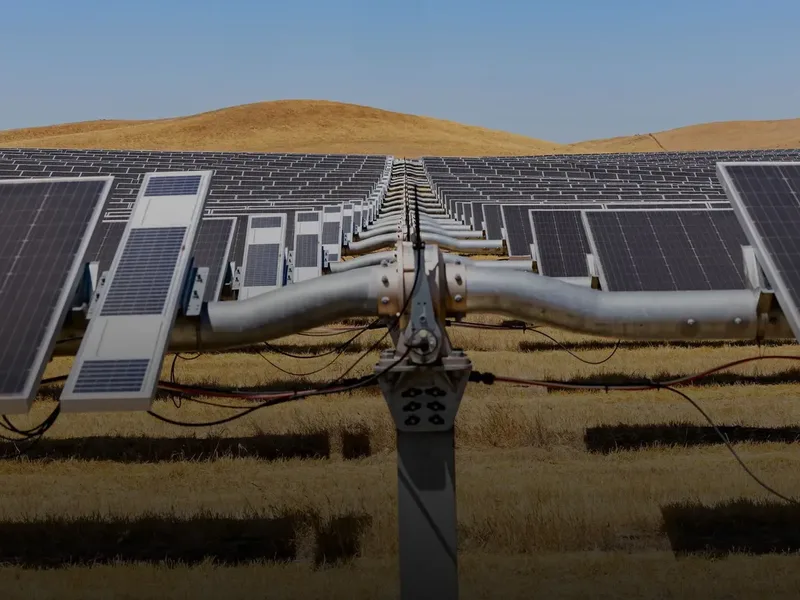
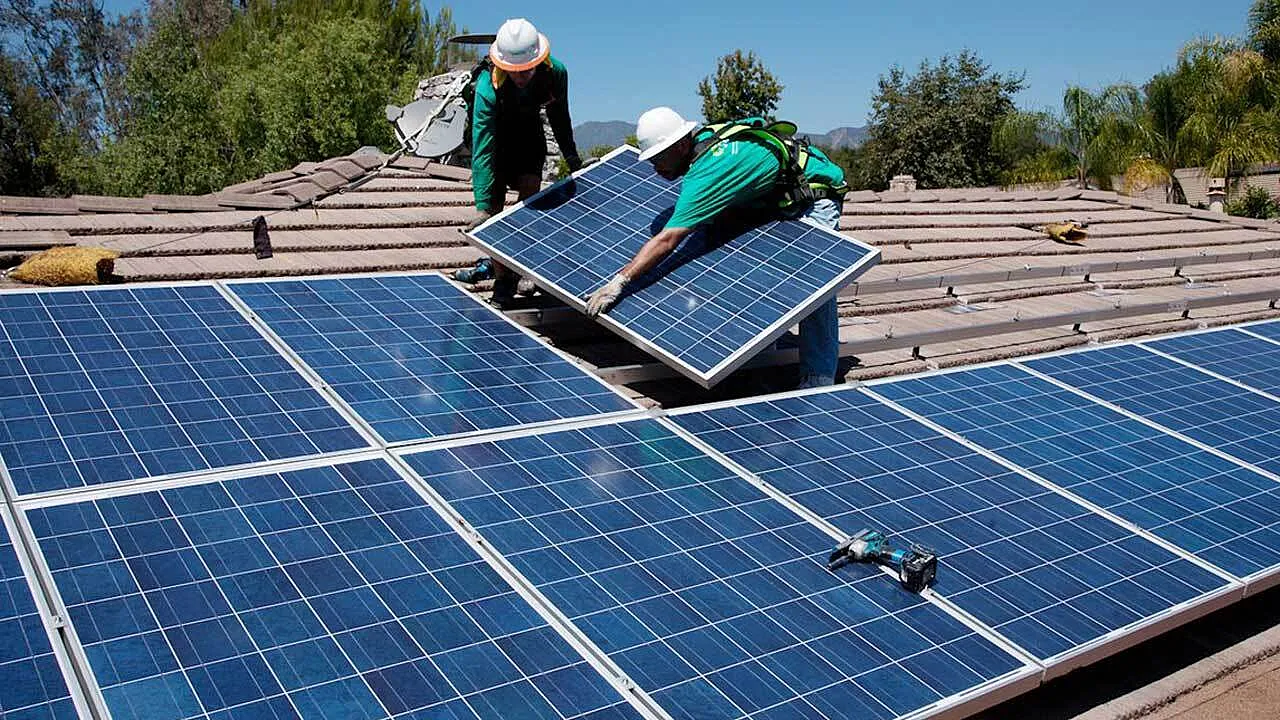
Solar PV remains the largest employer, driven by manufacturing, installation, and operations. However, 82% of global solar jobs are concentrated in 10 countries, with Asia hosting 75% of all PV employment.
Global Renewable Energy Employment by Technology (2024)
| Technology | Jobs (million) |
|---|---|
| Solar PV | 7.2 |
| Liquid biofuels | 2.6 |
| Hydropower | 2.3 |
| Wind | 1.9 |
| Solid biomass | 0.7 |
| Heat pumps | 0.4 |
| Others (geothermal, CSP, etc.) | 0.2 |
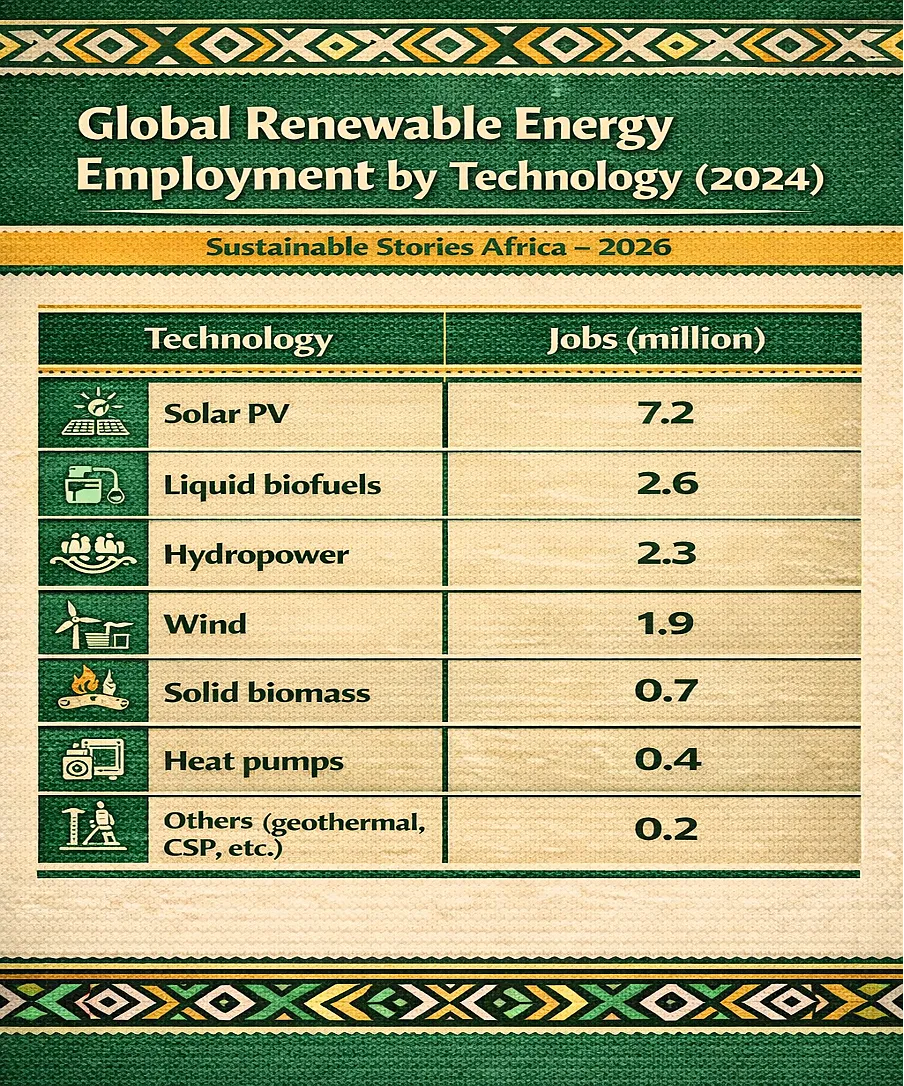
Wind energy employed nearly 1.9 million people in 2024, with China accounting for almost 61% of global employment. Hydropower provided 2.26 million direct jobs, concentrated in China and India, which together accounted for 52% of global employment.
Biofuels employ 2.6 million people, mainly in agricultural supply chains. But many of these jobs are seasonal, physically demanding, and poorly protected, particularly in developing countries.
Why Skills and Inclusion Matter
While renewable energy jobs are growing, job quality and access remain uneven. Women continue to face barriers to hiring and promotion, and people with disabilities are only beginning to gain opportunities in the sector.
IRENA highlights three critical workforce priorities:
- Skills for the Future – The rise of AI, robotics, and digital tools is changing job profiles. Engineers, data analysts, technicians, and system integrators are increasingly in demand, while traditional manual roles are declining. Education systems must adapt to prepare workers for these new roles.
- Gender Equity – Women remain underrepresented in technical and leadership roles. Expanding access to STEM education, mentorship, and inclusive hiring policies is essential to unlocking a wider talent pool.
- Disability Inclusion – Accessible workplaces, inclusive recruitment, and supportive policies can bring new perspectives and skills into the renewable workforce. IRENA stresses that inclusion is not just about fairness – it strengthens industry performance.
As the report notes, "People are key. The workers who power renewable energy will ultimately determine the success of the energy transition."
What Governments and Industry Must Do
To sustain job growth and ensure fairness, IRENA and the ILO call for coordinated action:
- Modernise training systems – Expand vocational, university, and on-the-job training aligned with future skills needs.
- Invest in inclusive policies – Support women, youth, and people with disabilities through targeted hiring, workplace accessibility, and leadership programmes.
- Strengthen local supply chains – Encourage domestic manufacturing where feasible to create jobs beyond installation and maintenance.
- Plan for AI disruption – Anticipate how automation will reshape roles and proactively reskill workers.
- Improve labour protections – Especially in biofuels and agriculture, where many jobs lack formal contracts and safety standards.
With global renewable capacity expected to triple by 2030 under COP28 commitments, demand for skilled workers continue to intensify. Without deliberate, inclusive workforce planning, millions risk being left behind in the transition.
Path Forward – A Just Energy Workforce
Renewable energy jobs are growing, but not evenly. The next phase of the transition must prioritise skills development, gender equity, and disability inclusion alongside clean energy deployment.
By investing in people, not just power plants, governments and businesses can ensure the energy transition delivers decent work, social inclusion, and long-term economic resilience.