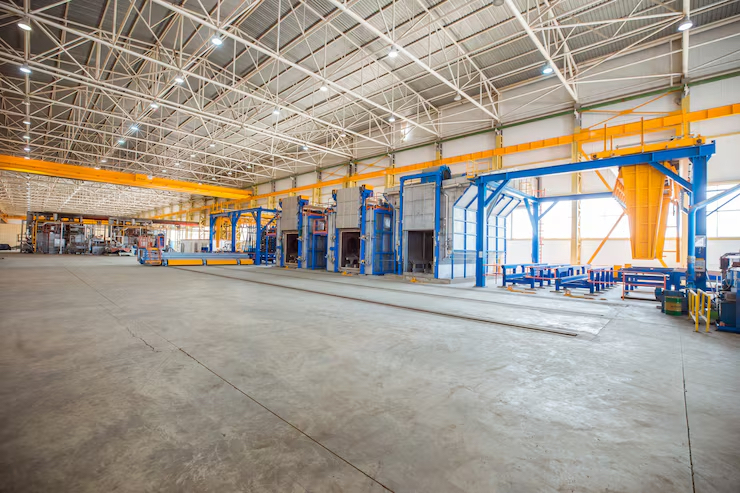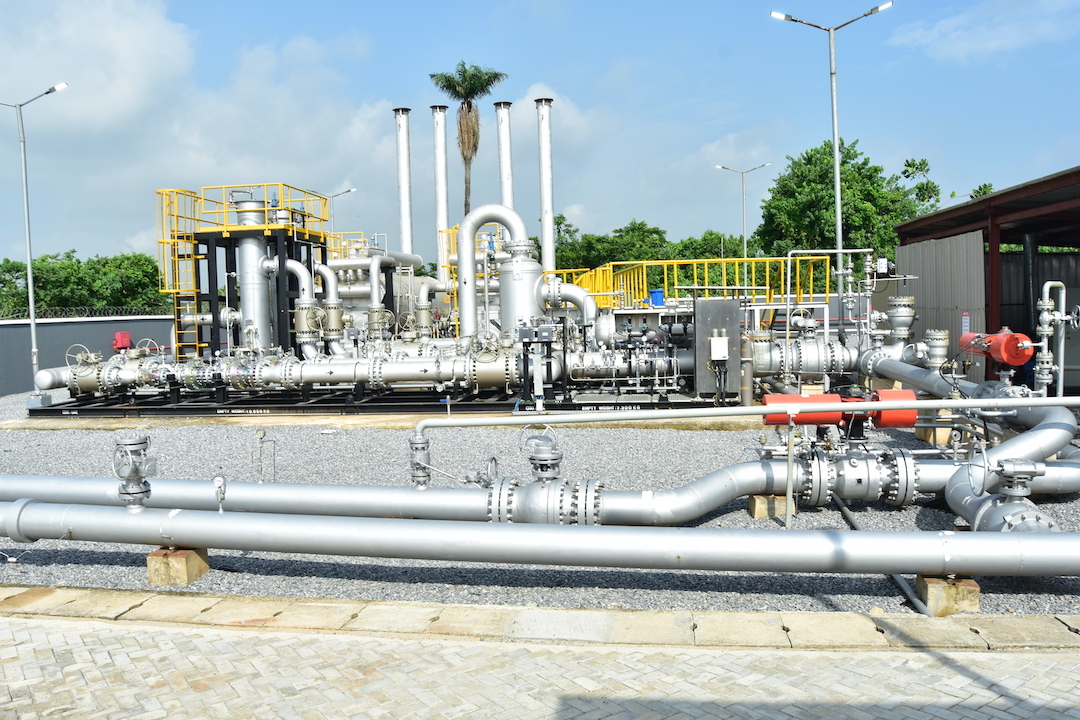
Lagos wants to turn industrial pressure into productive advantage. Its 2025 – 2030 Industrial Policy sets out a roadmap for cleaner power, stronger clusters, better logistics, export readiness, and inclusive enterprise growth.
The core question is execution: can Africa’s most commercially important sub-national economy convert scale, talent, and market access into factories, jobs, exports, and greener competitiveness?
Lagos Repositions Industry For Green Growth
Lagos State has unveiled a five-year industrial policy that seeks to reposition Nigeria’s commercial capital as a green, inclusive and globally competitive production hub, with stronger links to power, logistics, finance, land-use planning, export markets and climate resilience.
The Lagos State Industrial Policy 2025 – 2030 arrives at a decisive moment for Africa’s largest urban economy.
Lagos has scale, ports, finance, talent and consumer demand. It also has congestion, land pressure, energy deficits, climate exposure and a crowded enterprise base that needs more reliable systems to grow.
The policy’s central message is simple: Lagos does not want to remain only a marketplace.
It wants to become a deeper production economy, one where industrial parks, MSME finance, clean energy, standards, AfCFTA-linked exports and stronger governance move from ambition to measurable delivery.
Lagos Turns Scale Into Industrial Urgency
Lagos, Nigeria's smallest state by landmass, commands an outsized economic footprint: 25 million people, 30% of national GDP, and a N40 trillion ($200 billion PPP) Gross State Product in 2023.
However, market scale alone cannot industrialise. Governor Babajide Sanwo-Olu's new policy frames the African Continental Free Trade Area, 1.3 billion people, $3 trillion combined GDP, as Lagos's gateway to continental trade and industrial integration.
The diagnosis is unsparing. An 8,500MW power deficit, logistics bottlenecks, workspace scarcity, land constraints, and flood risks erode competitiveness.
Factories need reliable energy; exporters need roads, ports, and standards; MSMEs need affordable finance; investors need transparency and land security.
The policy's clarity lies in naming these constraints as design parameters, rather than footnotes.
Lagos's industrial ambition now hinges on whether governance can close the infrastructure gap at the pace AfCFTA demands.
Six Pillars Define Lagos’s Industrial Bet
The Lagos State Industrial Policy (LSIP) 2025–2030 is not a project list but a governance architecture.
- Its first pillar targets a competitive industrial base: cutting high production costs, fragmented supply chains, and technological lag through reliable power, logistics, automation, factory modernisation, and value-chain integration.
- The second pillar tackles the investment climate, simplifying licensing, unlocking industrial land, streamlining permits, and fast-tracking priority infrastructure via a strengthened one-stop facilitation centre.
Predictable rules, the policy argues, separate industrial strategy from expensive rhetoric.
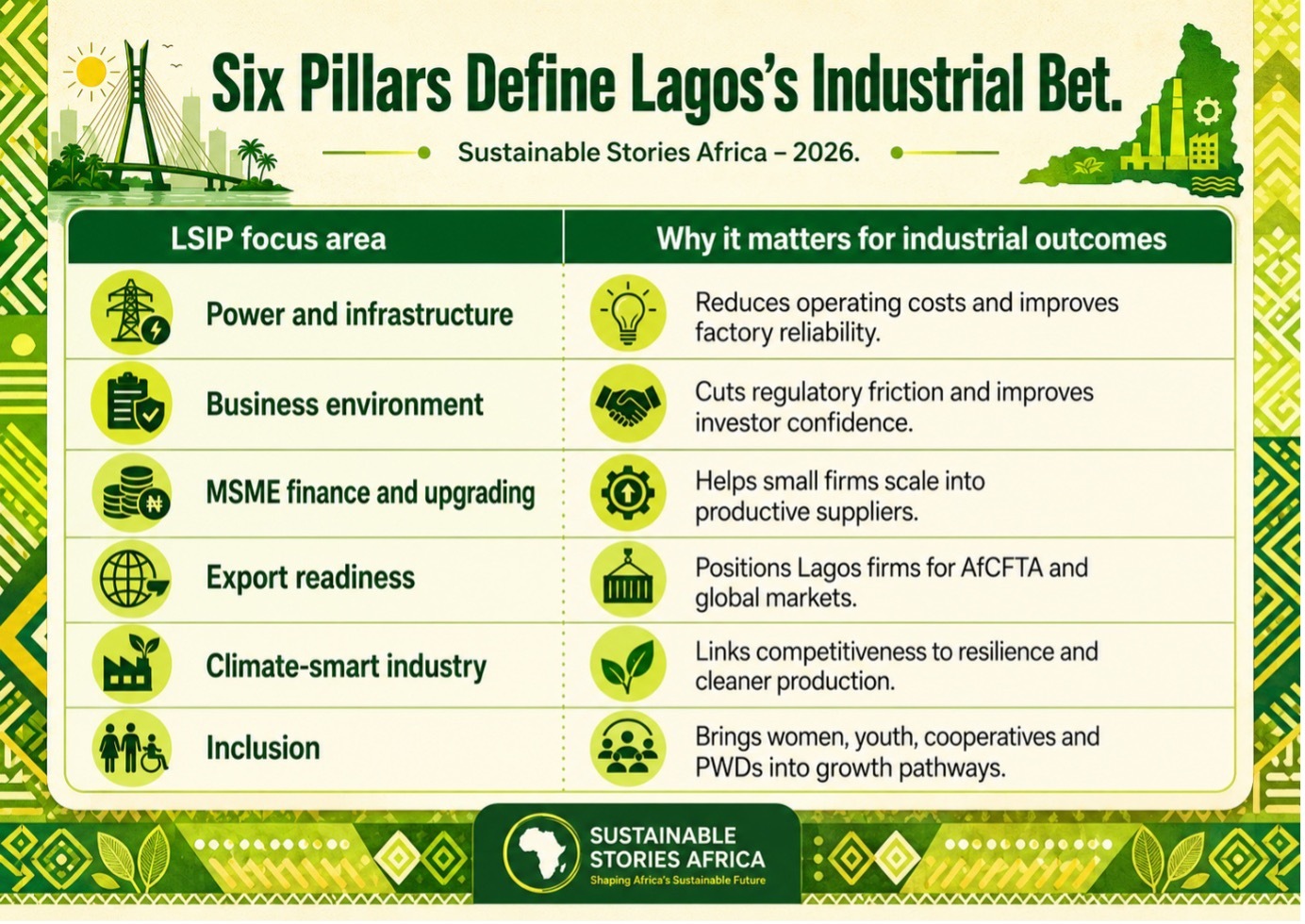
Four additional pillars, including macro-fiscal stability, legal-regulatory reform, access to finance, quality standards, security, and integrated enablers, form a mutually reinforcing stack. Cross-cutting conditions bind them.
The document’s rigour lies in admitting that no pillar works in isolation.
This is a coordination test. Success demands alignment across ministries, agencies, investors, financiers, communities, and federal institutions.
Lagos is betting that institutional discipline, not just capital, will convert its market scale into industrial depth.
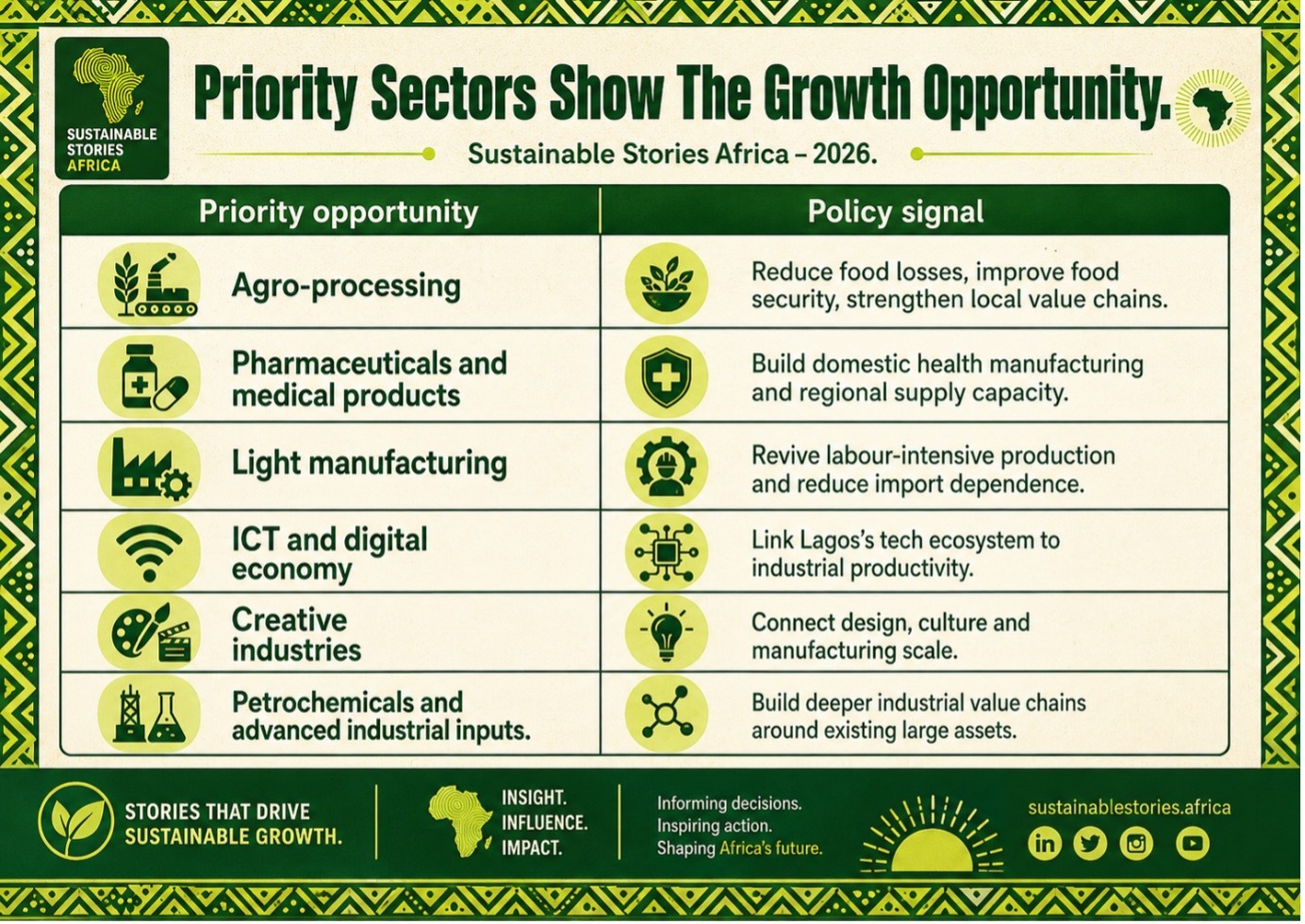
Priority Sectors Show The Growth Opportunity
The policy deliberately chooses focus over dispersion. It identifies priority sectors where Lagos has competitive advantages, market scale, existing industrial capacity or strategic relevance to national development.
The goal is to channel incentives, institutional support and investment facilitation into areas that can deliver value addition, employment, exports and technological upgrading by 2030.
- Agro-processing and food and beverage manufacturing sit at the centre of that agenda. Lagos is Nigeria’s largest consumer market; however, a large share of demand for processed food is still met through imports or inefficient supply chains.
The policy prioritises rice milling, cassava processing, seafood and fish processing, dairy, beverages and packaged foods, as well as integrated hubs for logistics, cold storage, processing and packaging.
- Pharmaceuticals, medical devices, diagnostics and selected biotechnology applications form another strategic cluster.
The pandemic exposed Africa’s vulnerability to external supply chains, and Lagos sees an opportunity to use its healthcare market, medical talent and regional access to build a stronger health manufacturing base.
- Light manufacturing and consumer goods also matter because they absorb labour.
Textiles, garments, leather products, furniture, plastics and fast-moving consumer goods can create jobs faster than capital-intensive sectors, especially when linked to clusters, shared services, skills development and quality standards.
The opportunity is not only economic. If executed well, the policy can make industrial development cleaner, more inclusive and more resilient.
It links energy efficiency, renewable energy, waste-to-value systems and cleaner production technologies to competitiveness, not merely environmental compliance.
Climate finance and carbon-credit revenues, where mobilised, are expected to support industrial upgrading, cluster-level energy infrastructure and green technology adoption.
For citizens, the promised dividend is practical: more decent jobs, more reliable local supply, stronger small businesses, better industrial neighbourhood planning and reduced pressure from polluted, poorly serviced production zones.
Execution Must Move Beyond Policy Language
The LSIP’s strongest section may be its insistence on sequencing.
The policy sets out three implementation phases.
- Phase I, from 2025 to 2026, focuses on foundational enablers: industrial power delivery, serviced land, streamlined permits and inspections, and full operationalisation of a one-stop investment facilitation desk.
- Phase II, from 2027 to 2028, moves into competitiveness: scaling industrial parks and specialised zones, supplier development, MSME upgrading, skills alignment, logistics reforms and trade facilitation.
- Phase III, from 2029 to 2030, is about consolidation: export competitiveness, performance-based incentives and institutionalising reforms beyond the policy period.
That sequencing matters because Lagos cannot do everything at once.
- The state will need to decide which industrial corridors come first, which sectors receive targeted support, which incentives are tied to measurable outcomes, and which agencies are accountable for delivery.
The policy proposes an annual LSIP Delivery Plan approved by the Industrial Policy Implementation Task Force, with quarterly progress reviews.
It also proposes a Costed Implementation Plan that links priorities to budget allocations, public-private partnerships, development finance, climate finance and private co-investment.
- For investors, the test will be whether these mechanisms reduce uncertainty.
- For manufacturers, the test will be whether power, permits, logistics and land become easier.
- For MSMEs, the test will be whether programmes such as Lagos State Access to Finance for MSMEs through Cooperatives (LASMECO), and export-readiness initiatives translate into usable finance, standards compliance and real market access.
The monitoring framework is equally important. The policy says Lagos will track inputs, outputs and outcomes, including MSMEs trained or financed, megawatts of power added to industrial zones, industrial roads built or rehabilitated, industrial park occupancy, manufacturing GSDP, jobs created, non-oil exports and new enterprises established.
This is the difference between announcement and accountability.
Path Forward – Make Industrial Delivery Measurable
Lagos’s industrial future will depend on disciplined delivery: reliable power, serviced land, transparent permits, credible PPPs, export-ready firms, climate-smart clusters and measurable inclusion for women, youth, cooperatives and persons with disabilities.
The policy’s promise is strong. Its credibility will come from published scorecards, financed projects, private-sector confidence and visible improvements in how manufacturers produce, move goods, hire workers and compete across Africa.