Methane is no longer a side issue in climate policy. From oil fields and coal mines to cattle farms and landfills, Clean Air Task Force is pushing governments and companies to treat methane as an urgent, measurable development risk.
For Africa, the question is practical: can countries cut a powerful pollutant while improving public health, food systems, energy governance and investor confidence?
Methane Is Africa’s Fastest Climate Lever
Methane has become one of the clearest tests of whether the world can slow warming quickly while building cleaner, more accountable economies.
Clean Air Task Force’s methane work across oil and gas, agriculture, waste and coal mine emissions points to a hard truth: the sources are familiar, the technologies are available, and the cost of delay is rising.
Methane is responsible for about 30% of the rise in global temperatures since the Industrial Revolution, while the energy sector alone accounts for more than 35% of human-caused methane emissions.
For African and emerging markets, this is not just an atmospheric story.
- It is about gas flaring near communities, livestock productivity, open dumpsites, food waste, mine safety, municipal capacity and whether climate action can deliver cleaner air and better economic outcomes at the same time.
Methane’s Heat Makes Delay Expensive
Methane does not remain in the atmosphere as long as carbon dioxide. However, while it remains there, it is far more powerful.
That makes it dangerous, but also one of the fastest climate opportunities available.
The Global Methane Assessment found that human-caused methane emissions could be reduced by up to 45% this decade, avoiding nearly 0.3°C of warming by 2045.
The Global Methane Pledge, launched at COP26, commits participating countries to a collective 30% reduction from 2020 levels by 2030.
CATF’s argument is direct: methane must be cut sector by sector, not treated as one abstract climate number.
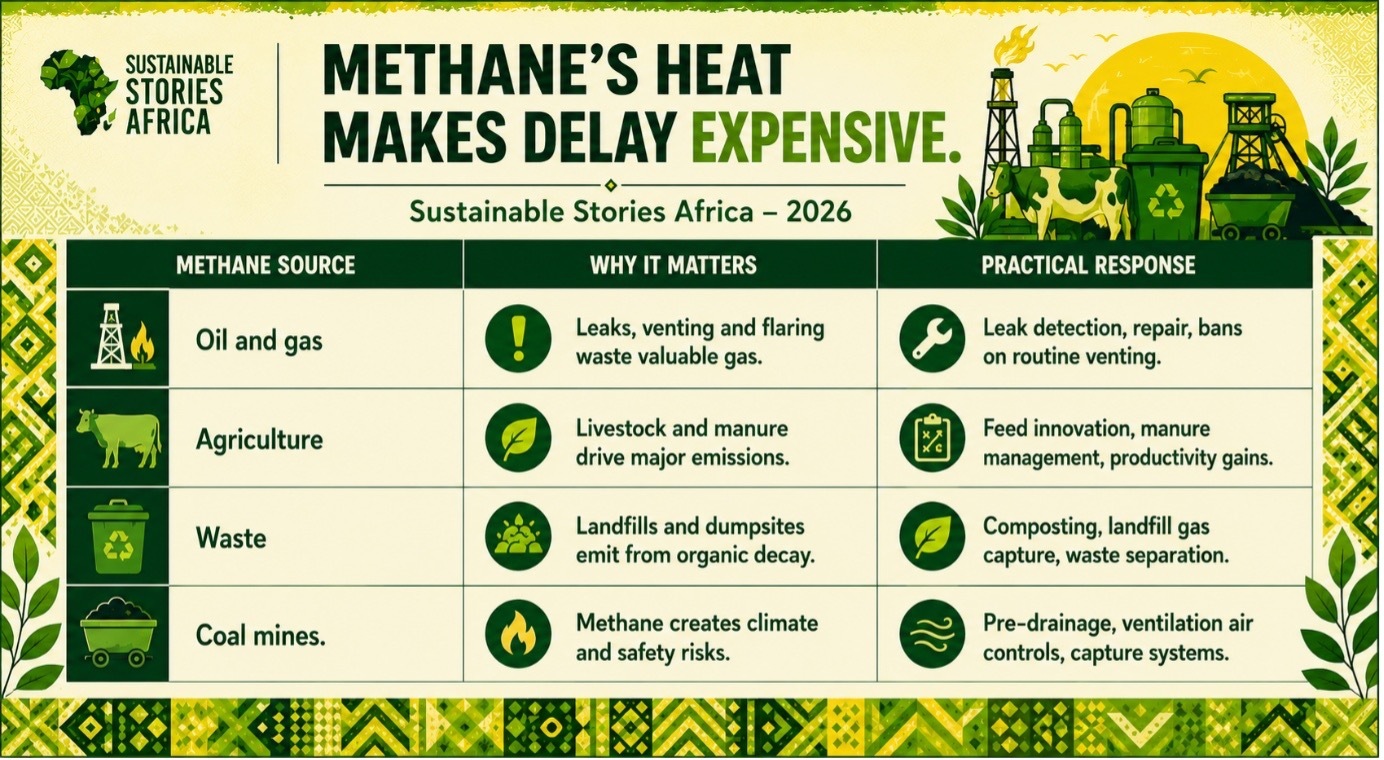
- Oil and gas leaks require regulation and detection.
- Agriculture requires livestock and manure solutions.
- Waste needs organic waste diversion and landfill controls.
- Coal mines require safety-linked methane capture and mitigation.
Four Sectors Define The Methane Challenge
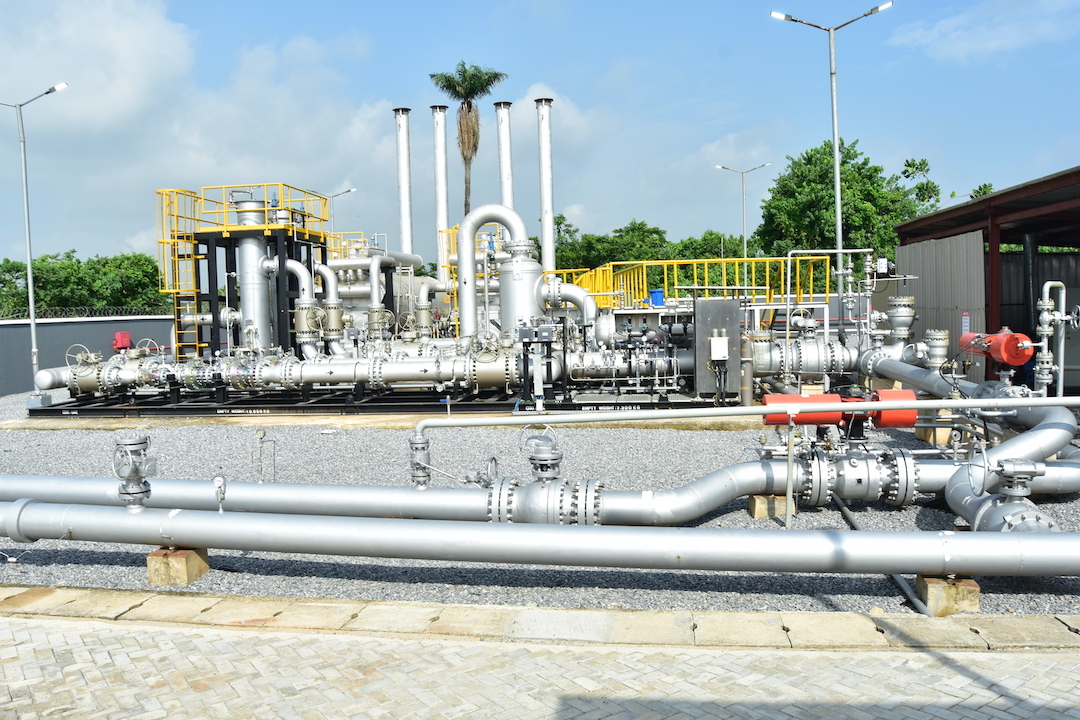
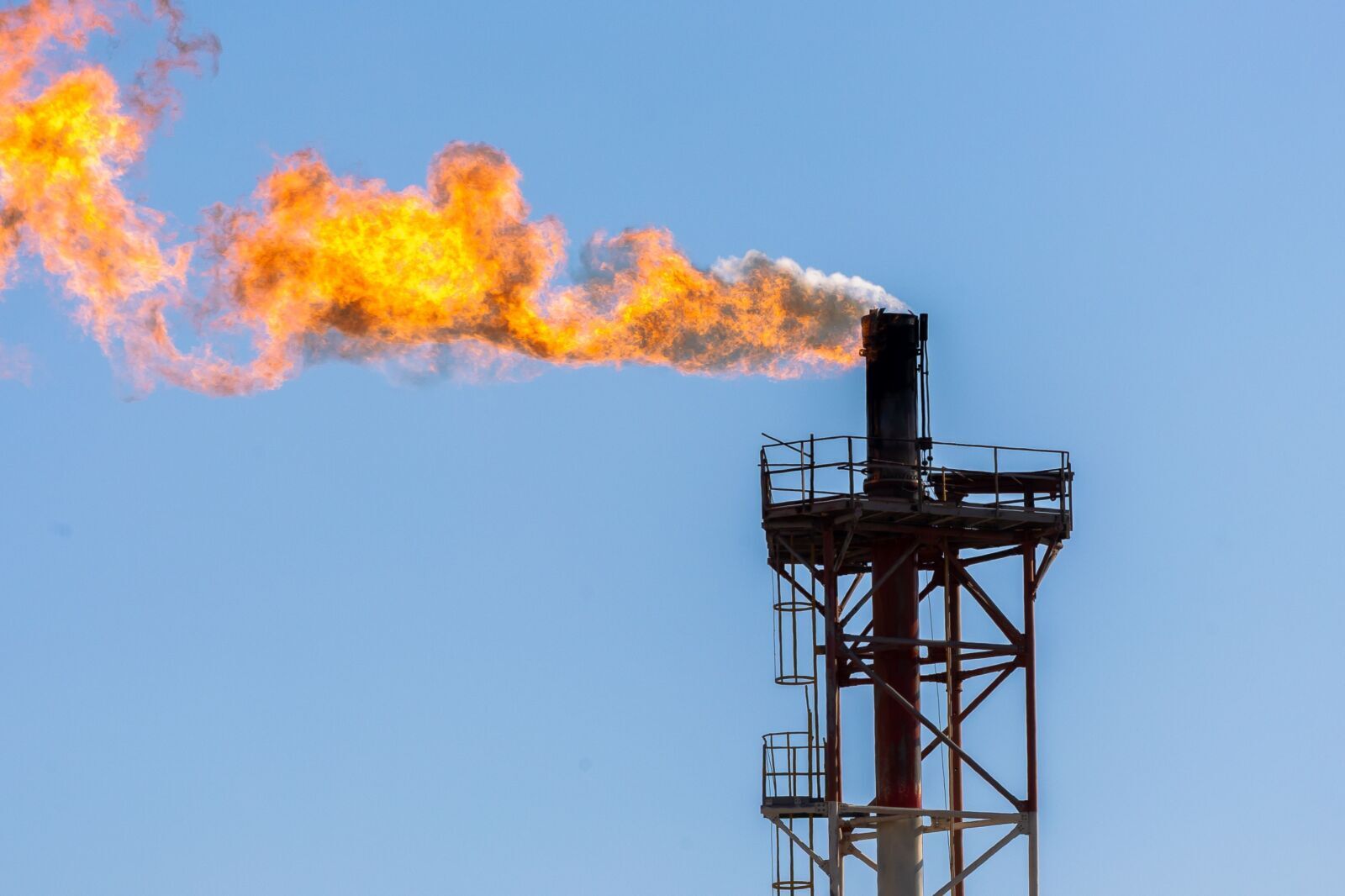
Oil and gas remain the most immediate opportunity because much of the methane released can be detected, captured and sold. CATF’s oil and gas work focuses on making methane reductions a matter of clean air law, regulation and industry practice.
- For countries such as Nigeria, Angola, Algeria, Egypt and Mozambique, this links climate policy to energy efficiency and revenue protection.
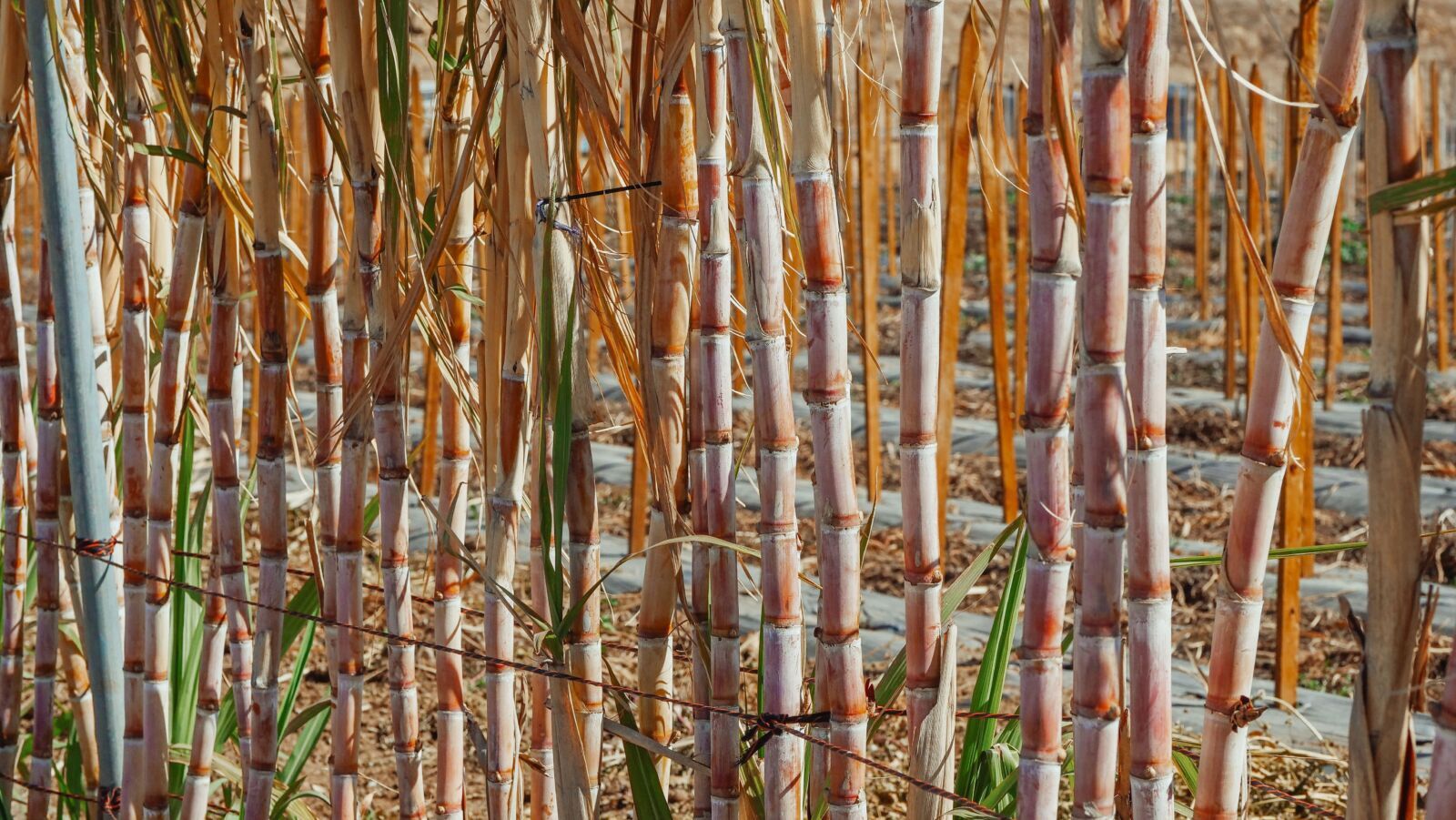
Agriculture is harder because it is embedded in livelihoods. CATF notes that livestock emissions, especially enteric and manure emissions, account for 80% of agricultural methane.
- For African farmers, mitigation cannot mean punishing food producers. It must mean better productivity, improved animal health, feed innovation, manure use, and finance that helps smallholders adopt cleaner practices.
Waste is the urban methane frontier. CATF describes waste as the world’s third-largest source of human-caused methane, accounting for 20% of the global total.
- This matters in African cities where rapid population growth, food loss, informal dumping and weak municipal budgets are colliding.
Coal mine methane completes the picture. CATF works with countries on policies and technical strategies to reduce methane from coal mining.
- Underground mines are particularly important because ventilation systems release large volumes of low-concentration methane into the air.
Cleaner Methane Systems Create Real Value
The upside is not only climate protection. Methane cuts can improve public health, reduce fire and explosion risks, save gas, strengthen food systems and create new jobs in the waste sector.
- In oil and gas, methane controls can reduce pollution around host communities while improving operational efficiency.
- In agriculture, better manure management can reduce odour and pollution while supporting fertiliser substitution.
- In waste, organic waste diversion can create composting, recycling and biogas value chains.
- In coal, methane capture can reduce mine hazards and provide usable energy.
For investors, credible methane action also improves ESG quality. A company that measures methane, reports it transparently and reduces it systematically is better positioned for climate finance, export scrutiny and sustainability-linked lending.
Regulation Must Now Meet Implementation
The next step is execution.
- Governments need methane inventories that are specific enough to guide action, not broad estimates that hide sector realities.
- Regulators should require measurement, reporting and verification from high-emitting sectors, especially oil and gas, landfills and mining.
Companies should move from voluntary pledges to operational controls.
- That means leak detection and repair programmes, satellite and drone monitoring where relevant, methane performance targets, board oversight and public disclosure.
Cities need waste strategies that reduce the amount of organic waste entering dumpsites and landfills.
Agriculture ministries need livestock methane plans that support farmers rather than impose unrealistic burdens.
Energy regulators must treat flaring, venting and fugitive emissions as governance failures, not unavoidable costs.
Path Forward – For Methane Accountability
Africa’s methane agenda should be practical: measure emissions, prioritise high-impact sources, regulate major emitters and finance solutions that improve livelihoods.
The fastest gains will come where climate action also solves everyday problems: cleaner cities, safer mines, better farms, less wasted gas and stronger public health.
Methane is not the whole climate fight, but it may be the quickest win.