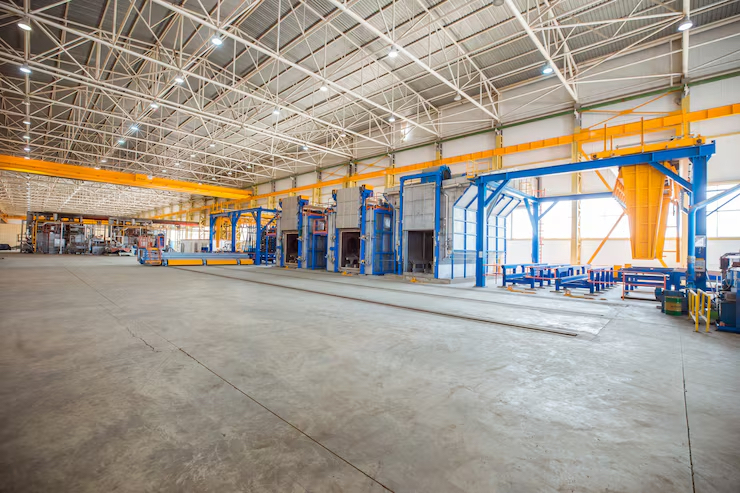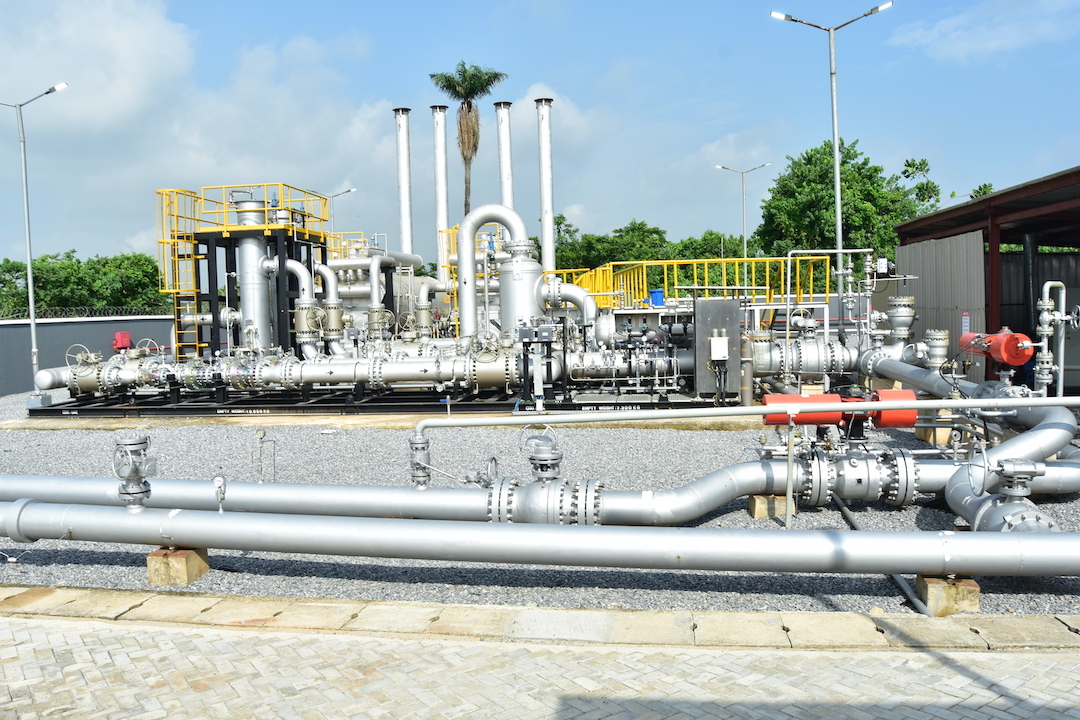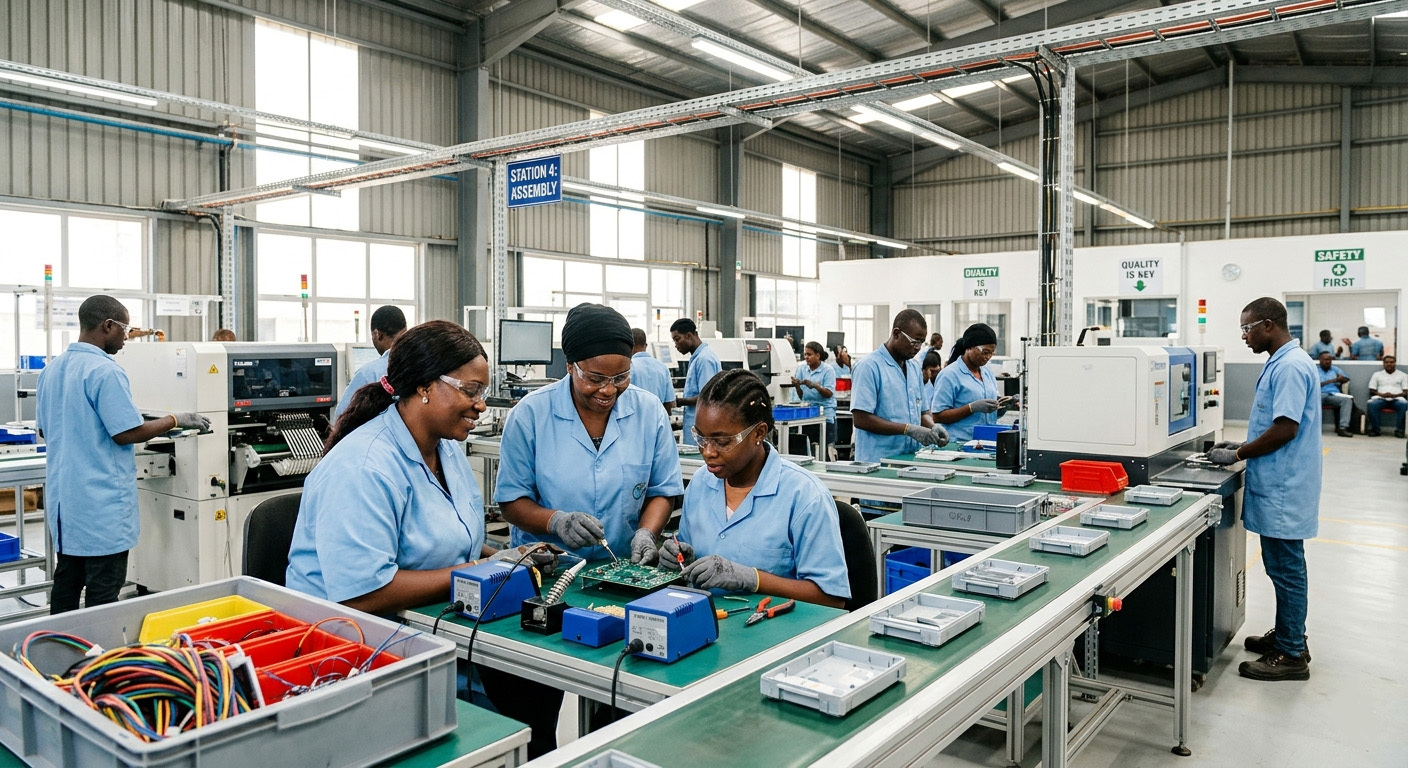
Nigeria’s 2025 Industrial Policy sets out a new framework to diversify the economy, strengthen manufacturing, expand exports, deepen finance and move production closer to national resources.
The bigger test is delivery: whether incentives, infrastructure, skills, green energy and subnational coordination can turn a resource-rich economy into a competitive industrial base.
Nigeria Reframes Growth Through Industrial Production
Nigeria has placed industrial policy back at the centre of its economic transformation agenda, with a 2025 framework designed to reduce oil dependence, expand manufacturing, strengthen priority sectors and position the country as a competitive production hub in Africa.
The Nigeria Industrial Policy, published by the Federal Ministry of Industry, Trade and Investment, is framed as a national roadmap for diversification, inclusive prosperity, sustainable production and export competitiveness.
It identifies priority sectors, reforms, incentives, financing mechanisms and institutional structures required to shift Nigeria from raw-material dependence to higher-value manufacturing.
For manufacturers, MSMEs, investors and workers, the policy speaks to a familiar problem: Nigeria has scale, talent, resources and demand; however, weak power, expensive finance, dependence on imported inputs, infrastructure deficits and policy fragmentation continue to raise production costs.
Industrialisation Becomes Nigeria’s Urgent Imperative
“Industrialisation is not an aspiration; it is an imperative,” the policy’s foreword declares. That line captures the central message of the document: Nigeria can no longer rely on exporting raw materials while importing finished goods, jobs and industrial capability.
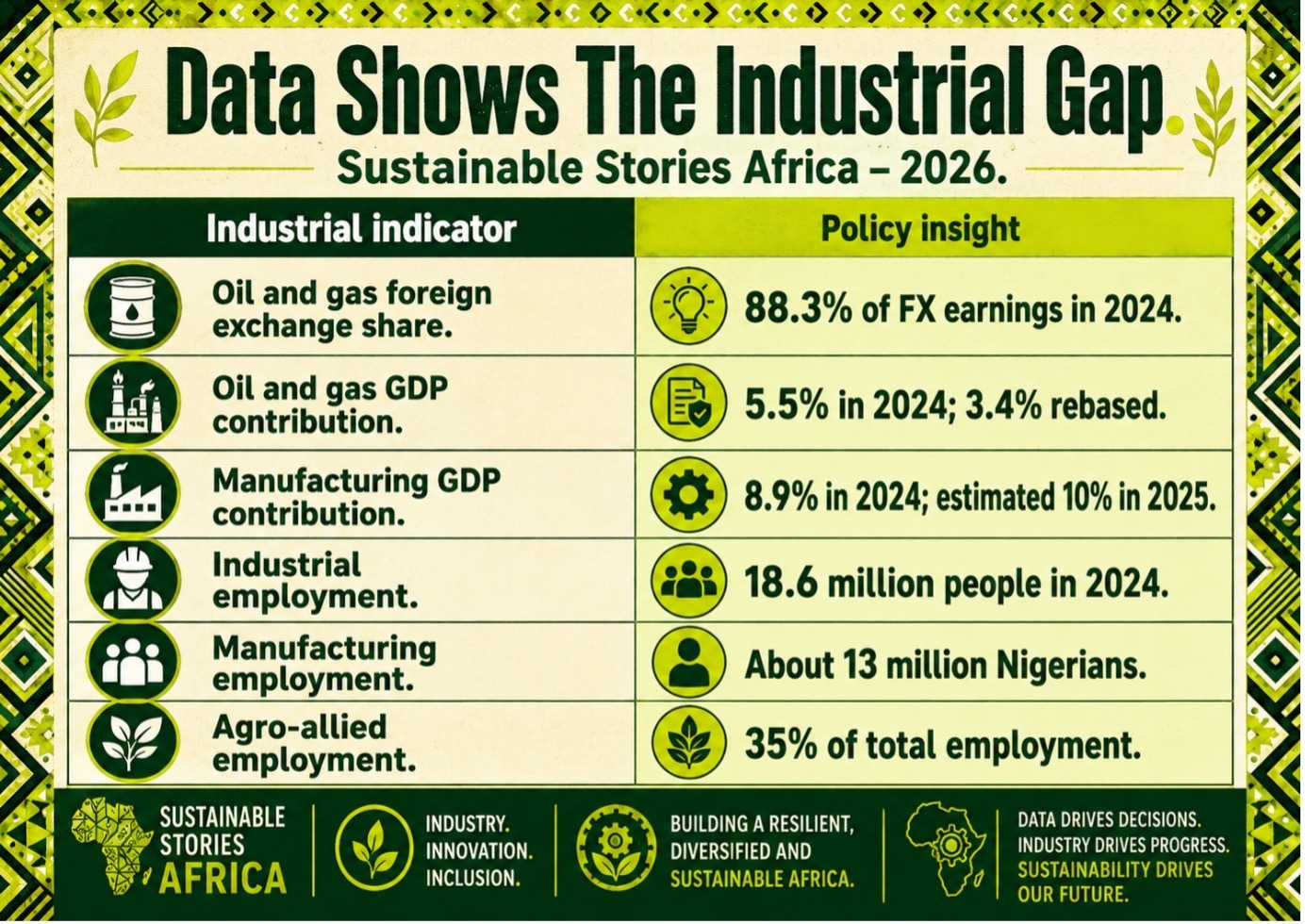
The urgency is visible in the numbers. The policy says oil and gas accounted for 88.3% of Nigeria’s foreign exchange earnings and 5.5% of GDP in 2024, or 3.4% on a rebased basis.
Manufacturing contributed 8.9% of GDP in 2024, estimated to rise to 10% in 2025, while the broader industrial sector employed 18.6 million people in 2024.
This is the contradiction the policy is trying to resolve. Nigeria has one of Africa’s largest consumer markets, a young workforce, mineral deposits, energy resources, an expanding digital economy and major agro-industrial potential.
However, its industrial base still struggles to convert those advantages into globally competitive products.
The policy, therefore, lands as both an economic document and a governance test. It is not simply asking what Nigeria can produce.
It asks whether the country can align finance, infrastructure, regulation, skills, standards, technology and sustainability around a credible production strategy.
Data Shows The Industrial Gap
Nigeria's industrial agenda is anchored in Agenda 2050's upper-middle-income target and the National Development Plan's 4.6% growth, 35 million poverty-exit, and 21 million job goals. Manufacturing — 9% of GDP, 13 million jobs across food, cement, textiles, pharma, and auto — is the engine. Agro-allied industry, averaging 25% of GDP (27% rebased) and 35% of employment, feeds the value chains.
The constraints are structural and unflinching: high funding costs, foreign-exchange volatility, expensive inputs, power and water deficits, poor roads, obsolete equipment, weak quality infrastructure, and a ₦26.8 trillion import bill in 2024 reflecting entrenched consumer preference for foreign goods.
For factory owners in Aba, Kano, Lagos, Nnewi, and Ogun, these are not macro abstractions. They are diesel bills, delayed shipments, rejected exports, costly machinery, inconsistent certification, and working-capital squeezes. The policy's value is in naming the lived reality of industrialists — and insisting that national ambition must be measured against the conditions on their shop floors.
Desire: Priority Sectors Offer Productive Opportunity
The policy’s strongest proposition is that Nigeria’s industrial future must be sector-driven.
It sets out targeted pathways for agro-allied industries, solid minerals and metals, oil and gas downstream, chemicals, pharmaceuticals, automotive, electrical and electronics, ICT hardware, energy industries, fisheries and aquaculture.
This matters because broad industrial slogans rarely deliver transformation. Countries industrialise by choosing value chains, removing constraints, improving productivity and building market access.
Nigeria’s policy looks to do that by linking sector strategy to finance, standards, innovation, incentives and trade agreements.
- In oil and gas, the policy sees downstream processing as a route to energy security, foreign exchange savings and regional exports.
It cites the Dangote Refinery’s 650,000-barrel-per-day capacity, expected job creation of more than 100,000 direct and indirect jobs, and potential savings of over $5 billion annually in foreign exchange.
- In mining, the policy points to a major gap between mineral potential and economic contribution.
It says mining’s contribution rose from N400 billion, or 0.33% of GDP, in 2015 to N4.4 trillion, or 5.54%, in 2024, as it targets 8% by 2030 and 10% by 2035.
It also notes that mineral production increased 39.19% in 2021, from 64.29 million tons in 2020 to 89.48 million tons.
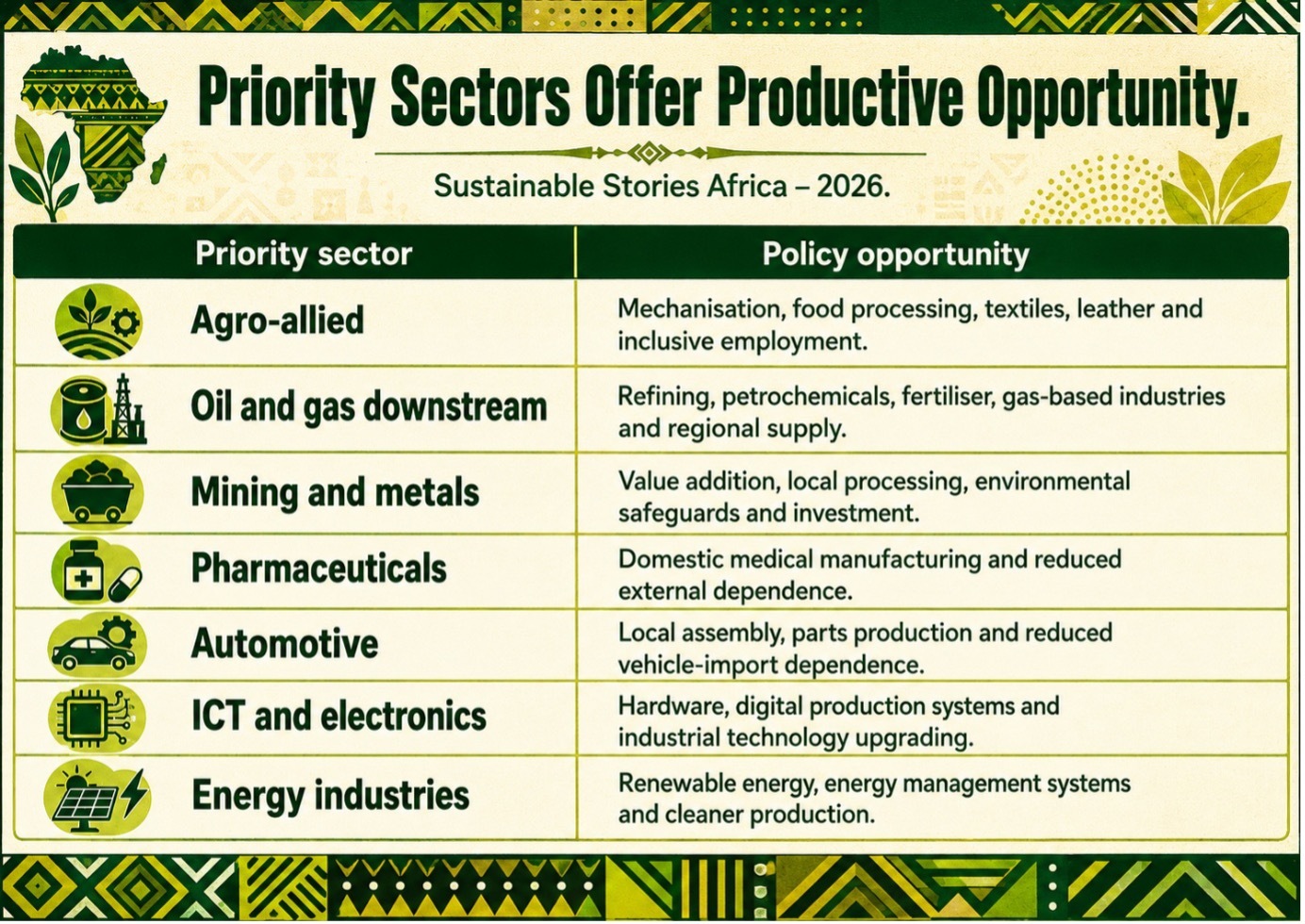
The social promise is clear: jobs, local enterprise growth, export earnings, stronger supply chains and less dependence on imported finished goods.
The ESG promise is equally important.
- The policy mainstreams circular economy principles, clean technologies, renewable energy adoption and eco-industrial parks so that industrial expansion does not “mortgage the future.”
If implemented well, this could make the Nigerian industry cleaner and more competitive at the same time, especially as global buyers, lenders and regulators increasingly demand traceable, low-carbon and standards-compliant production.
Delivery Requires Finance, Standards, and Power
Nigeria’s industrial policy recognises that ambition without finance is fiction.
It proposes recapitalising the Bank of Industry, scaling sectoral intervention funds, mainstreaming MSME credit guarantees, introducing interest-drawback schemes, expanding equity financing, and targeting up to 5% of GDP for industrial funding, backed by public-private partnerships.
Incentives span fiscal, monetary, export, and industrial levers, designed to lower production costs, deepen domestic resource use, build technical skills, and embed cleaner production.
However, incentives cannot substitute for systems.
The policy names the daily frictions: unreliable power, broken logistics, scarce patient capital, slow certification, weak local sourcing, inadequate industrial parks, and federal-state disconnects.
Its institutional response includes an Industrial Revolution Work Group, a National Industrial Development Monitoring System, subnational collaboration platforms, and an independent evaluation, accountability architecture, rather than just administration.
Subnational collaboration is the policy’s realist core.
The regulations governing factories, workers, land, corridors, and infrastructure are set by the states and local governments.
The Federal Ministry of Industry, Trade and Investment commits to capacity building, technical support, fiscal incentives, and joint monitoring with Lagos, Ogun, Kano, Kaduna, Abia, Anambra, Rivers, Delta, Akwa Ibom, Cross River, and other industrial states.
National objectives only materialise through local clusters, skills systems, land decisions, and investment pipelines.
The compact extends further: manufacturers must formalise and upgrade; financiers must design patient capital; regulators must cut friction without weakening safeguards; development partners must build capability, not just draft policy.
Industrialisation is a coordination problem, solved where the machines actually run.
Path Forward – Turn Policy Into Production
Nigeria’s industrial policy will be judged by factories, jobs, exports, cleaner production and stronger local value chains, rather than by the quality of the document alone.
Power, finance, standards, logistics and subnational execution must now move together.
The next task is disciplined implementation: publish scorecards, fund priority sectors, measure outcomes, support MSMEs and make incentives performance-linked.
That is how industrial ambition becomes inclusive, sustainable growth.