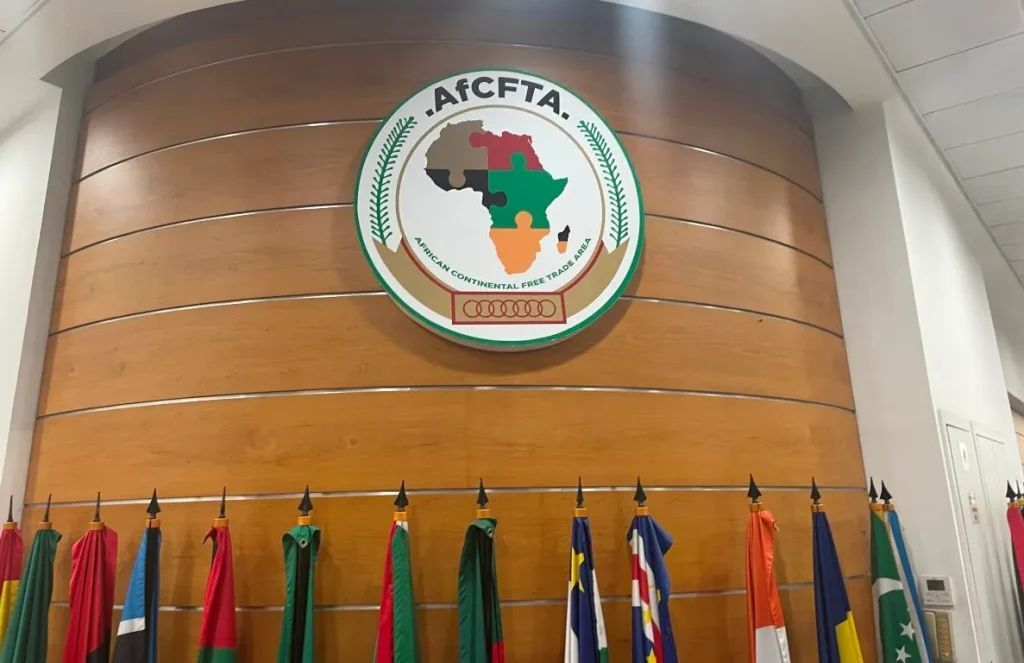
AfCFTA is opening a larger African market just as overseas buyers demand stronger carbon and supply-chain evidence.
The EU’s definitive Carbon Border Adjustment Mechanism began on January 1, 2026, raising the cost of weak emissions data.
Without finance and shared standards, smaller African firms risk exclusion from green value chains.
Trade Integration Meets A Carbon Deadline
Africa’s effort to build a single continental market has entered a new phase: tariff reduction alone will not secure competitiveness if producers cannot demonstrate how their goods were made.
As the African Continental Free Trade Area advances, carbon accounting, traceability and environmental performance are becoming part of the price of entry into major external markets.
The immediate signal comes from Europe.
- The European Union’s Carbon Border Adjustment Mechanism entered its definitive phase on January 1, 2026.
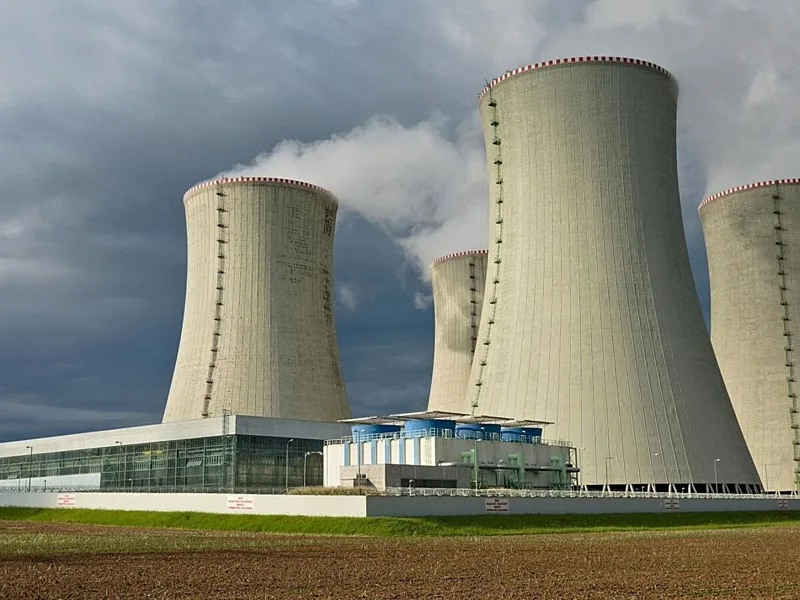
- It covers selected cement, iron and steel, aluminium, fertiliser, electricity and hydrogen imports.
EU importers above applicable thresholds must become authorised declarants, report embedded emissions and surrender certificates linked to the EU carbon price.
Weak Systems Could Become Trade Barriers
Africa begins this transition from a relatively small position in world commerce. African Sustainability Matters, citing the UN Economic Commission for Africa, reported that the continent represented about 2.8% of global merchandise trade in 2025, down from 5% in 1994, while its share of global manufacturing value added remained below 2%.
AfCFTA is meant to reverse that weakness by widening markets, lowering barriers and enabling regional value chains.
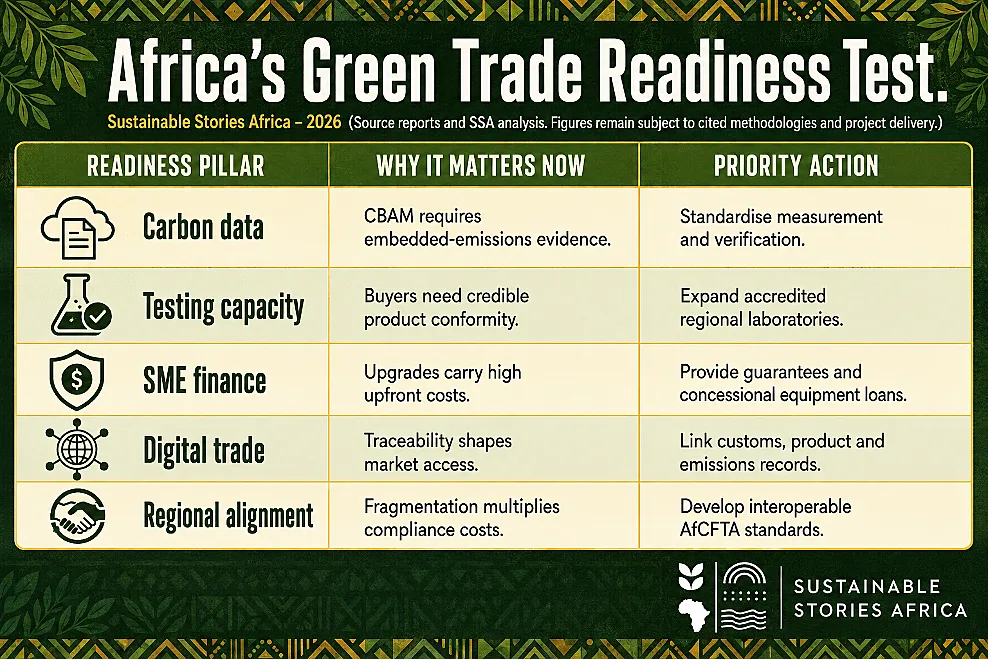
Green trade rules can support that ambition, but they can also expose capacity gaps. An exporter may produce lower-carbon steel or fertiliser and still lose business if it cannot measure emissions, trace inputs or provide verified records.
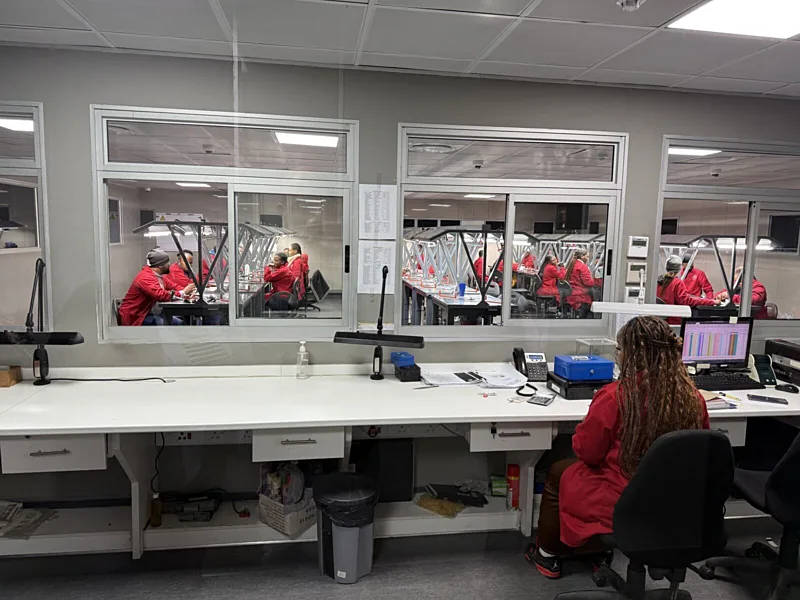
Laboratories, standards agencies, digital customs platforms and dependable environmental data are becoming productive infrastructure, just like roads, ports and electricity.
The burden will be greatest for small and medium-sized enterprises.
- Large companies can hire consultants, install monitoring systems and negotiate green finance.
- Smaller producers often face expensive credit, unreliable power and limited technical expertise.
If compliance support is absent, environmental rules could reinforce informality and concentrate export opportunity instead of upgrading African industry.
Green Compliance Can Drive Industrial Upgrading
The opportunity is to treat compliance spending as industrial investment.
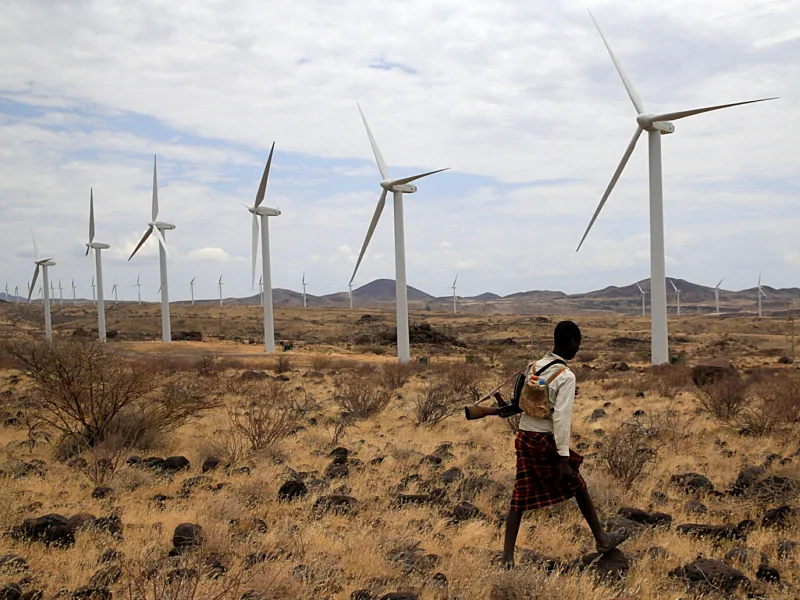
- Renewable power, efficient motors, cleaner heat, circular production and better logistics can reduce exposure to volatile fuel costs while improving eligibility for international contracts.
- Shared regional rules could also reduce duplication for companies trading across several African markets.
Technology can lower verification costs.
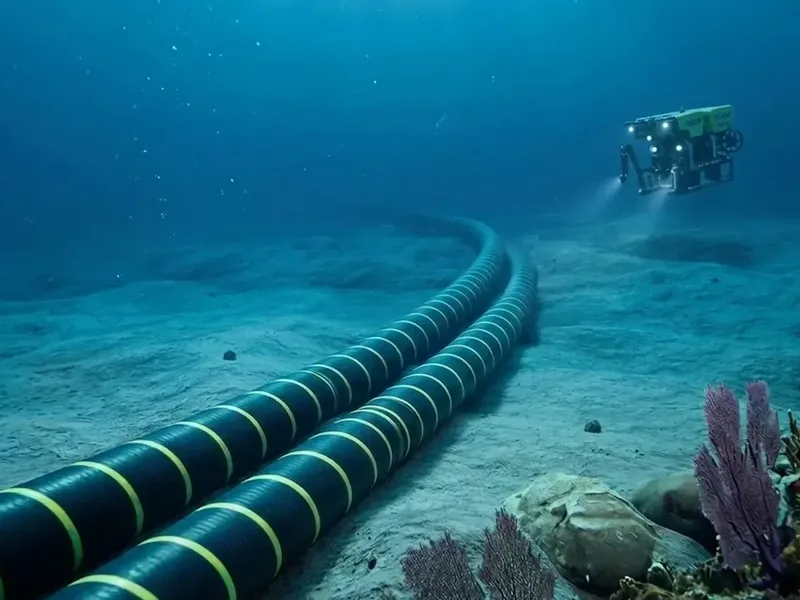
- Digital product records, satellite monitoring and traceability platforms can reveal where materials originate and how emissions accumulate.
However, these tools depend on electricity, connectivity, skills and trusted governance.
- A blockchain cannot correct bad primary data, and an emissions dashboard does not replace an accredited laboratory.
Done well, the green transition can deepen regional value chains.
- African minerals could be processed using cleaner electricity; agricultural products could be traced through climate-resilient supply chains; and manufacturers could sell intermediate goods across AfCFTA markets before reaching global buyers.
The gain is not simply more trade, but more value retained on the continent.
Finance – The Firms Facing New Rules
Governments should align trade, industry and climate policy around sector-specific transition plans.
Development banks and commercial lenders can provide concessional equipment finance, guarantees and technical assistance for smaller firms.
Standards bodies should publish common measurement methods and create affordable testing and verification services near industrial clusters.
African negotiators should also push for interoperability and proportionality in global rules, while avoiding a defensive race to weaker standards.
Exporters need practical guidance on current obligations, including the EU timetable: emissions from 2026 imports feed the first annual CBAM declarations, and certificate surrenders due by September 30, 2027.
Preparation cannot wait for that filing date.
Path Forward – Turn Green Compliance Into Continental Competitiveness
The AfCFTA’s next implementation test is whether environmental capability becomes shared infrastructure rather than a private advantage for the largest firms.
Regional carbon data, accredited verification and affordable transition finance should be built into trade facilitation.
If African institutions coordinate early, green rules can accelerate the growth of cleaner industry and higher-value exports.
If they do not, fragmented compliance systems may become the next border, one that tariff schedules alone cannot remove.