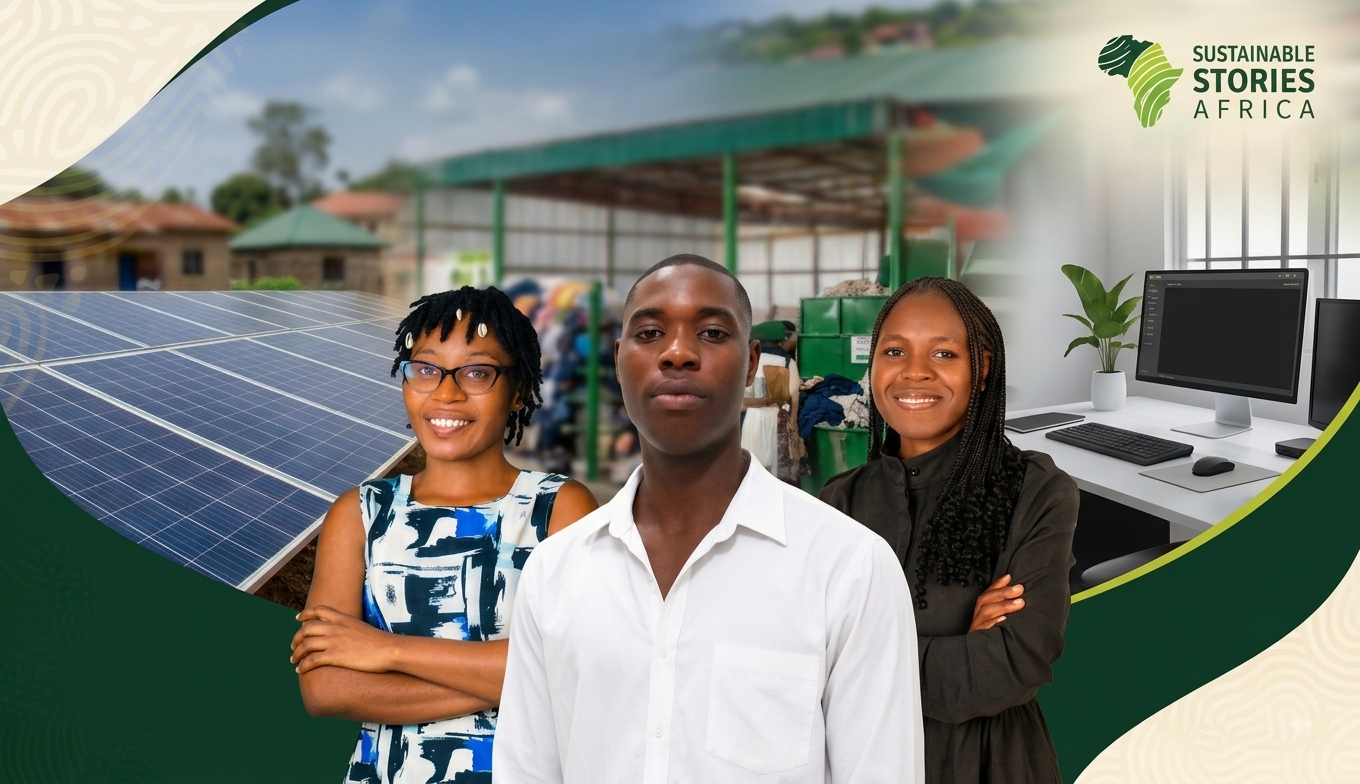
ClimateLaunchpad Nigeria 2026 has selected three innovators to represent the country at the regional finals.
Their solutions connect urgent challenges involving waste, energy access, agricultural productivity and water pollution.
The finalists show how locally developed ideas can create jobs, strengthen communities and advance Africa’s low-carbon transition.
Three Nigerian Climate Innovators Reach Regional Finals
Three Nigerian climate innovators have emerged from the ClimateLaunchpad Nigeria 2026 National Finals, earning the opportunity to represent the country at the Regional Finals.
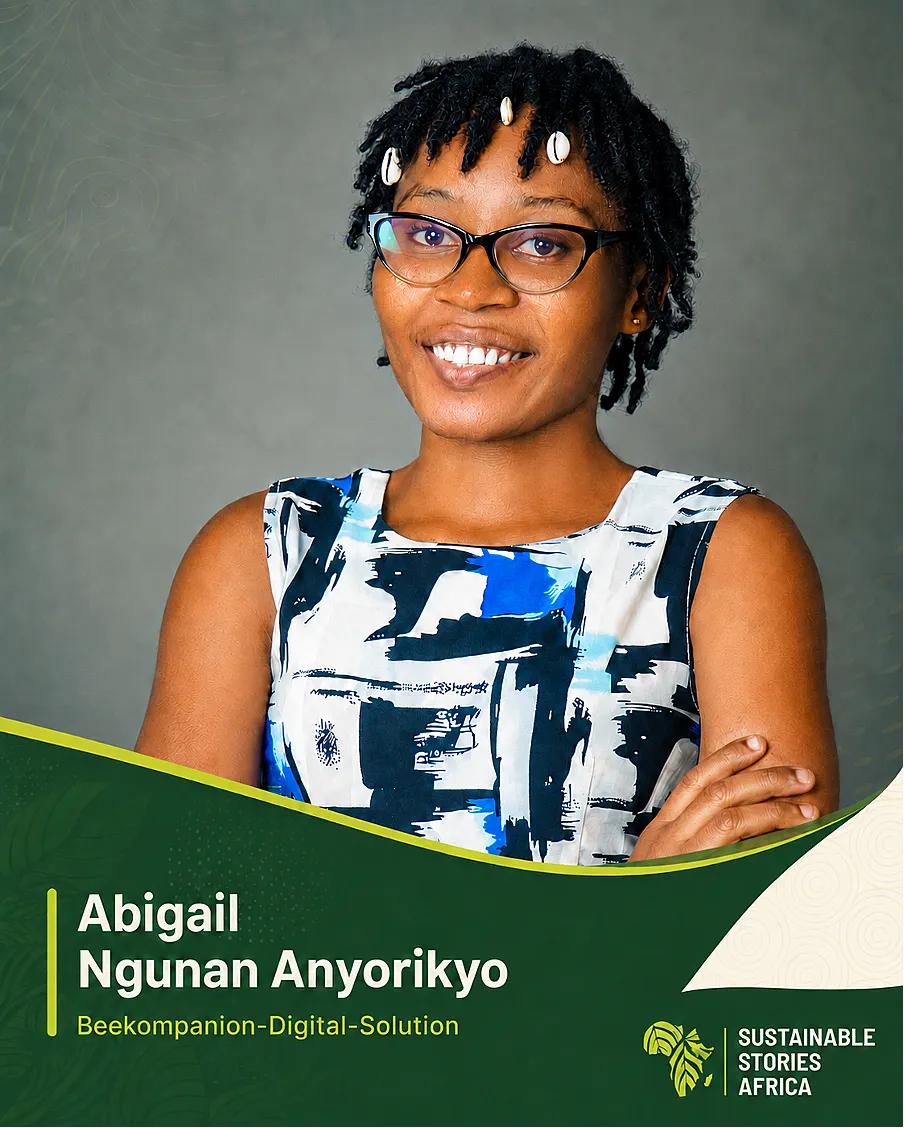
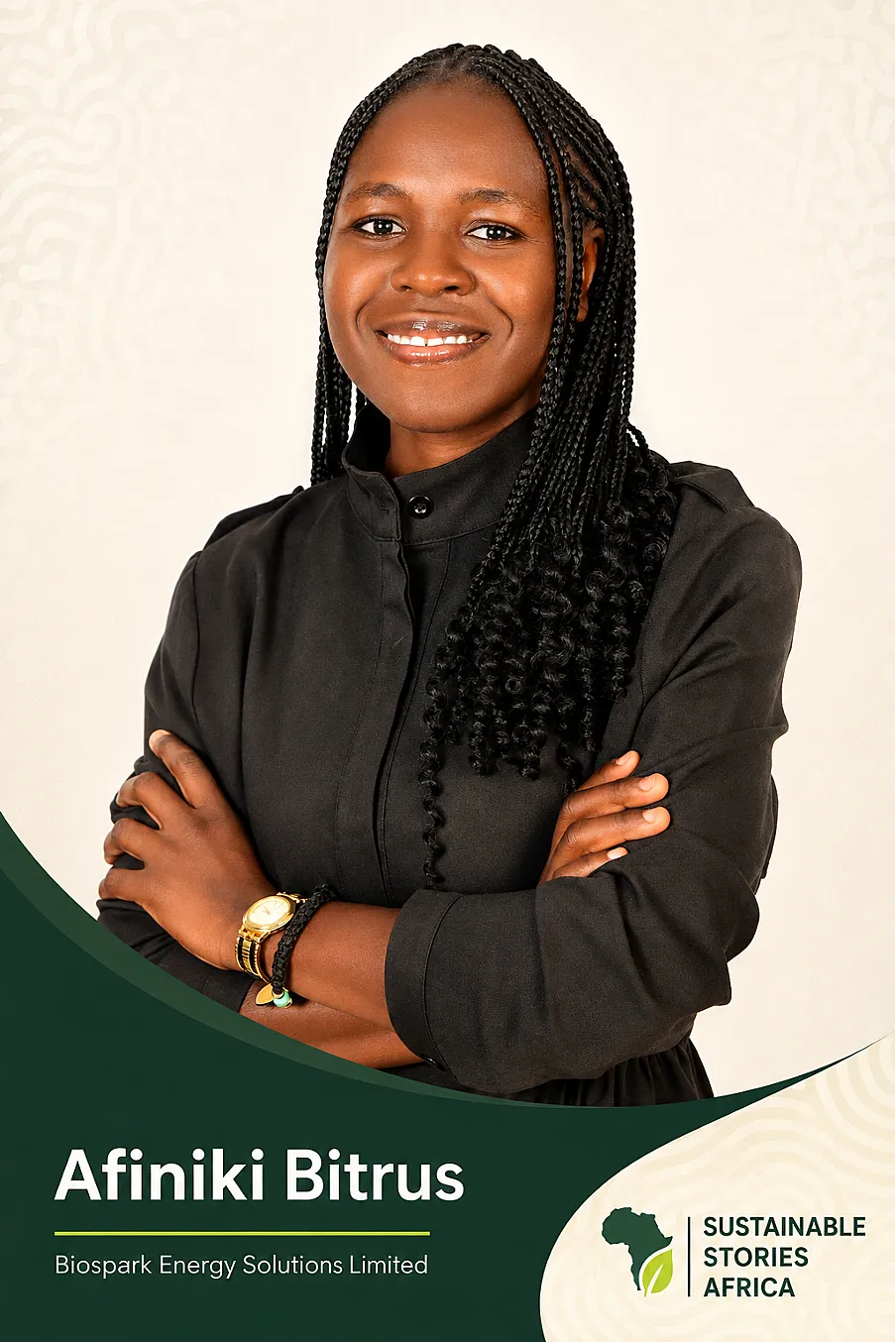
The finalists are Bitrus Afiniki of Myha-Biospark Energy Solutions Limited, Abigail Ngunan Anyorikyo of Beekompanion Digital Solution, and Ayodele Oluwatayo Michael of Unithread Ecohusk.
 |  |  |
Their businesses address three interconnected challenges facing African communities: unreliable access to clean energy, vulnerable agricultural livelihoods and pollution from industrial and agricultural waste.
Together, their ideas demonstrate how climate entrepreneurship can move beyond broad commitments and produce practical solutions for households, farmers, beekeepers and manufacturers.
The national competition has now concluded, but the finalists’ journey continues as they prepare to compete at the next stage of ClimateLaunchpad, a platform designed to identify and support promising green businesses.
From Waste Streams To Smarter Hives
The three finalists represent different pathways into the climate economy.
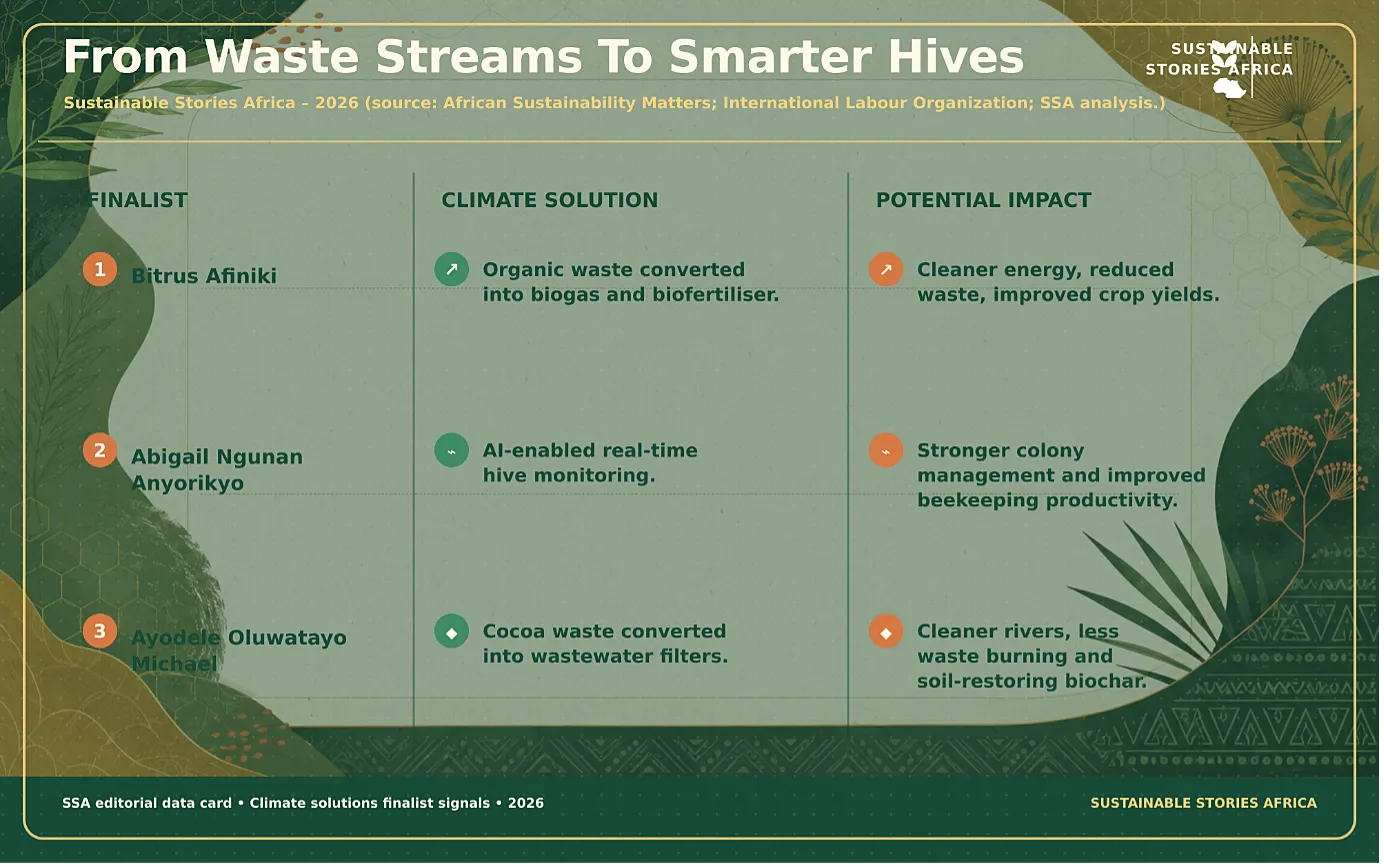
Myha-Biospark Energy Solutions Limited, led by Bitrus Afiniki, develops systems that convert organic waste into biogas and biofertiliser.
The model addresses two problems at once: waste accumulation and dependence on firewood and charcoal.
By processing organic waste into energy, the solution can help reduce emissions while improving access to cleaner cooking and household energy.
The resulting biofertiliser can also support crop yields, giving farmers an alternative to relying exclusively on costly or carbon-intensive inputs.
For communities where energy poverty and poor waste management exist, this approach has a direct practical appeal.
Waste becomes an input, clean energy becomes more available and agricultural productivity can benefit from the same system.
Beekompanion Digital Solution, founded by Abigail Ngunan Anyorikyo, applies digital tools to beekeeping.
The platform integrates real-time hive monitoring with artificial intelligence-powered analytics, enabling beekeepers to track colony health, environmental conditions and hive productivity remotely.
That matters in an industry where changes in temperature, moisture, pests and colony behaviour can determine whether a beekeeper earns income or suffers a loss.
Better information can allow producers to respond earlier, manage their hives more efficiently and improve yields.
Ayodele Oluwatayo Michael’s Unithread Ecohusk takes a circular approach to cocoa waste.
The venture upcycles cocoa byproducts into activated charcoal filters for textile dye wastewater.
Textile production can generate polluted wastewater, while agricultural waste is often burned or left to decompose.
Unithread Ecohusk links the two challenges by using one waste stream to help treat another.
After use, the spent carbon can return to farms as biochar, supporting soil restoration.
Circular Solutions Turn Local Problems Into Opportunity
The significance of the finalists lies not only in the technologies they have developed, but also in the problems they have chosen to solve.
Across Africa, climate action is often discussed in terms of infrastructure, finance and national targets.
However, the transition will also depend on businesses that understand local conditions: the farmer managing unpredictable seasons, the household choosing between charcoal and more expensive alternatives, the beekeeper working without reliable field data, or the manufacturer seeking a lower-cost way to treat wastewater.
These innovators offer models that can create value while reducing environmental harm.
Their solutions could support new income streams, improve resource efficiency and strengthen resilience in communities exposed to rising climate and economic pressures.
The opportunity is substantial, but so are the risks of underinvestment.
Without access to patient capital, technical assistance, testing facilities and reliable markets, promising climate ventures can remain trapped at the pilot stage.
That would mean lost jobs, continued pollution and fewer locally owned businesses participating in Africa’s green transition.
The regional finals therefore represent more than a competition.
They are a test of whether African climate innovations can attract the partnerships and investment needed to become commercially viable and socially impactful.
Invest Behind Ideas Before They Scale
The next step should be coordinated support from investors, policymakers, development organisations and private-sector buyers.
Financiers should assess these ventures not only by traditional short-term returns, but also by their potential to reduce emissions, improve livelihoods and create resilient local markets.
Public institutions can help by simplifying regulatory pathways, supporting demonstration projects and making climate procurement more accessible to early-stage businesses.
Large companies also have a role to play. Textile manufacturers, agricultural processors, energy distributors and food producers can become customers, testing partners or strategic investors for solutions that address operational and environmental challenges.
For citizens and communities, the message is equally important: climate innovation does not always arrive in the form of a large infrastructure project.
It can emerge from waste, farms, hives and small enterprises when entrepreneurs are allowed to experiment and grow.
Path Forward – Regional Competition Must Become National Momentum
ClimateLaunchpad Nigeria’s three finalists now carry the country’s hopes to the Regional Finals.
Their progress should be matched by stronger support for the wider ecosystem of African climate entrepreneurs.
The priority is to connect innovation with finance, policy, technical expertise and market access.
Doing so can turn promising ideas into scalable businesses that advance emissions reduction, circular production, energy access and inclusive economic growth.