Six weeks into delivery, 50 competitively selected participants are moving from aspiration towards technical competence, enterprise thinking and industry exposure.
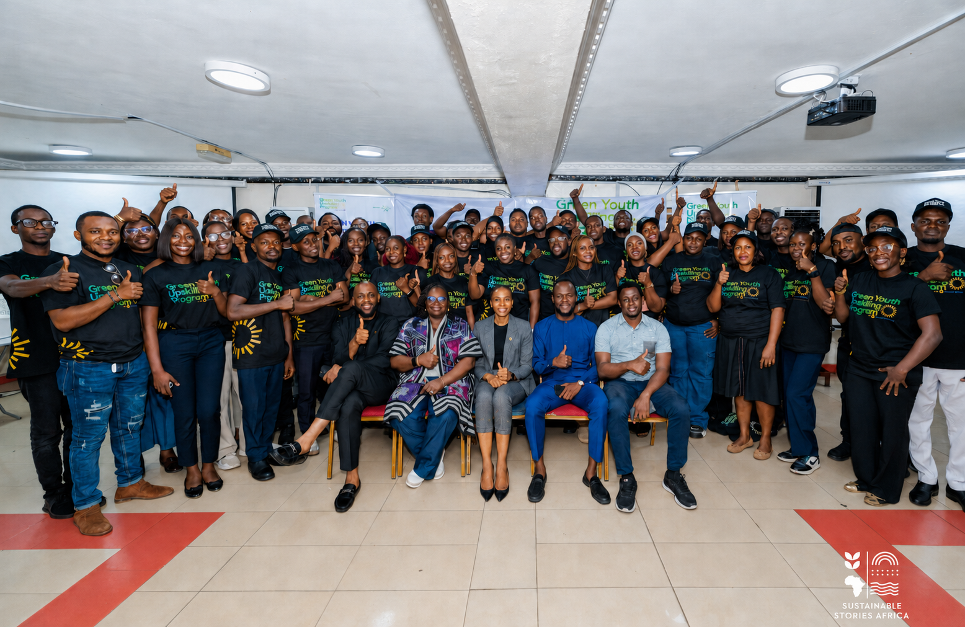
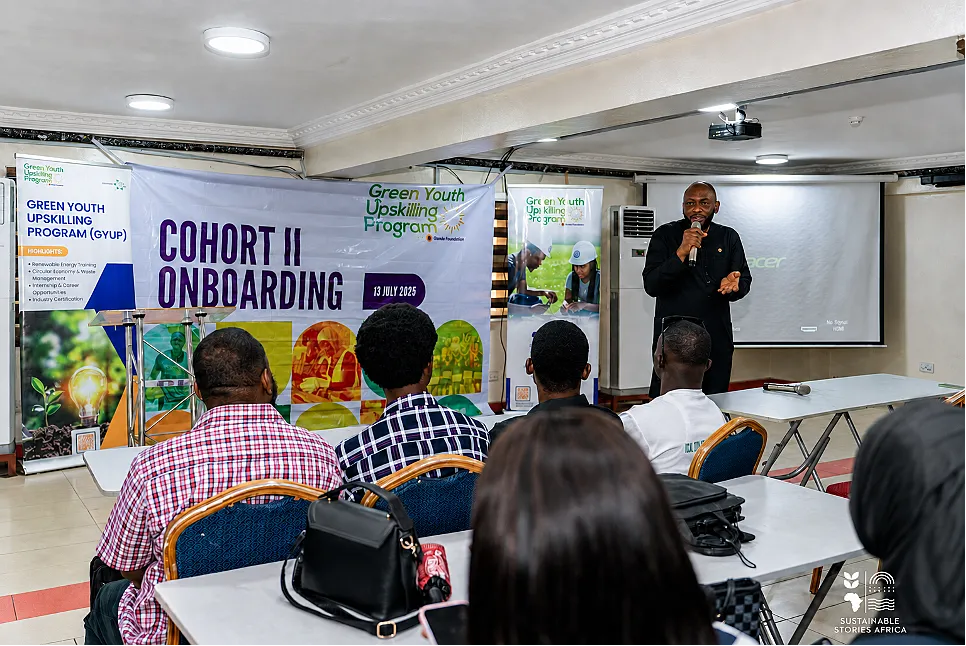
50 young Nigerians, selected from more than 10,000 applicants, are six weeks into Cohort II of the Green Youth Upskilling Programme implemented by the Nigeria Climate Innovation Centre.
The six-month pathway pairs technical instruction and business development with an industry internship, translating climate ambition into employable capability.
Its test is whether highly competitive entry produces lasting jobs, viable green enterprises and community-level climate solutions.
Fifty Young Nigerians Enter Green Economy Pipeline
Only 50 made the cut. From more than 10,000 applications, a select group of young Nigerians is now six weeks into Cohort II of the Green Youth Upskilling Programme (GYUP), an NCIC-implemented workforce initiative designed to turn interest in climate action into practical green-economy capability.
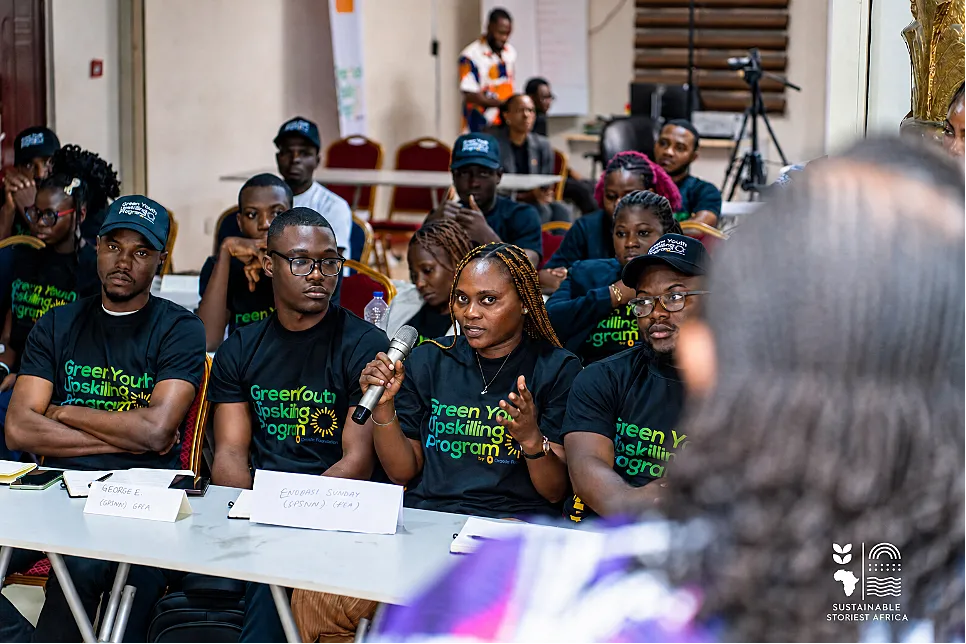
The cohort is undertaking a six-month pathway: three months of intensive technical training followed by three months of industry internship.
Business development classes are held on Mondays, while technical sessions run on Tuesdays and Thursdays, creating a weekly rhythm that links enterprise thinking with hands-on competence.
The programme was initiated by Oando Foundation and is implemented by the Nigeria Climate Innovation Centre (NCIC). Its significance lies in the bridge it looks to build between Nigeria’s large pool of ambitious young people and the skills demanded across renewable energy, waste management and green enterprise development.
Six Weeks Turn Selection Into Practical Learning
The numbers reveal both opportunity and pressure. Selecting 50 people from more than 10,000 applications means fewer than one in 200 applicants secured a place, a rate below 0.5%.
That intensity of demand suggests that green skills programmes remain far smaller than the appetite for them.
| Programme signal | Current position | Why it matters |
| Applications | More than 10,000 | Shows strong demand for structured entry into Nigeria’s green economy. |
| Cohort size | 50 participants | Doubles the pilot intake of 25 but remains highly selective. |
| Delivery status | Six weeks completed | Provides an early checkpoint; employment outcomes are not yet due. |
| Learning model | 3 months training + 3 months internship | Connects classroom knowledge with workplace exposure. |
| Weekly cadence | Business Mondays; technical Tuesdays and Thursdays | Builds commercial and technical capability in parallel. |
Source: GYUP Cohort II programme brief; Oando Foundation programme reporting; SSA analysis.
GYUP’s pilot began in 2025 with 25 participants and a nine-month structure. At its close-out, 10 participants received a combined N20 million in seed grants.
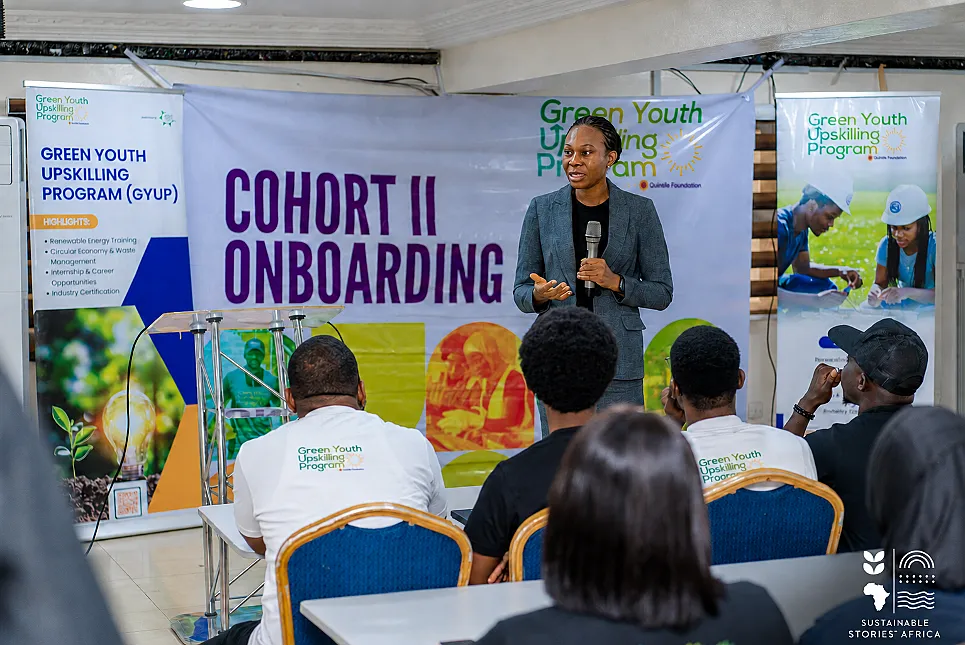
Cohort II therefore begins with both a proof point and an accountability question: can the expanded programme reproduce enterprise outcomes while converting internships into credible career pathways?
NCIC Chief Executive Bankole Oloruntoba captured the programme’s logic at the pilot launch: “To build a thriving green economy, we must invest in the right skill sets, technical, entrepreneurial, and climate-focused.”
Skills Can Become Jobs, Ventures And Resilience
For participants, the value is practical.
- A trainee who can install and maintain clean-energy systems, design a viable recycling service or explain a climate solution to an investor moves closer to earning an income and solving a local problem.
- For employers, the internship phase offers a lower-risk route to assess talent in real operating environments.
The wider stakes are global. The UN-led Green Jobs for Youth Pact is working towards one million new green jobs for young people and supports 10,000 young green entrepreneurs by 2030.
Nigeria’s contribution will depend on whether programmes such as GYUP can combine access, technical quality, decent-work safeguards and post-training finance.
- If that chain holds, 50 trainees can become technicians, founders and peer mentors.
- If it breaks after classroom delivery, the programme risks producing certificates without durable livelihoods, an outcome that neither participants nor Nigeria’s climate transition can afford.
Training Must End In Measurable Opportunity
The next phase should be judged by evidence: training completion, competency assessments, internship placements and retention, jobs secured, ventures launched, incomes improved and the participation of women and underserved groups.
NCIC, Oando Foundation, host companies and financiers should publish these outcomes and use them to refine future cohorts.
Employers must treat internships as talent pipelines, not short-term labour. Financial institutions and enterprise-support organisations should prepare appropriately structured grants, working capital and mentorship for viable participant ventures.
Policymakers can help by aligning green-skills curricula with national employment, energy transition and circular-economy priorities.
Path Forward – From Classroom Momentum To Green Careers
Over the remaining programme period, priority should move from attendance to demonstrated competence, safe industry exposure and transparent outcome tracking.
Each participant needs a credible route into employment, entrepreneurship or further technical certification.
For NCIC and its partners, the promise is greater than one cohort: build a repeatable green-talent pipeline that advances decent work, climate resilience and inclusive growth.
Cohort II’s success will be measured by what participants can build, improve and sustain after training ends.