Ethiopia is developing regulations and institutions for a possible civilian nuclear power programme.
Draft rules cover licensing, inspections, safeguards, hazards and emergency response, with international cooperation from US and Russian regulators.
The long-term test is whether Addis Ababa can combine safety, affordability and public trust while diversifying a hydropower-heavy grid.
Nuclear Ambition Starts With Institutions First
Ethiopia is strengthening the legal and regulatory foundations for civilian nuclear power, signalling that Addis Ababa sees governance capacity as the first step in a long-term effort to diversify electricity supply.
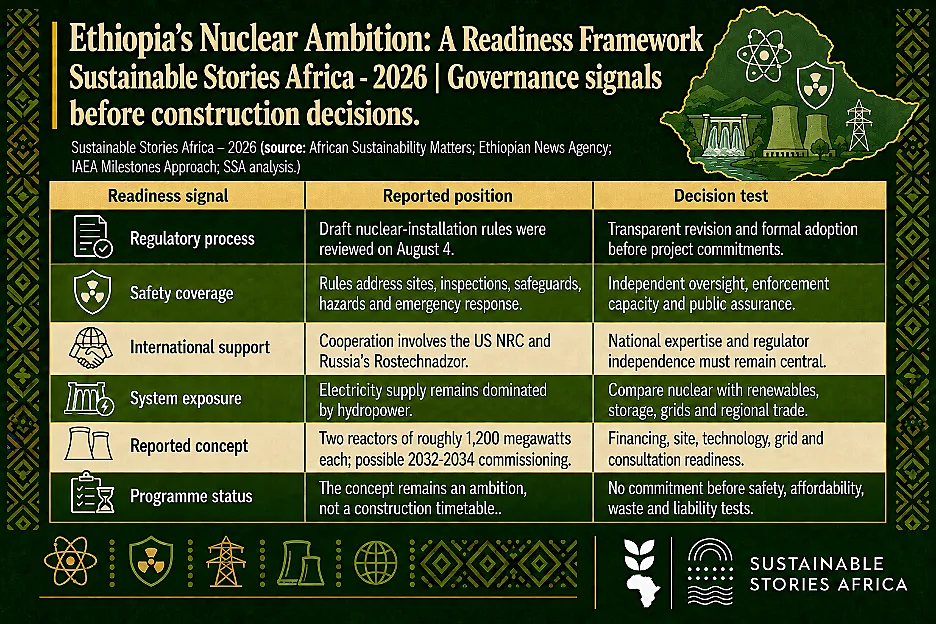
The Ethiopian Technology Authority convened government agencies, professional associations and international partners in Addis Ababa on August 4 to review draft rules for nuclear installations.
Director-General Solomon Getachew said the country is developing human resources, licensing protocols, inspection procedures and enforcement mechanisms in line with international standards.
The draft regulations cover site selection, environmental and public-safety safeguards, natural and human-made hazards and emergency response.
Feedback from the consultation is expected to inform revisions before formal adoption.
Hydropower Strength Creates Climate Exposure Too
Ethiopia’s electricity system is dominated by hydropower, including the Grand Ethiopian Renaissance Dam and other large projects.
That foundation provides low-carbon electricity, but dependence on rainfall and river flows exposes generation to drought and wider hydrological variability.
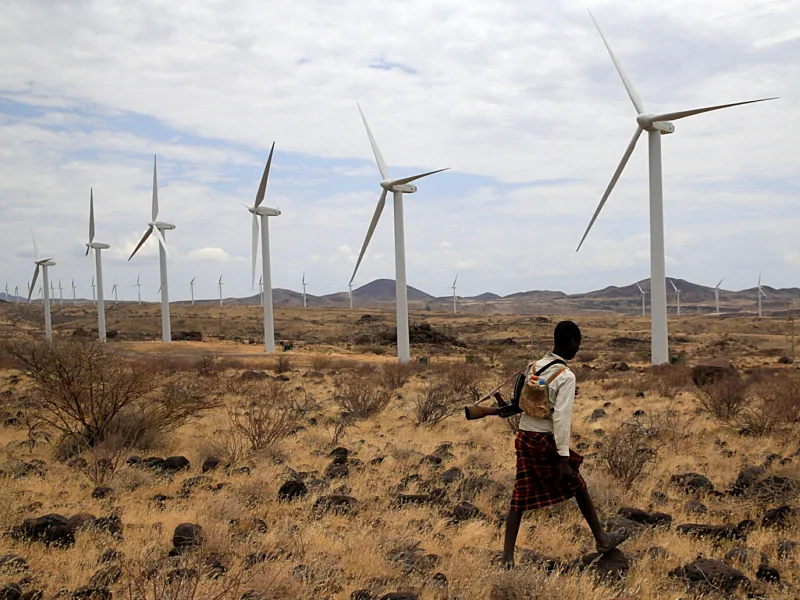
Nuclear energy could provide firm power alongside hydro, solar, wind and geothermal resources.
African Sustainability Matters reports that Ethiopia and Russia signed a strategic nuclear development roadmap in March 2026 covering feasibility studies, site selection, regulatory preparation, technology transfer and workforce development.
The reported concept includes two reactors roughly 1,200 megawatts, with possible commissioning between 2032 and 2034.
That remains an ambition, not a construction timetable. Site studies, financing, technology selection, regulatory approvals, grid readiness and public consultation would all need to advance before a reactor could operate.
Reliable Power Could Support Industrial Growth
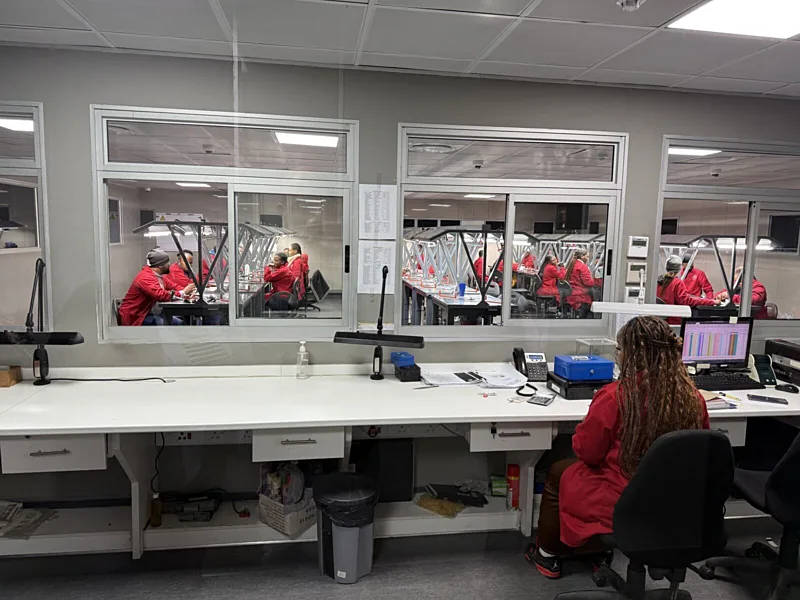
Ethiopia’s interest reflects growing demand from households, manufacturing, industrial parks, rail systems and digital infrastructure.
Firm generation could improve reliability during periods of weak hydropower output and support industrial productivity if transmission and distribution expand at the same pace.
The Authority is working with the United States Nuclear Regulatory Commission and Russia’s Rostechnadzor on capacity building and technical cooperation.
Engagement with different regulatory traditions can help Ethiopia develop expertise, but responsibility must ultimately sit with an independent and adequately resourced national regulator.
The International Atomic Energy Agency’s Milestones Approach emphasises that newcomer countries need legal frameworks, safeguards, security, emergency planning, waste arrangements, finance, skilled people and public engagement.
These are not supporting details; they are the infrastructure of nuclear safety.
Economics And Safety Need Equal Scrutiny
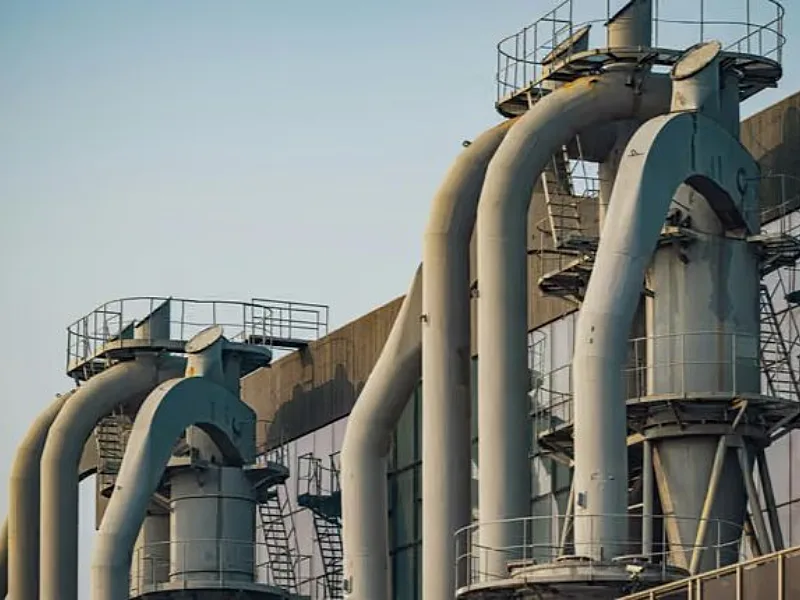
Large reactors require substantial upfront capital, long construction periods and commitments extending through operation, waste management and decommissioning.
Ethiopia will need to compare those lifetime costs and delivery risks with alternative portfolios of renewables, storage, grids and regional power trade.
Public confidence will depend on transparent environmental assessments, clear liability arrangements, emergency preparedness and credible plans for radioactive materials and spent fuel.
Regulatory independence must be protected from political pressure to accelerate a high-profile project.
Grid planning is another test. Two 1,200-megawatt units would be large additions to Ethiopia’s system, so planners must examine reserve capacity, transmission stability and the consequences of a unit going offline.
Path Forward – Safe Diversification Requires Patient Public Governance
Ethiopia’s immediate priority is to finalise credible regulations, train specialists, evaluate options transparently and build an independent oversight system before committing to construction.
Nuclear power can complement the diversified management of a low-carbon grid only if safety, affordability, waste, security, and public participation are addressed throughout the project life cycle. Institutional quality will determine whether ambition becomes dependable electricity.