The African Development Bank Group has approved $100 million to support EBID’s development-finance activities across West Africa.
The package combines equity investment with a long-term credit line for renewable energy projects.
For communities and businesses facing unreliable power and limited financing, the deal could unlock cleaner electricity, jobs and stronger regional investment flows.
A Regional Bank Gets Fresh Firepower
The African Development Bank Group has approved a $100 million financing package to support the ECOWAS Bank for Investment and Development, in a move designed to expand private-sector financing and accelerate renewable energy investment across West Africa.
Approved by AfDB’s Board of Directors in Abidjan on June 17, 2026, the package includes a $30 million equity investment in EBID and a $70 million long-term credit facility for clean energy projects.
The equity component makes AfDB the first development finance institution to acquire a shareholding in EBID, giving it a seat on the regional bank’s board and strengthening EBID’s capital base.
For West Africa, the deal arrives at a critical moment.
- Businesses still face high energy costs, unreliable electricity and limited long-term capital.
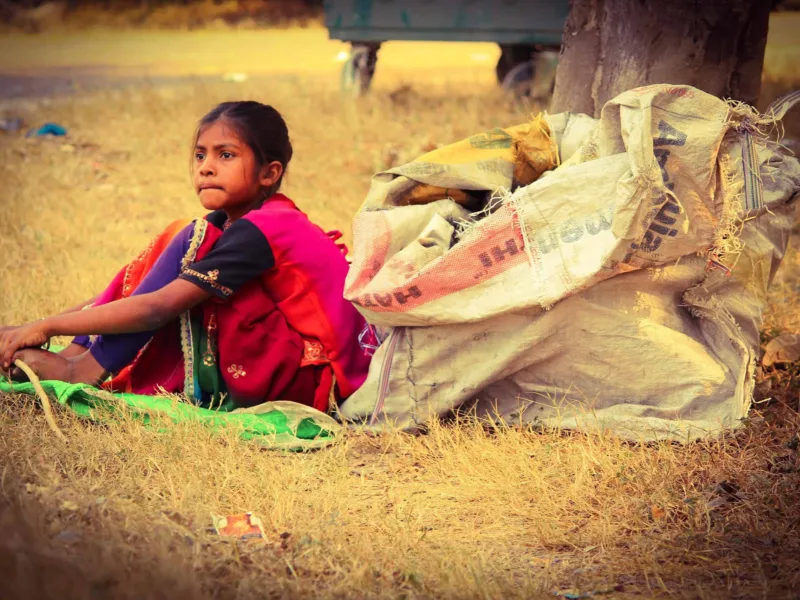
- Communities remain underserved by formal power systems.
- Governments are under pressure to industrialise without deepening fossil-fuel dependence.
Why The Deal Matters Now
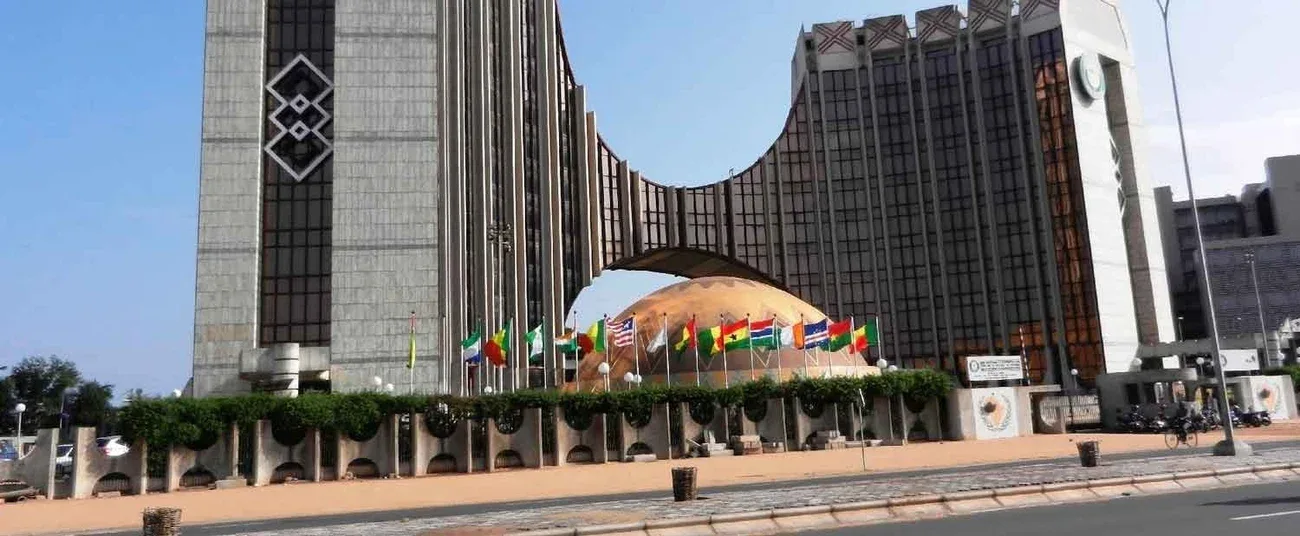
EBID is the development finance institution of ECOWAS, supporting public and private-sector projects across the region.
Its mandate sits at the intersection of regional integration, infrastructure, trade, energy and inclusive growth.
AfDB’s support is structured to do two things at once: strengthen EBID as an institution and channel new capital into renewable energy.
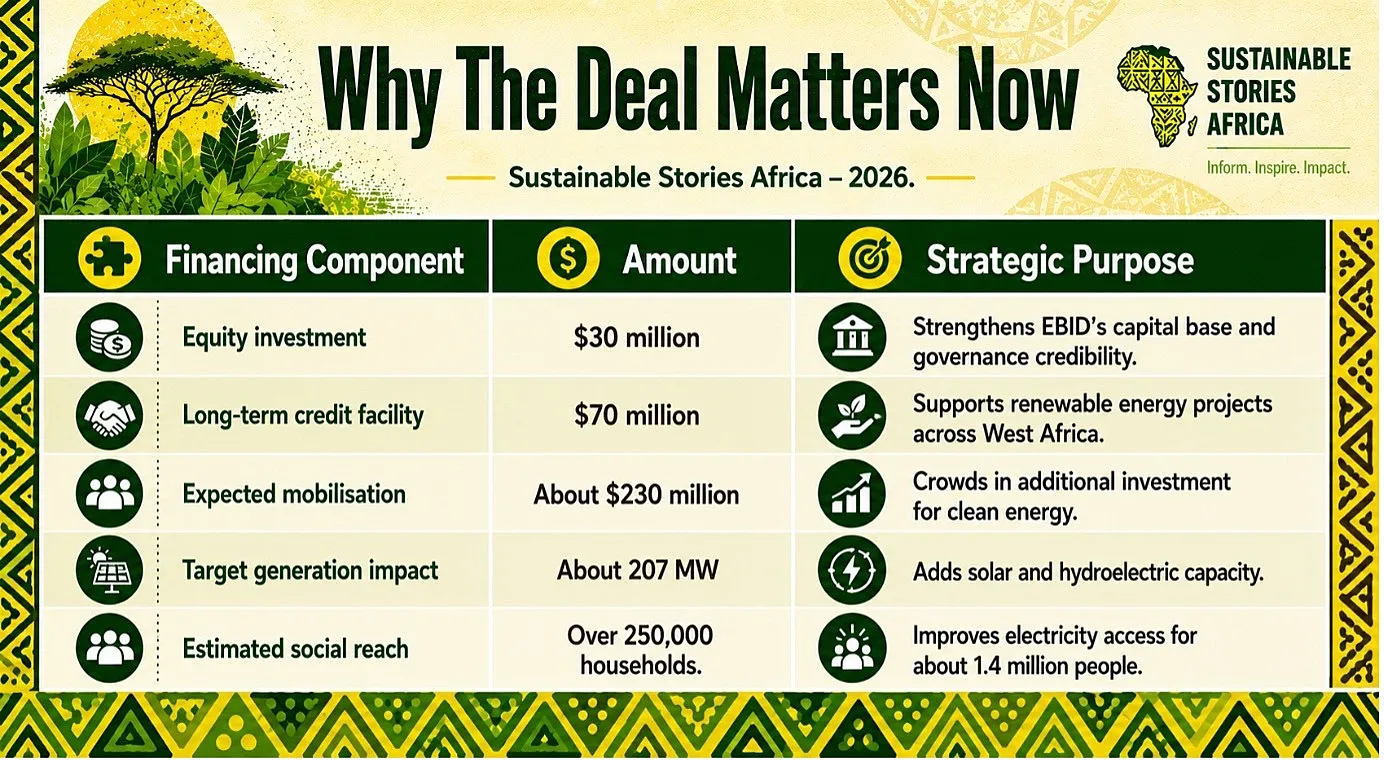
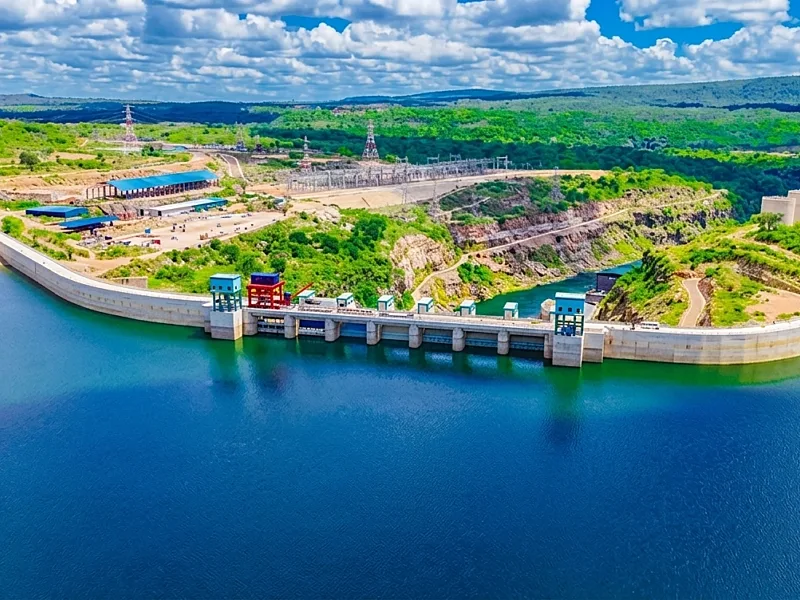
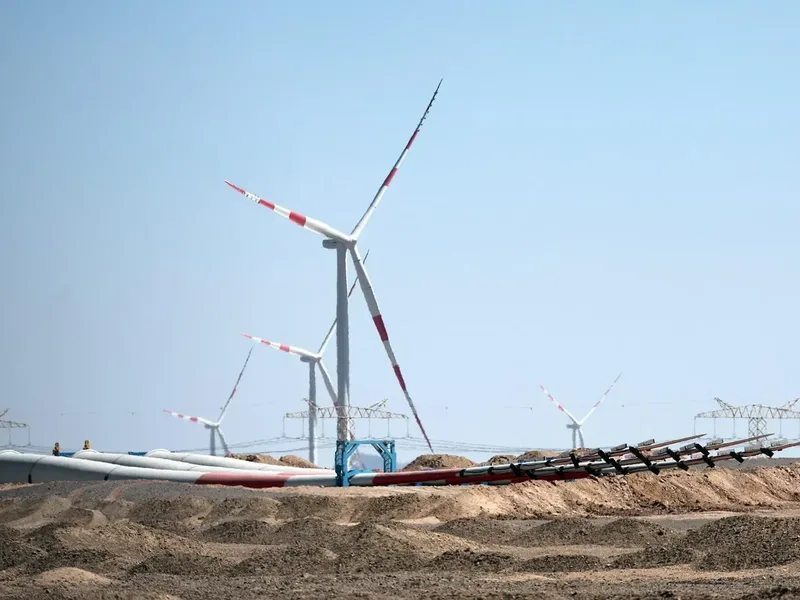
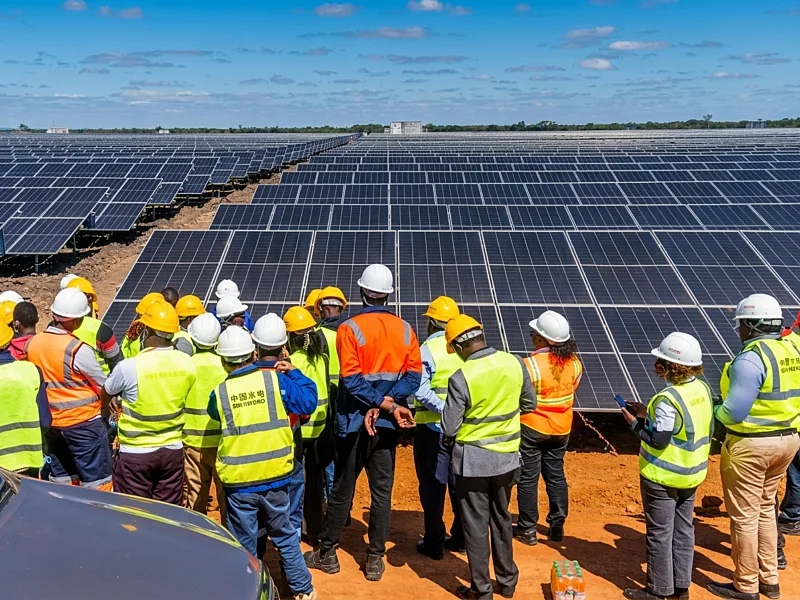
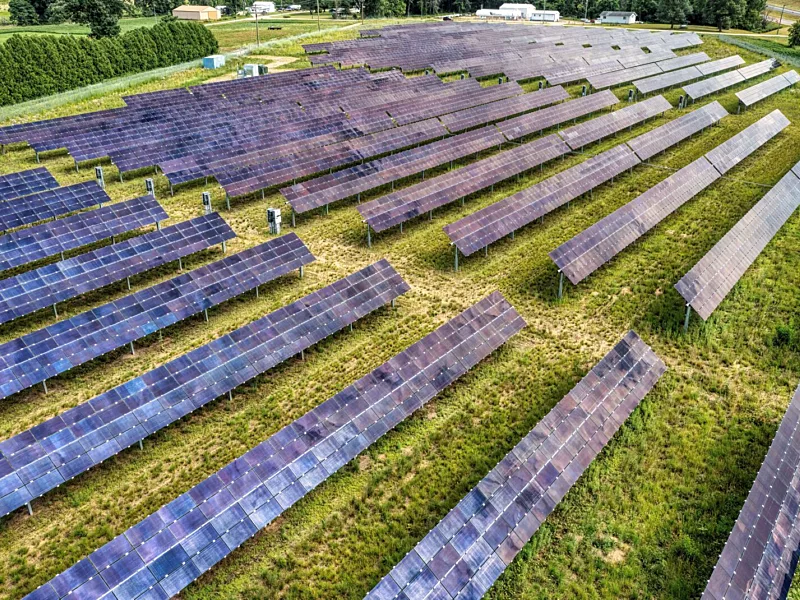
The credit line is expected to support solar and hydroelectric projects, with a focus on underserved communities and businesses.
These are not abstract figures.
- For a small manufacturer in Ghana, a cold-storage operator in Senegal
- For a clinic in rural Liberia, access to reliable electricity can determine whether equipment runs, products survive, patients are served, and jobs are sustained.
The environmental case is also clear. Projects supported by the facility are expected to cut annual carbon dioxide emissions by about 355,500 tonnes.
Development Finance Can Multiply Impact
The strength of this deal lies in its leverage. AfDB is not only providing capital; it is using EBID as a regional platform to multiply investment across markets that often struggle to attract affordable long-term finance.
That matters because West Africa’s clean-energy transition requires more than project announcements.
It needs institutions that can originate, structure, finance, and monitor bankable projects across borders.
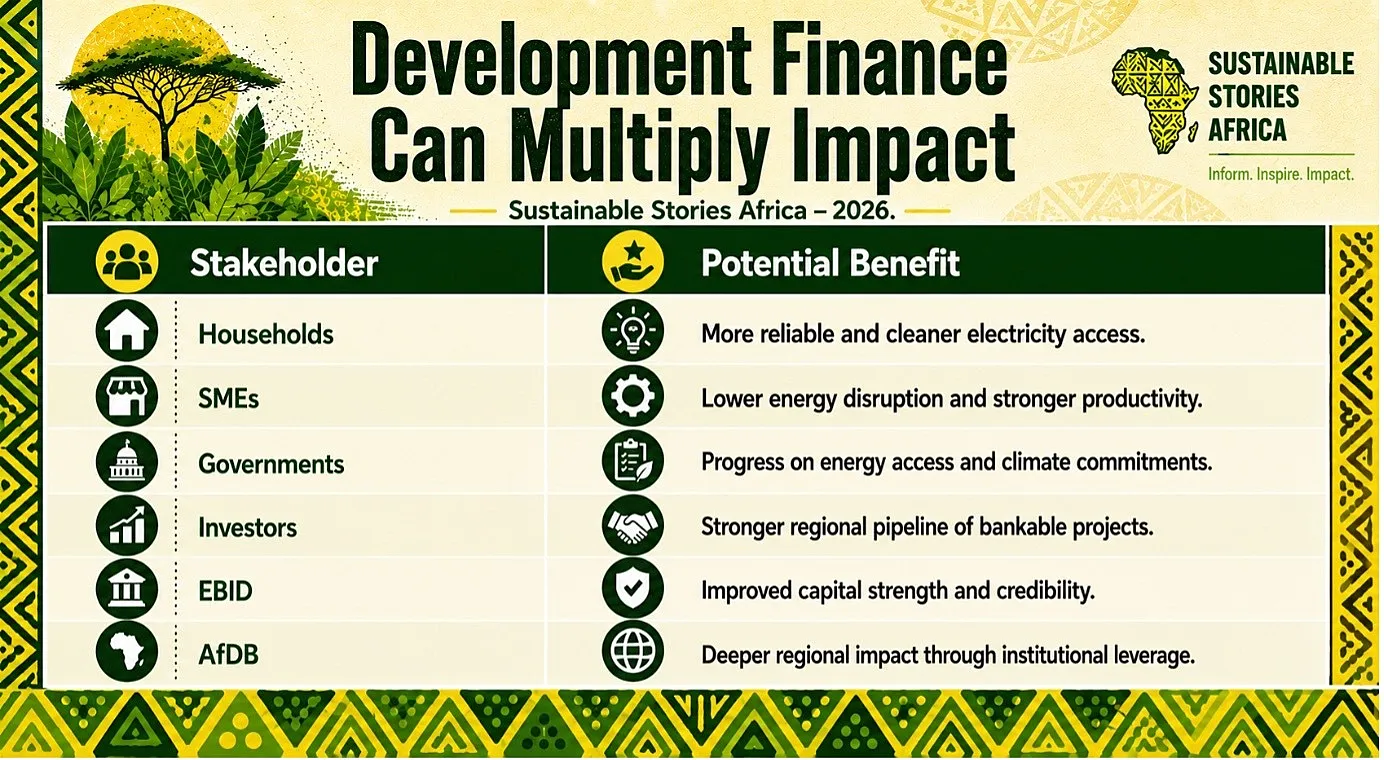
If implemented well, the package can help shift West Africa from fragmented energy interventions to stronger regional financing systems.
However, the risk is execution. Clean-energy finance must reach viable projects quickly, transparently and at scale.
It must support communities most affected by energy poverty, not only large corporate balance sheets.
Turn Capital Into Real Projects
The next priority is disciplined deployment. EBID and AfDB must ensure that the facility supports projects with strong governance, clear community benefits, measurable climate impact and credible repayment structures.
- Governments also have a role.
- Renewable energy finance works best where regulations are stable, tariffs are transparent, grid connections are planned, and procurement is credible.
For businesses, the message is equally important.
- Clean energy is no longer only a sustainability issue; it is a competitiveness issue.
- Firms that gain access to reliable renewable power can reduce operating risks, improve productivity and strengthen climate credibility.
For West Africa’s development partners, the deal offers a practical model: strengthen regional institutions, crowd in capital, and finance infrastructure that links climate action with economic transformation.
Path Forward – For Regional Green Finance
AfDB and EBID must now convert financing into projects that expand energy access, support SMEs and strengthen regional resilience.
The deal can advance ESG goals by linking governance, climate finance and inclusive development.
Its success will depend on transparency, execution discipline and measurable benefits for communities.
Culled From: African Development Bank Group approves $100 million to support EBID’s activities in West Africa region