Tanga’s water utility has used East Africa’s first subnational green bond to finance water infrastructure and protect its catchment.
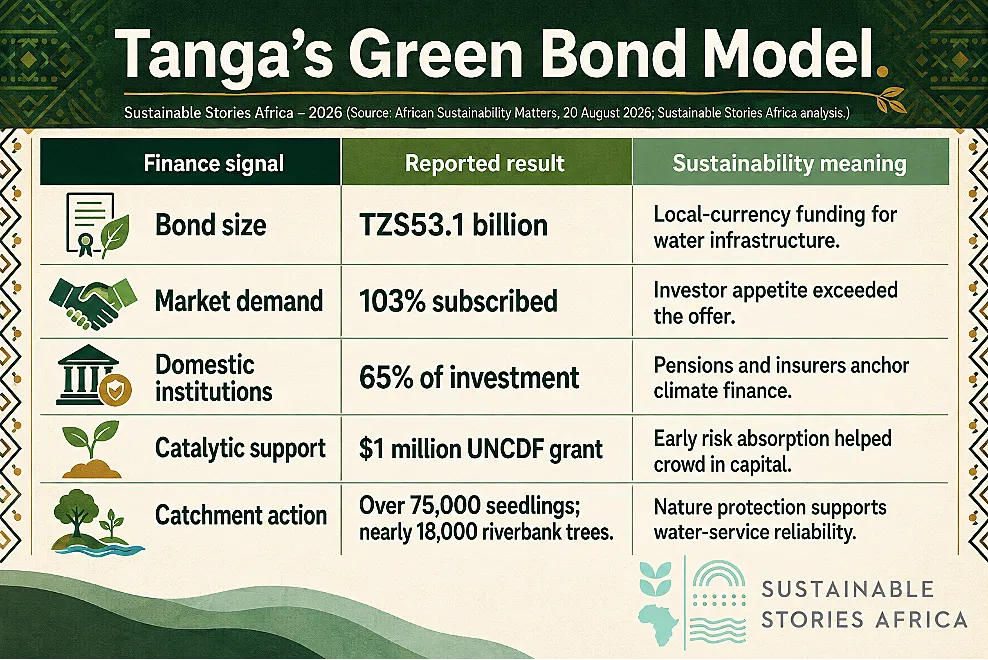
The TZS53.1 billion issue was 103% subscribed, with Tanzanian institutions providing 65% of investment and a $1 million grant helping crowd in capital.
Its lesson is that climate finance works best when strong local institutions already connect infrastructure, ecosystems and livelihoods.
A Local Bond Funds Shared Water Security
Tanga Urban Water Supply and Sanitation Authority has demonstrated how a subnational issuer can connect domestic capital markets with water infrastructure and watershed conservation.
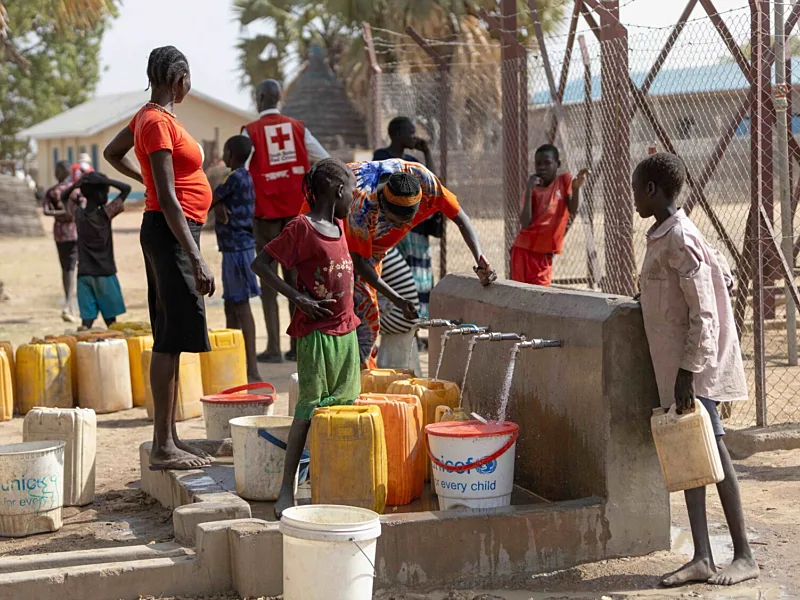
Its TZS53.1 billion green bond, the first of its kind in East Africa, finances improvements to the water system serving Tanga and nearby communities, with part of the proceeds supporting conservation in the Zigi River catchment.
The transaction was 103% subscribed.
- Tanzanian institutional investors, including pension funds, insurers, fund managers and financial institutions, supplied 65% of the capital; citizens, diaspora investors and small-business owners provided the remainder.
A $1 million catalytic grant from the UN Capital Development Fund helped absorb early risks and reportedly mobilised capital at a 1-to-20 ratio.
Institutional Foundations Came Before Financing
The bond’s significance is not only the money raised.
- Local conservation networks, the utility, public agencies and communities had already built relationships around the Zigi landscape.
- Those institutions gave investors a delivery system linking an upstream ecosystem with the reliability and cost of water supplied downstream.
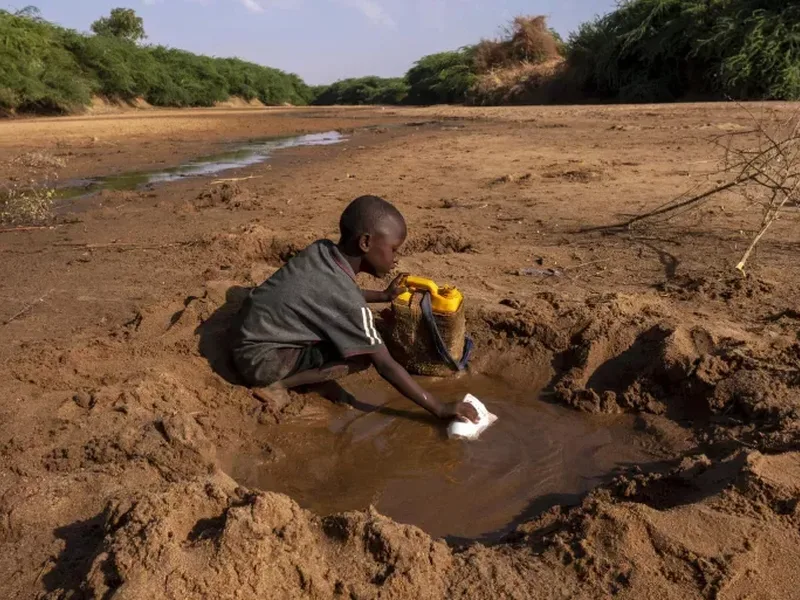
Pressure on the catchment comes from land degradation, deforestation, population growth and inadequate infrastructure.
- Community programmes have trained more than 1,000 farmers, established nurseries, planted over 75,000 seedlings and restored nearly 18,000 trees along riverbanks.
- Farmers have adopted perennial crops such as cocoa, cloves, cinnamon, avocado and citrus, although market access remains essential to sustaining participation.
Replicability Depends on Revenue and Governance
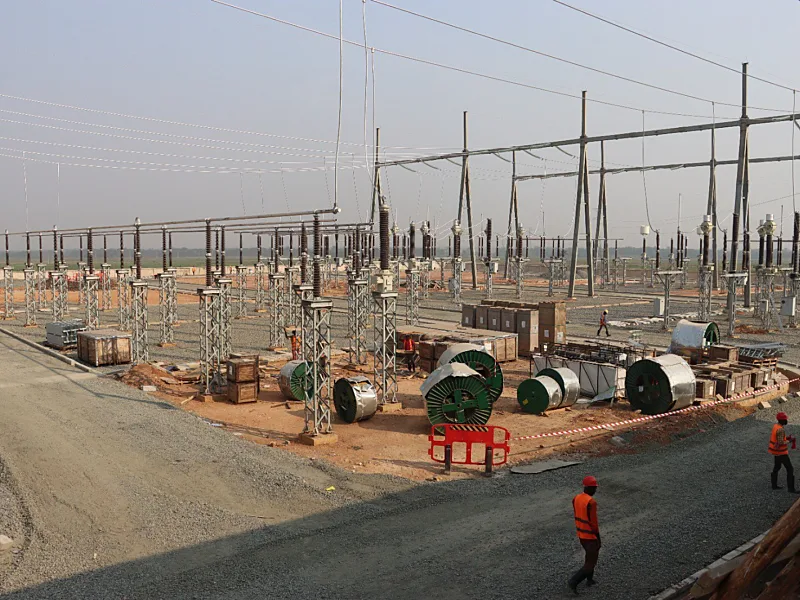
Utilities and local authorities across Africa face rising infrastructure needs while sovereign borrowing space is constrained.
- A subnational entity with predictable revenue may be able to borrow in local currency rather than wait for central allocations or accept foreign-exchange exposure.
- That creates a possible model for municipalities and public utilities.
However, a bond cannot repair weak governance.
- Clear roles, reliable billing, transparent use of proceeds, community participation and verified environmental outcomes are what turn financing into durable services.
- Replication without those foundations could produce debt without resilience.
Link Investors to Measurable Local Outcomes
Future issuers should begin with investment plans, revenue quality and institutional coordination, then design the instrument around them.
- Independent reporting should track water reliability, access, catchment condition and livelihood outcomes alongside financial performance.
Policymakers can support a pipeline through green-bond standards, project-preparation facilities, credit enhancement and disclosure rules.
- Investors should examine how proceeds change service delivery, not only whether a bond carries a green label.
Affordability should remain central.
- A utility may improve infrastructure and still leave low-income households behind if connection fees or tariffs are too high.
- Issuers should therefore explain who receives new or better service and how vulnerable users are protected.
The same logic applies upstream:
- Farmers conserving a catchment need viable livelihoods and fair market access.
- Linking financial reports with service, ecosystem and household indicators would show whether the transaction distributes value across the entire water system.
A replicable model also needs an honest account of transaction costs and public support.
- Investors should know how much preparation, guarantee capacity and grant funding was required, while future issuers need realistic timelines.
Comparing these costs with avoided water losses, improved revenue collection and reduced environmental degradation would show whether green-bond finance creates value beyond conventional borrowing.
Path Forward – Build Institutions Before Replicating Green Bonds
African utilities should combine credible revenues, community partnerships, verified use-of-proceeds plans and transparent impact reporting before approaching capital markets.
Development partners can use targeted grants and guarantees to unlock domestic investment while preserving accountability for water, ecosystems and livelihoods.