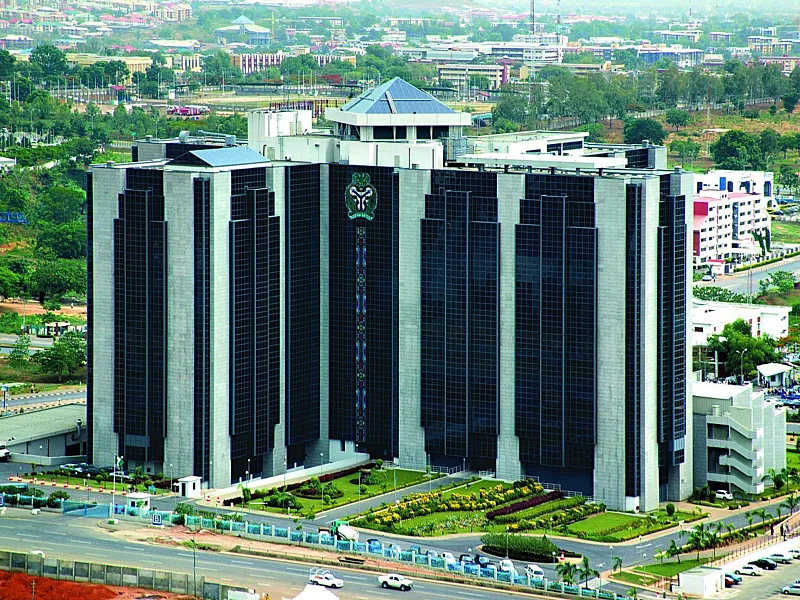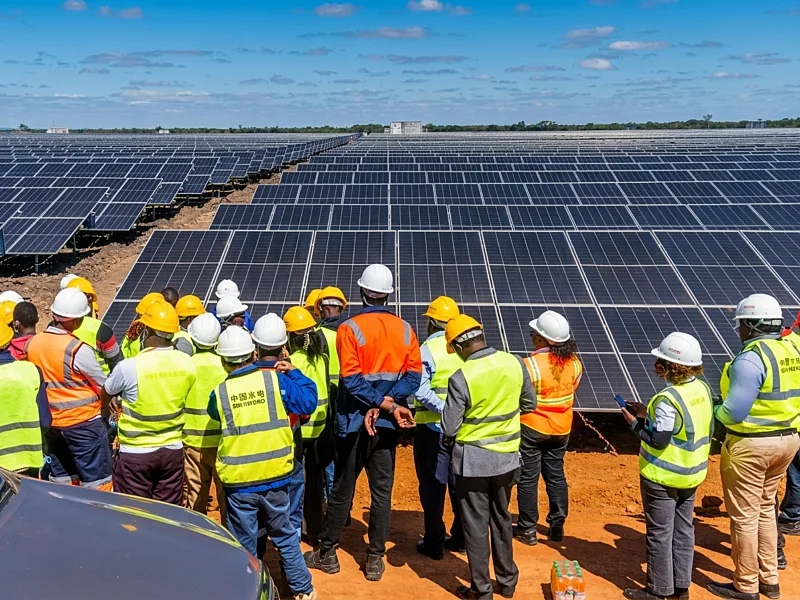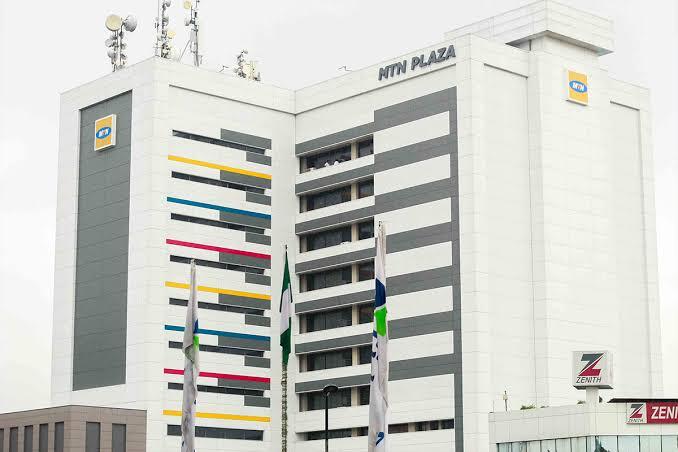
Nigeria has approved MTN Group’s proposed purchase of the remaining IHS Towers shares, removing a major regulatory obstacle to the $2.2 billion transaction.
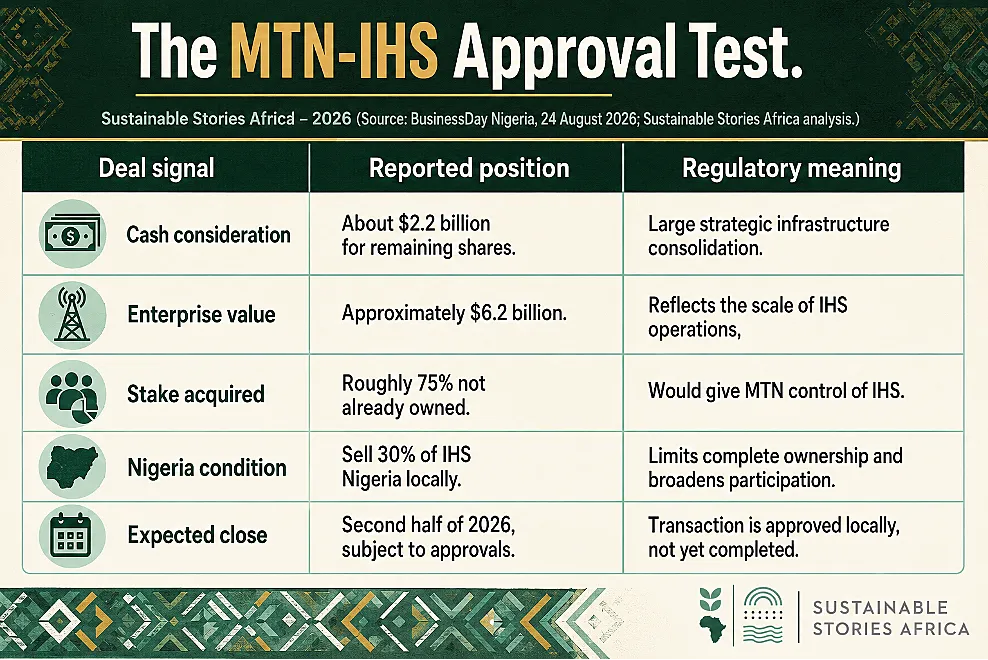
The clearance requires MTN to sell 30% of IHS Nigeria to local investors, limiting full control over infrastructure shared by rival operators.
The condition turns a corporate acquisition into a test of competition, local participation and network investment.
Approval Comes With a Competition Guardrail
MTN Group has secured Nigerian regulatory approval for its proposed acquisition of approximately 75% of IHS Towers it does not already own, BusinessDay reported on August 24.
The cash offer is worth about $2.2 billion and values IHS at approximately $6.2 billion on an enterprise-value basis.
The approval, including clearance from the Federal Competition and Consumer Protection Commission, requires MTN to sell 30% of IHS Nigeria to Nigerian investors.
MTN expects the broader transaction to close in the second half of 2026, subject to remaining approvals.
The condition recognises that towers are shared infrastructure: ownership can improve investment coordination; however, concentrated control could affect competing operators that depend on the same sites.
MTN Reverses Its Asset-Light Tower Strategy
More than a decade ago, MTN sold thousands of towers to specialist infrastructure companies and leased capacity back.
- Buying IHS would reverse that model, returning a major part of the physical network layer to the mobile operator’s control.
- MTN could coordinate maintenance and expansion more closely and capture economics that currently sit with the tower company.
The deal coincides with rising network demand. MTN reported 317.7 million customers across 19 markets at June 30, including more than 179 million active data users. First-half network traffic rose nearly 23% to 14.3 petabytes, while group service revenue increased 17.5% in constant-currency terms. Nigeria was among the markets leading growth.
Infrastructure Control Could Accelerate Investment
MTN committed almost R20 billion to group capital expenditure in the first half of 2026, with Nigeria receiving about 2.8 times the network capital allocated to South Africa, according to the report. More control over towers could help the operator plan radio equipment, power systems and site upgrades alongside mobile-network investment.
Customers could benefit if this translates into wider coverage, greater capacity and fewer service interruptions. The risk is that vertical integration weakens fair access for other operators or raises barriers for smaller competitors. Strong service-level rules, transparent pricing and continued regulatory oversight will determine whether ownership produces system-wide improvement rather than advantage for one network.
Make Local Ownership Economically Meaningful
The required sell-down should be structured so Nigerian investors receive genuine governance rights and transparent economic participation, rather than a symbolic holding. Regulators should also publish clear non-discrimination expectations for tower access, related-party transactions and infrastructure quality.
MTN and IHS will need to explain how the combined business will protect tenants, manage conflicts and accelerate investment.
- For policymakers, the success measure is not the transaction’s value; it is whether Nigeria gains better connectivity, stronger competition and credible local participation.
- The local ownership process should also be accessible to more than a narrow circle of financial sponsors.
Options could include credible institutional investors, pension capital and structures that meet securities and competition rules while retaining professional management.
- Any participation model must disclose beneficial ownership and financing terms.
- That would align the sell-down with governance objectives and help Nigerians share in the value of infrastructure that increasingly underpins banking, education, public services and digital enterprise.
Post-transaction reporting should establish a baseline for site availability, energy reliability, tenancy, rural coverage and capital investment.
- Without that baseline, neither regulators nor customers can test the claimed benefits. Publishing comparable results annually would also show whether the ownership condition strengthens Nigeria’s infrastructure market over time.
Path Forward – Protect Competition While Expanding Digital Infrastructure
Remaining approvals and the local sell-down should be completed transparently, with clear ownership, governance and open-access safeguards.
Regulators should track tower pricing, service quality, investment and competitor access after closing so infrastructure control produces measurable connectivity gains.
Culled from: MTN wins Nigerian approval for $2.2bn IHS towers deal, but must sell 30% stake - Businessday NG