São Tomé and Príncipe has secured a $24.5 million grant from the African Development Fund for clean energy.
The funding anchors a broader $30 million project to reduce diesel dependence and expand reliable access to electricity.
For households and businesses, the test is whether cleaner power can lower costs, improve service and support growth.
Clean Energy Grant Targets Diesel Dependence
The African Development Fund has approved a $24.5 million grant package for São Tomé and Príncipe to support a broader $30 million clean energy investment to reduce the island nation’s dependence on costly diesel power and expand access to reliable electricity.
The project is scheduled to run from May 2026 to November 2031.
The initiative, called the Energy Transition, Efficiency and Expansion Project (ETREEP), is designed to support São Tomé and Príncipe’s National Energy Compact, which targets universal electrification and a 50% share of renewable energy by 2030.
For a small island economy, this is not just an energy-sector announcement. It is a cost-of-living, business competitiveness and climate resilience story.
Project Details Show Reform Priorities
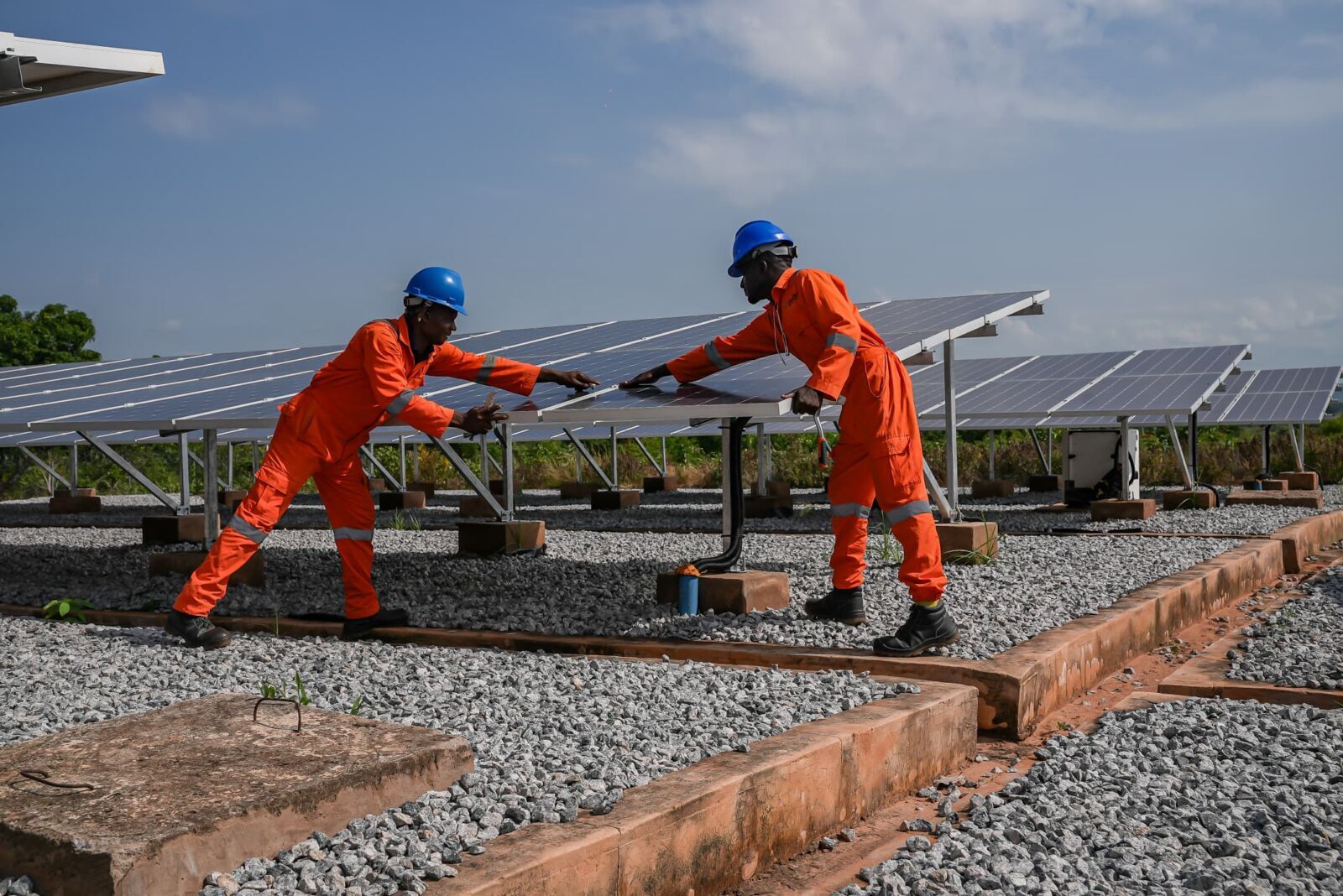
The project will include a 4-megawatt peak solar photovoltaic plant with a 2 MWh battery energy storage system on Príncipe Island.
On São Tomé Island, it will replace outdated fixtures with 1,000 energy-efficient LED streetlights, install more than 40,000 prepaid meters, and create 2,000 new electricity connections.
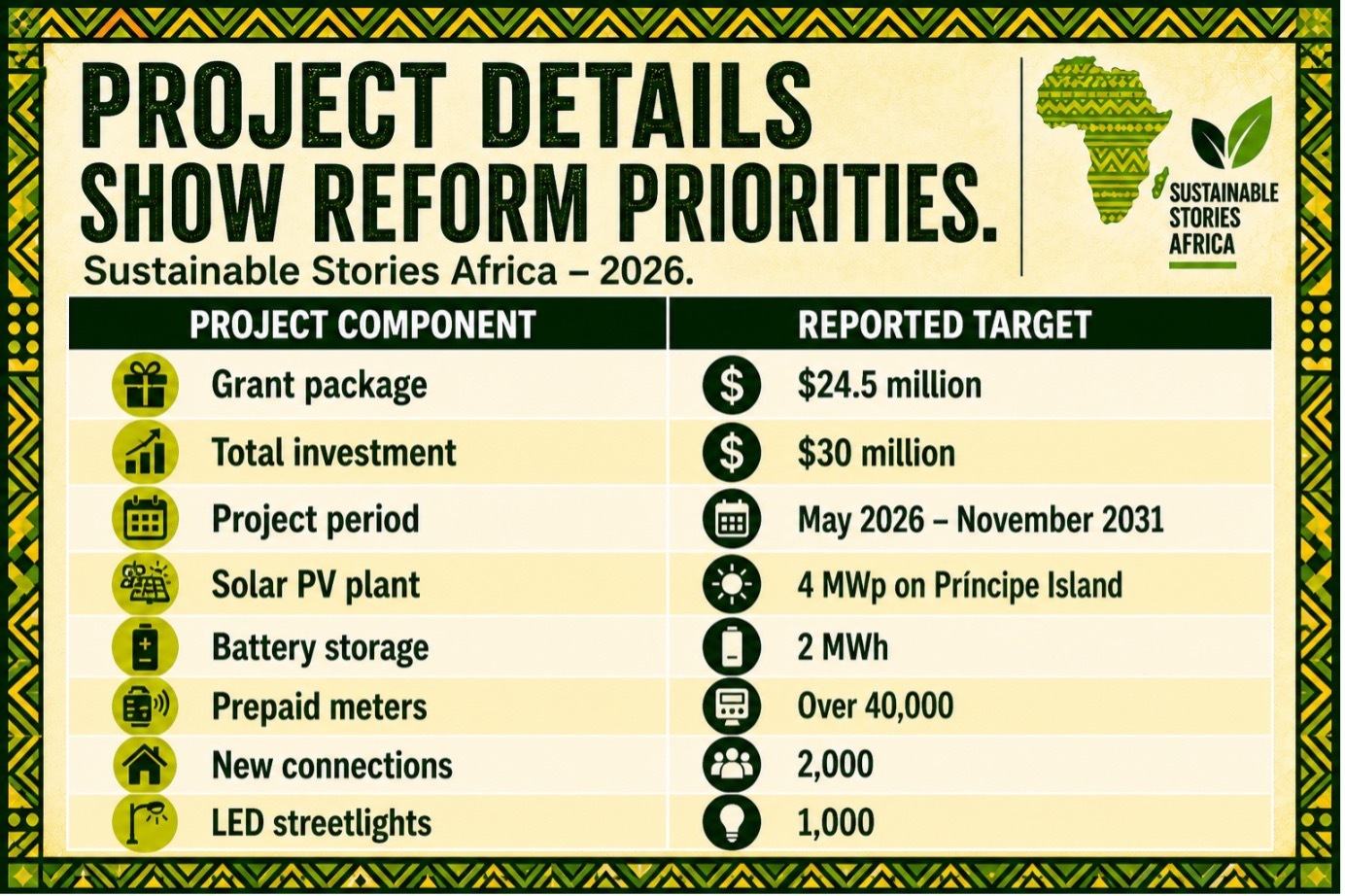
The project also targets utility-performance gains. Billing and collection rates are expected to rise from 50% to 80%, while non-technical losses are expected to fall from 34% to 20%.
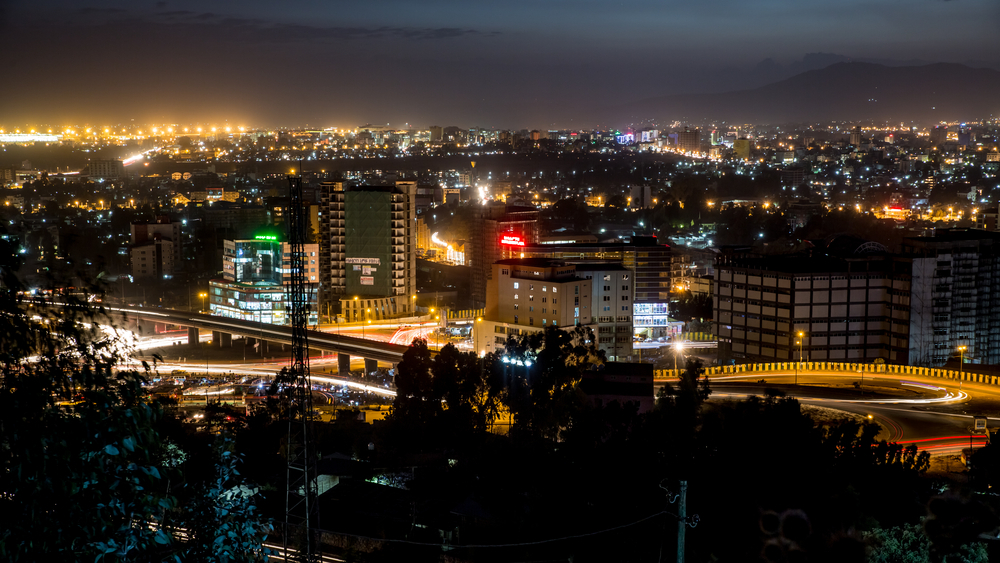
Reliable Power Can Reshape Island Life
The human impact could be significant.
- For households, cleaner and more reliable electricity can reduce dependence on expensive backup options.
- For small businesses, it can support refrigeration, digital payments, food processing and longer operating hours.
- For public services, it can improve street lighting, safety, clinics and schools.
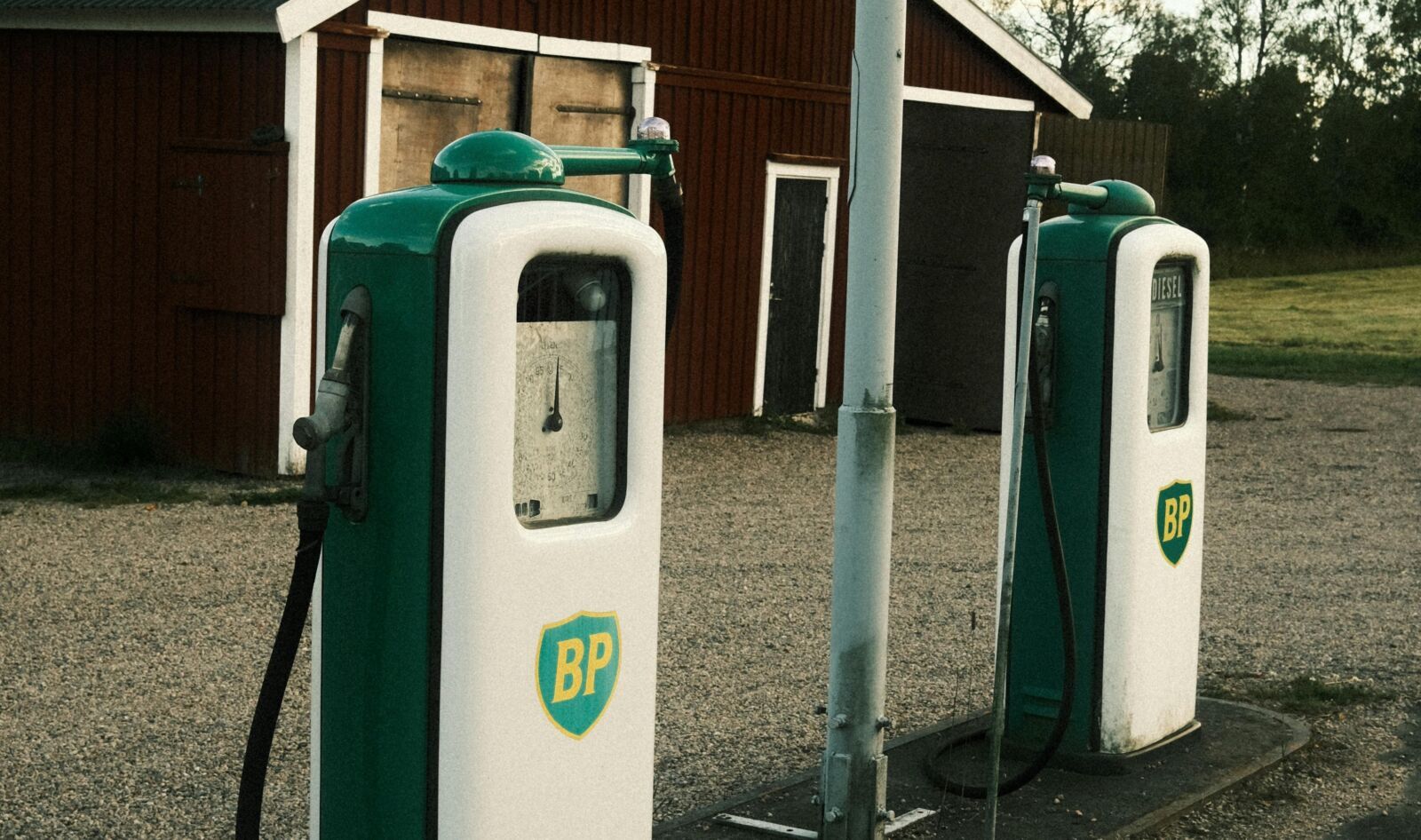
The shift also matters because diesel-heavy power systems expose island economies to global fuel-price swings.
- When fuel prices rise, electricity costs can follow.
- When supply chains tighten, reliability suffers.
Solar and battery systems cannot solve every grid problem alone, but they can reduce exposure to imported fuel and support more predictable service.
For São Tomé and Príncipe, the strategic question is whether this grant can help transform clean energy from ambition to daily reliability.
Execution Will Determine The Real Impact
The grant gives São Tomé and Príncipe a stronger platform, but delivery will matter more than announcement value.
The government, utility operators and development partners will need transparent procurement, credible maintenance systems, customer protections and clear reporting on connections, losses and service quality.
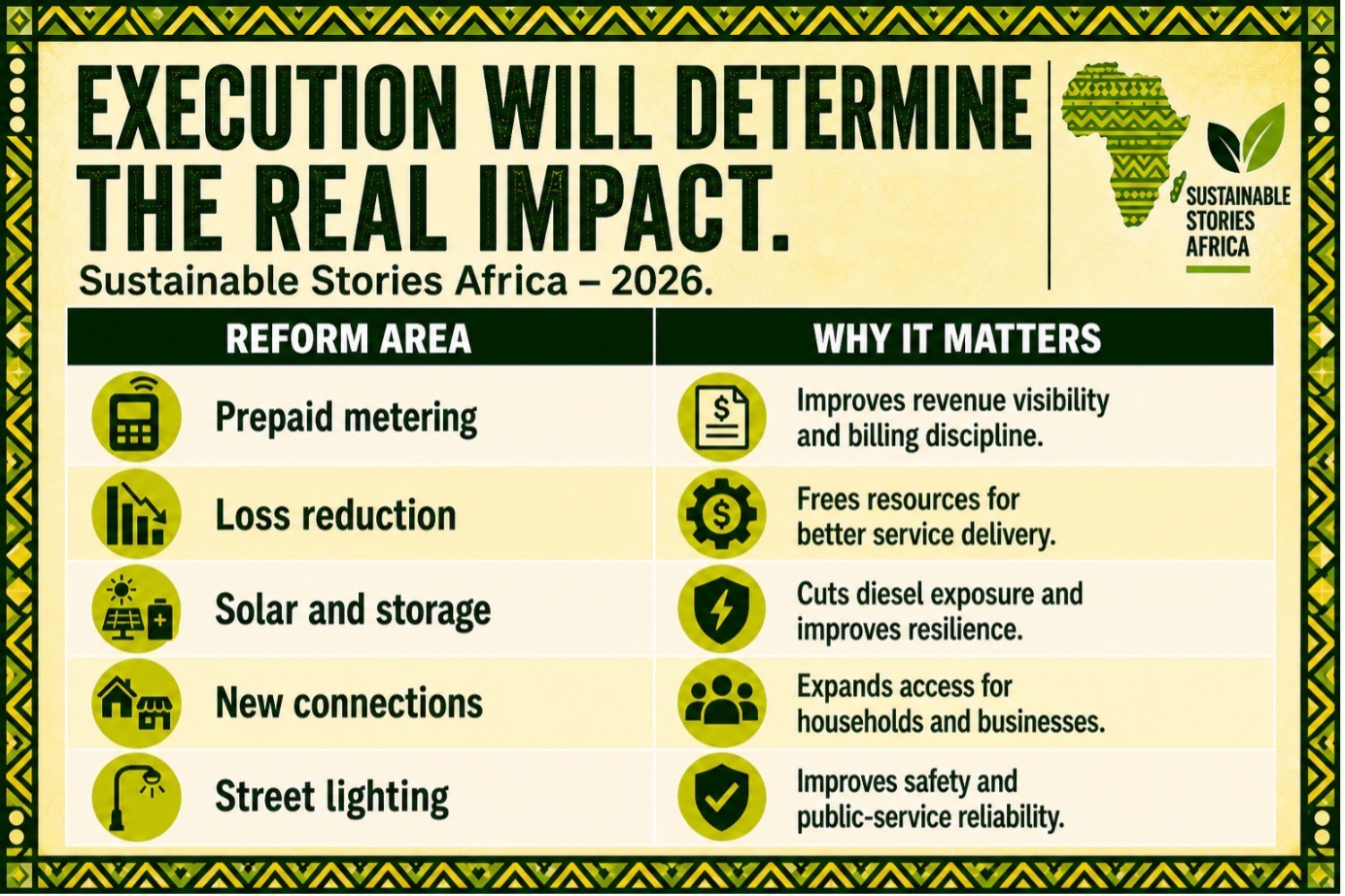
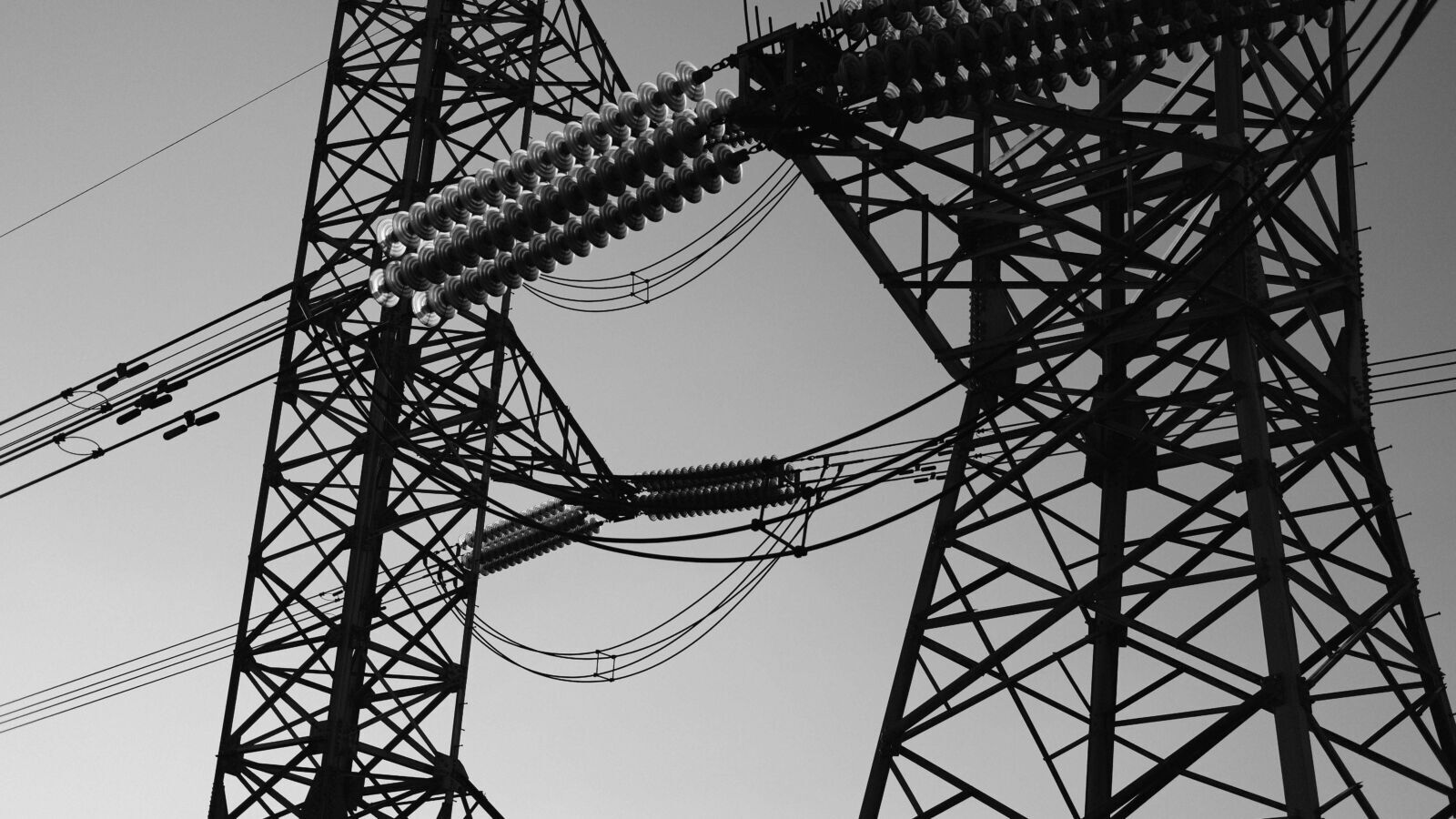
The wider African lesson is clear: clean energy finance works best when generation, grid efficiency, utility reform and customer access move together.
A solar plant without stronger billing may struggle financially. Meters without reliable power may frustrate consumers.
New connections without affordability may leave households behind.
Path Forward – Finance Delivery, Measure Results, Protect Consumers
São Tomé and Príncipe’s clean energy transition should now focus on execution: build the solar and storage assets, install meters transparently, reduce losses, improve collections and protect consumers from service gaps.
For ESG and sustainability investors, the promise is practical. Clean power can reduce emissions, improve utility performance, strengthen public services and make island economies more resilient to imported fuel shocks.