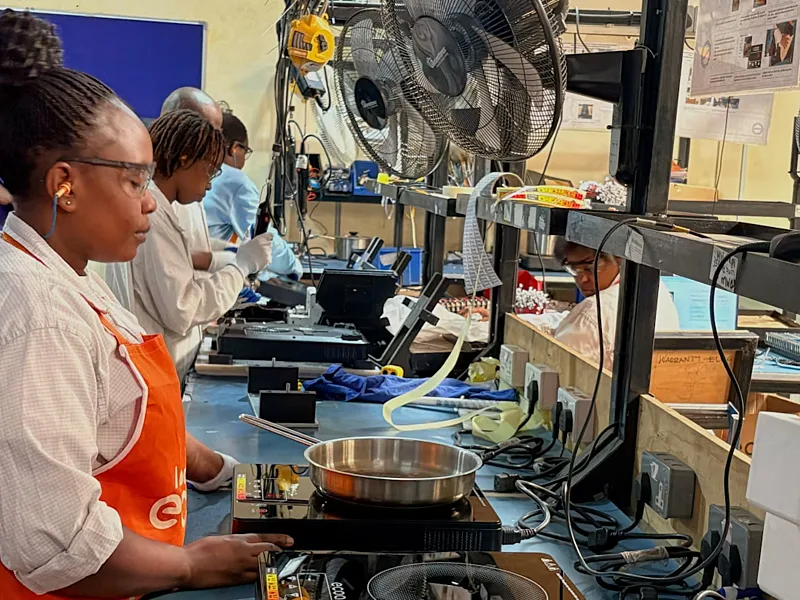
Ethiopia is moving from solar consumer to solar manufacturer as TOYO expands production in Hawassa.
The investment matters because Africa’s solar boom depends not only on imports, but on local industrial capacity.
For workers, policymakers and investors, the story is about jobs, energy security and Africa’s place in global clean technology supply chains.
Ethiopia Enters Solar Manufacturing Race
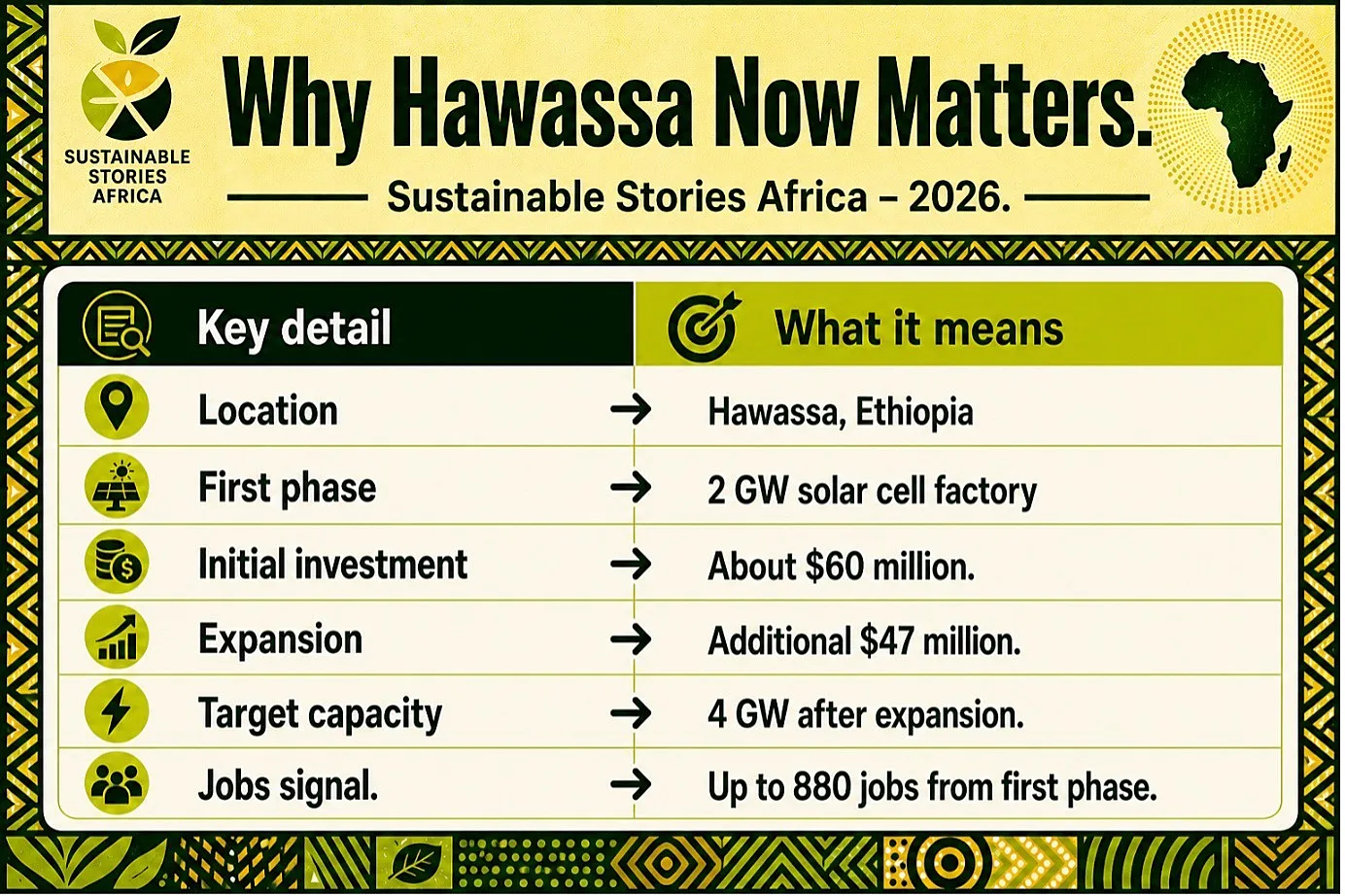
Ethiopia is positioning itself as one of Africa’s most important solar manufacturing locations after TOYO Co. announced plans to expand solar cell production in Hawassa from 2 GW to 4 GW, backed by an additional $47 million investment.
The expansion follows the company’s earlier plan for a $60 million, 2 GW solar cell factory expected to create up to 880 jobs.
The project matters because it moves Africa’s clean energy story beyond panel imports and project announcements.
It shows a more strategic question: can African economies capture more value from the global energy transition by manufacturing components, training workers and building export-linked industrial capacity?
Why Hawassa Now Matters
TOYO’s Ethiopia strategy sits at the intersection of clean energy demand, industrial policy and global trade disruption. The Hawassa factory was designed to supply solar cells to TOYO’s planned panel manufacturing facility in the United States, partly because Ethiopia is exempt from certain U.S. tariffs affecting solar products from some Southeast Asian countries.
The deeper story is that Ethiopia is trying to use manufacturing as a bridge between global capital and local employment.
The World Bank describes Ethiopia as Africa’s second-most populous country, with about 135.9 million people in 2025, and one of the region’s fastest-growing economies, although it still faces poverty and low per capita income.
That context matters. A solar factory is not just a clean energy asset. It can come as a skills platform for technicians, engineers, logistics workers and suppliers.
In a country where industrial parks have already been used to attract manufacturing investment, Hawassa offers an existing industrial base for clean technology production.
From Imports To Industrial Value
Africa’s solar market is expanding, but much of the value still sits outside the continent.
Africa had 23.4 GWp of working solar capacity, while nearly 64 GWp of solar equipment had been shipped to the continent since 2017.
That gap shows both momentum and unfinished execution.
Ethiopia’s manufacturing push offers a different model. Instead of only receiving finished equipment, African countries can compete for parts of the solar value chain: cells, modules, assembly, maintenance, testing, logistics and recycling.
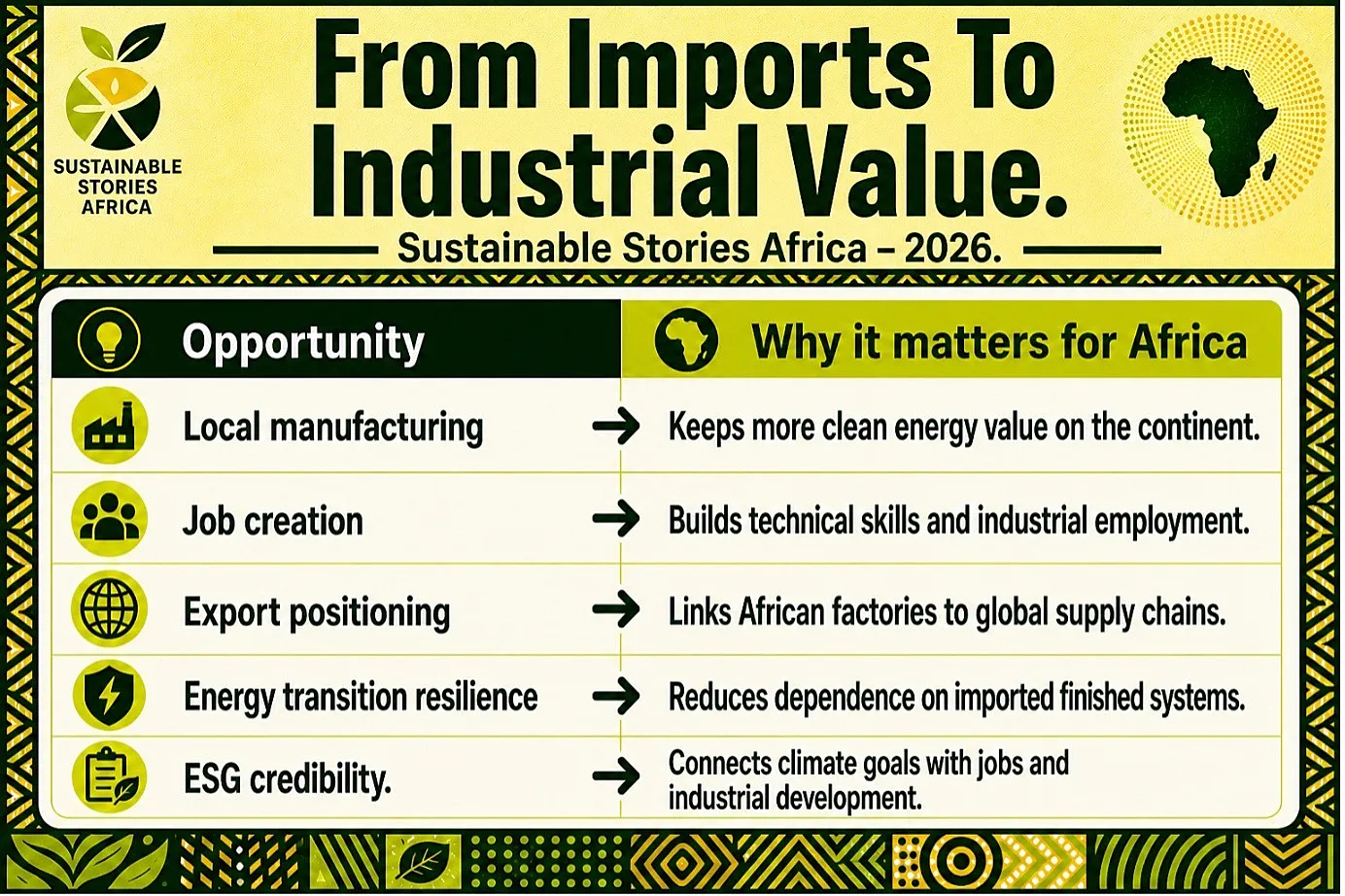
The upside is significant. If Ethiopia succeeds, it could encourage other African countries to build clean energy manufacturing corridors around ports, industrial parks, power supply and skilled labour.
The risk is equally clear: without stable policy, reliable electricity, quality standards and investment protection, factories may remain isolated projects rather than the start of a continental industry.
Make Manufacturing A Development Strategy
Ethiopia’s solar manufacturing bet should now push African policymakers to think beyond procurement. The continent needs solar industrial policy, not just solar installation targets.
Governments should identify where they can realistically compete: module assembly, battery systems, mounting structures, inverters, cables, recycling, testing labs or workforce training.
Development finance institutions should support local-currency industrial credit, while regulators should align standards so African-made components can move across regional markets.
For companies, the message is practical: clean energy demand is rising, but investors will follow countries that can offer policy clarity, infrastructure, workforce readiness and credible ESG safeguards.
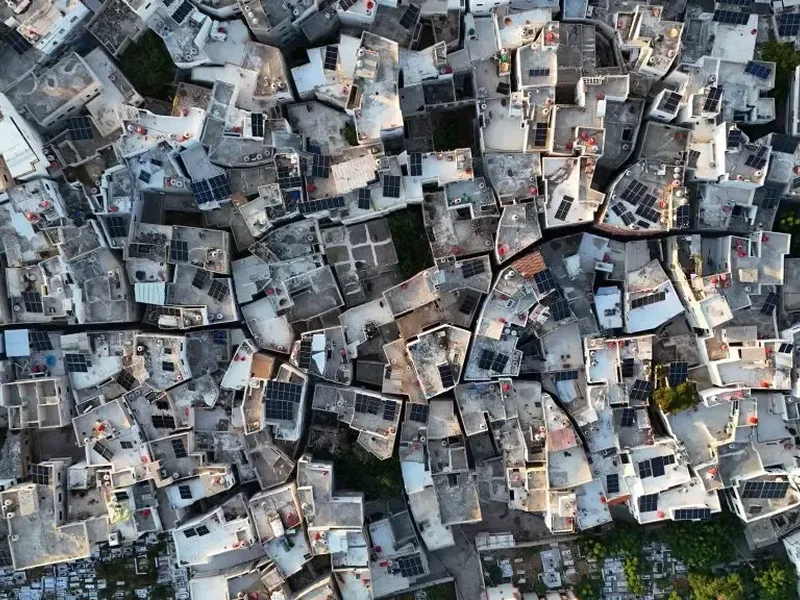
For communities, the promise is simple but powerful. The energy transition should not only bring panels to rooftops; it should bring wages, training, factories, suppliers and long-term industrial capability.
Path Forward – Build Africa’s Solar Industrial Base
Ethiopia’s Hawassa project shows that Africa can compete in clean technology manufacturing when trade shifts, investment incentives and industrial capacity align.
The next priority is execution: stable policy, reliable power, skilled workers, quality standards and regional markets that help solar factories become engines of jobs, exports and energy resilience.
Culled From: Ethiopia sets the pace for solar manufacturing