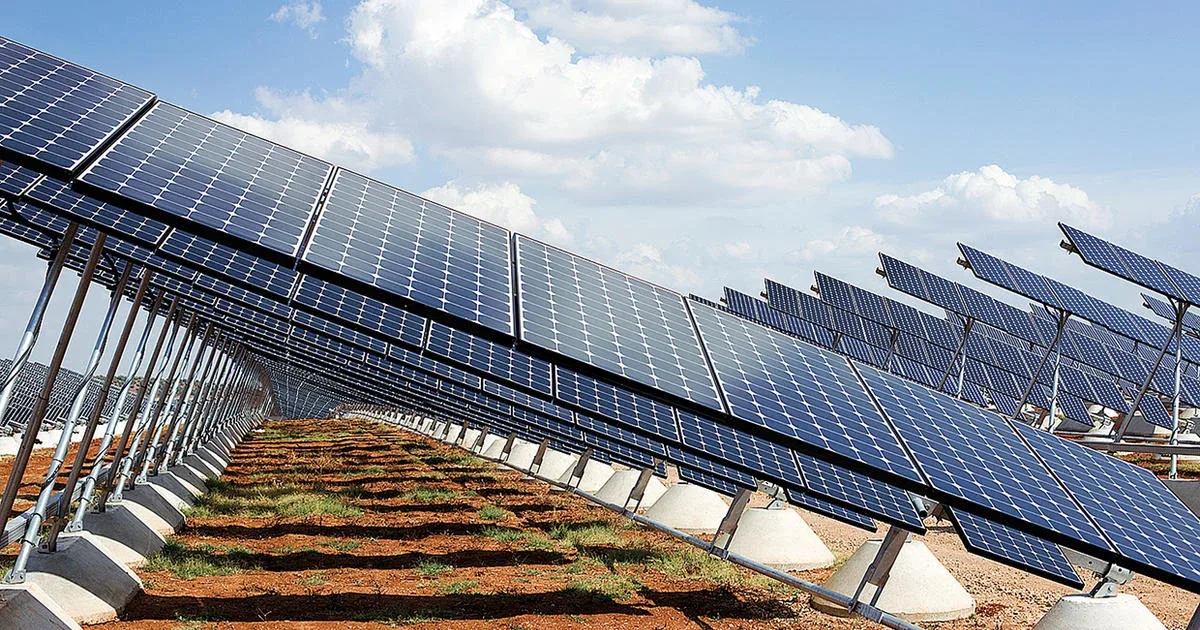
African countries imported a record 3.9 GW of solar panels from China in March, the highest monthly ever recorded.
The surge matters because households, businesses and energy developers are moving faster than many grid systems and policy frameworks.
For millions facing unreliable power, solar is becoming less of a climate slogan and more of an everyday survival infrastructure.
A Record Month For African Solar
Africa’s solar market just sent a powerful signal: demand is no longer waiting for perfect grids, perfect policy or perfect financing.
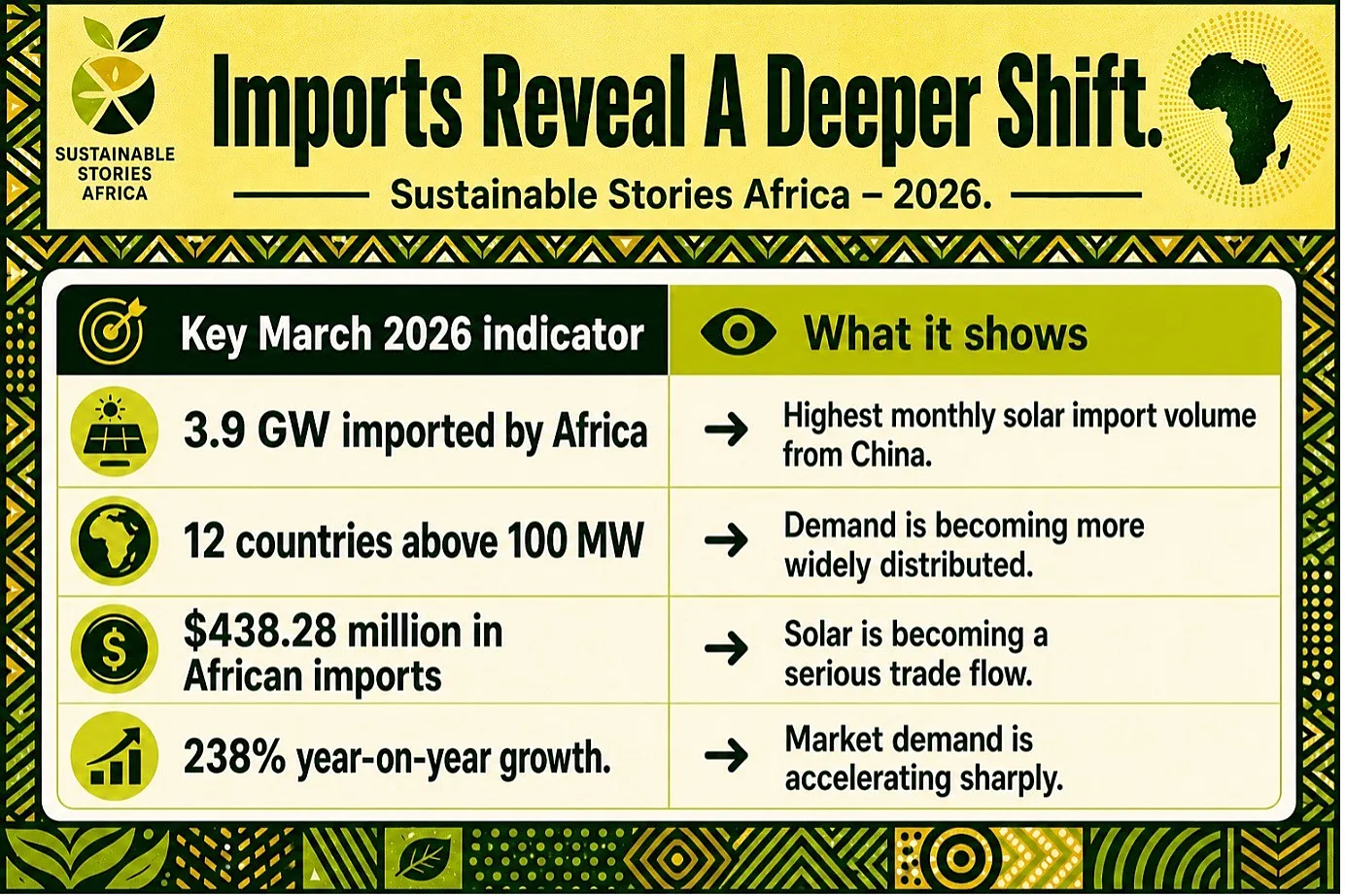
African countries imported 3.9 GW of solar panels in March 2026, the highest monthly import volume ever recorded from China, according to Renewables Rising.
The March figure was 1 GW higher than both January and February, despite a $0.01/watt price increase between February and March. Twelve African countries imported more than 100 MW each.
The surge reflects a continent-wide scramble for cheaper, more reliable electricity.
It also shows how solar demand is spreading beyond traditional markets into countries where businesses, homes, clinics and small industries are trying to reduce dependence on unstable grids and expensive diesel.
Imports Reveal A Deeper Shift
Reuters reported that China’s global solar panel exports hit a record in March, rising 42.2% year-on-year to 1.75 million metric tons, valued at $3.61 billion.
Africa’s March imports surged 238% year-on-year and 211% from February to $438.28 million.
The record month was partly driven by buyers moving ahead of expected price changes linked to China’s export tax refund changes from April 1.
However, the larger story is structural: African solar demand is broadening as the economics are becoming harder to ignore.
In the Democratic Republic of Congo, March shipments rose to 21,370 tons, worth $62.73 million, from 1,352 tons a year earlier.
A Kinshasa-based solar executive told Reuters that the number of resellers buying solar panels had increased to more than 1,000, from 80 in 2022, as demand grew mainly from small businesses and rural residents.
Solar Is Becoming Everyday Infrastructure
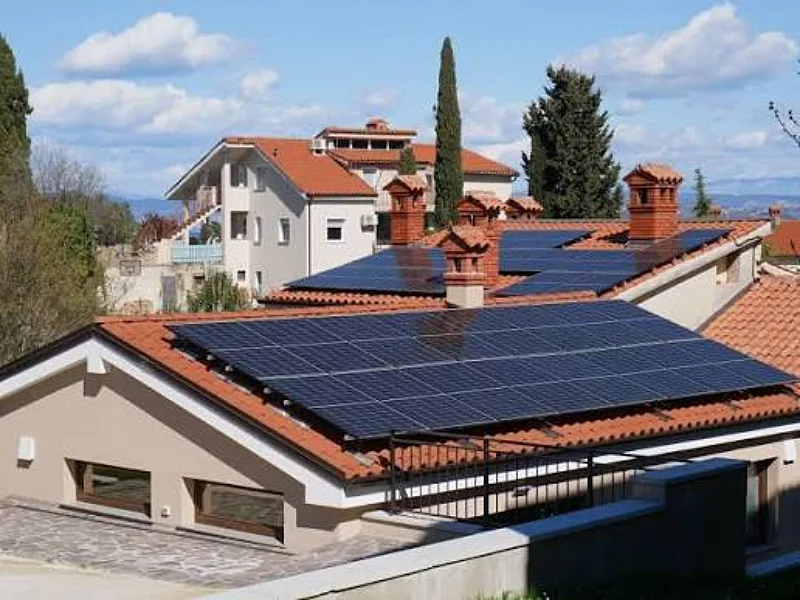
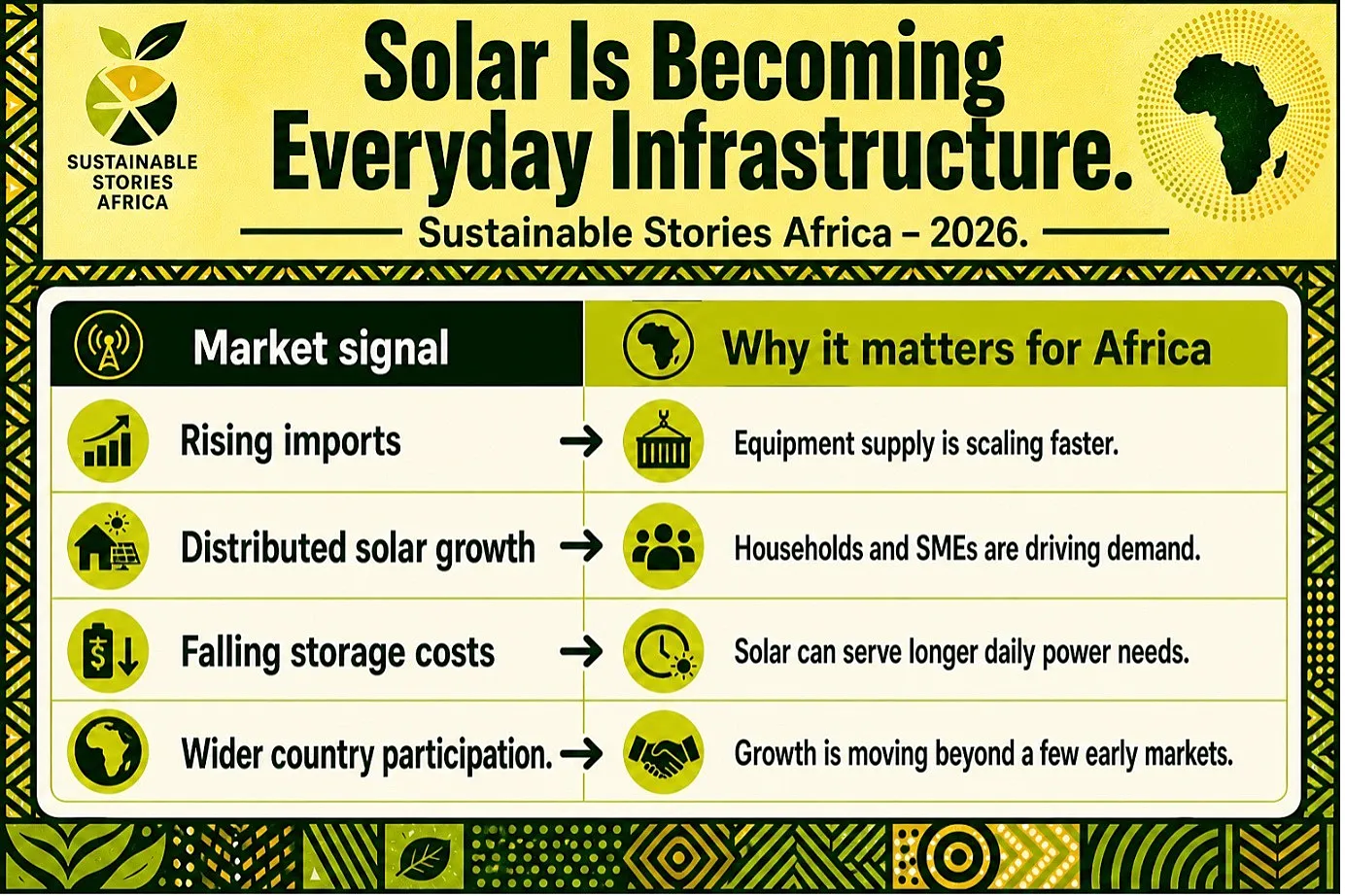
The new solar story is not only about utility-scale power plants. It is also about barbershops, schools, cold rooms, phone-charging businesses, health centres, warehouses and households that need electricity now.
The Global Solar Council said Africa installed about 4.5 GW of new solar PV capacity in 2025, a 54% year-on-year increase.
It also noted that distributed solar is likely undercounted, because rooftop, commercial and household systems are harder to track than large grid-connected projects.
The Associated Press reported that Africa had 23.4 GWp of working solar capacity, while nearly 64 GWp of solar equipment had been shipped to the continent since 2017. That gap suggests a growing pipeline.
However, there are also challenges: imports must translate into installed, maintained and productive power.
Turn Imports Into Reliable Power
The record surge in imports should now push policymakers, financiers and developers to focus on delivery.
- Governments need clearer import rules, stable tax policy, faster permitting and stronger quality standards to prevent markets from being flooded with poor equipment.
- Banks and development finance institutions need local-currency products for SMEs, households and commercial users.
- Utilities need planning frameworks that recognise distributed solar as part of the power system, not a side activity.
The risk is that Africa imports panels without building the full ecosystem around them: technicians, warranties, recycling systems, financing, batteries, standards and grid integration.
The opportunity is larger: solar can cut diesel dependence, strengthen small businesses, support clinics and schools, and improve energy resilience across underserved communities.
Path Forward – Build Solar Systems That Last
Africa’s record solar imports become a platform for jobs, energy access and industrial resilience, not just a trade statistic.
The next priority is execution: better financing, stronger standards, local technical capacity, battery integration and policies that help imported panels become reliable electricity in homes, businesses and communities.
Culled From: March sees record solar imports into Africa