Buildings are no longer judged only by location, size and design. Efficiency, air quality and lifecycle cost are becoming market fundamentals.
The shift matters as buildings consume 32% of global energy and produce 34% of CO₂ emissions.
For households, tenants and investors, the question is now simple: what does a building cost to live in, work in and maintain?
Efficiency Is Rewriting Property Value
Green buildings are moving from a premium niche to a core test of real estate value, as developers, tenants, financiers and city authorities reassess what makes a building financially resilient in a hotter, costlier and more energy-constrained world.
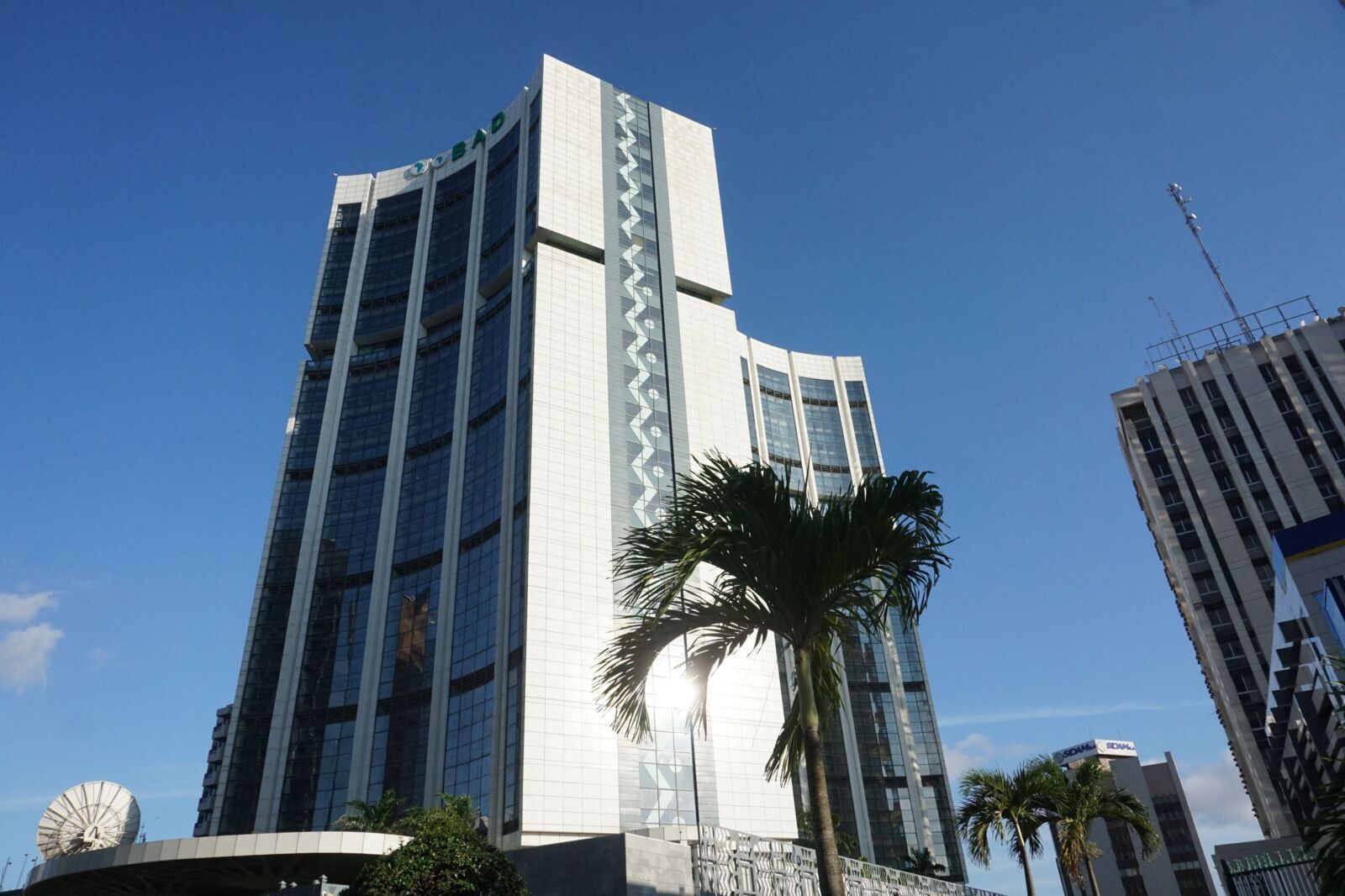
The change is visible in office towers with lower cooling bills, hospitals designed for better ventilation, schools using daylight to reduce power demand, and homes built to pay less for electricity and water.
In African cities, where heat, unreliable grids and rising utility costs already shape daily life, the green building debate is not only about climate. It is about affordability, health and long-term asset protection.
The buildings and construction sector remains one of the world’s biggest climate pressure points, accounting for 32% of global energy consumption and 34% of CO₂ emissions.
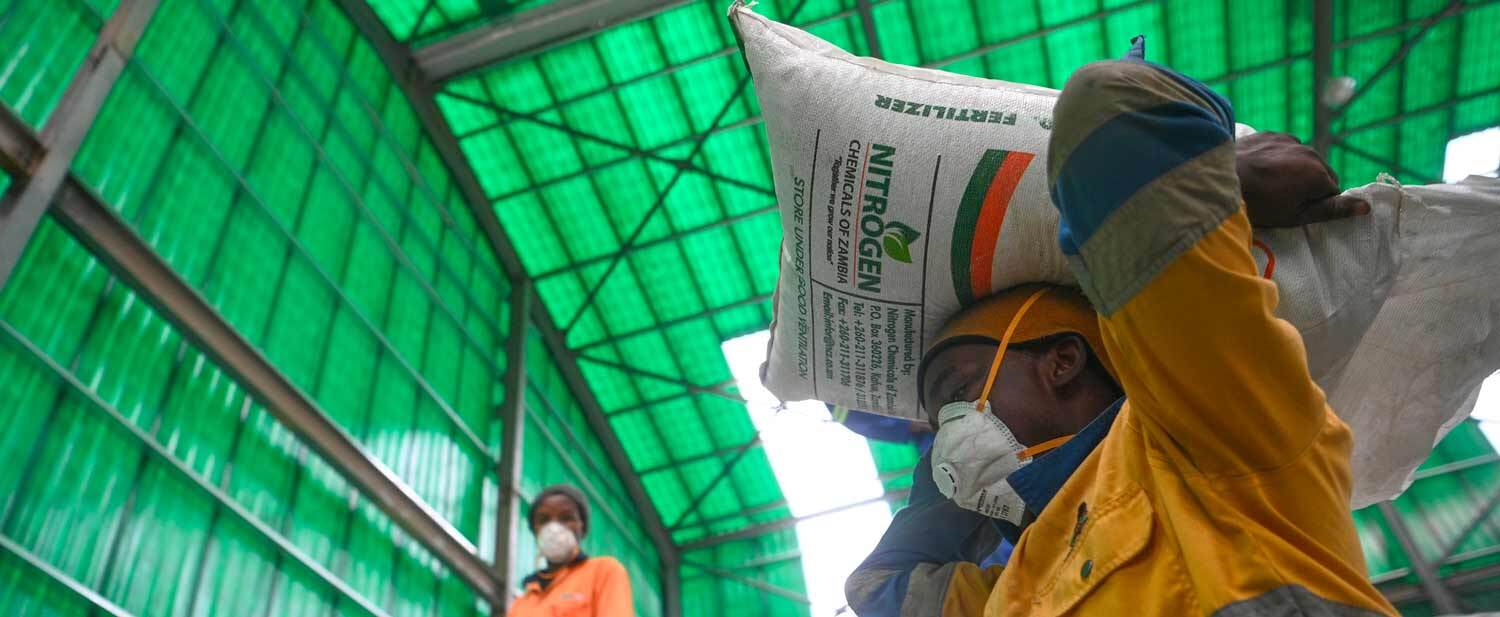
Materials such as cement and steel are also responsible for a significant share of global emissions.
Old Buildings Now Carry Hidden Costs
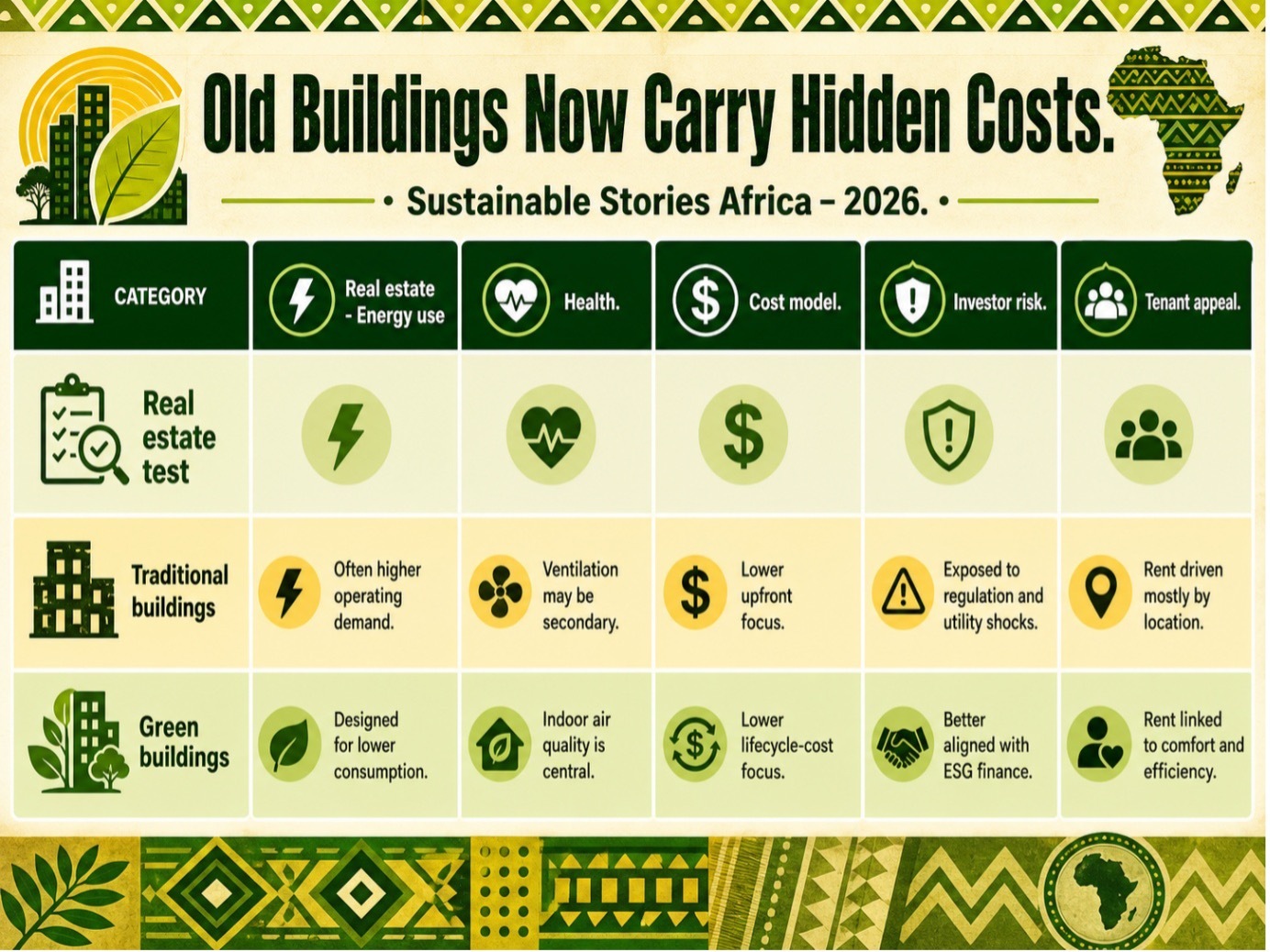
Traditional buildings often look cheaper at the point of construction. But their full cost appears later: higher power bills, poor ventilation, heat stress, water waste, faster maintenance cycles and weaker tenant satisfaction.
- For a Lagos family, that may mean using a generator during hot nights.
- For a small business, it may mean unpredictable electricity spending.
- For a hospital, it may mean poor indoor air quality affecting patients and staff.
- For investors, it can mean a building that becomes harder to lease, insure or finance as sustainability standards rise.
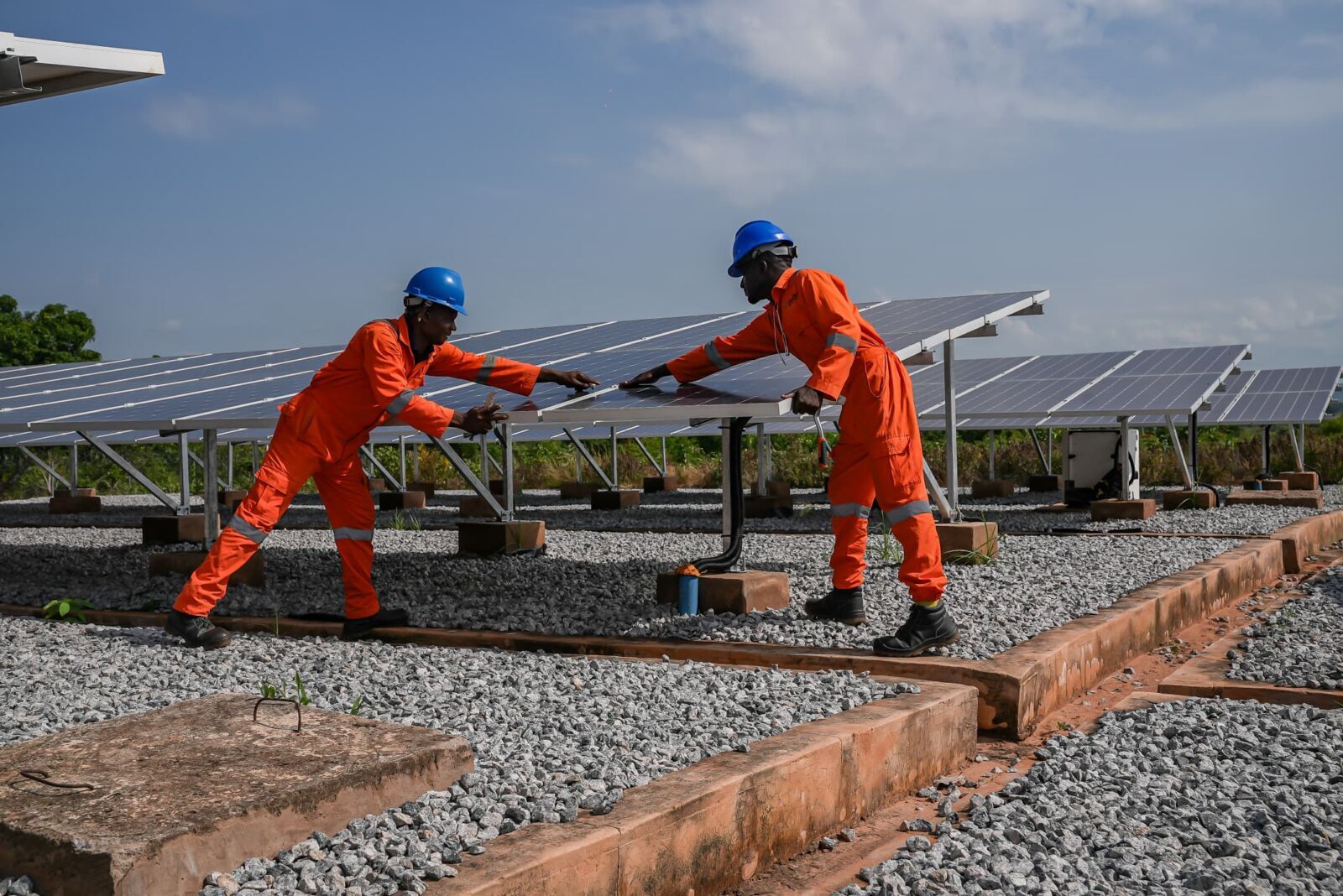
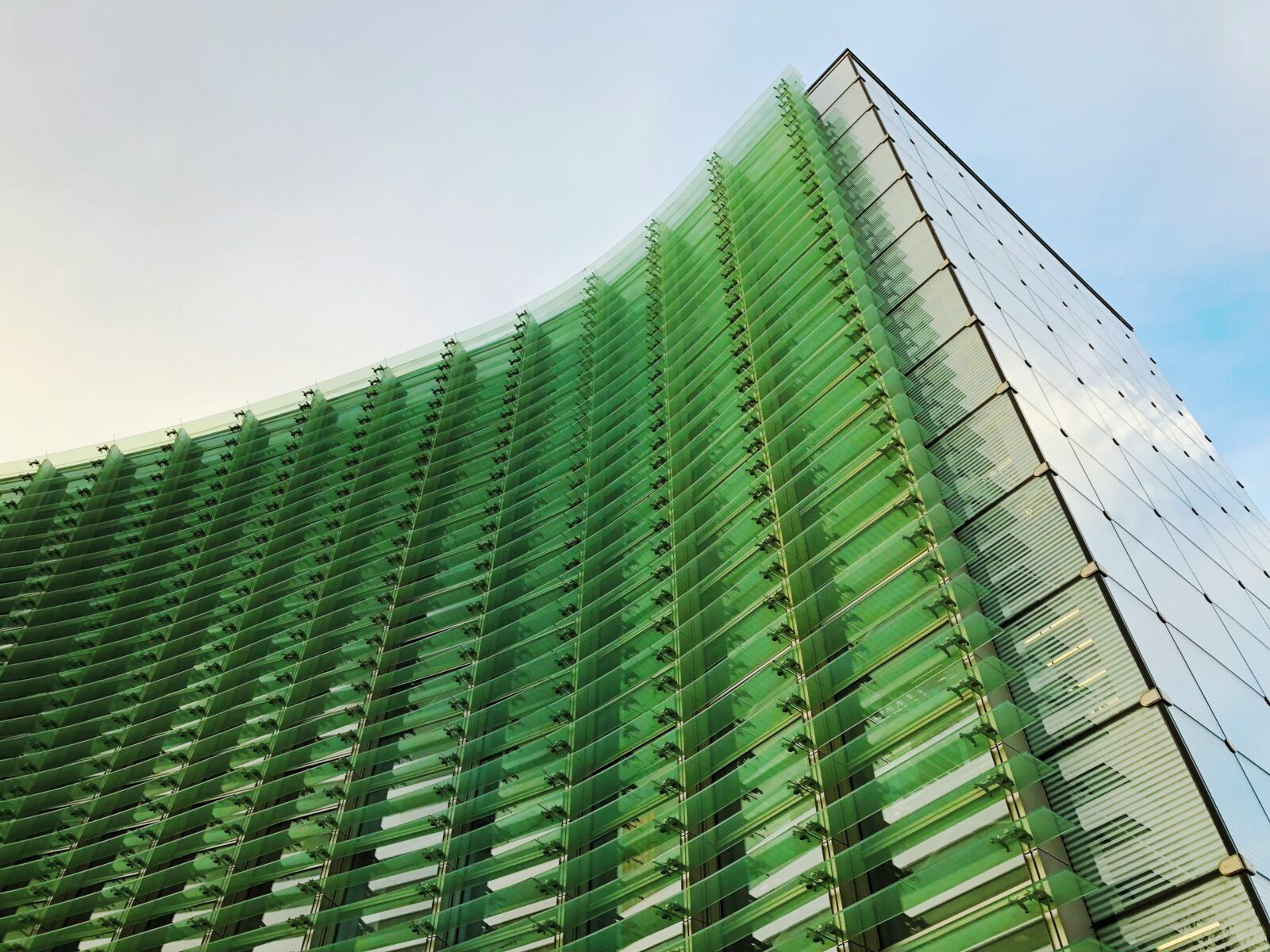
Green buildings reverse that logic. They use design, materials and technology to reduce waste from the start: passive cooling, better insulation, efficient lighting, water-saving systems, solar integration, natural ventilation and lower-carbon materials.
Healthier Spaces Create Economic Value
The strongest case for green buildings is no longer moral; it is economic. A building that uses less energy, wastes less water and supports healthier occupants can become cheaper to operate and more valuable over time.
The International Finance Corporation’s EDGE standard, widely used in emerging markets, requires at least 20% projected savings in energy, water and embodied energy in materials compared with a local baseline.
That threshold makes efficiency measurable, bankable and easier for developers to communicate to buyers and lenders.
For African markets, this is important because the next real estate cycle will be shaped by three pressures at once: rapid urbanisation, climate exposure and affordability.
Green buildings offer a way to build for growth without locking households and businesses into high operating costs.
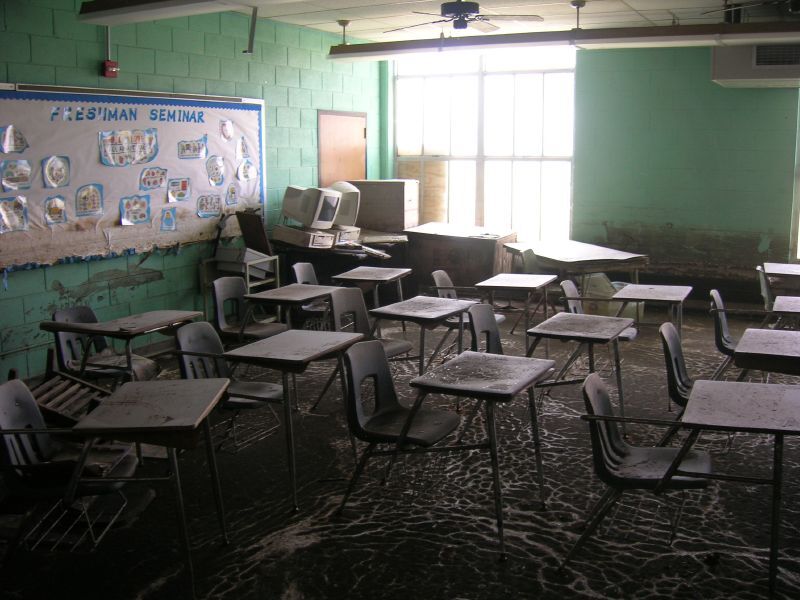
The benefit is also social. Better buildings can reduce heat stress in classrooms, improve comfort in clinics, lower energy spending for families and make workplaces healthier.
In cities where power cuts and high temperatures are daily realities, efficiency becomes a form of resilience.
Markets Must Price Lifecycle Performance
To accelerate the shift, governments, banks and developers need to stop treating green design as an optional luxury. Building codes should reward efficiency.
Mortgage and construction finance should recognise lower operating risk. Public buildings should become demonstration assets. Developers should disclose lifecycle costs, not only selling prices.
This is where real estate meets ESG. Investors increasingly want assets that can withstand energy volatility, climate regulation and changing tenant expectations. WorldGBC reported that more than two-thirds of Green Building Councils saw rising adoption of sustainable building principles across their markets, signalling that sustainable construction is becoming mainstream even amid political headwinds.
The action point is clear: African cities should not repeat the mistakes of energy-intensive urbanisation. They can build homes, offices, schools and hospitals that cost less to run, protect people better and hold value for longer.
Path Forward – Build Better, Finance Smarter, Measure Everything
The path forward is to make efficiency visible, measurable and financeable.
Governments should update building codes, banks should offer green mortgages, and developers should publish lifecycle-cost data alongside prices.
For African markets, green buildings are not just climate assets. They are affordability tools, health infrastructure and long-term value protection for cities growing under pressure.