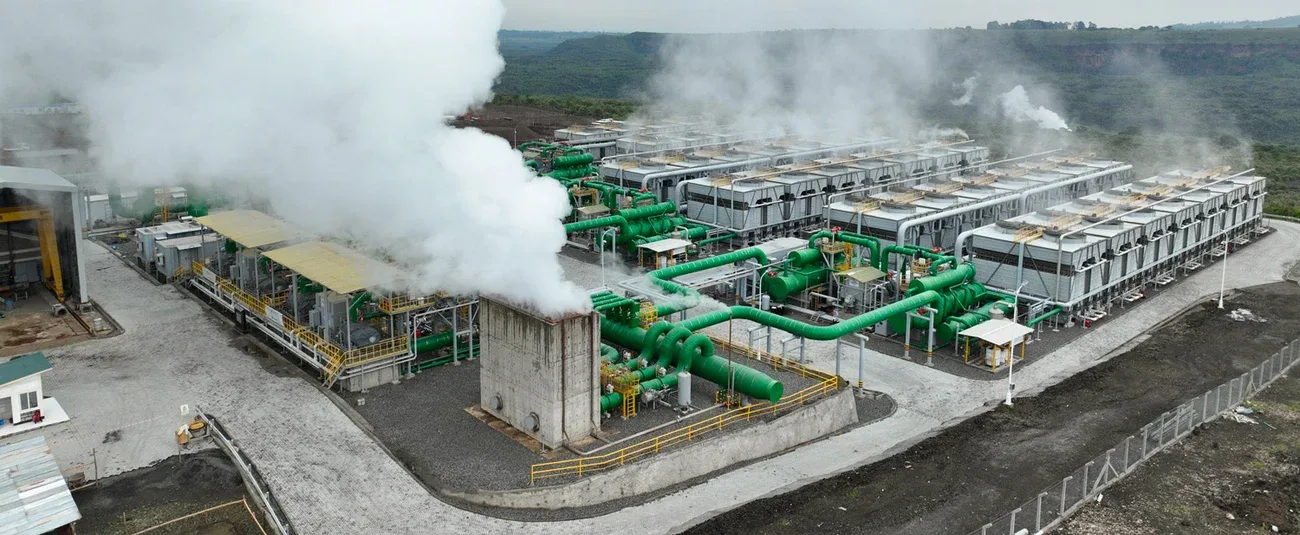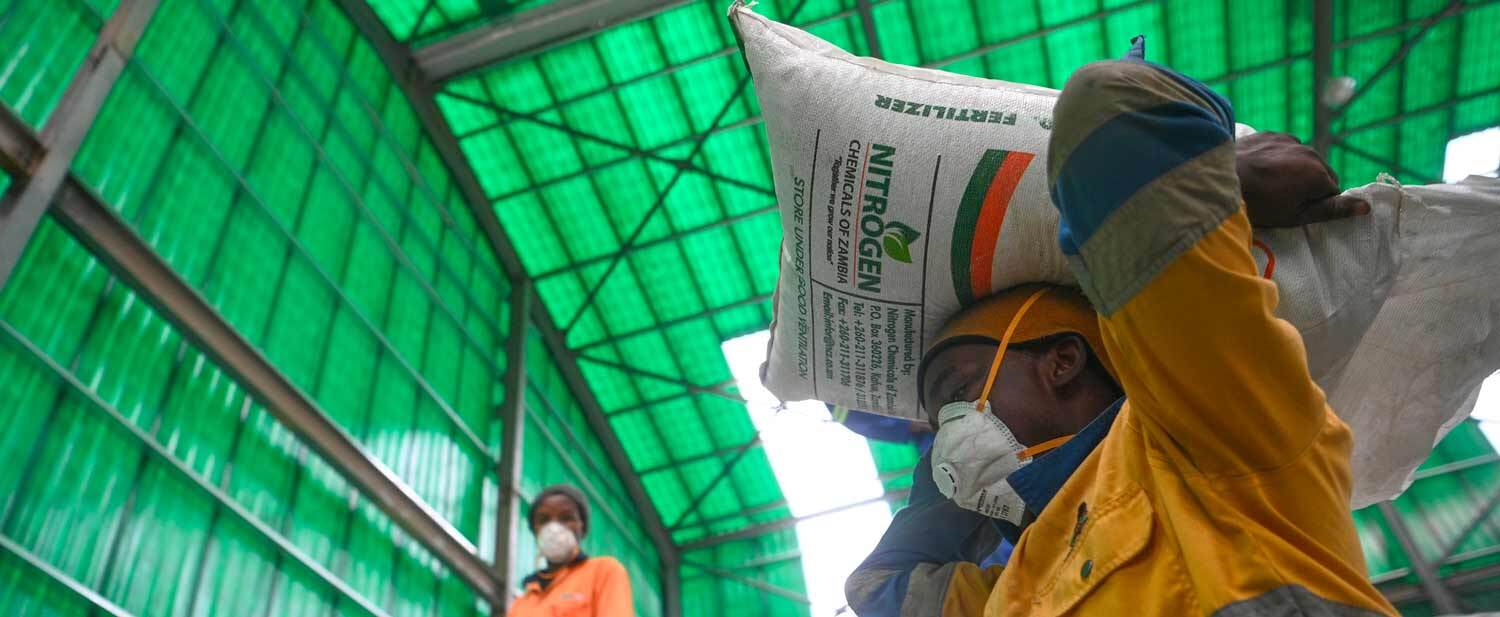
Conflict around Iran and the Persian Gulf is disrupting fertiliser flows through the Strait of Hormuz.
That matters because sub-Saharan Africa imports about 80% of the fertiliser it uses.
For farmers, the risk is immediate: higher input costs, lower yields, weaker incomes, and more pressure on already stretched household diets.
Fertiliser Shock Now Threatens African Plates
Africa’s food systems are facing a new external shock as conflict around Iran and the Persian Gulf disrupts fertiliser exports, threatening a continent that imports about 80% of the fertiliser used by its farmers.
The risk is no longer only about global shipping. It is about what happens when a farmer in Malawi, Kenya, Ghana or Nigeria cannot afford enough nutrients for the next planting season.
The concern follows fresh warnings that disruption of the Strait of Hormuz could choke fertiliser supplies from Gulf producers, including Iran and Qatar, into African markets.
Down To Earth reported that Iran is a major global urea exporter, while Nigeria, Ghana, Togo, Kenya, Tanzania and North African countries buy urea from Iran. Qatar, another key producer, reportedly halted urea production in early March 2026 after gas infrastructure was hit.
For African households, the danger is familiar: when fertiliser prices rise, farmers often use less; when they use less, yields fall; when yields fall, food prices rise.
The shock moves quickly from ports to farms, and from farms to plates.
Imports Reveal A Deeper Food Weakness
The immediate crisis is geopolitical, but the vulnerability is structural. African agriculture has long depended on imported fertiliser, subsidised input programmes and staple-crop strategies that focus heavily on maize, rice and wheat.
These crops matter, but they do not always deliver the diet diversity needed to fight malnutrition.
Down To Earth noted that fertiliser disruptions have already hurt African farmers before, particularly during the COVID-19 period and the Russia-Ukraine war, when strained supply chains pushed farmers to reduce fertiliser use, lowering yields, incomes and household budgets.
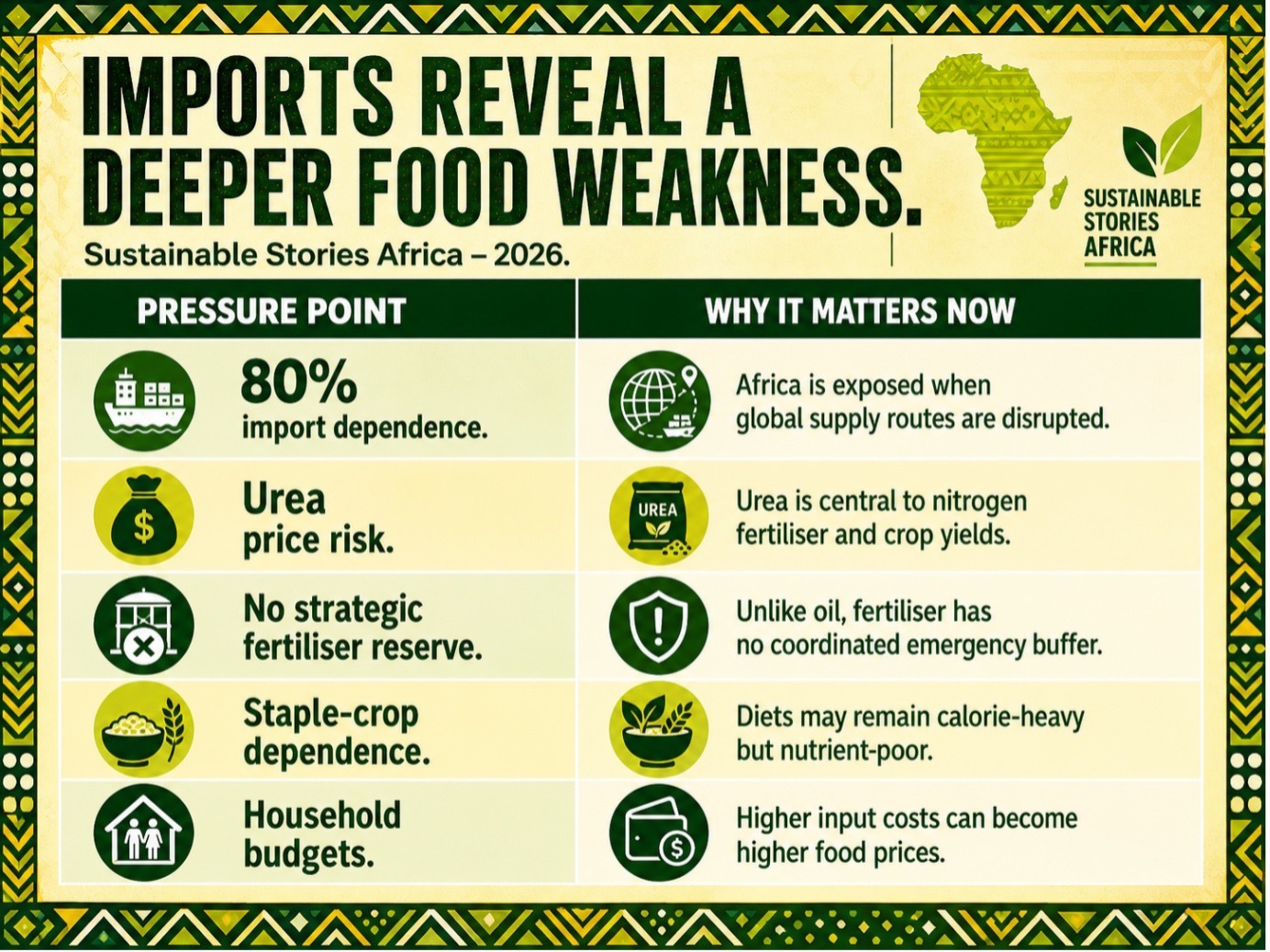
The World Bank has also reported that urea prices surged nearly 46% month-on-month between February and March 2026 amid the Middle East conflict, adding pressure to already fragile food systems.
Nutrition Offers A Smarter Resilience Route
The lesson from the crisis is not that fertiliser no longer matters. It does. But African food systems cannot build resilience by depending on imported chemical inputs whose prices are shaped by wars, gas markets and shipping lanes far beyond the continent.
A stronger approach would combine smarter fertiliser use with nutrition-focused farming.
That means expanding fruit, vegetables, pulses, agroforestry, sustainable aquaculture, livestock, biofortified crops, food fortification, better storage and nutrition education. Down To Earth highlighted these as practical interventions that can improve diets while reducing dependence on fertiliser-heavy production models.
This is where the human story becomes clear.
- A mother buying food in Accra does not experience “fertiliser market disruption” as a trade term. She experiences it as smaller portions, fewer vegetables, less protein and tougher choices.
- A farmer in northern Nigeria does not experience “urea volatility” as a commodity chart. He experiences it as deciding whether to plant less, borrow more or risk a weaker harvest.
Governments Must Act Before Scarcity Deepens
African governments, development banks and agribusinesses should treat the Iran-linked fertiliser shock as an early warning. The response should not be panic imports alone. It should be a redesign of input security, soil health and nutrition policy.
- The first priority is to protect the planting season by improving access to fertiliser where it is needed most.
- The second is to reduce waste through soil testing, precision use and farmer advisory systems.
- The third is to diversify food production toward crops that improve nutrition and reduce pressure on imported inputs.
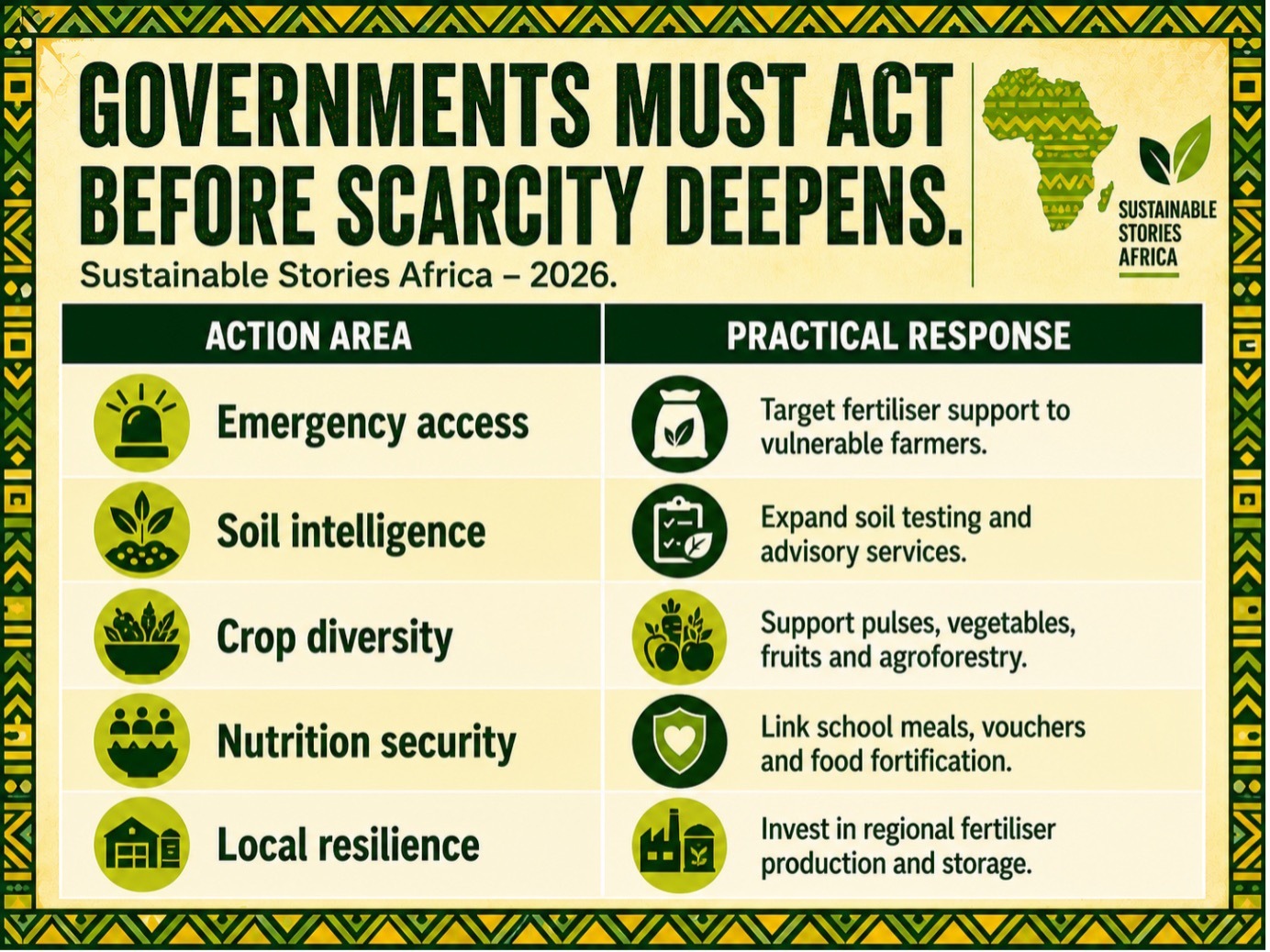
The bigger shift is policy. Subsidies should not only push more fertiliser into staple crops.
They should reward soil restoration, water efficiency, crop diversity and healthier diets. Public finance should back storage, cold chains, local processing and climate-smart extension services.
Path Forward – Build Resilience Beyond Imported Inputs
Africa’s next food security strategy must reduce exposure to distant shocks while protecting farmers today.
That means smarter fertiliser use, stronger soil systems, diversified crops, better nutrition programmes and local production capacity.
The Iran shock is a warning. If Africa responds only at the port, it will remain vulnerable.
If it responds from the soil upward, it can build food systems that are more affordable, nutritious and resilient.
Culled From: https://www.downtoearth.org.in/africa/80-of-africas-fertiliser-is-imported-how-food-systems-can-adapt-to-iran-shock