Africa’s renewable energy sector attracted about $9.8 billion in funding in April 2026.
Hybrid power projects and biofuels are drawing fresh investor attention as energy systems seek flexibility.
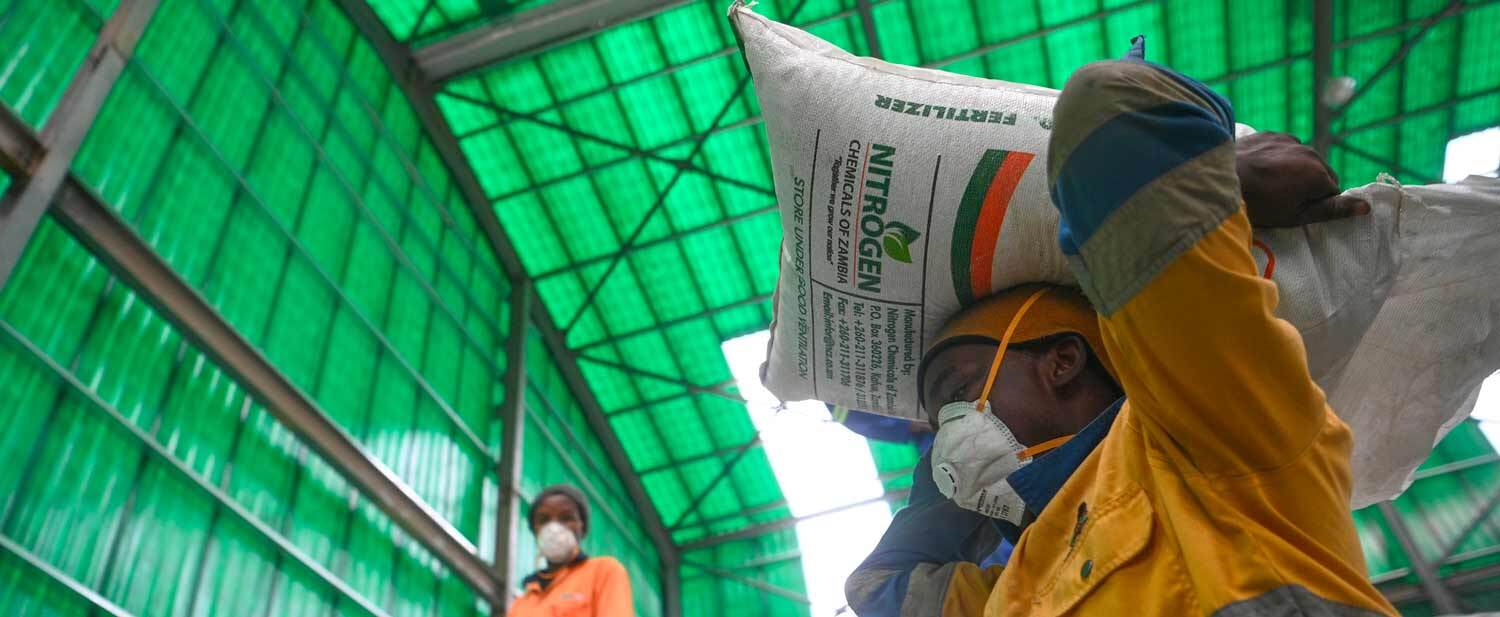
The shift matters for factories, farms, and households exposed to outages, diesel costs and fuel insecurity.
Capital Moves Toward Flexible Energy
Africa’s clean-energy funding story is shifting from single-technology ambition to practical resilience, with hybrid renewable projects and biofuels attracting stronger investor interest across the continent.
Renewables Rising reported that Africa’s renewable energy sector drew $9.8 billion in funding in April 2026, with South Africa securing the largest share at $3.8 billion, followed by Zambia with $1.5 billion.
The signal is clear: investors are not only backing more megawatts. They are backing energy systems that can work when grids are weak, hydropower falls short, fuel prices rise, or industrial demand becomes harder to serve.
Why Investors Are Following Hybrids
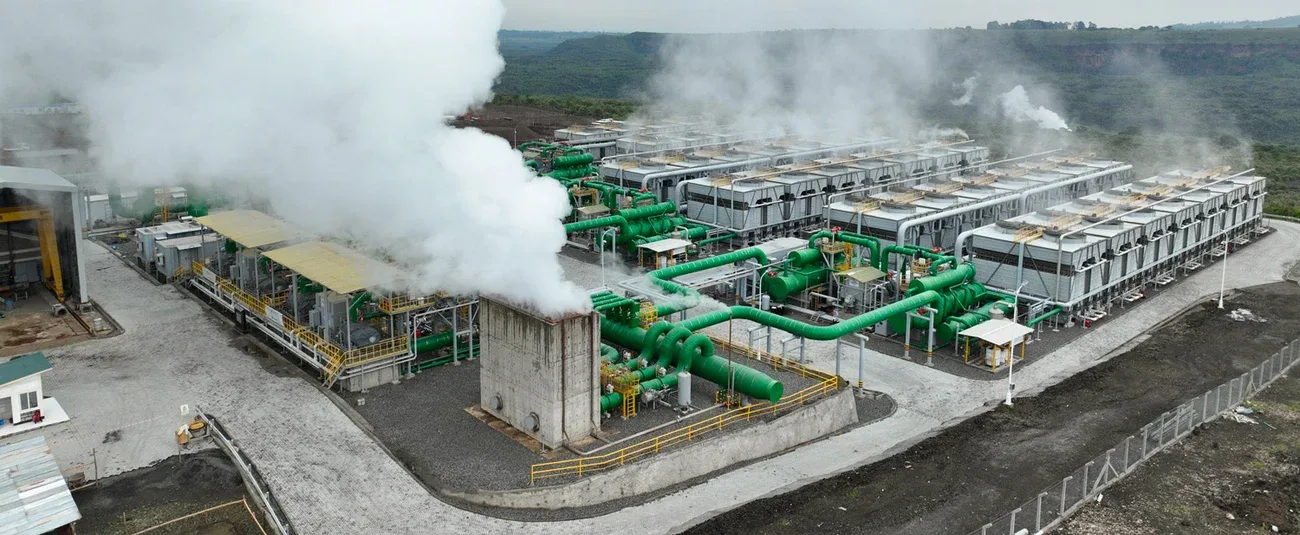
Hybrid projects, typically combining solar, wind, storage, gas backup or grid integration, are becoming more attractive because they solve one of Africa’s toughest energy problems: reliability.
For a mine in Zambia, a factory in South Africa or an agro-processor in Nigeria, the cheapest power is not always the most useful.
What matters is whether electricity arrives when machinery is running, cold rooms are active, and workers are on shift.
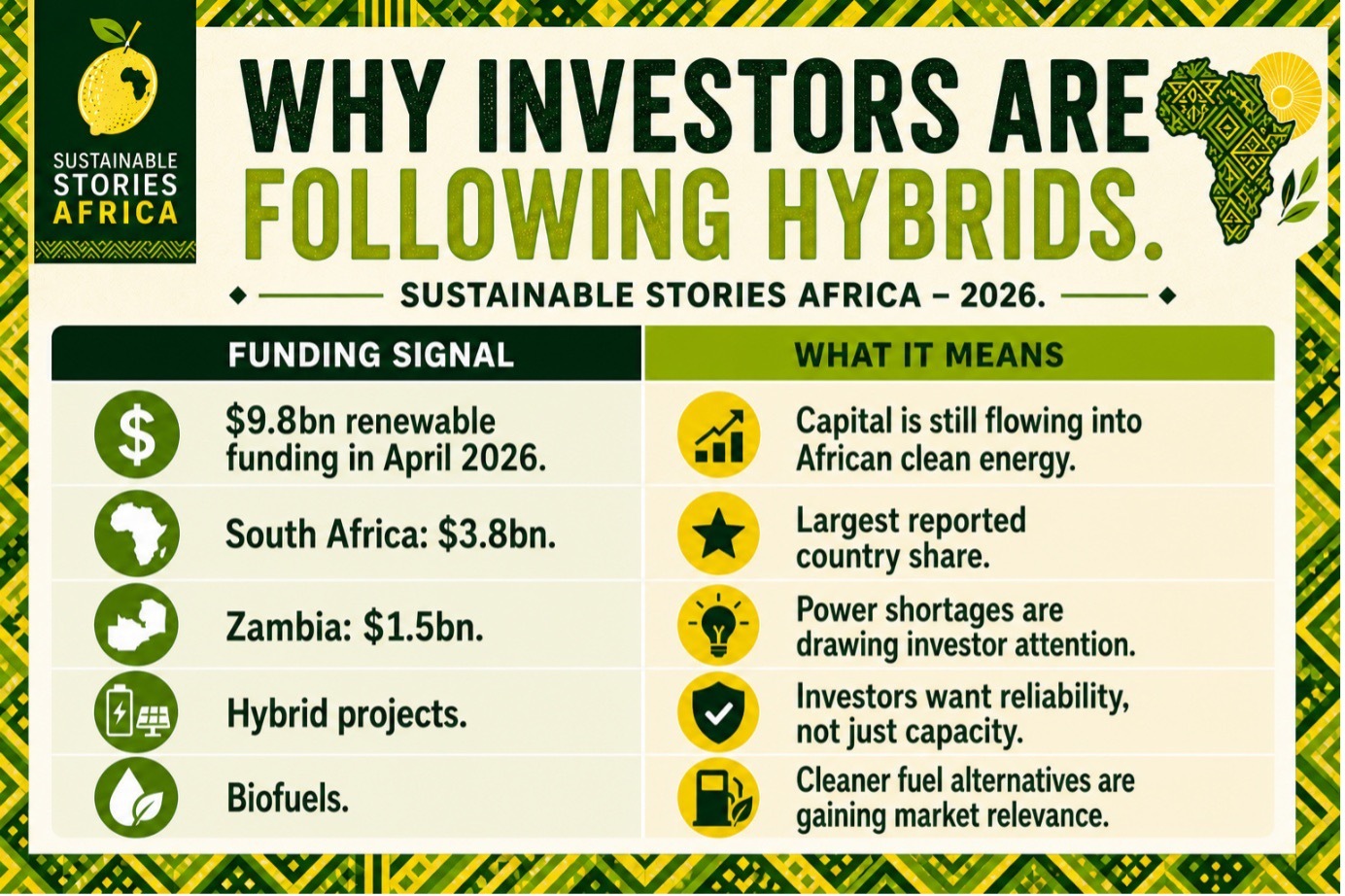
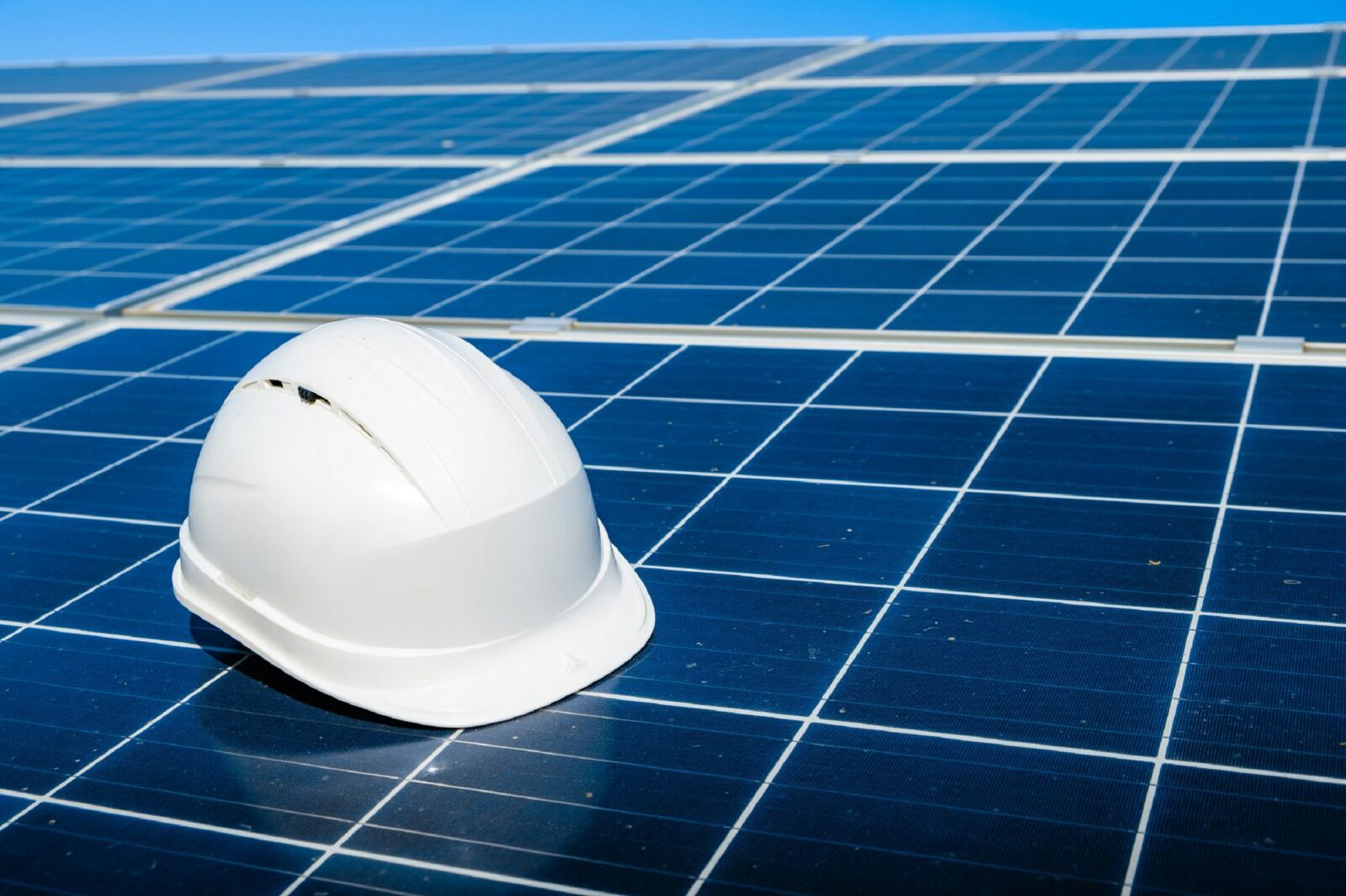
Battery storage is central to this shift. The Africa Solar Outlook 2026, cited by The Energy Pioneer, highlighted how falling storage costs are helping solar power move beyond intermittency toward dispatchable electricity.
Biofuels add another layer. They can support cleaner transport, agricultural value chains and industrial fuel substitution, especially where full electrification remains slow.
Cleaner Finance Can Build Resilience
The opportunity is not just climate branding. It is development resilience.
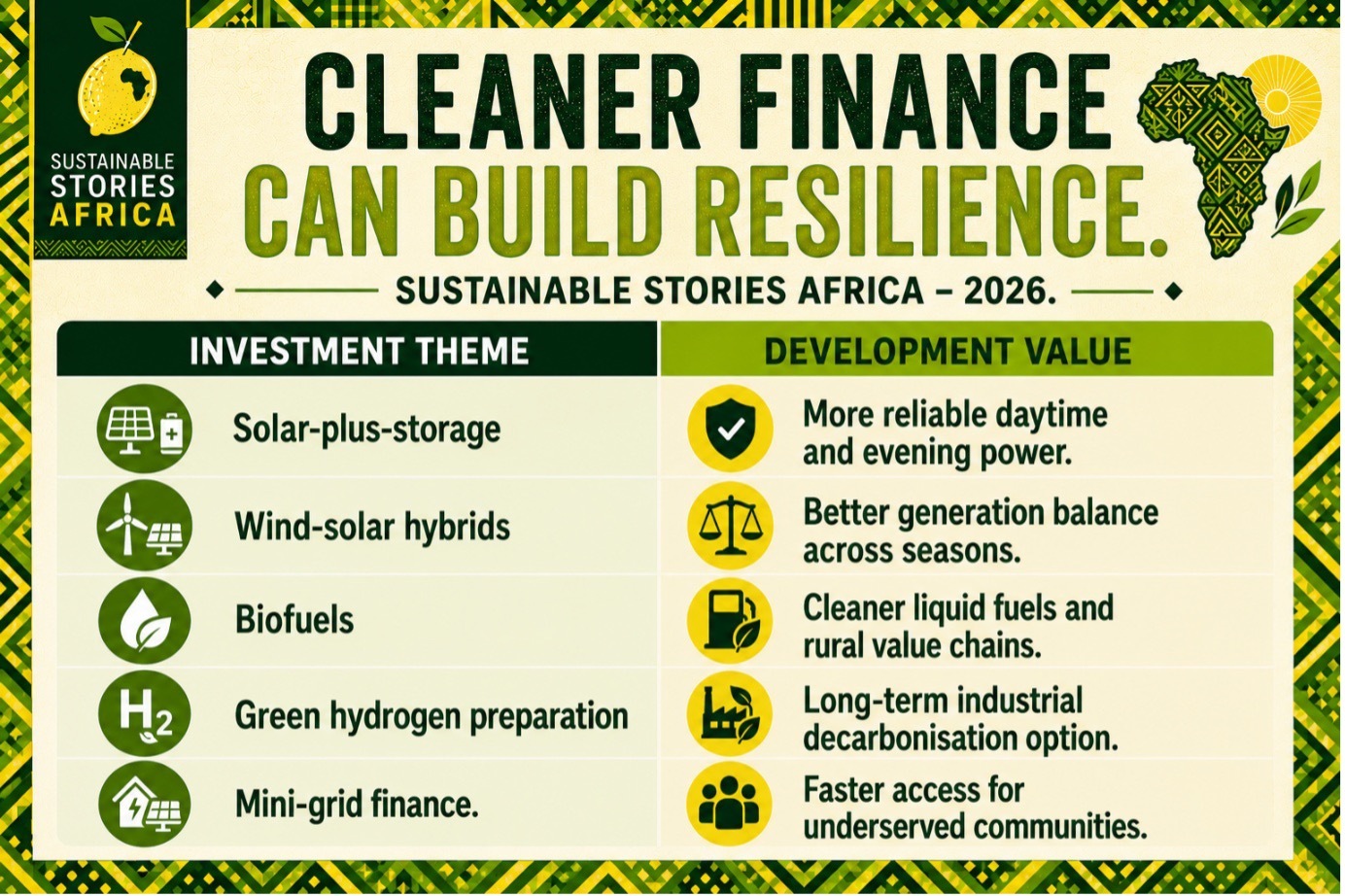
Hybrid systems can reduce dependence on diesel generators, support mini-grids, stabilise commercial power supply and lower emissions.
Biofuels can create rural supply chains for feedstocks, processing, logistics and blending, if sustainability rules are strong.
Africa also has growing institutional support. The African Development Bank’s Sustainable Energy Fund for Africa launched a 2026 call offering up to $20 million for green hydrogen pre-investment support across the continent, another sign that blended finance is moving earlier into project preparation.
However, the risk is that capital clusters only around bankable, grid-connected or industrial projects, leaving poorer communities behind.
Funding Must Reach Real Demand
African policymakers and financiers now need to turn investor appetite into inclusive infrastructure.
That means faster permitting, clearer tariffs, stronger local-currency financing, bankable power-purchase agreements, and sustainability standards for biofuel feedstocks.
It also means ensuring hybrid projects serve factories and communities, not only mines, ports and elite commercial users.
The funding review shows a practical energy transition emerging: less ideological, more operational.
Investors want systems that generate, store, dispatch and substitute fuel where needed.
Path Forward – Turn Investment Into Inclusive Power
Hybrid energy and biofuels can help Africa build cleaner, more reliable systems if finance is tied to access, jobs and local value creation.
The path forward is to blend private capital with public planning, protect communities from exclusion, and set strong sustainability rules. Done well, this funding shift can move African energy markets from project announcements to real power security.
Culled From: Funding review: Hybrid projects & biofuels find investors