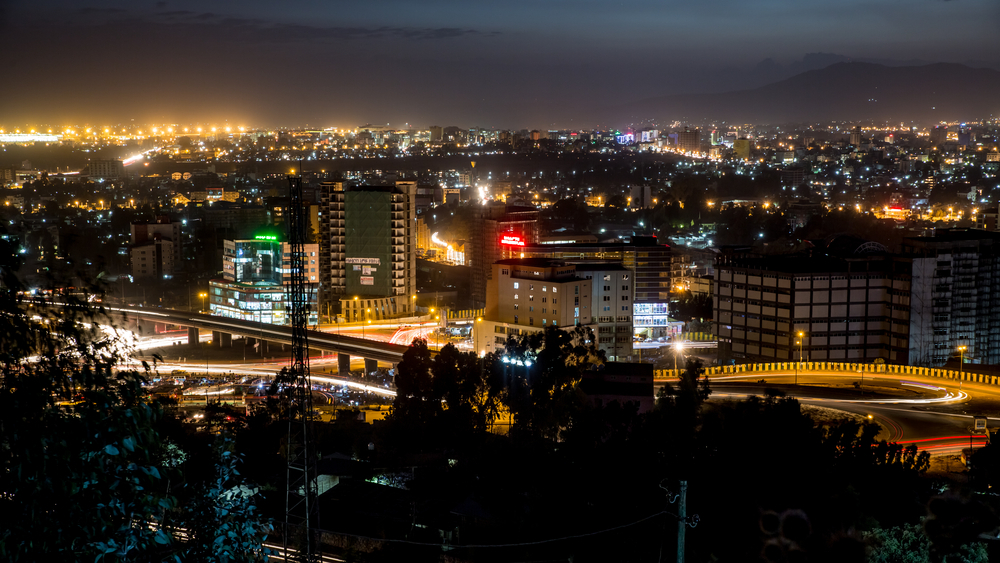
Ethiopia has more than doubled its installed power capacity in under a decade.
The surge, led by hydropower and the Grand Ethiopian Renaissance Dam, is reshaping East Africa’s energy map.
The next challenge is turning generation growth into reliable electricity for households, factories and regional trade.
Megawatts Rise, But Access Still Matters
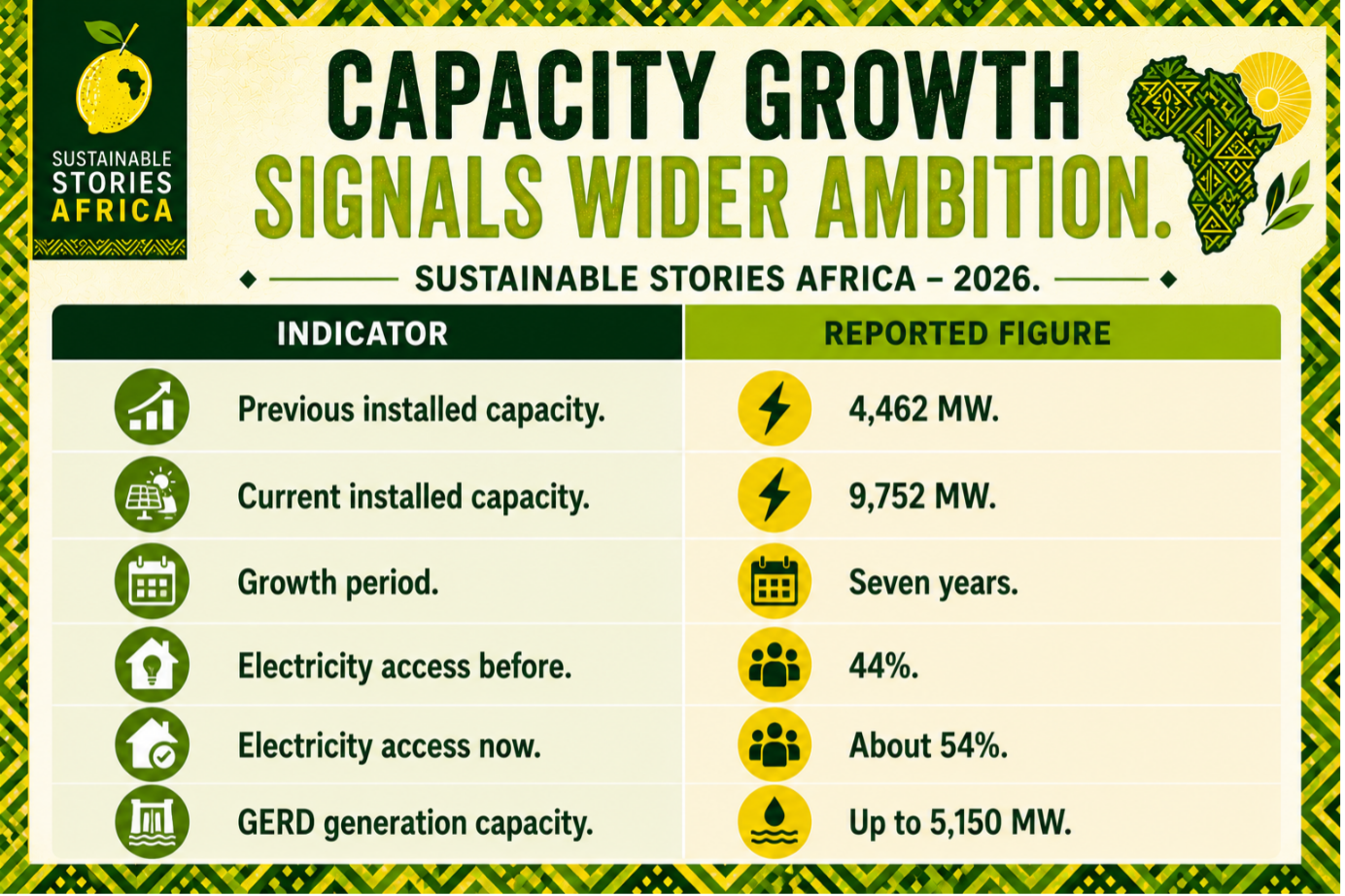
Ethiopia has more than doubled its installed power generation capacity, rising from 4,462 MW to 9,752 MW in seven years, according to Ethiopian Electric Power details reported by Xinhua.
The expansion places the country among Africa’s most ambitious renewable-power builders at a time when electricity access is becoming a decisive measure of economic competitiveness and climate resilience.
The increase has been driven largely by hydropower, including the Grand Ethiopian Renaissance Dam, which Ethiopia inaugurated in September 2025.
Reuters reported that the $5 billion dam is designed to generate up to 5,150 MW, which makes it Africa’s largest hydroelectric project.
Capacity Growth Signals Wider Ambition
The numbers tell a story of state-led infrastructure ambition. Ethiopia has expanded installed power capacity while raising national electricity access from 44% to about 54%, according to Ethiopian Electric Power’s communication director, Moges Mekonnen.
For an Ethiopian household still waiting for dependable power, the achievement may feel distant.
A dam can double national capacity, but a small shop, clinic or rural school still needs connection, affordability and reliable distribution.
That is the central tension in Ethiopia’s power story: generation has accelerated faster than universal access.
Clean Power Can Drive Transformation
Ethiopia’s advantage is that its power boom is overwhelmingly renewable energy.
The International Energy Agency says hydropower accounted for 96% of Ethiopia’s electricity generation in 2023, giving the country a cleaner electricity base than many fossil-fuel-dependent economies.
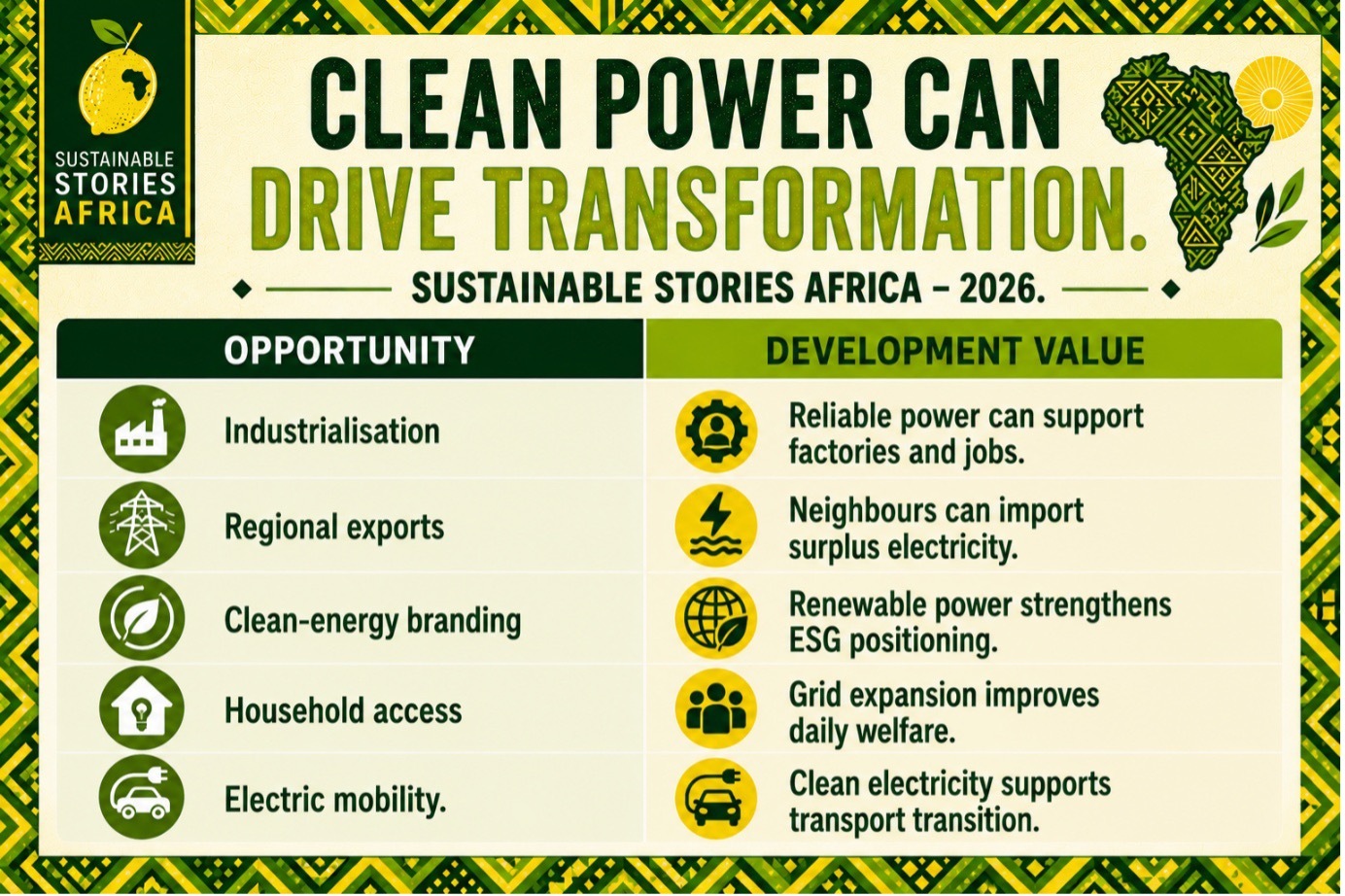
Regional interest is already emerging. AP reported that leaders from Kenya and South Sudan expressed interest in importing electricity from Ethiopia’s dam, showing how one country’s generation expansion could become a shared regional asset.
Infrastructure Must Match Generation Gains
Ethiopia now needs to convert capacity into service.
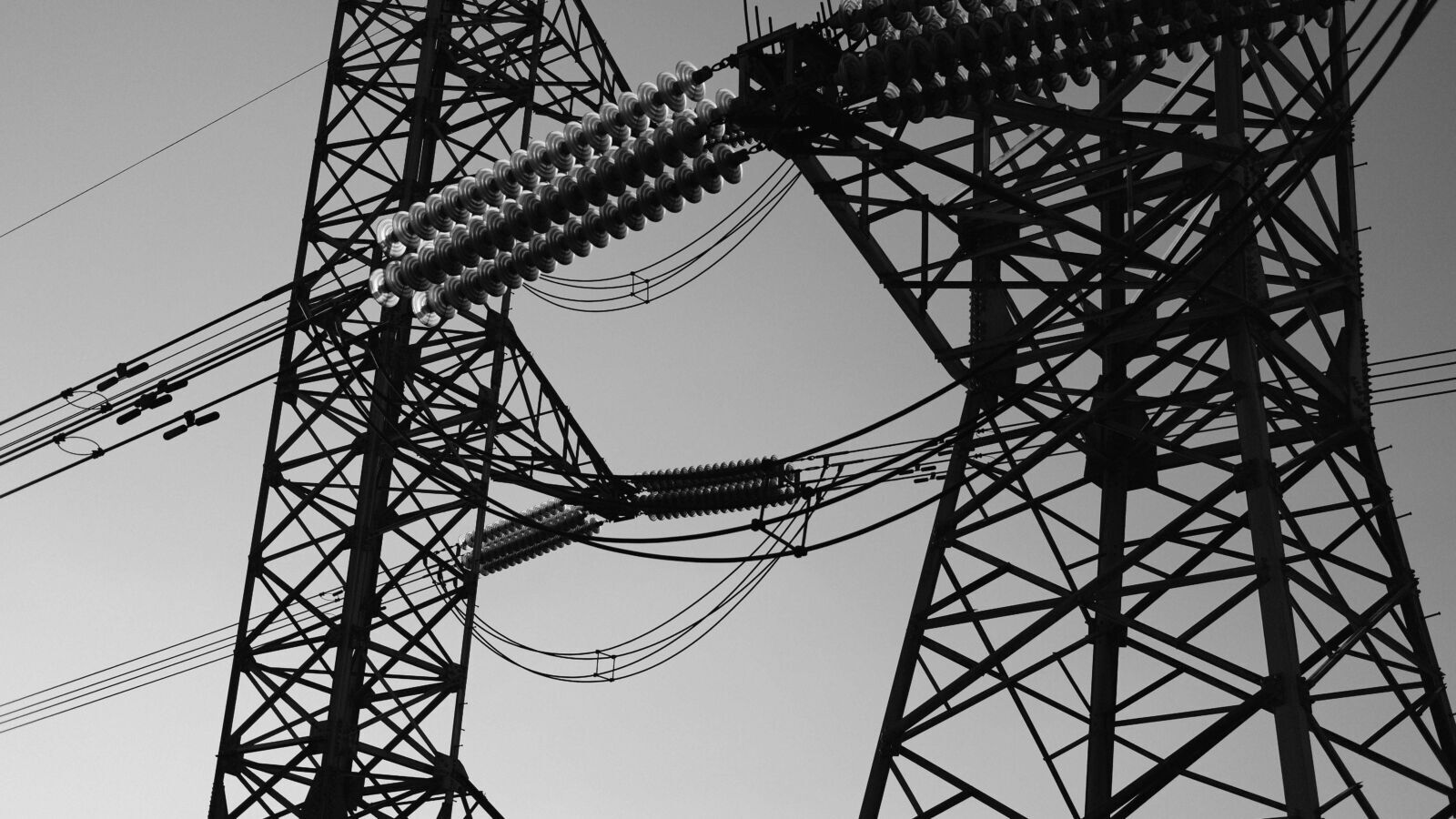
That means expanding transmission lines, strengthening distribution, improving utility finances, connecting underserved communities, and managing hydropower dependence in a changing climate.
It also means handling Nile diplomacy carefully. Egypt and Sudan have raised concerns over downstream water security, while Ethiopia argues the dam is central to development and the regional power supply.
Ethiopia’s lesson fits that frame: clean megawatts matter most when they translate into inclusive development.
Path Forward – Turn Megawatts Into Shared Prosperity
Ethiopia’s doubled capacity should power more than national pride. It should power homes, farms, factories, clinics, schools and regional markets.
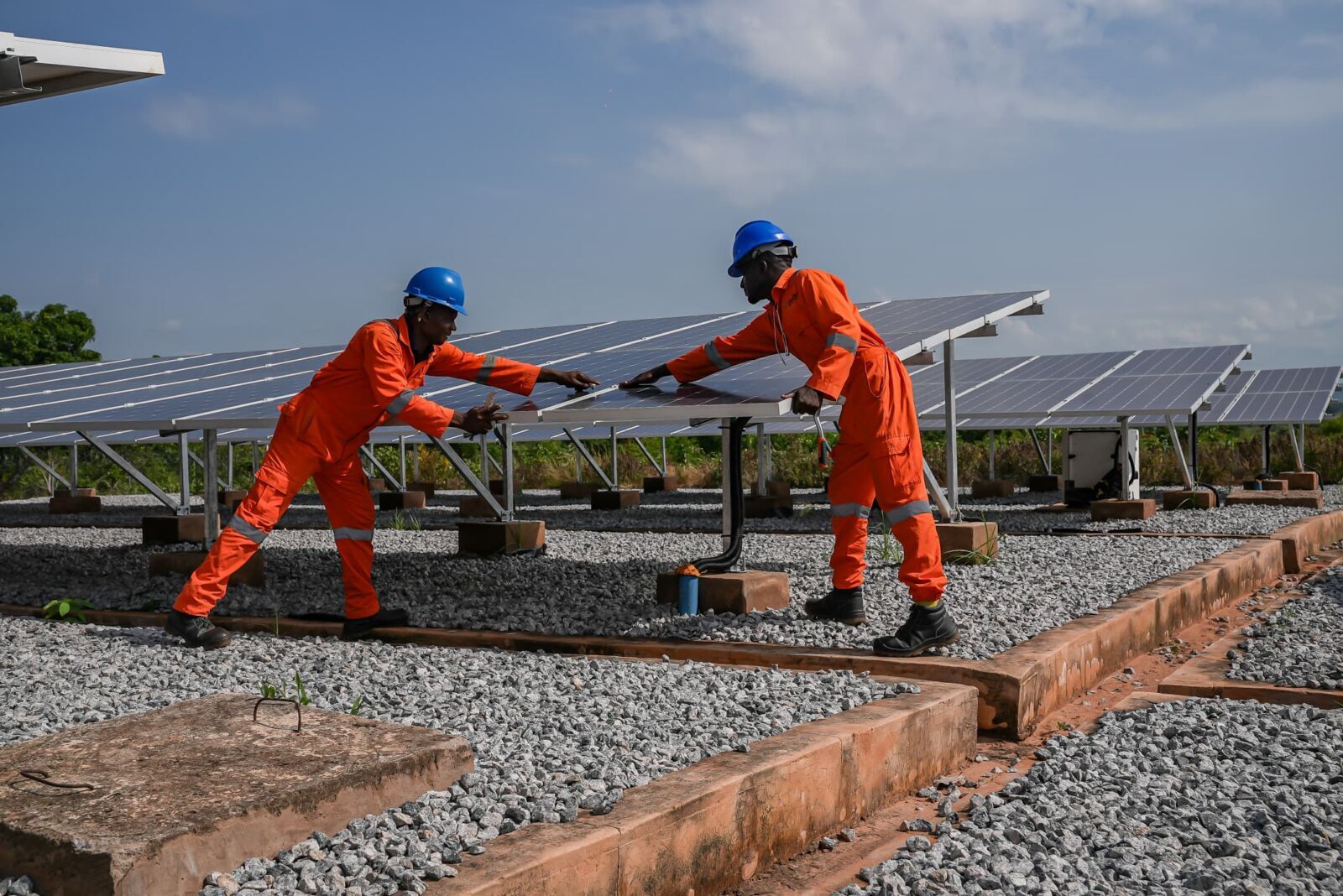
The path forward is to expand access, diversify renewables, strengthen grid reliability and deepen transparent regional power trade.
Well done, Ethiopia’s power surge can become one of Africa’s strongest clean-growth stories.
Culled From: Ethiopia doubles its installed capacity in a decade