Nigeria has launched a new urban sanitation diagnostic aimed at accelerating reforms and attracting investment into the country's sanitation sector.
The initiative provides a roadmap for strengthening governance, mobilising finance and improving safely managed sanitation services.
For cities, households and investors, the findings could reshape public health, environmental resilience and sustainable urban development.
New Sanitation Blueprint Targets Investment Gap
Nigeria has taken a significant step toward transforming its urban sanitation sector as the African Development Bank (AfDB), the African Water Facility, the Federal Government and development partners reviewed findings from the Nigeria Urban Sanitation Sector Diagnostic Study, positioning the report as a catalyst for reforms and increased investment.
The diagnostic study, developed under the African Urban Sanitation Investment Initiative (AUSII), was unveiled in Abuja at a stakeholder workshop that brought together government agencies, financiers, utilities, development partners, civil society and private-sector representatives.
Officials described the report as a strategic roadmap for improving urban sanitation governance, attracting private capital and expanding access to safely managed sanitation services.
Representing the Minister of Water Resources and Sanitation, Prof. Joseph Utsev, Acting Permanent Secretary Ali Ibrahim Dallah said the findings arrive at a critical time as Nigeria intensifies efforts to strengthen sanitation services, protect public health and close longstanding infrastructure gaps.
Evidence Points to Urgent Reform Needs
Rapid urbanisation is placing unprecedented pressure on Nigeria's sanitation systems.
Growing populations, inadequate wastewater treatment, weak faecal sludge management, fragmented institutional responsibilities and limited investment have left many urban centres struggling to provide safe sanitation services.
Stakeholders at the review warned that these challenges contribute to disease outbreaks, groundwater contamination, flooding, environmental degradation and significant economic losses.
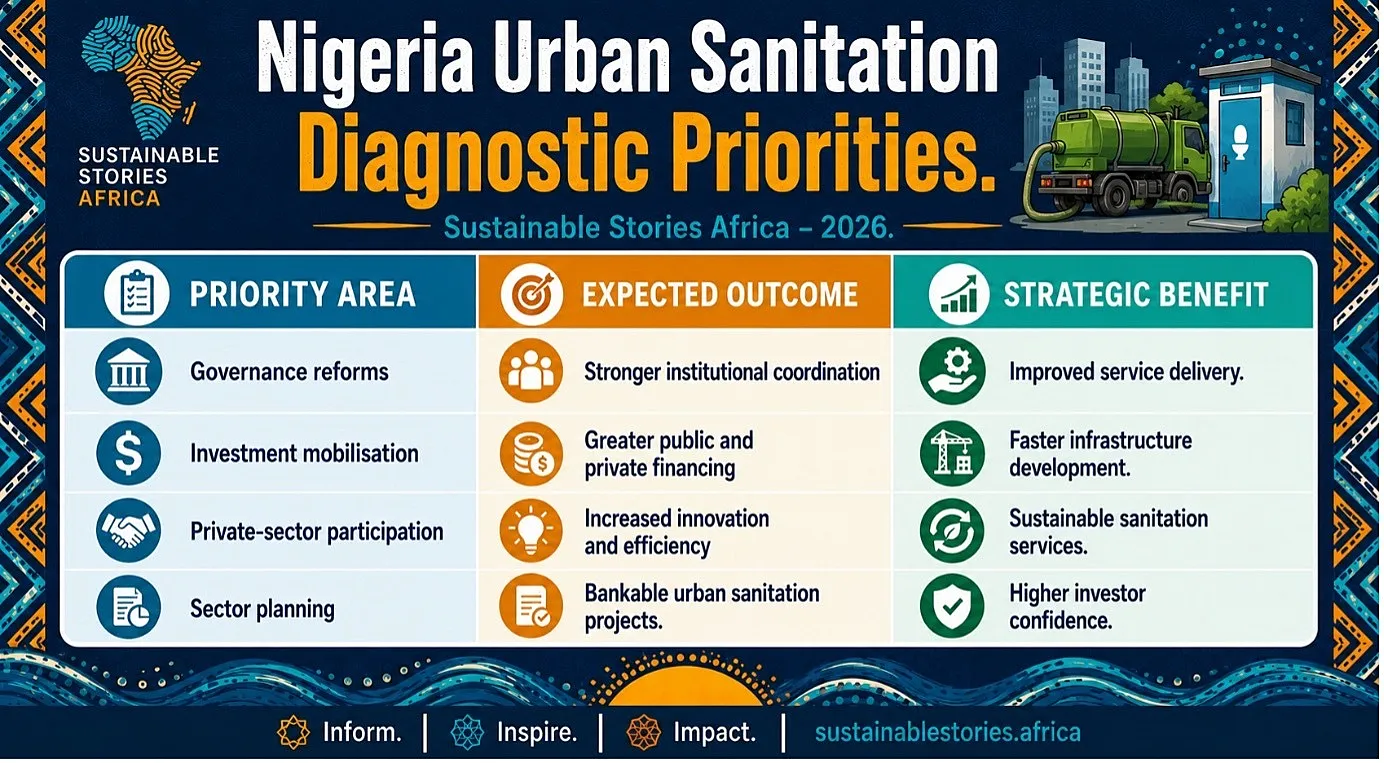
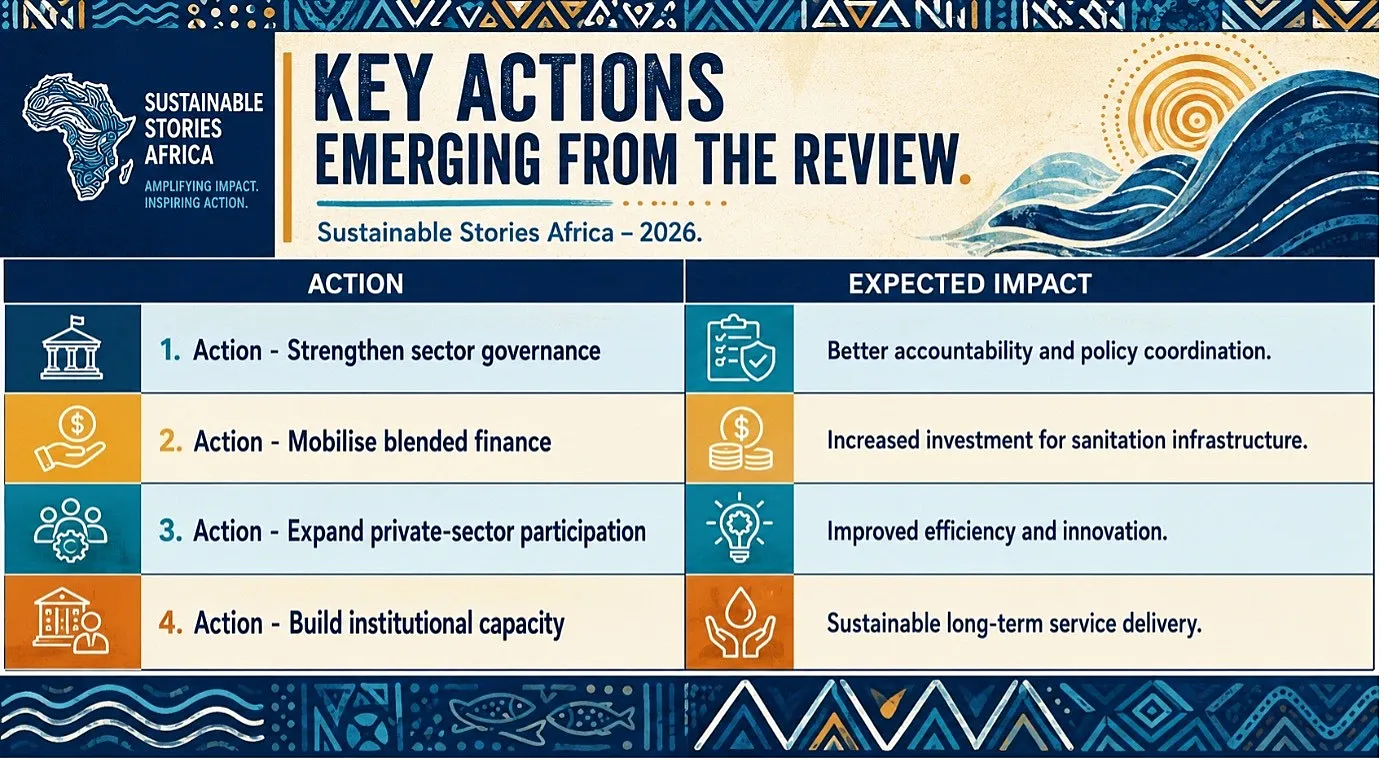
The diagnostic report identifies opportunities to strengthen sector governance, improve financing mechanisms and encourage greater private-sector participation in sanitation infrastructure.
It also forms part of the broader Africa Urban Sanitation Investment Initiative, which seeks to help African cities prepare bankable sanitation projects that can attract development finance and commercial investment.
Officials emphasised that sanitation should no longer be viewed solely as a social service.
Instead, they argued it represents a strategic investment that improves health outcomes, enhances environmental sustainability, increases labour productivity and supports more resilient cities.
The African Development Bank has already demonstrated this approach through projects such as the $223 million Nigeria Urban Water Sector Reform and Akure Water Supply & Sanitation Project, launched in Ondo State in partnership with the French Development Agency (AFD) and the state government.
Better Sanitation Creates Healthier Cities
The report presents more than a diagnosis of current challenges—it offers a pathway toward healthier, more productive and climate-resilient cities.
Improved sanitation reduces disease transmission, protects water resources, lowers healthcare costs and creates cleaner urban environments that support economic growth.
Reliable sanitation infrastructure also strengthens investor confidence by improving the quality of urban services that businesses and industries depend upon.
The African Development Bank's 2026 Annual Development Effectiveness Review highlights sanitation as a core development priority, reporting that more than 1.8 million people benefited from improved sanitation services through Bank-supported operations during 2025.
Without sustained reform, however, Nigeria risks falling further behind as rapid urban expansion continues to outpace sanitation infrastructure, increasing environmental pressures and public health risks.
Reform Must Unlock Sustainable Investment
Stakeholders agreed that translating the diagnostic findings into measurable progress will require coordinated implementation across all levels of government.
Priority actions include strengthening sector regulation, improving project preparation, mobilising blended finance, encouraging private-sector investment and building institutional capacity to manage urban sanitation systems effectively.
Greater collaboration among federal and state governments, development partners, utilities and investors will also be essential.
Path Forward – Partnerships Must Drive Lasting Transformation
Nigeria's urban sanitation diagnostic provides an evidence-based foundation for reform, but its success will depend on turning recommendations into funded projects and measurable outcomes.
With continued support from the African Development Bank, the African Water Facility, and development partners, stronger governance, innovative financing and sustained collaboration can accelerate progress toward safer cities, healthier communities and more resilient urban economies.