The World Bank has priced a $4 billion seven-year Sustainable Development Bond after receiving more than $11 billion in orders.
More than 150 investors participated, with demand spread across bank treasuries, official institutions and long-term asset owners.
The transaction signals appetite for high-quality development debt, but impact will ultimately depend on how lending translates into measurable outcomes.
Demand Surges For Development Debt
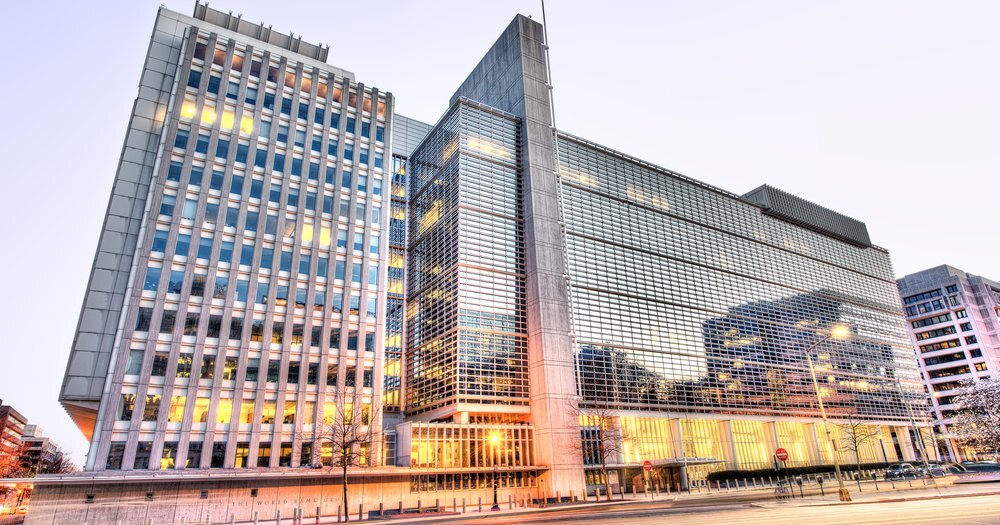
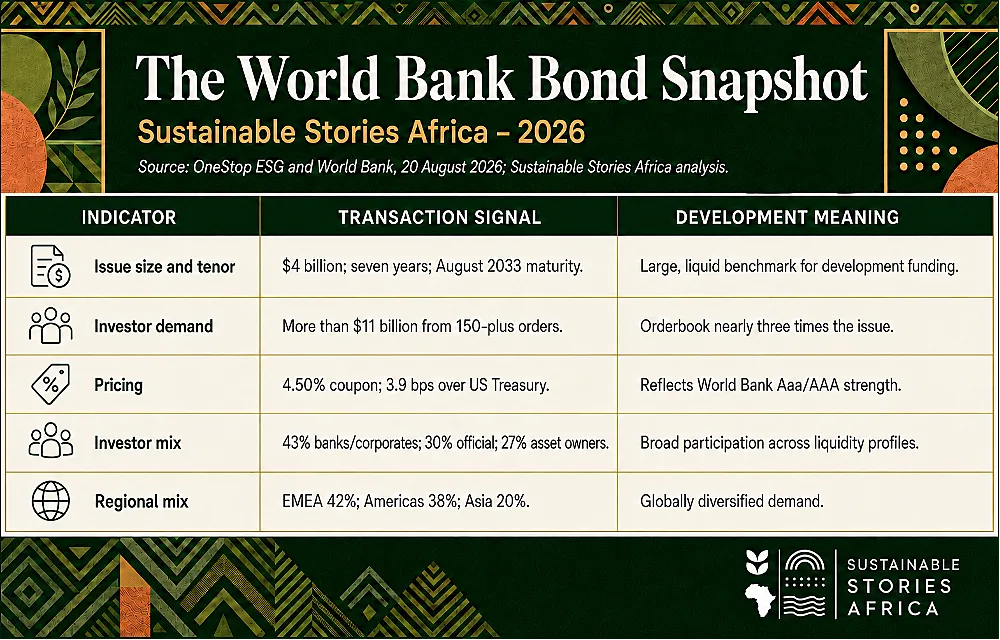
The World Bank has raised $4 billion through a seven-year Sustainable Development Bond maturing in August 2033, attracting more than $11 billion in orders from over 150 investors.
The orderbook was nearly three times the amount issued, offering a strong opening signal for the Bank's new fiscal-year borrowing programme.
The bond carries a 4.50% semi-annual coupon and was priced 3.9 basis points above the reference US Treasury.
Bank of America, Morgan Stanley, Nomura and TD Securities led the transaction, the Bank's first US-dollar benchmark of the fiscal year and its second fixed-rate dollar offering of 2026.
A Broad Investor Base Participated
Demand was diversified in both institutions and geographies.
- Bank treasuries and corporates accounted for 43% of allocations
- Central banks and official institutions took 30%
- Asset managers, insurers and pension funds received 27%.
- Europe, the Middle East and Africa represented 42% of participation, the Americas 38% and Asia 20%.
That spread matters because it shows sustainable development debt can attract liquidity from short-term balance-sheet buyers and institutions managing long-duration obligations.
The World Bank's Aaa/AAA credit standing provides a level of safety and tradability that many emerging-market issuers cannot offer independently.
World Bank Group Vice President and Treasurer Jorge Familiar linked the orderbook to confidence in the institution's financial strength and development mandate.
Lead managers also described the deal as helping reopen dollar primary markets after the seasonal summer slowdown.
Strong Orders Do Not Prove Impact
Sustainable Development Bonds finance the World Bank's broad lending programme rather than a single ring-fenced environmental or social project.
- That distinguishes them from conventional use-of-proceeds green or social bonds.
- The structure gives the Bank flexibility to support development priorities across countries, but it also means investors must assess impact through the institution's overall allocation, project appraisal and reporting systems.
For African countries, the transaction highlights both opportunity and contrast.
- Global investors are willing to commit large volumes to highly rated development paper, while many climate-resilient infrastructure projects on the continent struggle to reach financial close.
- Multilateral balance sheets can bridge that gap through lending, guarantees, risk-sharing and project preparation.
The investor mix also suggests room to deepen local participation in development finance.
- African pension funds and insurers need instruments that match their currencies, regulations and liabilities, not only dollar benchmarks issued abroad.
- Multilateral institutions can help develop local-currency bonds, guarantees and co-investment structures that reduce exchange-rate exposure while keeping domestic savings connected to domestic development.
Capital Must Reach Bankable Outcomes
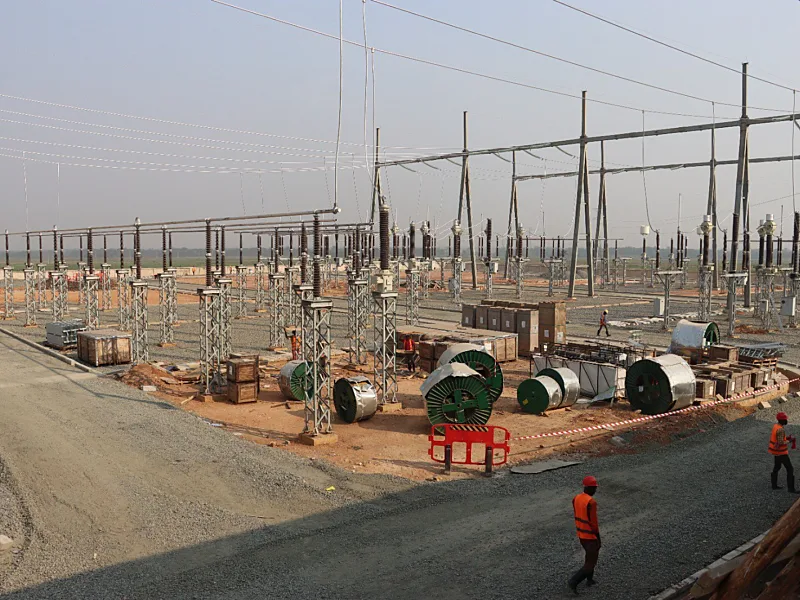
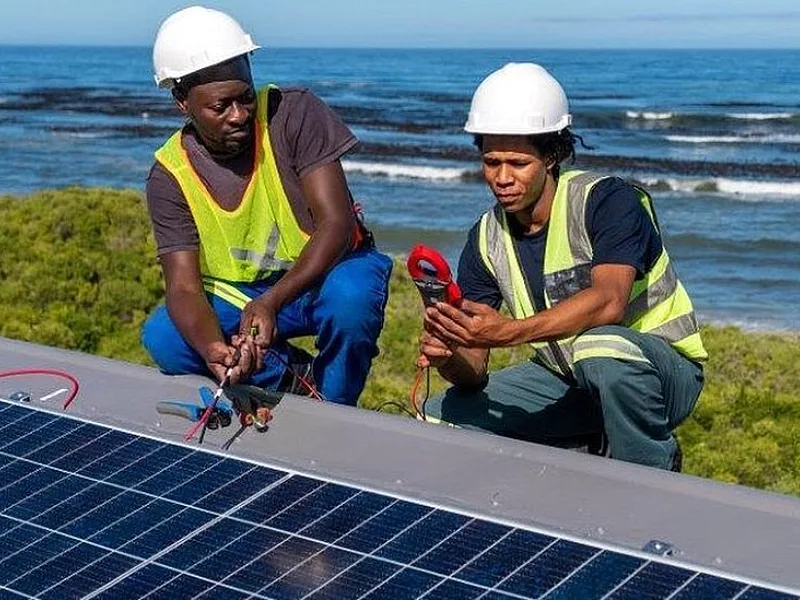
The next challenge is to connect strong bond-market demand with a stronger pipeline of projects that improve electricity access, transport, water, health, education and climate resilience.
- Countries need credible procurement, transparent project selection and delivery capacity so concessional or multilateral finance crowds in private capital rather than remaining isolated.
Investors should also look beyond the size of an orderbook.
- Useful scrutiny includes development additionality, beneficiary outcomes, climate alignment, safeguards and the mobilisation of local finance.
- A successful issue raises funds efficiently; a successful development bond helps those funds change lives.
Public reporting should make that distinction visible over time.
- Consistent indicators for jobs, access, resilience and avoided emissions would help citizens and investors see where the development portfolio performs well, where projects stall and how future financing can improve.
Path Forward – Demand Must Translate Into Measurable Delivery
The World Bank should maintain clear portfolio-level reporting that connects borrowed funds with development results, risks and lessons across recipient countries.
African governments can capture more value by strengthening project preparation, procurement and outcome measurement, allowing multilateral funding to unlock credible pipelines and broader private investment.
Culled from: World Bank's $4 Billion Sustainable Development Bond Draws $11 Billion in Investor Demand