The African Development Bank has approved a $61 million package for the Development Bank of Nigeria.
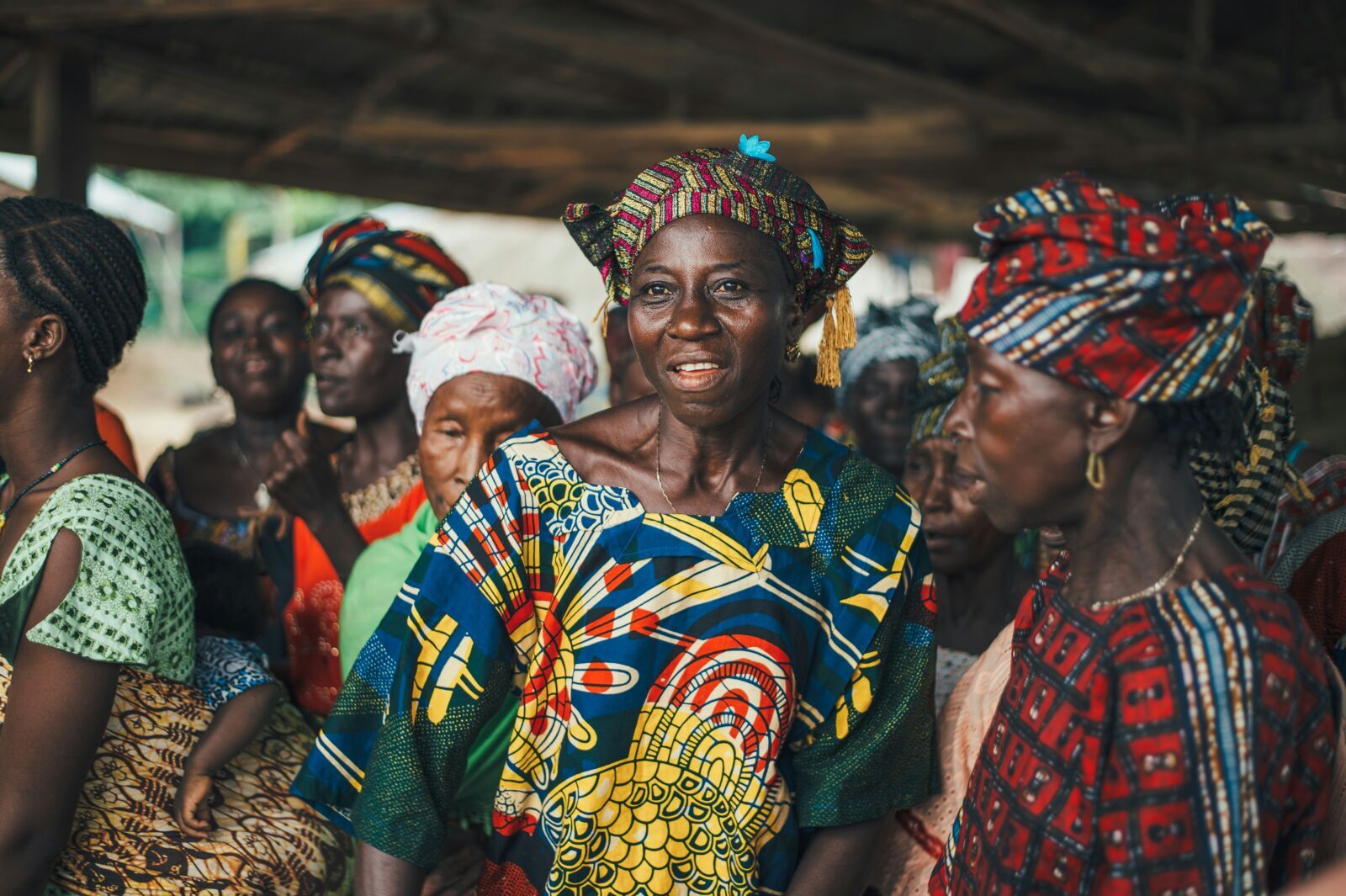
The facility is designed to expand affordable credit for women-owned and women-led businesses, especially in agriculture.
For entrepreneurs facing high borrowing costs, it could turn finance from a barrier into a growth tool.
New Financing Targets Women-Led Growth
The African Development Bank Group has approved a $61 million financing package for the Development Bank of Nigeria to expand access to affordable credit for women-owned and women-led businesses across Nigeria, with a major focus on agriculture and productive sectors.
The announcement comes as Nigerian small businesses face tight credit conditions, high operating costs and limited access to long-term finance.
For many women entrepreneurs, the challenge is even sharper: collateral requirements, short loan tenors and informal business records often keep them outside formal lending channels.
In practical terms, this package could help a woman running a food-processing business in Kano buy equipment, a healthcare supplier in Enugu expand stock, or a clean-energy distributor in Lagos finance inventory without relying on expensive short-term credit.
Package Combines Loans, Grants, and Guarantees
The financing structure includes a $50 million gender-focused line of credit, an $8 million concessional facility under the Agri-Food SME Catalytic
Financing Mechanism, and a $3 million grant under AfDB’s Affirmative Finance Action for Women in Africa initiative, funded by the Women Entrepreneurs Finance Initiative.
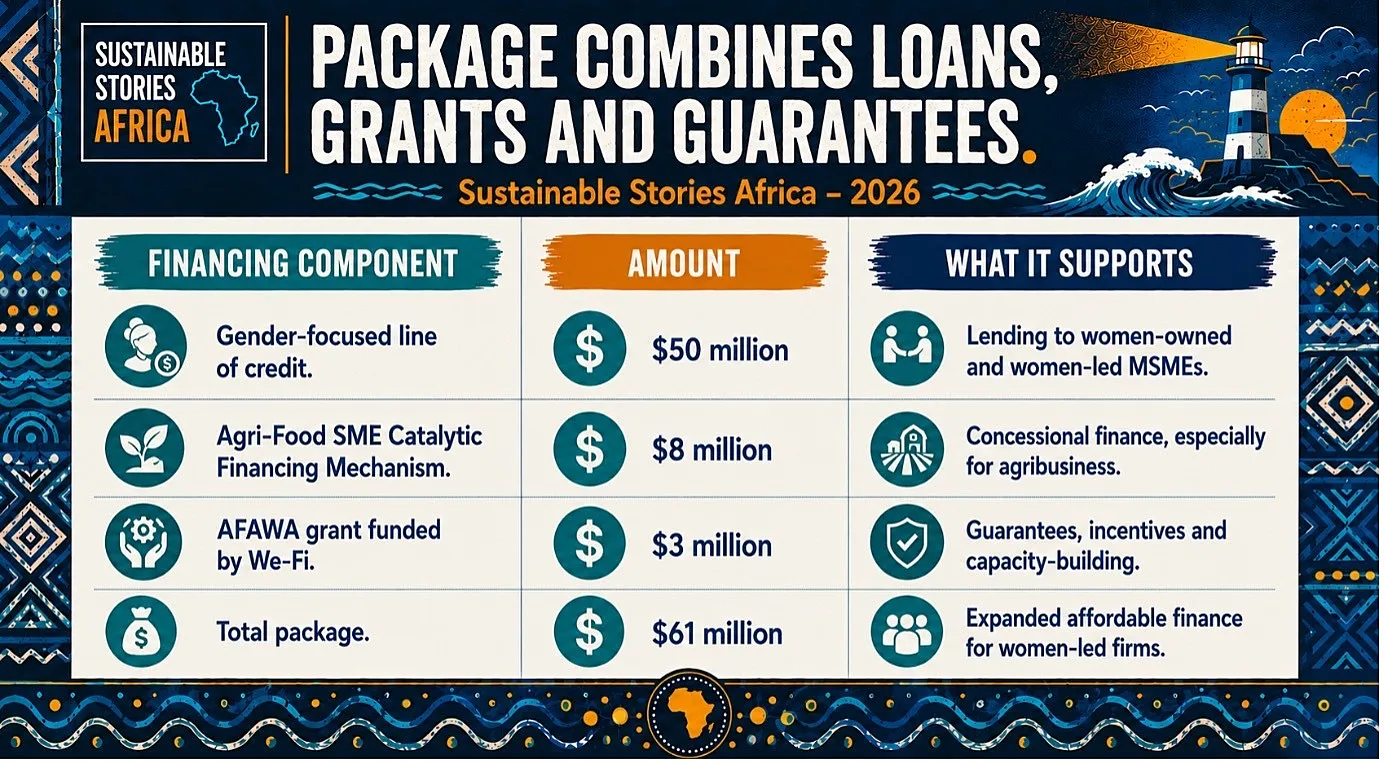
More than 95% of the financing is expected to go to women-owned and women-led small businesses.
AfDB said the package will be deployed through DBN’s network of participating financial institutions, combining long-term financing, concessional resources, partial credit guarantees and capacity-building support.
That implementation channel matters. DBN operates as a wholesale development finance institution, meaning the funds are expected to move through banks and other participating lenders rather than directly from AfDB to individual businesses.
Women Entrepreneurs Remain Underleveraged Assets
AfDB’s Nigeria Country Office Director-General, Abdul Kamara, said women entrepreneurs are “one of Nigeria’s greatest economic assets and one of its most underleveraged,” adding that the bank is investing in “the engine of Nigeria’s inclusive economic transformation.”
The phrase captures the core development argument. Women-led enterprises are not peripheral to Nigeria’s economy.
They operate in agriculture, food processing, health, trade, logistics, clean energy and services, sectors that shape jobs, household income and local resilience.
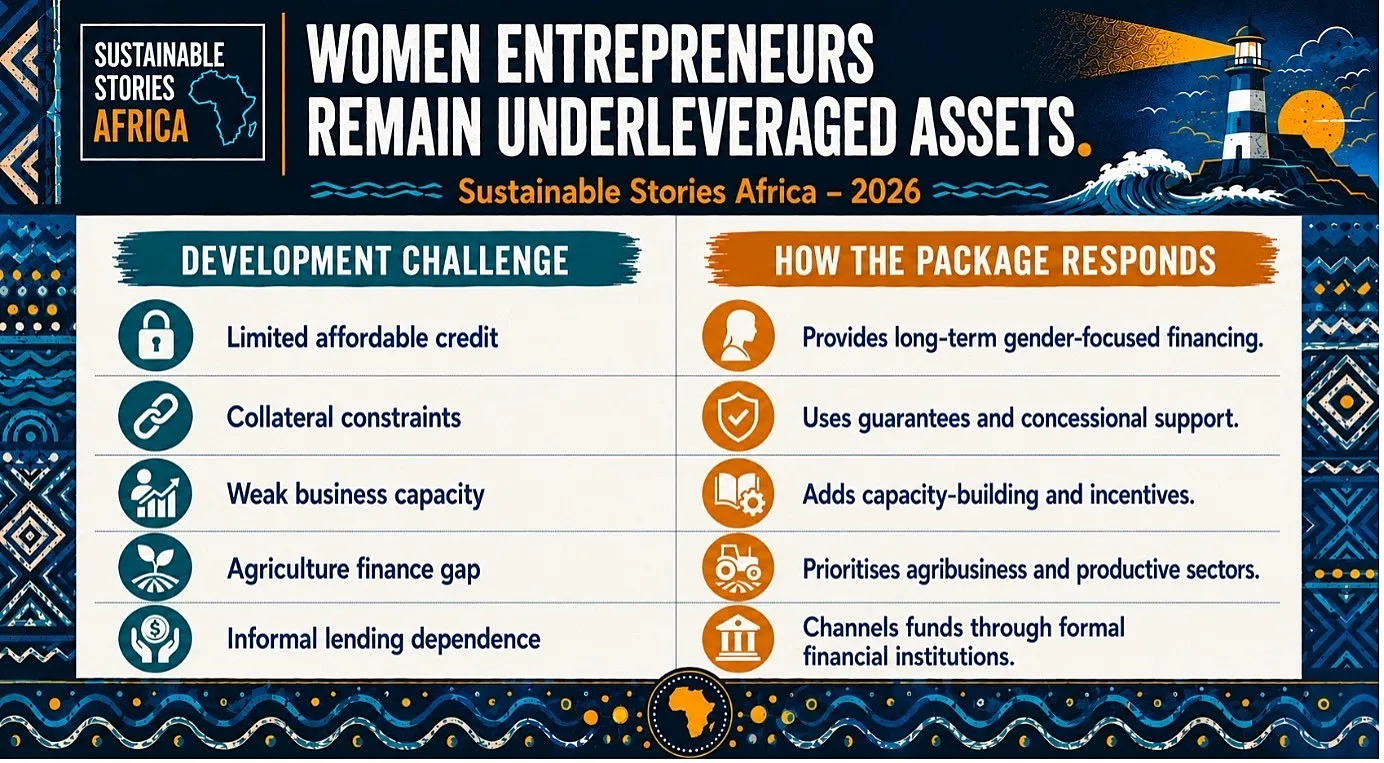
The opportunity is significant, but not automatic. Nigeria has seen many MSME intervention programmes struggle because funding did not always reach the intended businesses quickly, affordably or transparently.
Inclusive Finance Must Reach Real Businesses
The strongest outcome would be a finance system where women-led firms are treated as bankable growth engines, not high-risk afterthoughts.
If implemented well, the package can help entrepreneurs buy machinery, expand inventory, formalise operations, hire workers and build stronger supply chains.
In agriculture, it could support processors, aggregators, storage businesses and input suppliers, firms that help reduce post-harvest losses and improve food market efficiency.
However, the risks are clear. If application processes are complex, if interest rates remain too high, or if participating lenders concentrate funds among already-established firms, the package may miss smaller women entrepreneurs who need it most.
Lenders Must Prove Delivery Works
The next step is execution. DBN and participating financial institutions should publish clear eligibility rules, simplify application processes, track beneficiaries and disclose how much funding reaches women-owned and women-led MSMEs by sector and region.
Policymakers should also connect the financing to broader business support: formalisation, digital records, market access, climate-smart agriculture and financial literacy. Credit alone cannot solve structural barriers, but well-designed credit can unlock growth when paired with support systems.
For investors and development partners, the AfDB package is a test of whether gender-focused finance can move from policy language to measurable enterprise growth.
Path Forward – Make Gender Finance Measurable
Nigeria should use the AfDB package to prove that women-focused finance can be transparent, commercially sound and developmentally useful.
The priorities are clear: affordable lending, simple access, regional reach, capacity support and public impact tracking.
If delivery works, the package can strengthen MSMEs, food systems, jobs and inclusive growth.
Press Release: African Development Bank approves $61 million package to boost women-led businesses in Nigeria