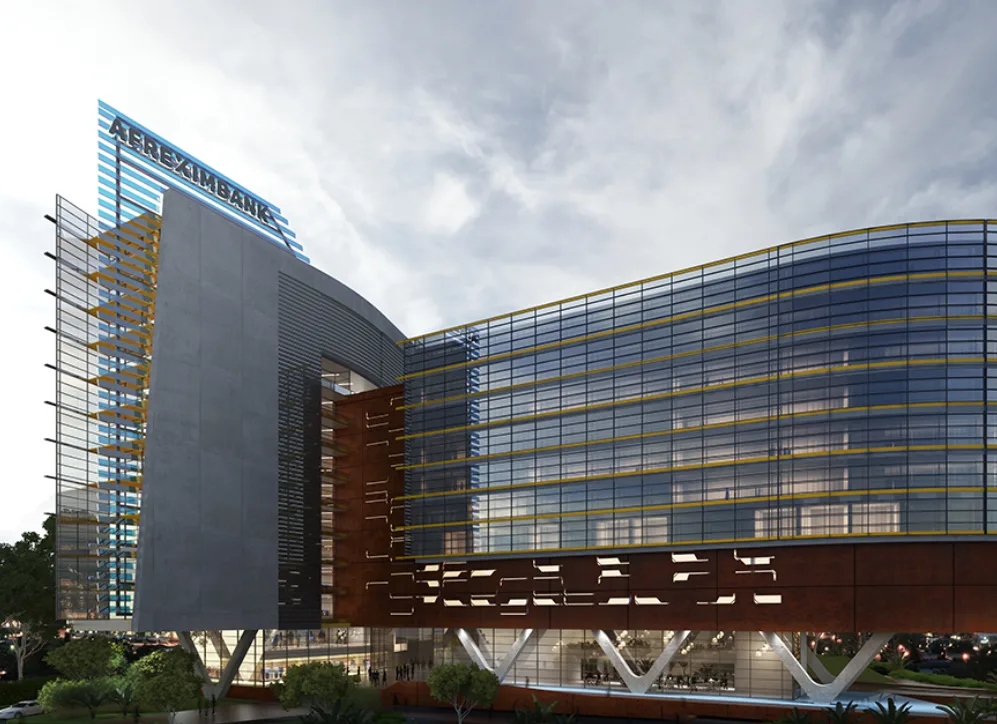
Afreximbank's Abuja African Trade Centre has achieved LEED Platinum certification, the highest global standard for green buildings, positioning the institution at the forefront of sustainable infrastructure development in Africa.
The milestone underscores a growing convergence between climate-smart construction, institutional credibility and long-term economic resilience.
The certification signals how sustainability is reshaping Africa's trade and finance architecture.
Afreximbank Sets Green Building Benchmark
The African Export-Import Bank (Afreximbank) has announced that its Abuja African Trade Centre has attained LEED Platinum certification, the highest level awarded under the Leadership in Energy and Environmental Design (LEED) global rating system.
The achievement places the facility among a few of the top-tier sustainable commercial buildings worldwide and marks a significant milestone for Africa's trade-finance infrastructure.
The certification highlights Afreximbank's effort to align institutional growth with environmental stewardship, at a time when climate performance is increasingly shaping capital flows, corporate reputation and development finance decisions.
What LEED Platinum Really Represents
LEED Platinum certification is awarded only to buildings that meet the most rigorous standards across energy efficiency, water conservation, indoor environmental quality, materials selection and sustainable site development.
For Afreximbank, the certification reflects a design philosophy that embeds sustainability into operational performance rather than treating it as a symbolic add-on.
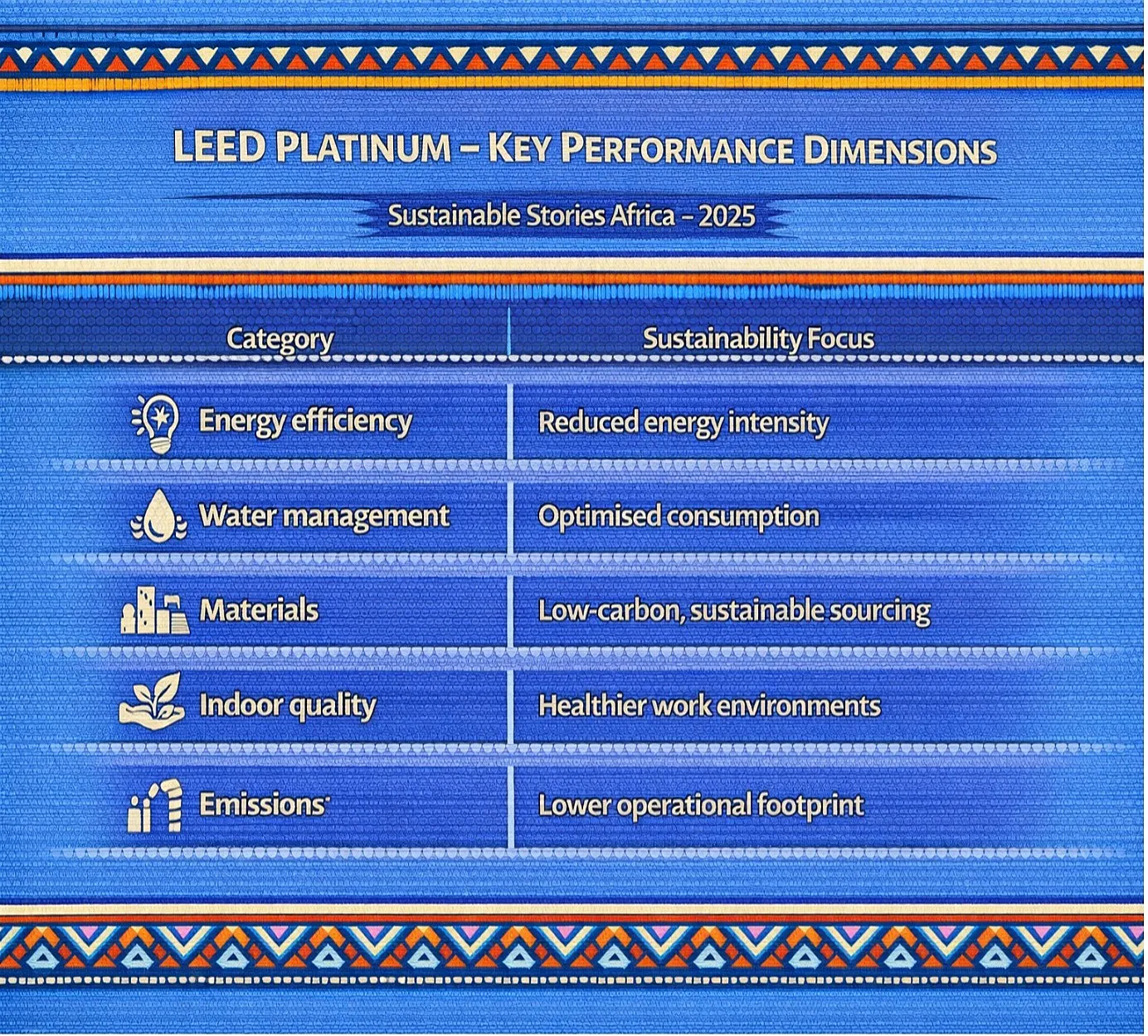
LEED Platinum – Key Performance Dimensions
| Category | Sustainability Focus |
|---|---|
| Energy efficiency | Reduced energy intensity |
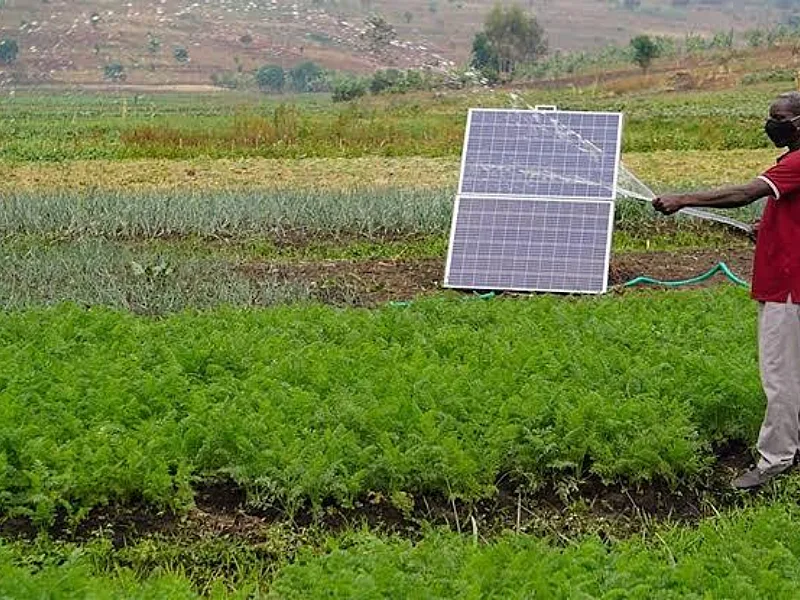
| Water management | Optimised consumption |
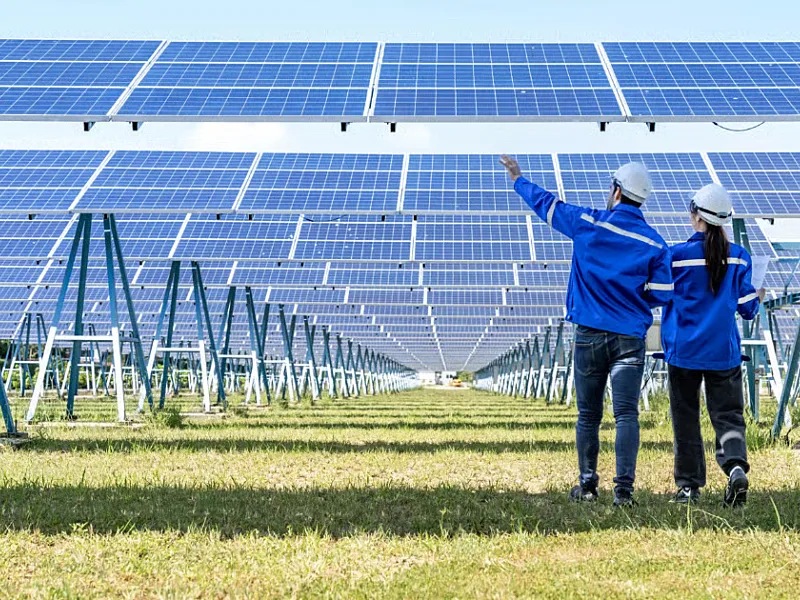
| Materials | Low-carbon, sustainable sourcing |
| Indoor quality | Healthier work environments |
| Emissions | Lower operational footprint |
The Abuja Trade Centre is envisioned as a hub for trade promotion, business networking and institutional engagement, making its environmental performance particularly relevant as global trade institutions face increasing ESG scrutiny.
Why This Matters for Africa's Finance Ecosystem
Afreximbank's LEED Platinum milestone carries broader implications beyond real estate.
As Africa mobilises capital for infrastructure, industrialisation and trade facilitation, sustainability credentials are becoming integral to institutional trust and investor confidence.
Green-certified infrastructure can:
- Lower long-term operating costs
- Reduce exposure to climate and energy risks
- Strengthen ESG credibility with global partners
- Demonstrate leadership in sustainable development
For development finance institutions, these attributes are increasingly viewed as prerequisites rather than optional enhancements, particularly in an era of climate-aligned finance and disclosure expectations.
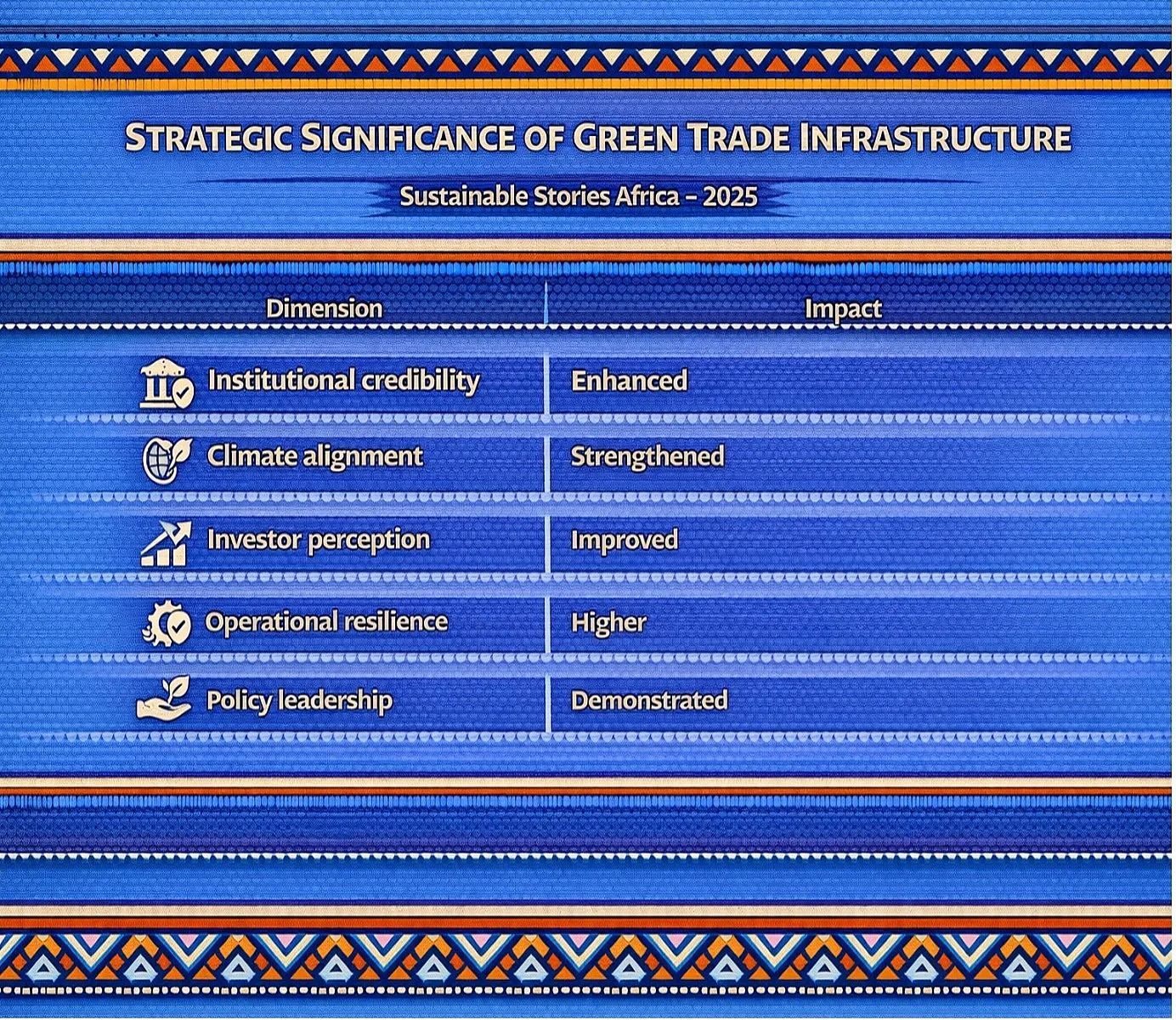
Strategic Significance of Green Trade Infrastructure
| Dimension | Impact |
|---|---|
| Institutional credibility | Enhanced |
| Climate alignment | Strengthened |
| Investor perception | Improved |
| Operational resilience | Higher |
| Policy leadership | Demonstrated |
Embedding Sustainability Into Trade Infrastructure
The Abuja African Trade Centre reflects Afreximbank's broader sustainability agenda, which integrates environmental responsibility with its mandate to promote intra-African trade and industrial growth. By adopting globally recognised green standards, the bank is setting a replicable model for public and private institutions across the continent.
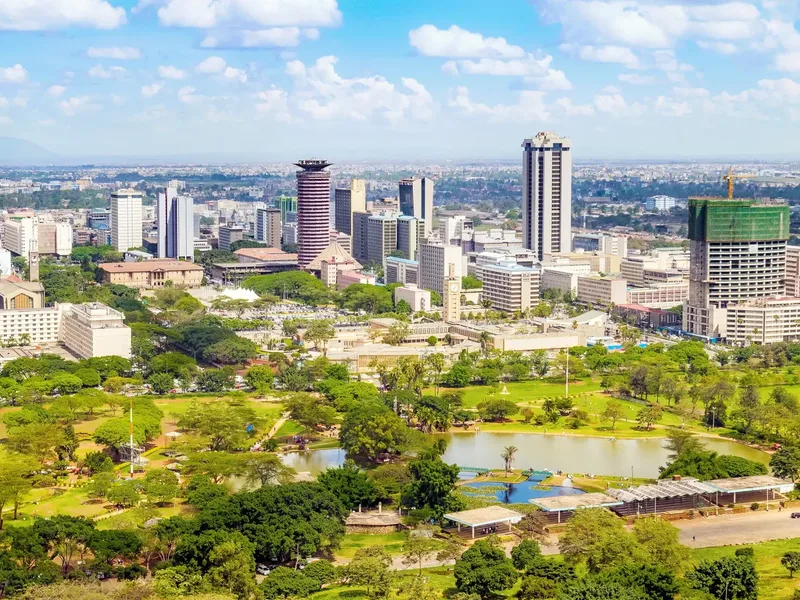
Industry analysts note that as African cities expand and commercial real estate grows, green building standards could play a significant role in reducing urban emissions, improving resource efficiency and supporting healthier work environments.
The project also signals to policymakers and developers that sustainability and scale can coexist, even in large, complex institutional facilities.
Path Forward: Green Buildings as Trade Enablers
Afreximbank's LEED Platinum certification demonstrates how sustainability can be embedded into Africa's core economic institutions without compromising functionality or ambition. As trade, finance and infrastructure increasingly intersect with climate priorities, green buildings are emerging as strategic assets.
Scaling such standards across African commercial and public infrastructure will be critical to aligning development with climate resilience, cost efficiency and long-term institutional credibility.
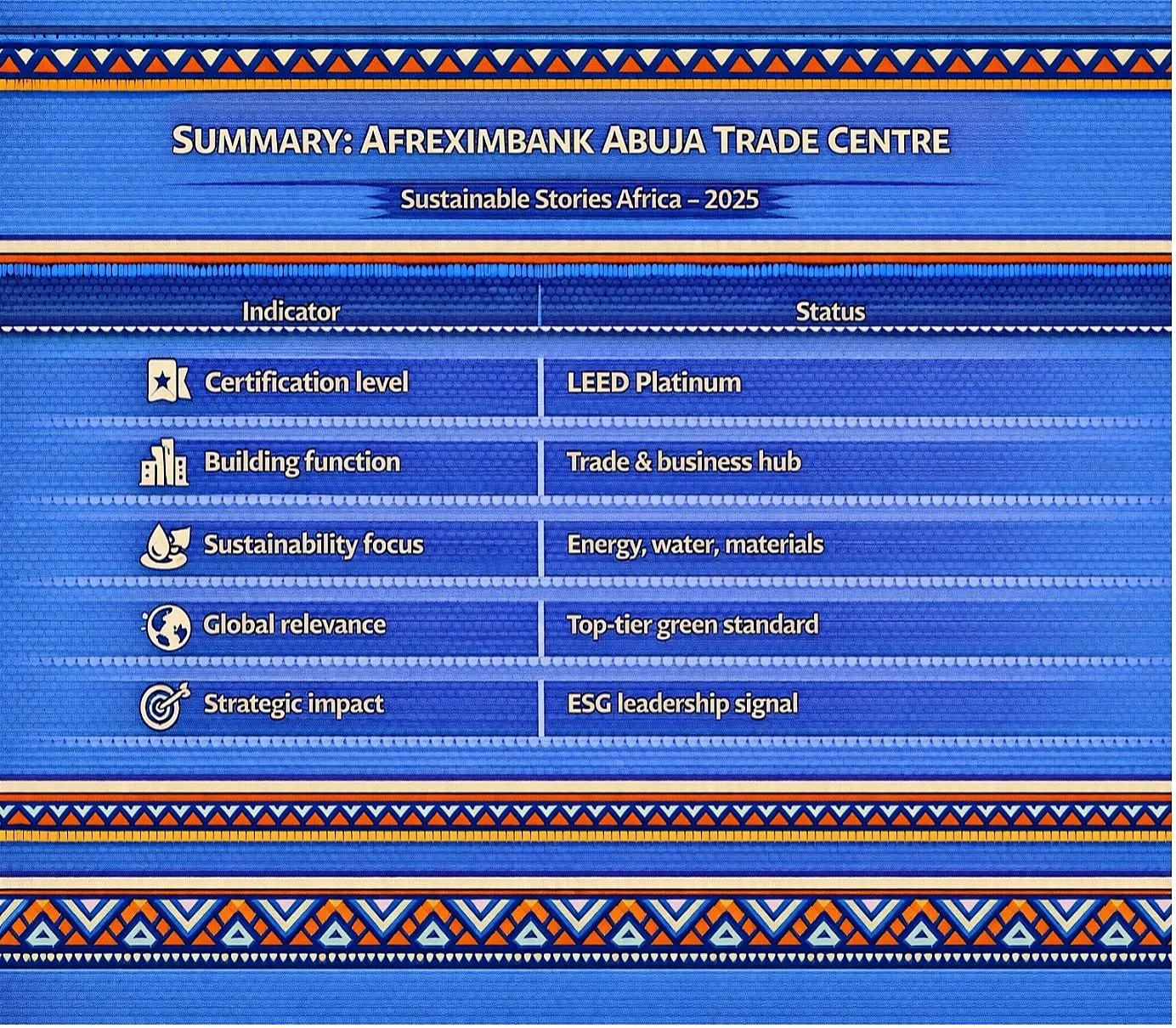
Summary:
Afreximbank Abuja Trade Centre
| Indicator | Status |
|---|---|
| Certification level | LEED Platinum |
| Building function | Trade & business hub |
| Sustainability focus | Energy, water, materials |
| Global relevance | Top-tier green standard |
| Strategic impact | ESG leadership signal |