Africa is increasingly directing investment towards electricity transmission and distribution infrastructure rather than generation alone.
The shift reflects growing recognition that stronger grids are essential for economic growth, industrialisation and integration of renewable energy.
For millions still living without reliable electricity, stronger networks could determine whether new power projects translate into real opportunities.
Grid Investment Becomes Africa's Next Energy Frontier
Africa's energy conversation is rapidly evolving, from building more power plants to ensuring electricity can actually reach homes, businesses and industries.
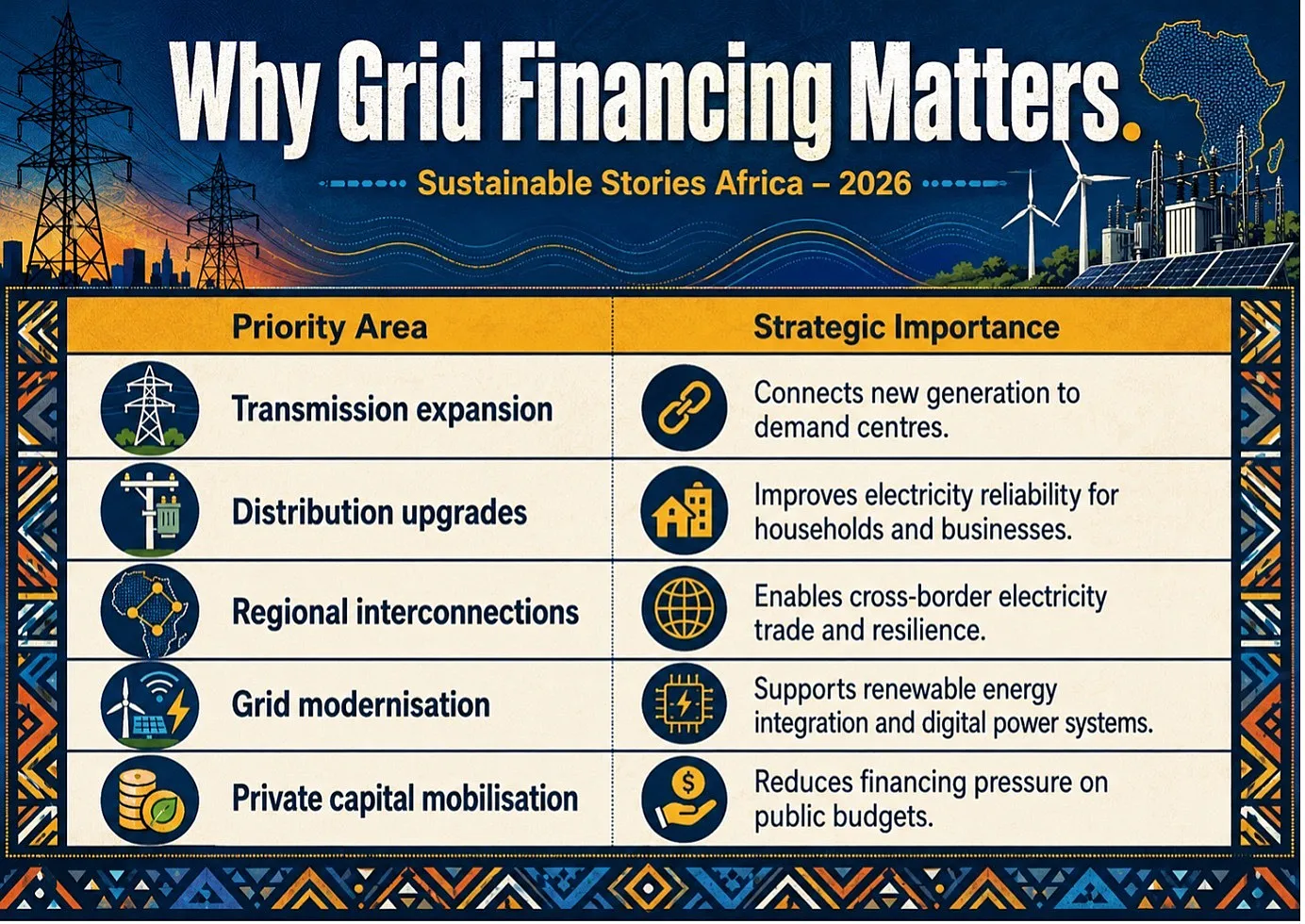
Governments, development finance institutions and private investors are increasingly prioritising electricity transmission networks, regional interconnections and distribution upgrades as the missing link in Africa's energy transition.
The renewed financing focus comes as countries seek to improve energy reliability, reduce transmission losses and support growing renewable energy capacity across the continent.
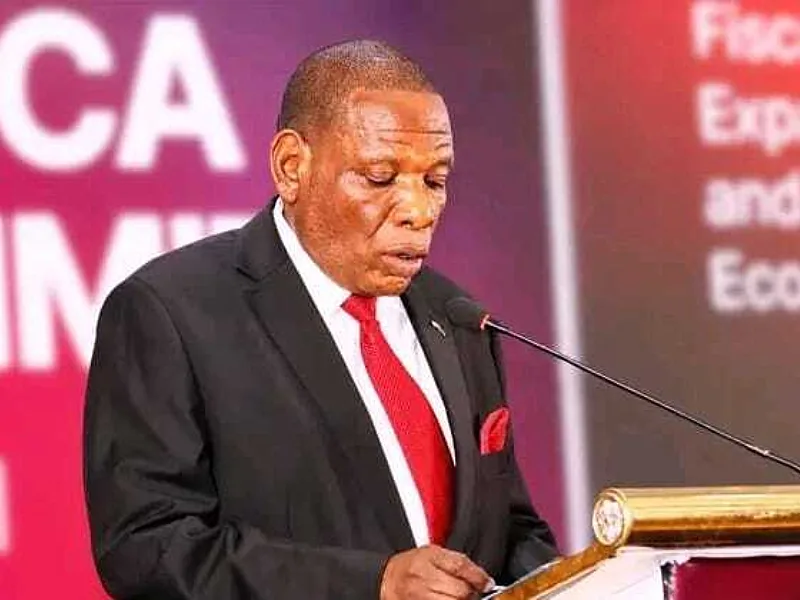
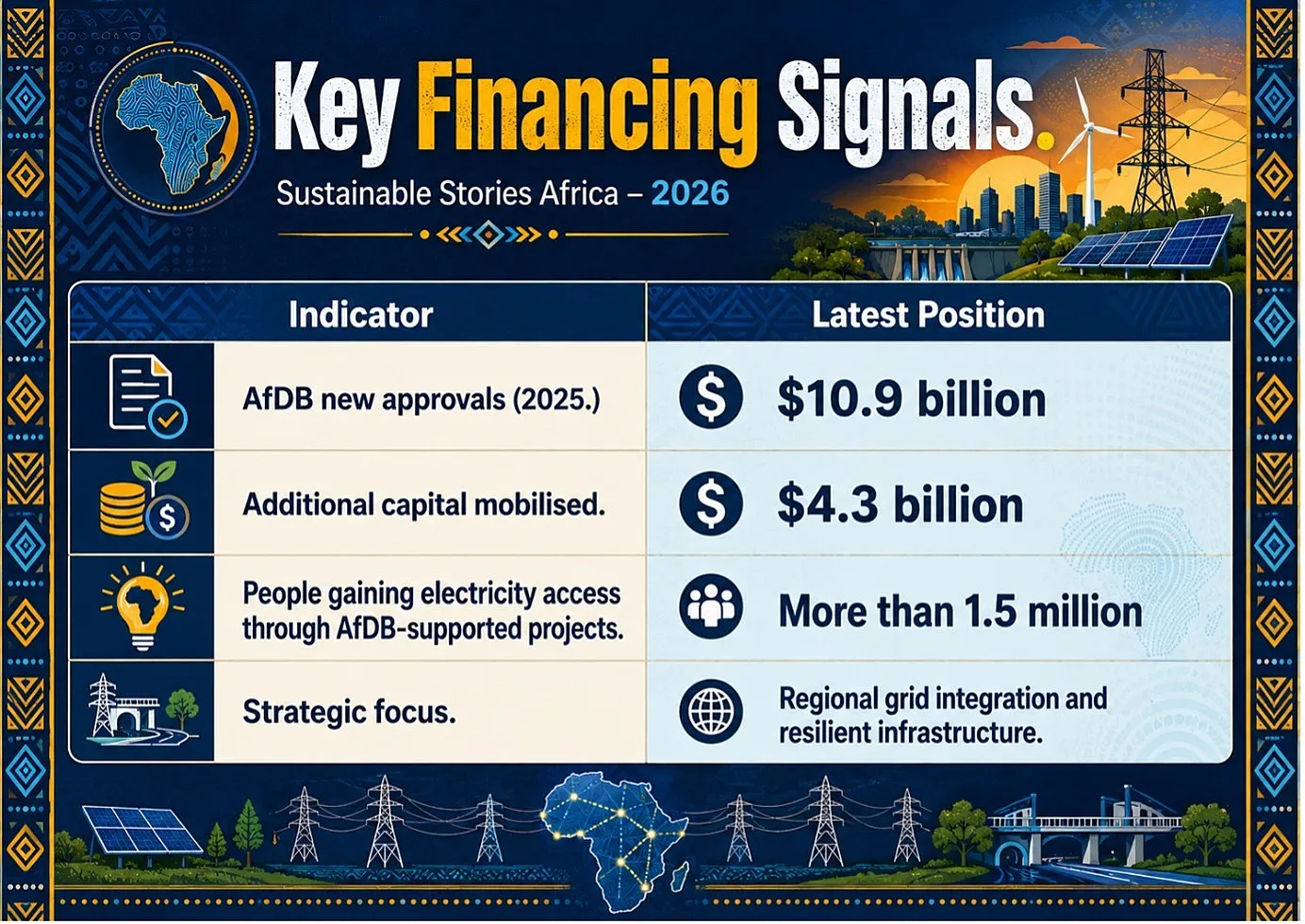
The African Development Bank's 2026 Annual Development Effectiveness Review underscores this changing investment landscape, highlighting a stronger emphasis on regional energy integration, cross-border transmission infrastructure and mobilisation of public and private capital to strengthen electricity systems.
In 2025 alone, the Bank approved $10.9 billion in new operations while mobilising an additional $4.3 billion from development partners and commercial investors.
For African economies pursuing industrialisation, digital transformation and climate resilience, functioning electricity grids are becoming just as important as power generation itself.
Generation Means Little Without Reliable Networks
Across Africa, renewable energy investment continues to accelerate, but many projects face a common obstacle: insufficient transmission capacity.
- Solar farms, hydropower plants and wind projects often generate electricity that existing networks struggle to transport efficiently.
- Weak transmission infrastructure, ageing distribution systems and fragmented national grids continue to limit reliable electricity access despite growing generation capacity.
The African Development Bank notes that transmission and distribution losses remain a major constraint, reinforcing the need for regional grid expansion and stronger interconnectivity.
The challenge extends beyond engineering.
- Reliable grids improve investor confidence, reduce operating costs, enable electricity trading between countries and make renewable energy projects more bankable.
- Regional interconnections also allow countries to balance intermittent renewable generation while improving resilience during supply disruptions.
- Recent financing initiatives reflect this broader strategic shift.
- Development finance institutions are expanding co-financing mechanisms targeting energy infrastructure.
- Countries such as South Africa continue mobilising funding specifically to strengthen transmission networks capable of supporting new renewable generation.
Behind these investments are everyday realities.
- Manufacturers require stable electricity to remain competitive.
- Farmers increasingly depend on reliable power for irrigation, storage and processing.
- Healthcare facilities need uninterrupted electricity for essential services, while students require dependable power for digital learning.
Without stronger grids, additional generation capacity risks becoming stranded infrastructure rather than productive economic assets.
Better Grids Could Unlock Africa's Economic Potential
The benefits of modern electricity networks extend far beyond keeping the lights on.
Stronger grids create conditions for industrial growth, regional trade, electric mobility, digital economies and large-scale renewable deployment.
They also improve energy security by allowing countries to share electricity during shortages and optimise generation across interconnected systems.
Development institutions increasingly argue that Africa's energy transition will depend not only on producing cleaner electricity but also on building infrastructure capable of delivering it efficiently.
Recent programmes supporting regional energy integration seek to strengthen precisely these foundations.
The stakes remain high.
More than 600 million Africans still lack access to electricity, making grid expansion one of the continent's most significant development priorities.
As investment increasingly shifts toward transmission and distribution, improved infrastructure could help convert renewable energy potential into tangible economic opportunity.
Investment Must Reach Networks, Not Only Power Plants
Africa's energy financing agenda is entering a new phase.
- Governments, regulators and development partners will need to accelerate policy reforms, strengthen utility performance, improve project preparation and create regulatory certainty capable of attracting long-term institutional investors.
- Private capital also has an increasingly important role. Transmission assets, distribution upgrades and regional interconnectors offer opportunities for blended finance, public-private partnerships and innovative financing structures that can reduce pressure on public balance sheets while expanding electricity access.
Ultimately, the continent's energy transition will depend not simply on generating more power, but on ensuring that every megawatt reaches the people and industries that need it most.
Path Forward – Building Stronger Networks for Shared Prosperity
Africa's next wave of energy investment is increasingly focused on strengthening electricity grids, expanding regional interconnections and mobilising larger pools of public and private finance.
These priorities aim to improve reliability, accelerate renewable energy integration and support long-term industrial growth.
If sustained, this financing shift can advance energy security, regional cooperation and climate objectives while bringing reliable electricity closer to millions of households and businesses across the continent.
Culled From: Funding review: Africa puts money into grids