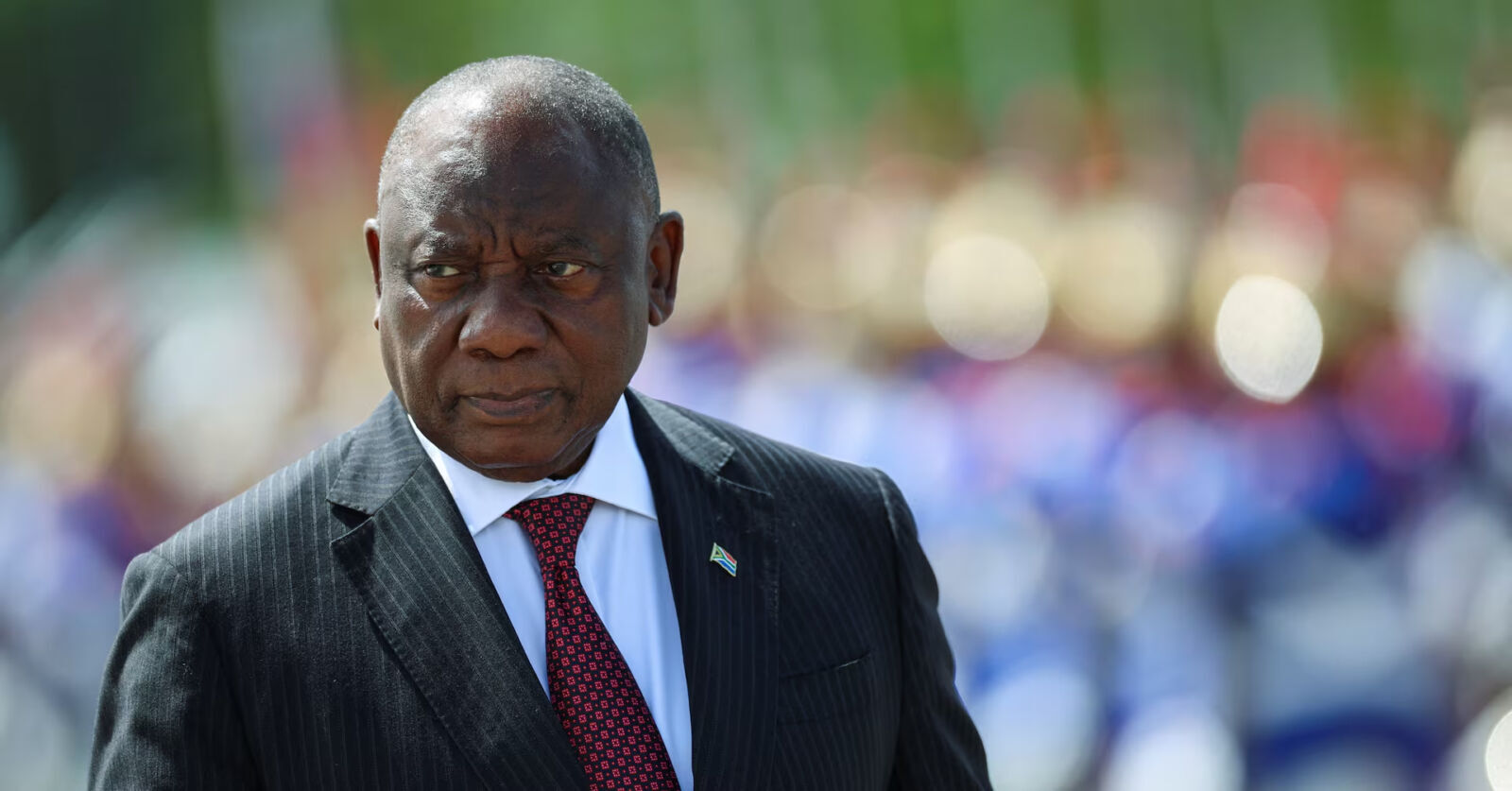
African negotiators at the upcoming COP30 have reiterated that universal energy access must take precedence over rigid global climate deadlines.
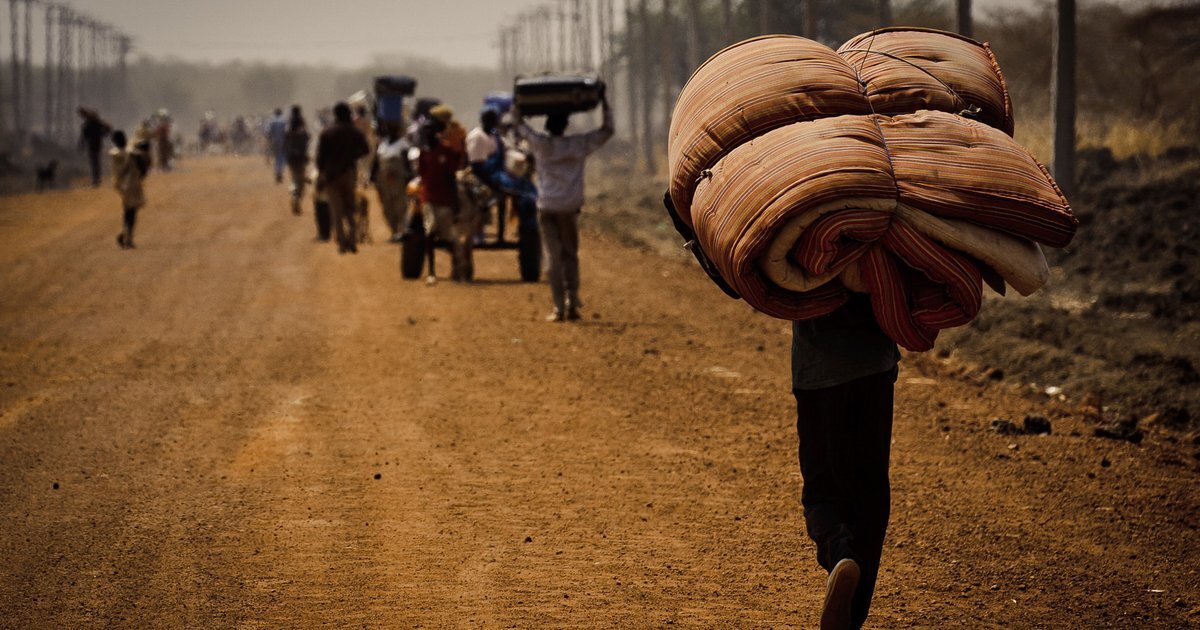
According to The Electricity Hub, African leaders argue that development, industrialisation, and resilience cannot advance without reliable electricity for nearly 600 million people still living without power.
Their message: climate ambition must reflect Africa's realities. The call for equity is growing louder.
600 Million Without Power: Africa Reframes the COP30 Debate
African leaders preparing for COP30 have stressed that the continent cannot meet ambitious climate deadlines without first securing universal energy access.
The Electricity Hub reports that African negotiators insist development priorities must be integrated into global climate frameworks, arguing that the transition conversation cannot ignore the depth of energy poverty or the scale of investment required to close the access gap.
Energy Poverty Shapes Africa's Climate-Policy Position
Africa's negotiating bloc emphasises that climate action must respect fairness, development stages, and national realities.
Despite contributing less than 4% of global emissions, the continent faces the world's most acute energy-access deficit.
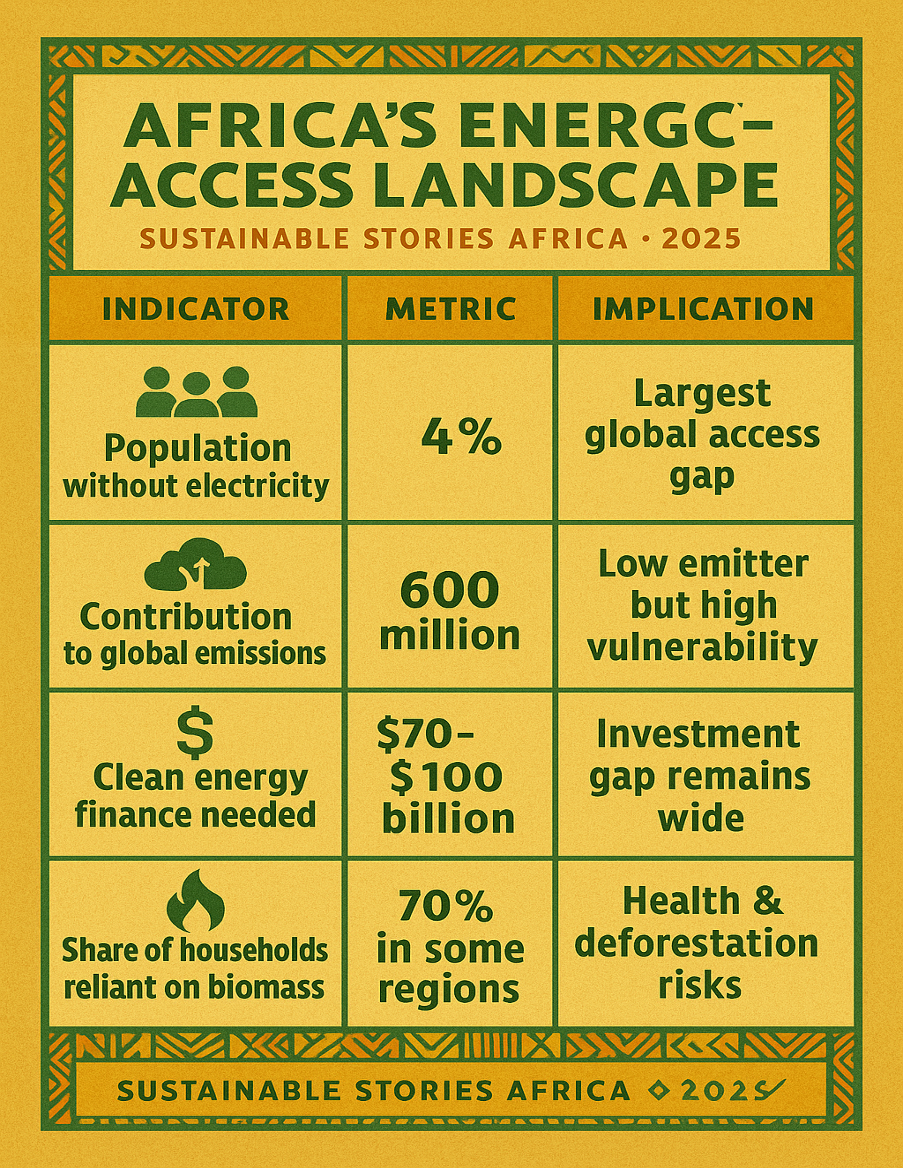
Africa's Energy-Access Landscape
| Indicator | Metric | Implication |
|---|---|---|
| Population without electricity | 600 million | Largest global access gap |
| Contribution to global emissions | <4% | Low emitter but high vulnerability |
| Clean energy finance is needed annually | $70–$100 billion | Investment gap remains wide |
| Share of households reliant on biomass | 70% in some regions | Health & deforestation risks |
African negotiators argue that accelerating renewables must go hand-in-hand with industrial growth, job creation, and grid expansion. They warn that inflexible climate timelines risk deepening inequality if Africa's development context is not recognised.
Why Africa Is Demanding a New Climate-Finance Compact
Experts say the continent's position reflects persistent financing shortfalls. Despite multiple climate pledges, Africa receives less than 12% of the climate finance it requires annually.
Leaders insist that adaptation, clean-energy scale-up, and transmission infrastructure cannot advance without predictable, concessional flows.
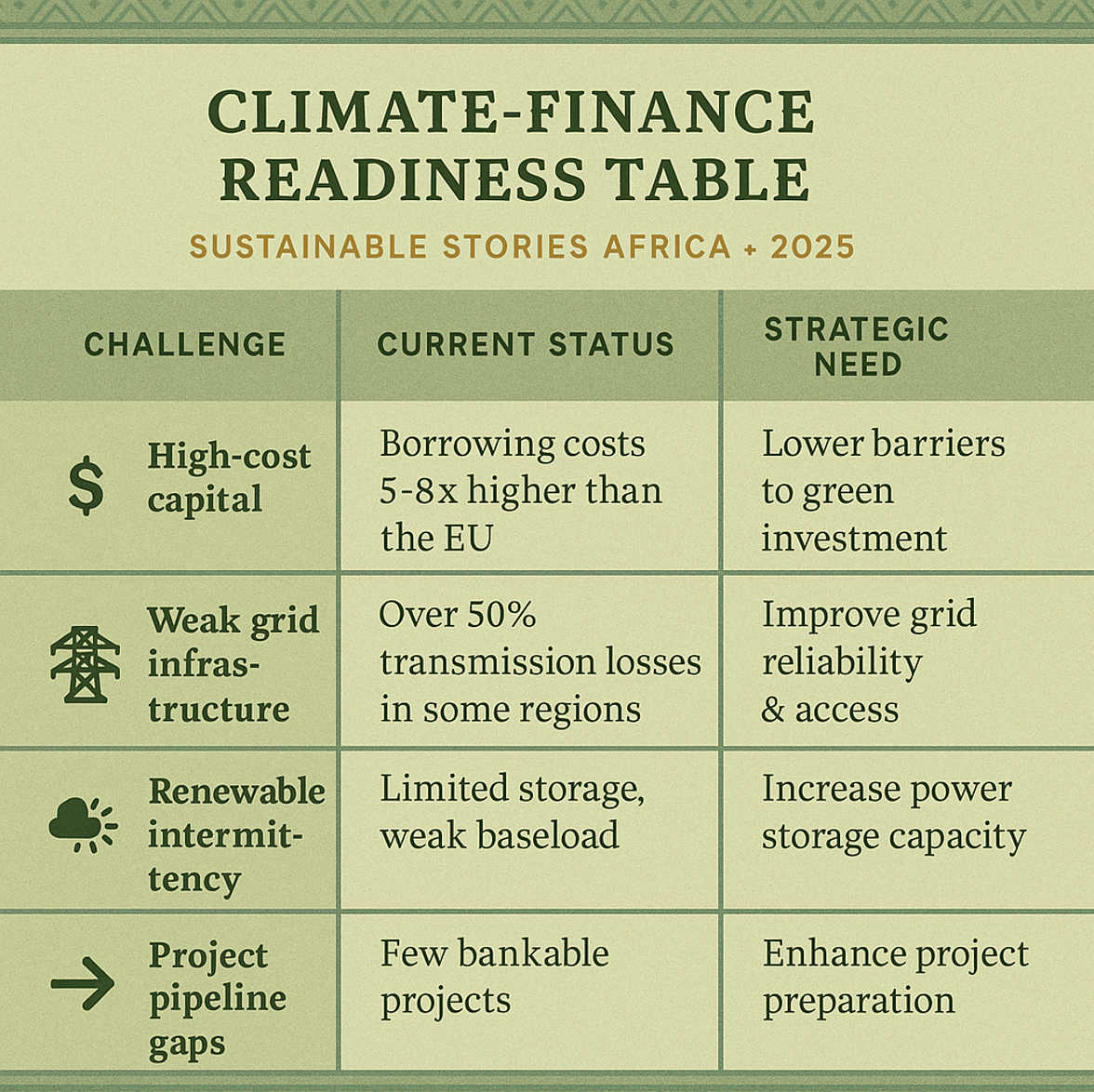
Climate-Finance Readiness Table
| Challenge | Current Status | Strategic Need |
|---|---|---|
| High-cost capital | Borrowing costs 5–8× higher than the EU | Concessional & blended finance |
| Weak grid infrastructure | Over 50% transmission losses in some regions | Grid overhaul, regional interconnectors |
| Renewable intermittency | Limited storage, weak baseload | Gas transition + storage investments |
| Project pipeline gaps | Few bankable projects | Technical assistance & risk guarantees |
The Electricity Hub notes that African delegates are pressing developed nations to reform global finance rules, expand adaptation funding, and support energy-access programmes alongside emissions-reduction targets.
What Africa Wants as COP30 Negotiations Advance
Africa's priorities include:
- Universal energy access as a foundational pillar of climate ambition.
- Scaled concessional and blended financing to close the renewables-infrastructure gap.
- Fair transition pathways allowing cleaner fuels such as gas as bridge solutions.
- Technology transfer for energy storage, grid digitalisation, and climate-resilient infrastructure.
- Adaptation investment, including agriculture, water systems, and coastal resilience.
African policymakers stress that the continent must not be penalised for development needs or its negligible historical contribution to global emissions.
PATH FORWARD – Energy First, Fair Climate Commitments Next
Africa's message to COP30 is clear: closing the energy-access gap is a prerequisite for meaningful climate progress. By prioritising universal electricity and mobilising climate finance, African countries hope to build resilient, low-carbon economies that can compete globally.
Negotiators insist that only a balanced, equity-driven approach will enable Africa to meet both development and climate obligations without deepening poverty or slowing growth.
Culled From: https://theelectricityhub.com/africa-at-cop30-energy-access-must-come-before-climate-deadlines/