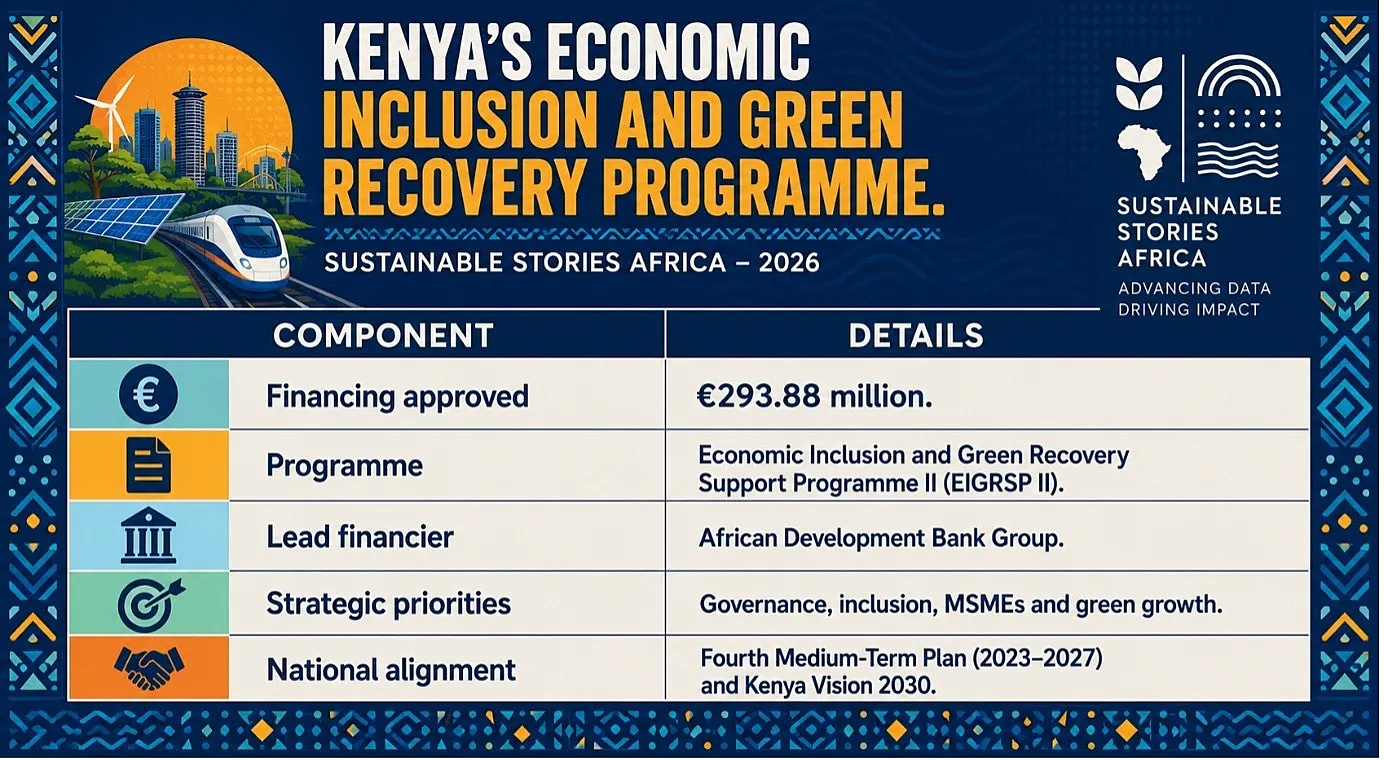
The African Development Bank Group has approved a €293.88 million loan to support Kenya's economic reform programme focused on inclusion, governance and green growth.
The financing strengthens fiscal reforms while expanding opportunities for women, youth and small businesses.
As Kenya balances economic resilience with climate ambitions, the programme seeks to build stronger institutions, attract investment and deliver more inclusive growth.
Reform Financing Signals Confidence In Kenya's Economic Future
Economic reform is often measured in policies. Its real success, however, is measured in people's lives.
The African Development Bank (AfDB) Group has approved a €293.88 million loan to finance the second phase of Kenya's Economic Inclusion and Green Recovery Support Programme (EIGRSP II), reinforcing confidence in the country's reform agenda despite a challenging global economic environment.
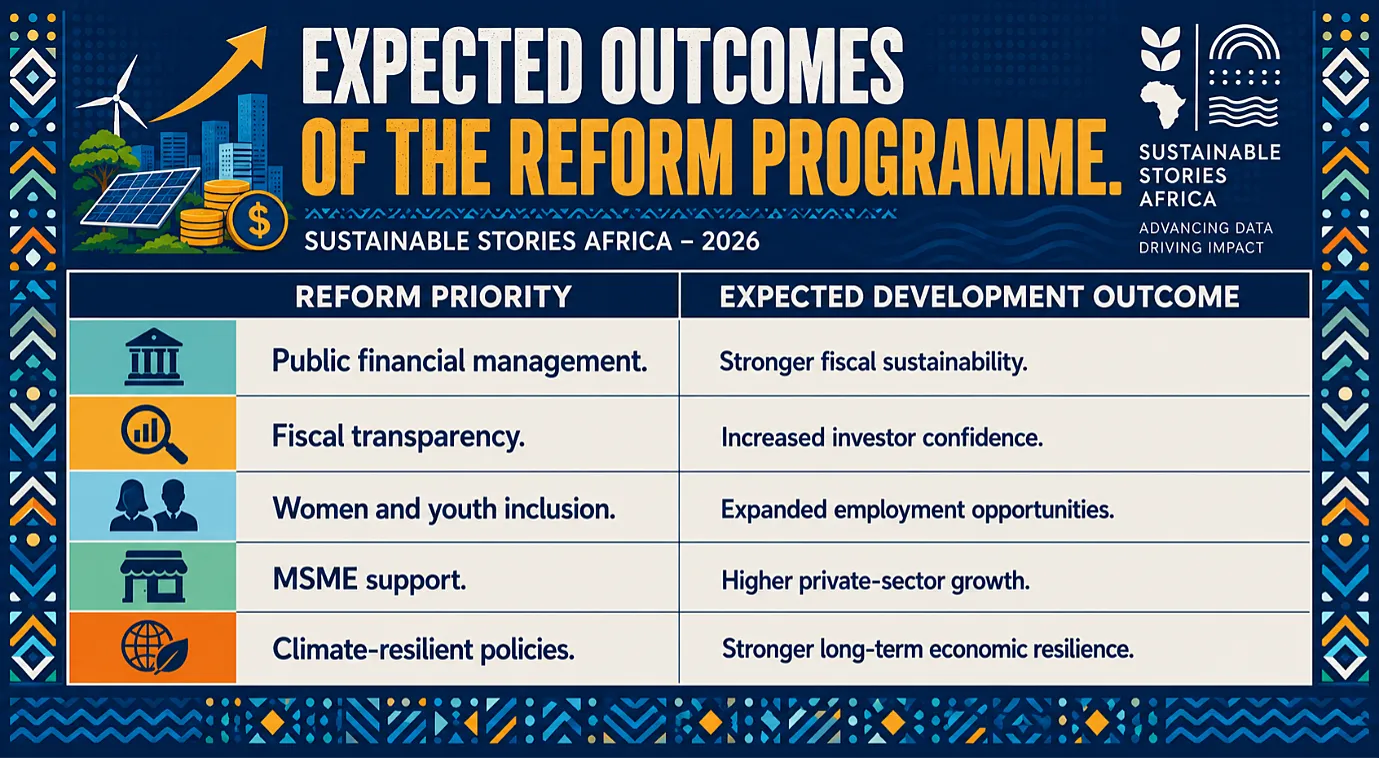
The programme is designed to strengthen public financial management, improve governance, expand opportunities for women and young people, support micro, small and medium-sized enterprises (MSMEs), and accelerate climate-resilient growth.
The approval comes as Kenya continues implementing structural reforms aimed at improving fiscal sustainability while maintaining economic growth amid external pressures, including higher global energy prices and climate-related risks.
Stronger Institutions Drive Stronger Economies
The latest financing builds upon reforms initiated under the programme's first phase; it aligns with Kenya's Fourth Medium-Term Plan (2023–2027) and the country's long-term Vision 2030, which seeks to transform Kenya into a newly industrialised middle-income economy.
Rather than funding physical infrastructure alone, the programme targets the institutional foundations that underpin sustainable economic growth.
Key reforms include improving public financial management, strengthening fiscal transparency, enhancing debt reporting, modernising public procurement systems and reinforcing financial integrity.
At the same time, the programme promotes women's economic empowerment, youth employment, MSME development and private-sector competitiveness while embedding climate resilience into economic planning.
The operation has been prepared in close collaboration with the Kenyan Government and coordinated with development partners including the International Monetary Fund and the World Bank, reflecting a broader effort to reinforce macroeconomic stability and investor confidence.
The African Development Bank believes Kenya's reform trajectory remains strong despite global uncertainties.
"Kenya has demonstrated resilience in navigating a challenging global environment while continuing to pursue important reforms to strengthen its economy and create opportunities for its people," said Abdoulaye Coulibaly, Director of the African Development Bank Group's Governance Department.
He added that the operation reflects the Bank's confidence in Kenya's reform agenda and its continued commitment to inclusive growth, private-sector development and climate resilience.
Inclusive Growth Creates Lasting Economic Resilience
The programme's significance extends beyond public finance.
Improved governance and fiscal transparency can strengthen investor confidence, while better support for MSMEs creates opportunities for entrepreneurship, innovation and employment.
Expanding economic opportunities for women and young people also broadens participation in economic growth, making development more inclusive and resilient.
Green growth measures embedded within the programme position Kenya to better withstand climate shocks that continue to affect agriculture, infrastructure and livelihoods.
The financing also arrives as Kenya seeks to sustain growth despite external headwinds.
While the World Bank expects economic growth of 4.3% in 2026, it highlights resilient agricultural production, easing monetary policy and improved private-sector credit as important stabilising factors.
Without sustained reform, however, fiscal pressures, climate risks and global economic uncertainty could continue weighing on investment, job creation and long-term competitiveness.
Reform Momentum Must Translate Into Inclusive Prosperity
Approving financing is only the first step.
The programme's long-term success will depend on consistent implementation, transparent governance and continued collaboration between government, development partners and the private sector.
- Kenya should continue strengthening public institutions while accelerating reforms that improve the business environment and encourage productive investment.
- Financial support for MSMEs, skills development for young entrepreneurs and climate-smart investments will be critical to ensuring the benefits of reform reach households and businesses alike.
For development partners, the programme demonstrates that policy-based financing can help countries build stronger institutions while supporting inclusive economic transformation and sustainable growth.
Path Forward – Reform And Resilience Must Advance Together
Kenya's latest financing package reinforces the importance of combining sound economic governance with inclusive growth and climate resilience.
Sustained reforms will strengthen public institutions while creating greater opportunities for businesses and communities.
By aligning fiscal discipline with green development and social inclusion, Kenya is laying the foundations for a more competitive, resilient and sustainable economy that advances ESG priorities across East Africa.