African leaders, AfDB and Africa50 are exploring asset recycling to finance priority infrastructure.
The talks come as governments face tight budgets, rising debt and large development needs.
If well governed, the model could unlock capital for roads, ports, power and jobs without deepening fiscal stress.
Africa Searches for New Capital
African governments and development finance leaders are turning to asset recycling as a new route to fund priority infrastructure, as debt pressures and limited fiscal space make traditional public financing harder to sustain.
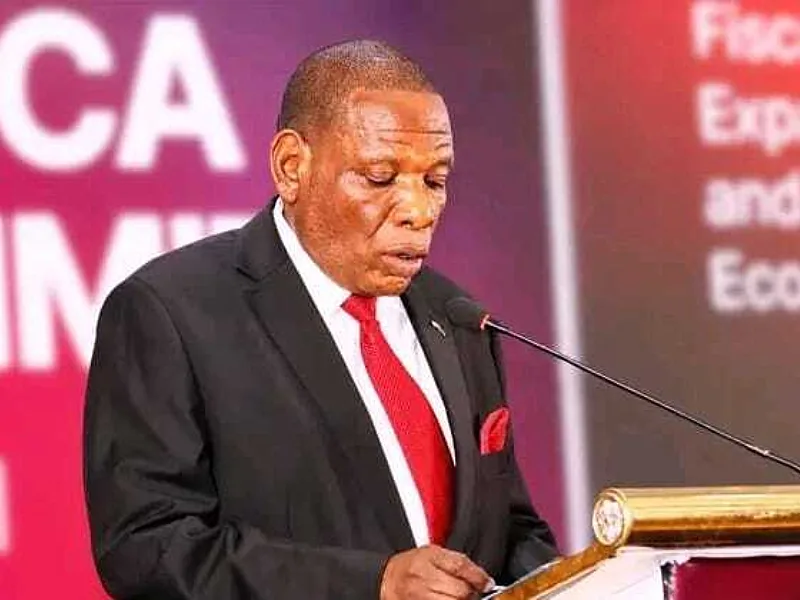
The African Development Bank and Africa50 convened ministers, investors and financial institutions in Brazzaville, Republic of Congo, during the AfDB Annual Meetings, under the theme “Transforming Public Assets into Capital: Unlocking the Potential of Asset Recycling in Africa.”
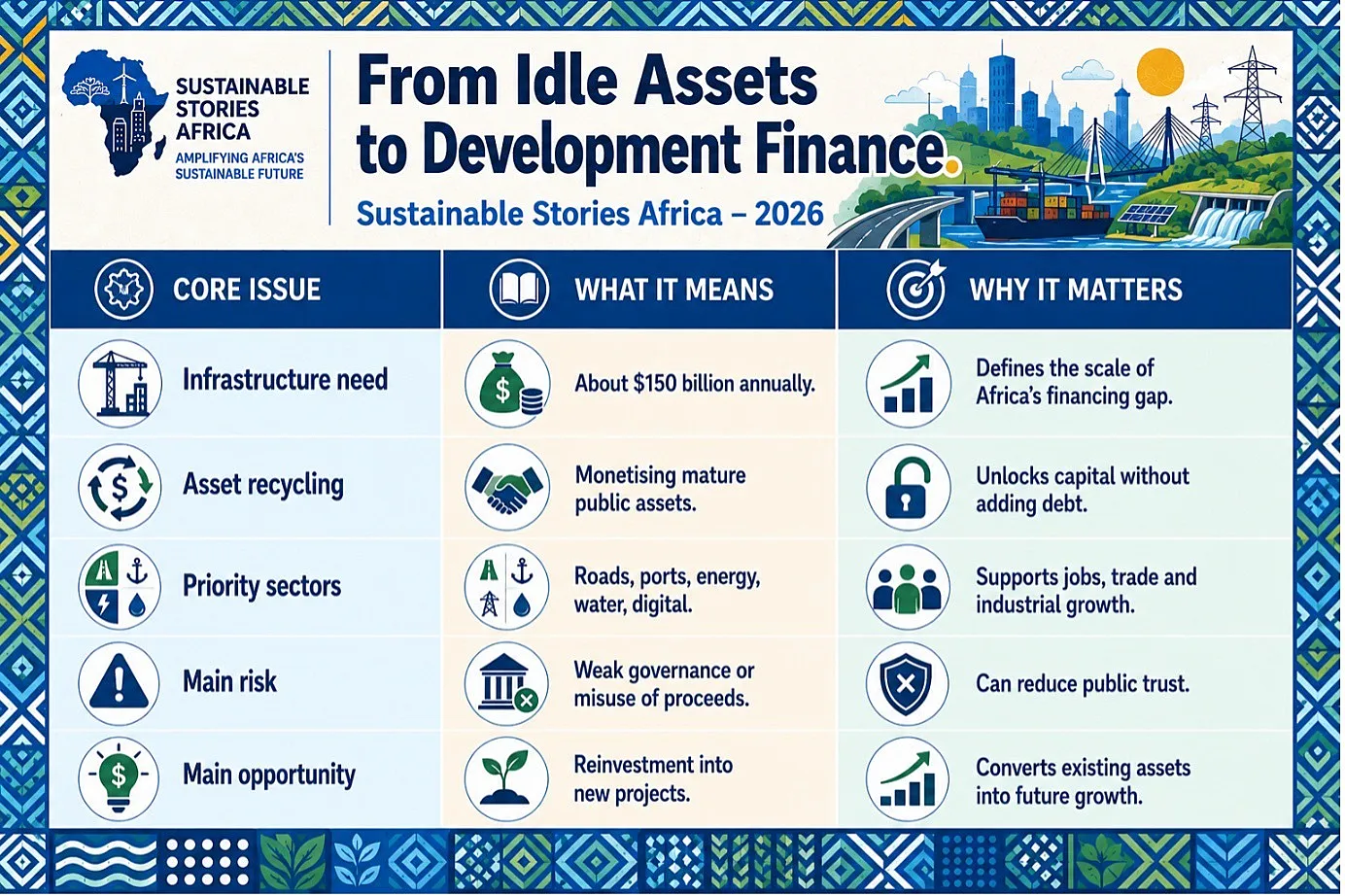
The idea is straightforward: governments can monetise mature public assets such as roads, ports, airports, bridges, power networks, and water systems, then reinvest proceeds into new infrastructure.
For citizens, the test is whether this becomes another financial phrase, or a practical route to better transport, reliable energy, trade corridors and jobs.
From Idle Assets to Development Finance
Africa’s infrastructure gap remains one of the continent’s most stubborn growth barriers. The AfDB estimates that the continent needs about $150 billion annually for infrastructure, including transport, energy, water, digital systems and regional trade corridors.
Asset recycling offers one way to unlock value already sitting on public balance sheets. Instead of borrowing more, governments can concession, lease or partially monetise existing assets, while keeping proceeds tied to productive investment.
Speakers warned, however, that the model must not become a short-term budget patch. Proceeds should fund new infrastructure, not recurrent spending or fiscal leakages. That distinction matters in countries where citizens already worry that public assets may be transferred without transparency or fair value.
Better Infrastructure, Stronger Economies
If managed well, asset recycling could help African countries fund the infrastructure people feel every day: smoother roads for traders, stronger ports for exporters, cheaper logistics for manufacturers and more reliable energy for small businesses.
The model can also attract private capital and technical expertise into sectors where governments alone cannot meet demand.
- For a farmer moving goods to market, an improved road is not just concrete. It is lower transport costs, less spoilage and better income.
- For a young business owner, reliable power can mean longer operating hours and higher productivity.
However, the positive case depends on discipline. Asset recycling works best when governments identify mature assets, price them fairly, run transparent procurement, protect users, and reinvest the proceeds into clear development priorities.
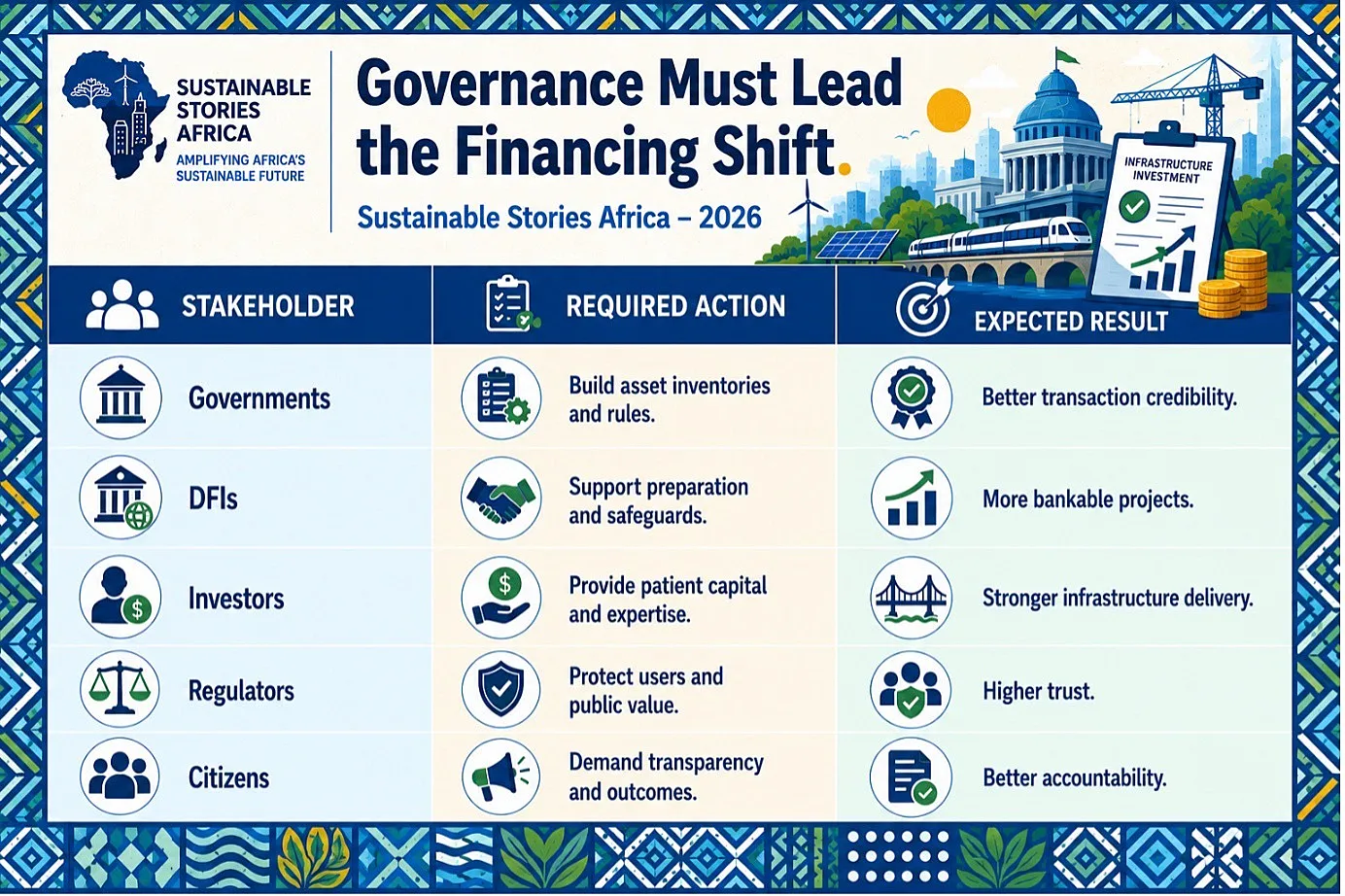
Governance Must Lead the Financing Shift
The next step is not simply to announce asset recycling frameworks. African governments need credible asset inventories, bankable project pipelines, strong legal rules and public communication that explains what is being monetised, why, and how proceeds will be used.
- Development finance institutions can support transaction preparation, risk-sharing and safeguards.
- Investors can bring long-term capital, but they must also accept clear accountability standards.
- Citizens should see measurable outcomes: new infrastructure delivered, services improved and public value protected.
Path Forward- Recycle Assets, Protect Public Value
Asset recycling could help Africa fund infrastructure without relying only on debt.
However, success depends on transparency, fair valuation and disciplined reinvestment.
The path forward is clear: build credible pipelines, protect the public interest, attract long-term capital and ensure proceeds finance priority infrastructure that advances jobs, trade, climate resilience and inclusive growth.