Africa's leading port cities are confronting a dual challenge: handling growing global trade while preparing for intensifying climate risks.
The future competitiveness of coastal economies increasingly depends on resilient infrastructure, smarter urban planning and sustainable logistics.
How these cities respond will shape trade flows, investment confidence and millions of livelihoods across the continent.
Where Global Commerce Meets Climate Reality
Every container unloaded at Africa's busiest ports tells two stories.
One reflects expanding trade, regional integration and economic opportunity. The other reveals mounting climate pressures threatening the very infrastructure that keeps African economies connected to global markets.
From Dar es Salaam in Tanzania to eThekwini (Durban) in South Africa and Lagos in Nigeria, coastal cities are becoming critical battlegrounds where economic growth and climate resilience increasingly intersect.
Together, these gateways handle billions of dollars in regional and international trade each year, serving as essential arteries for manufacturing, agriculture, energy, mining and consumer markets.
However, rising sea levels, stronger storm surges, coastal flooding, ageing infrastructure and rapid urbanisation are exposing vulnerabilities that extend well beyond city boundaries.
For Africa's port economies, climate resilience is no longer simply an environmental objective; it has become a strategic economic necessity.
Three Cities, One Shared Challenge
Although separated by geography, Dar es Salaam, eThekwini and Lagos face remarkably similar pressures.
Trade volumes continue expanding under the opportunities presented by the African Continental Free Trade Area (AfCFTA), while global shipping routes become increasingly interconnected.
At the same time, climate-related disruptions are becoming more frequent and more costly.
- In eThekwini, devastating floods in 2022 severely damaged roads, rail infrastructure and the Port of Durban, disrupting supply chains and causing billions of rand in economic losses.
The disaster demonstrated how climate shocks can rapidly affect national exports and regional logistics.
- Dar es Salaam, East Africa's principal maritime gateway, continues investing in port expansion and transport corridors serving Tanzania and neighbouring landlocked countries.
However, rising coastal risks and accelerating urban growth require infrastructure planning that incorporates long-term climate adaptation alongside economic expansion.
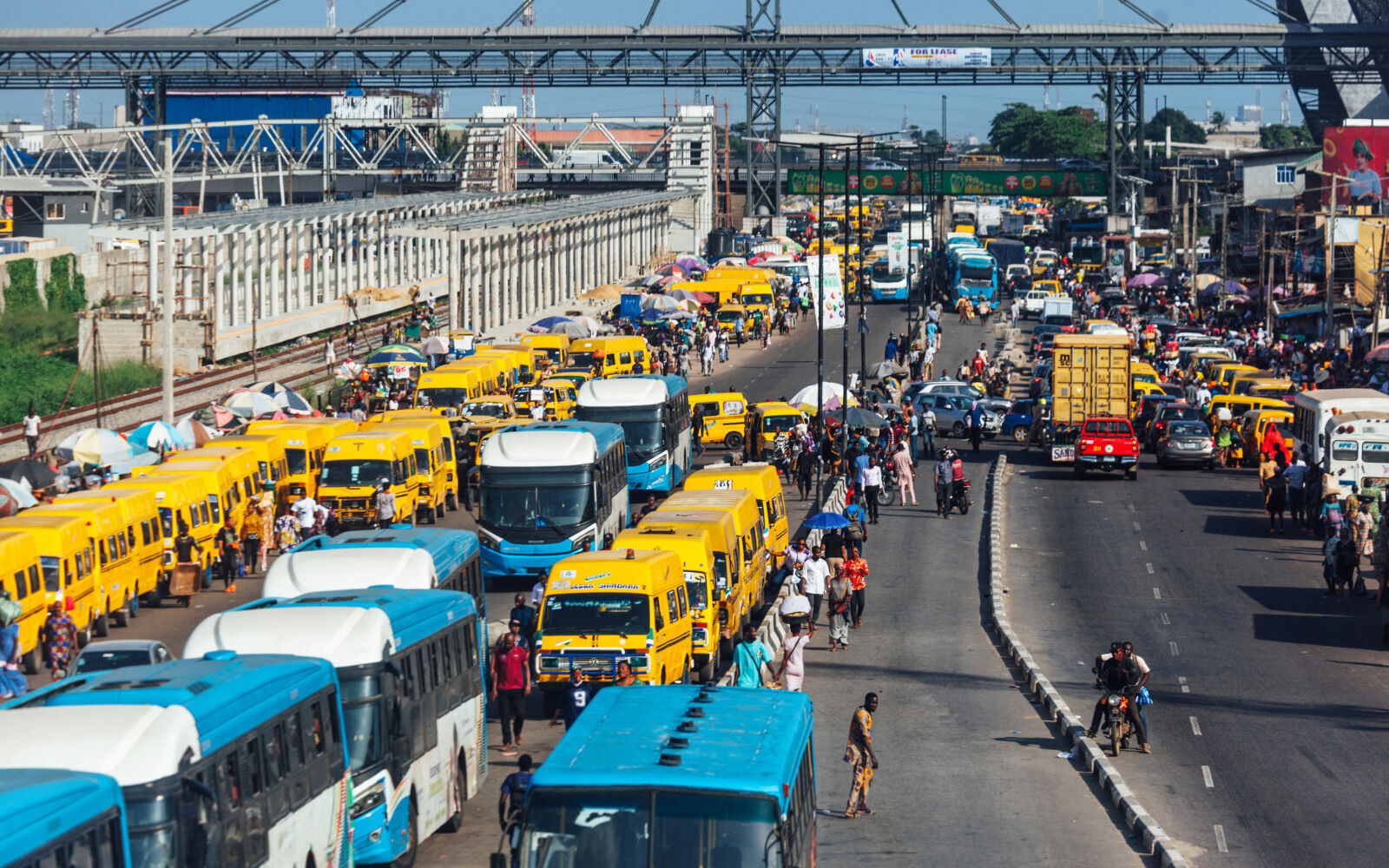
- Meanwhile, Lagos, home to one of Africa's largest metropolitan economies, faces persistent coastal erosion, flooding and drainage challenges while simultaneously managing increasing cargo volumes through its port ecosystem.
New investments, including the Lekki Deep Sea Port, offer opportunities to modernise logistics but also highlight the importance of resilient design that is capable of withstanding future climate extremes.
According to the United Nations Conference on Trade and Development (UNCTAD), around 80% of global merchandise trade by volume moves by sea, making resilient port infrastructure essential for economic stability and international commerce.
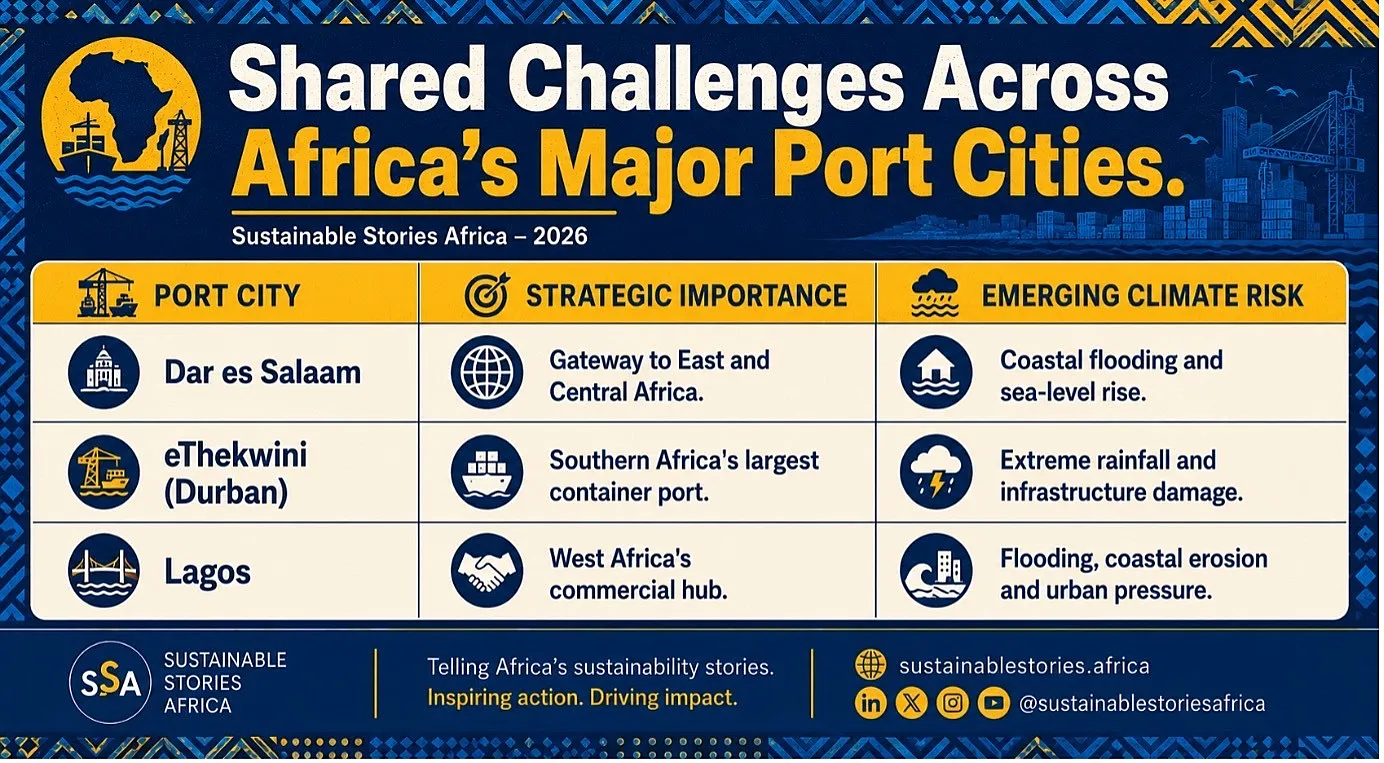
Climate adaptation is therefore becoming inseparable from logistics planning, insurance, infrastructure finance and long-term urban development.
Building Ports That Power Resilient Economies
Climate-resilient ports deliver benefits extending well beyond the waterfront.
Stronger coastal infrastructure reduces supply-chain disruptions, protects employment, lowers insurance costs and improves investor confidence.
Efficient drainage systems, elevated transport corridors, resilient energy infrastructure and digital port management can minimise operational downtime while supporting regional trade integration.
For surrounding communities, resilient ports also mean safer neighbourhoods, stronger local economies and more reliable employment opportunities linked to logistics, manufacturing and export industries.
Increasingly, governments are recognising that adaptation investments generate economic returns rather than representing additional costs.
Development finance institutions have likewise expanded support for climate-smart transport corridors, resilient urban infrastructure and sustainable maritime development across Africa.
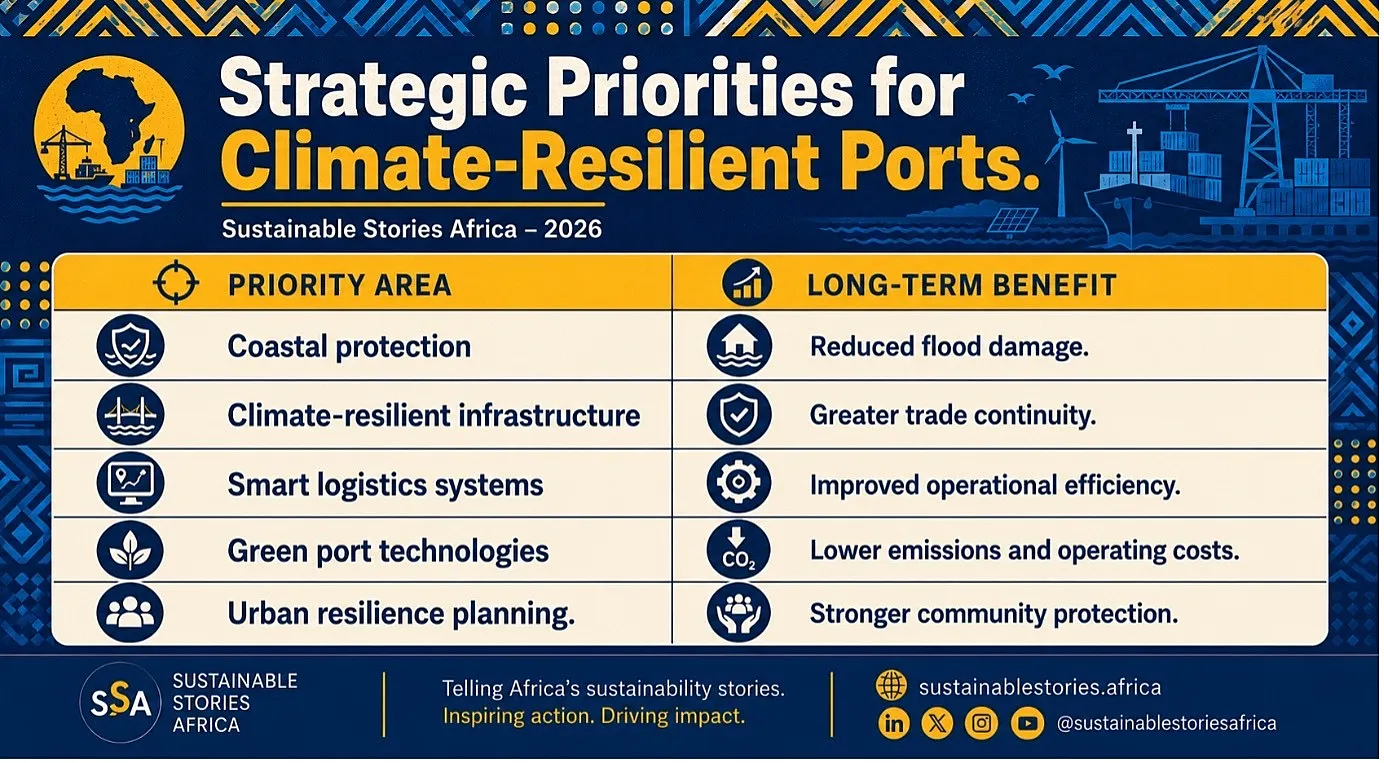
The cities that successfully combine infrastructure modernisation with climate adaptation are likely to become preferred destinations for future global investment.
Resilience Must Become Core Trade Policy
Africa's coastal cities cannot separate economic development from climate planning.
- Governments should integrate resilience into national infrastructure strategies, strengthen coastal zoning regulations, expand early-warning systems and prioritise climate-risk assessments for new transport investments.
- Public-private partnerships will also be critical. Port authorities, logistics companies, insurers, financiers and municipal governments must work together to finance resilient infrastructure capable of protecting both commerce and communities.
As AfCFTA deepens regional trade, resilient ports will increasingly determine not only how efficiently goods move but also how securely African economies grow.
Path Forward – Stronger Ports Secure Africa's Future
Africa's leading port cities must accelerate climate adaptation alongside infrastructure expansion to safeguard trade competitiveness and economic resilience.
By embedding resilience into every investment decision, governments and industry can protect coastal communities, strengthen regional supply chains and position African ports as sustainable gateways for future global commerce.
Culled From: Dar es Salaam, eThekwini, and Lagos: Port cities on the frontlines of climate and global trade