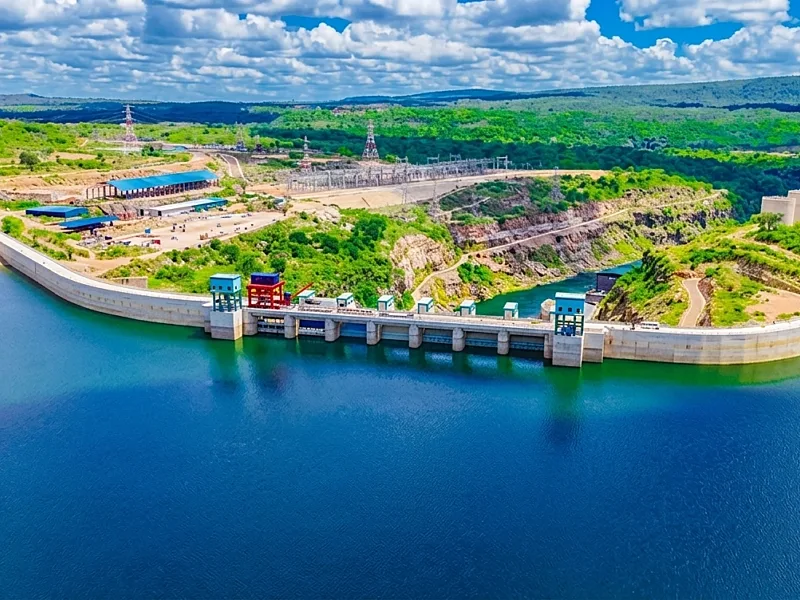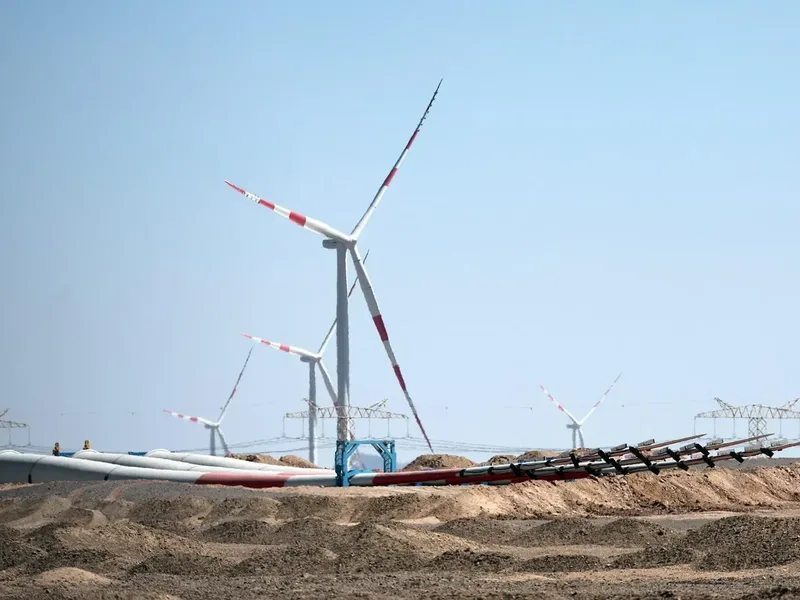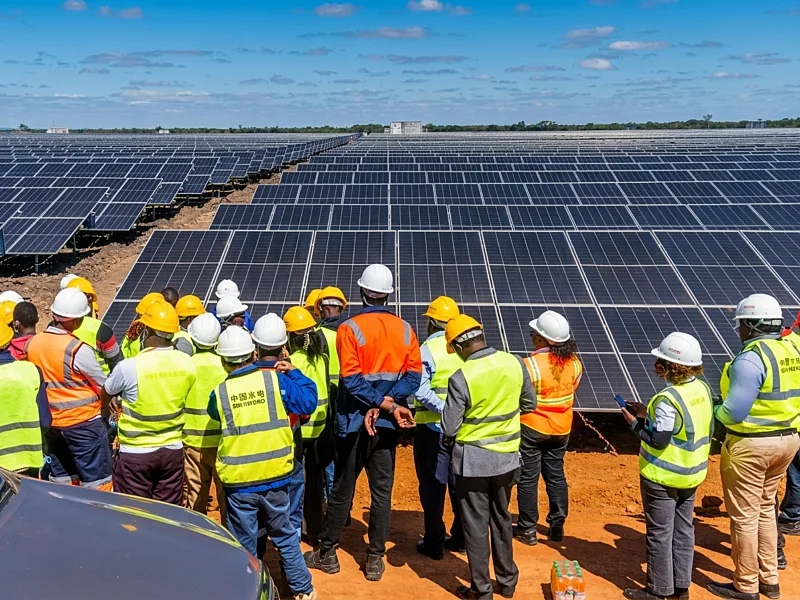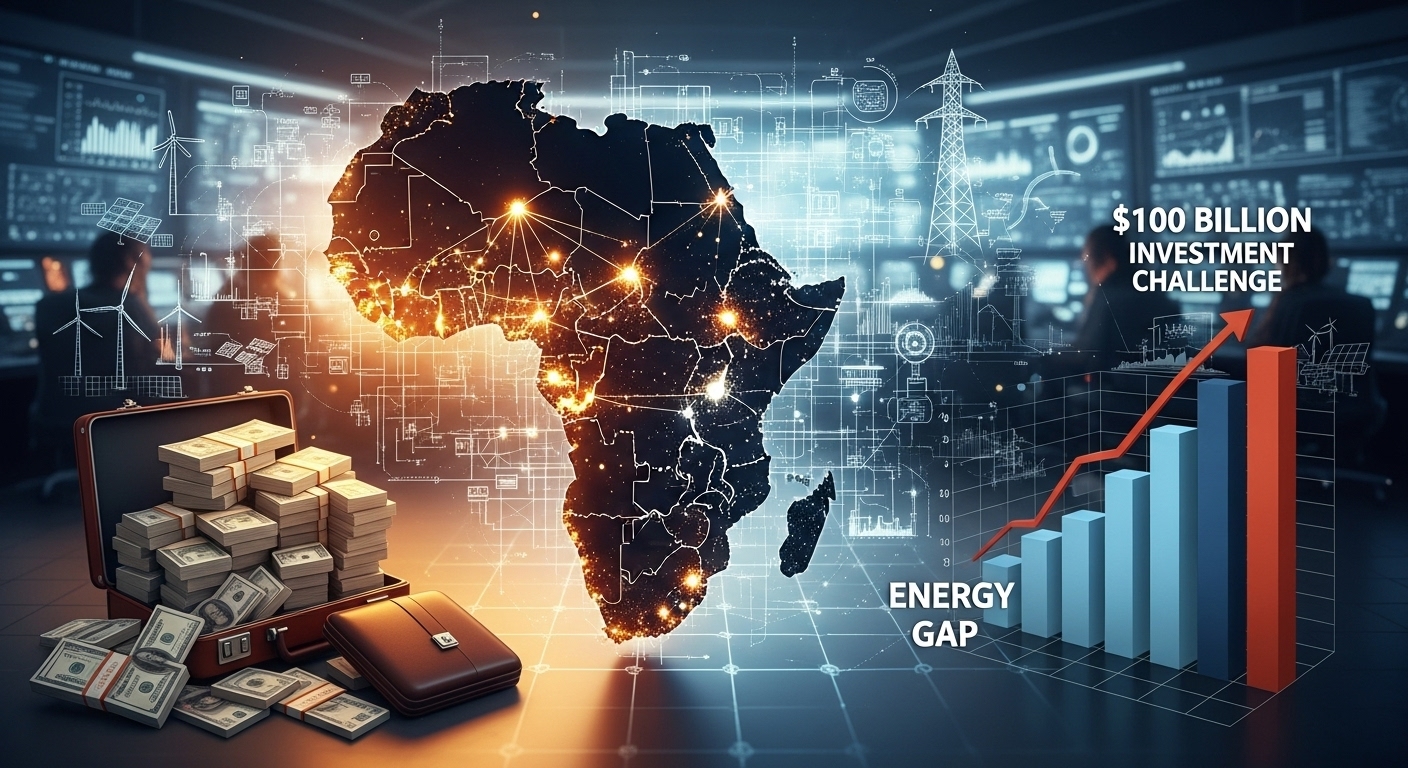
Africa loses an estimated $100 billion each year as stalled energy and industrial projects hinder the continent's ambitions for growth, expanded electricity access, and quality employment. Ambitious infrastructure targets often stall before reaching scale.
Persistent policy inconsistencies, inadequate financing, weak project pipelines, and talent shortages continue to constrain transformative progress across key industries.
The $100 Billion Hole: A Threat to Africa's Future
Despite record development summits and a surge of global pledges, Africa still grapples with a $100 billion annual financing shortfall for energy and infrastructure. The gap continues to widen as investment promises fail to match on-ground ambitions.
Idle power assets and suspended construction projects weaken economic competitiveness, stifling innovation and denying millions new job opportunities across the continent each year.
What the Headline Number Hides
Africa's annual financing deficit spans energy, infrastructure, and industrial skills development, creating a systemic challenge that slows transformation. Each sector faces intertwined financial and operational constraints that compound over time.
Countless projects stall at the blueprint stage or remain incomplete, hindered by scarce, affordable long-term funding and fragile investment confidence. Unlocking holistic, innovative financing and policy reforms will be key to delivering the continent's sustainable ambitions.
Annual Funding Gap by Sector
| Sector | Estimated Annual Shortfall (USD) |
|---|---|
| Energy (generation, grid, storage) | $60 billion |
| Infrastructure (roads, ports) | $30 billion |
| Skills & workforce training | $10 billion |
| Total | $100 billion |
Despite growing electricity access, industrial reliability lags, highlighting persistent challenges. Ambitious efforts like the Continental Power Systems Master Plan, aiming for 300 million connections, underscore the scale of Africa's journey toward dependable, inclusive energy.
From Systemic Shortfall to Lasting Opportunity
Financial inflows to Africa's energy and infrastructure sectors have grown over the past decade, driven in large part by development banks and Chinese-backed lenders. Yet industrial output continues to fall short, hindered by issues around project bankability, currency fluctuations, regulatory unpredictability, and critical skills shortages.
Investors remain wary due to unstable power tariffs and weak contract enforcement, while local currencies often lose value faster than loans are repaid. Even when funds do reach projects, operational inefficiencies persist because of insufficient skilled engineers and technicians to maintain momentum and quality.
Every $1 billion invested in infrastructure can create up to 110,000 direct and indirect jobs. Africa's financing shortfall therefore, results in lost economic opportunity, millions of jobs, diminished tax revenue, greater inequality, and the relocation of industry beyond its borders.
Turning Pledges into Progress: Reforming the Fundamentals
To close the deficit and capitalise on the continent's vast potential, Africa must address the fundamentals:
- De-risk Investments: Introduce guarantees and local-currency financing to make projects attractive to private investors.
- Improve Project Preparation: Adopt standardised contracts, rigorous feasibility frameworks, and transparent revenue models.
- Scale Blended Finance: Combine public, concessional, and private capital, especially for cross-border and scalable infrastructure projects.
- Invest in Skills: Make vocational and technical training a required component of every major energy and infrastructure deal.
Success stories like Africa50 and targeted de-risking funds offer examples of how blended finance, rigorous and better risk management can accelerate progress, but current models need to scale tenfold for meaningful change.
Path Forward — A Decisive Decade
Africa stands at a pivotal crossroads as global momentum for supply chain resilience, critical minerals, and green technology intensifies. The continent could seize this moment—if it accelerates infrastructure development and builds a skilled workforce to answer worldwide demand.
Pledges alone will not deliver transformation; they risk falling flat without urgent reforms. Coordinated policy shifts, greater project transparency, and sustained investment in local skills can replace Africa's $100 billion annual gap with new jobs, growth, and genuine sustainable development.
Africa's fundamental challenge goes beyond sourcing fresh financing; it demands systemic fixes. While incremental steps offer progress, only bold reforms and deep investment in human capacity can convert Africa's many stalled projects into powerful engines of inclusive, lasting growth for generations.