Meeting this future, however, won't come cheap: Africa will need an estimated $ 2.7 trillion by 2030 to respond effectively to climate change.
Yet the continent is no longer waiting; it is advancing bold climate actions, redefining responsibility, and powering a green transformation from the inside out.
The Green Imperative for Africa
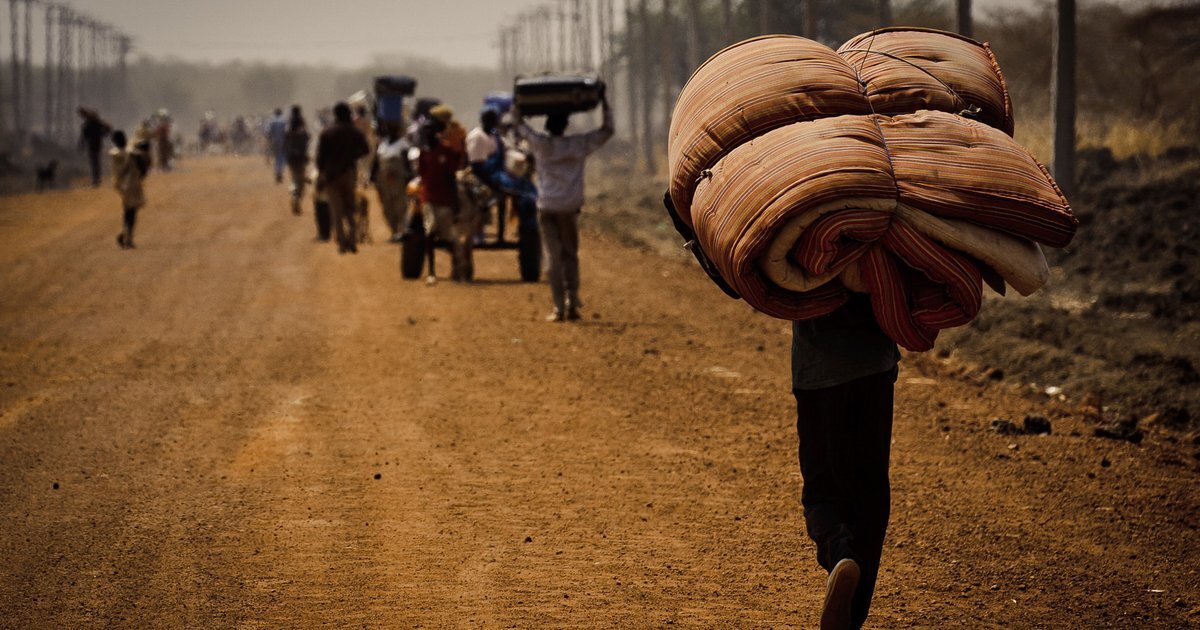
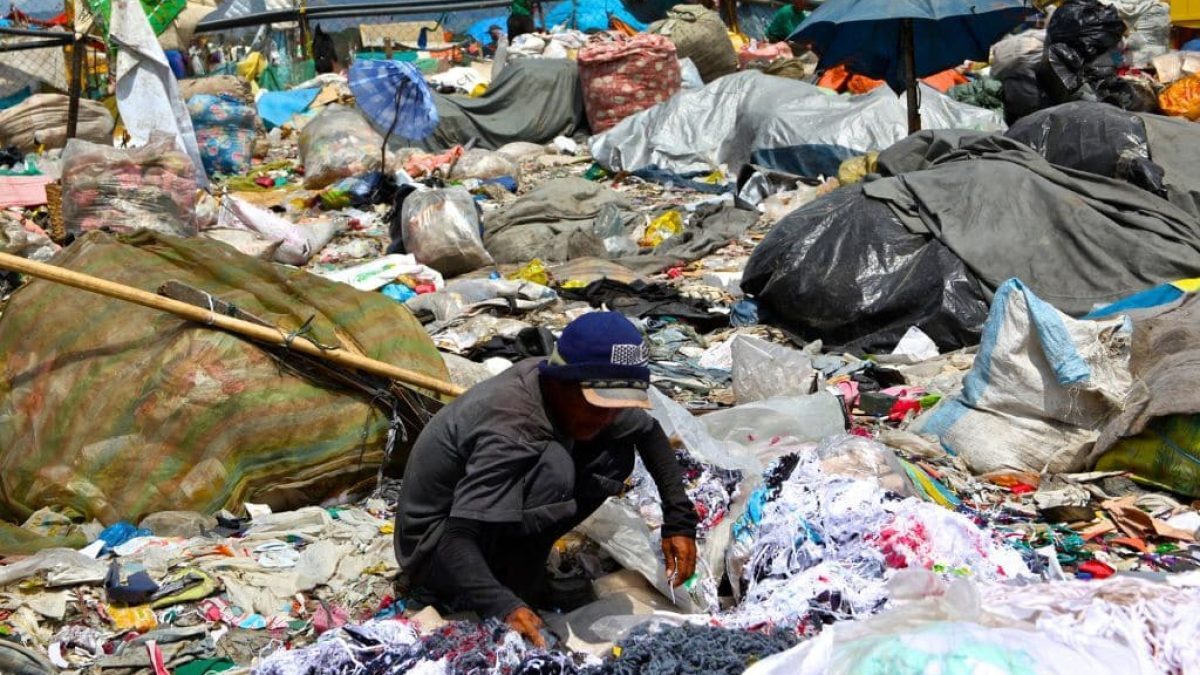
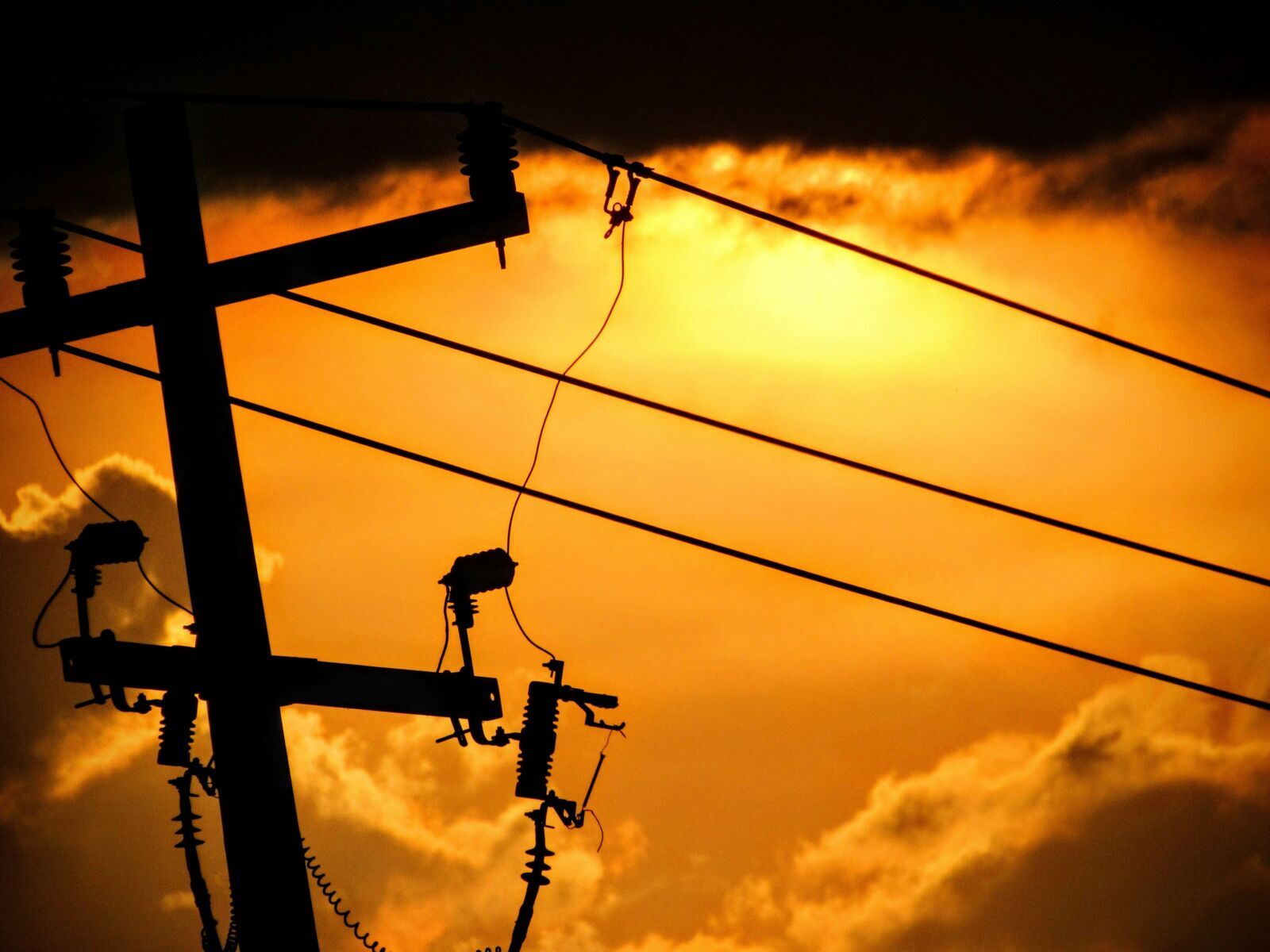
The continent faces a critical moment as it confronts escalating climate risks: desertification, flooding, biodiversity loss and energy shortages.
According to Forbes Africa, meeting these demands will cost about $ 2.7 trillion by 2030.
This staggering amount underscores that the climate transition in Africa is not optional; it is integral to economic resilience, social stability and resource security.
Turning Liability into Opportunity
Rather than simply a burden, the green transition presents a growth frontier for African businesses, governments and communities.
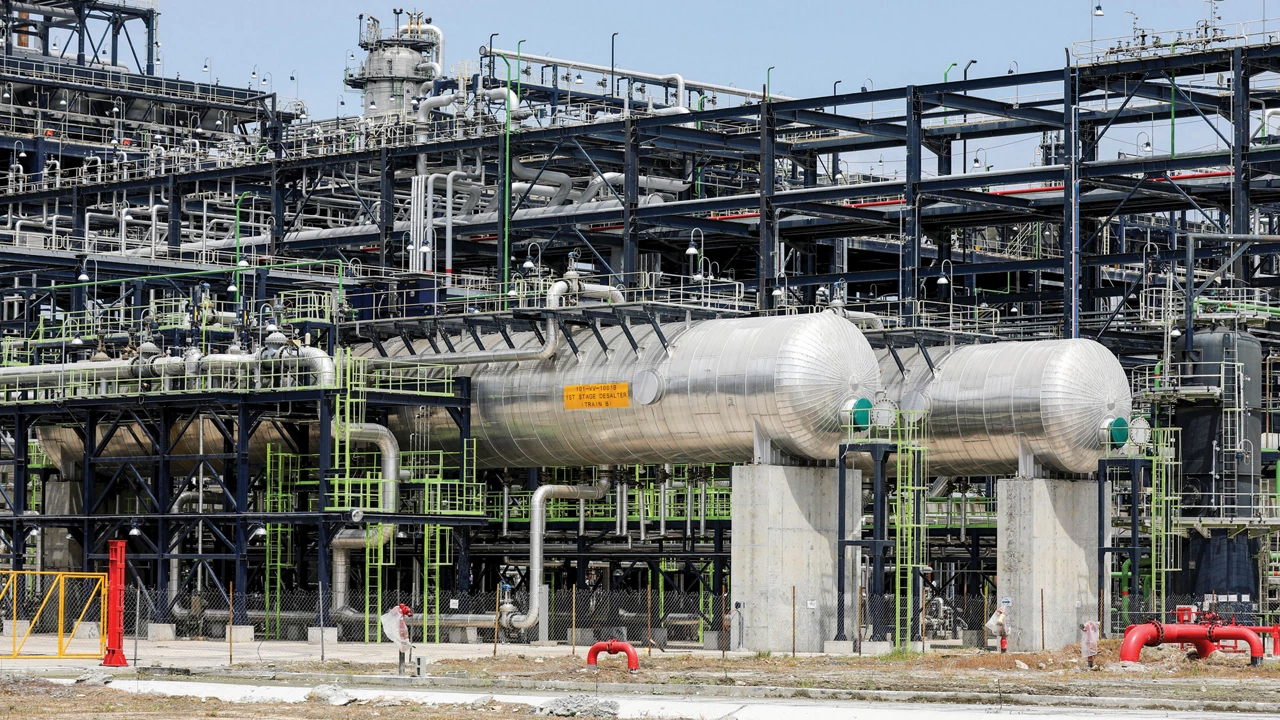
Investments in renewable energy, sustainable infrastructure and circular business models are increasingly recognised as engines for job creation and poverty reduction.
For Africa, with its young population and untapped resources, this shift offers a chance to leapfrog fossil-based pathways and build lasting green value chains.
Who Will Lead and How?
Key decisions now shape which actors will define the continent's green future:
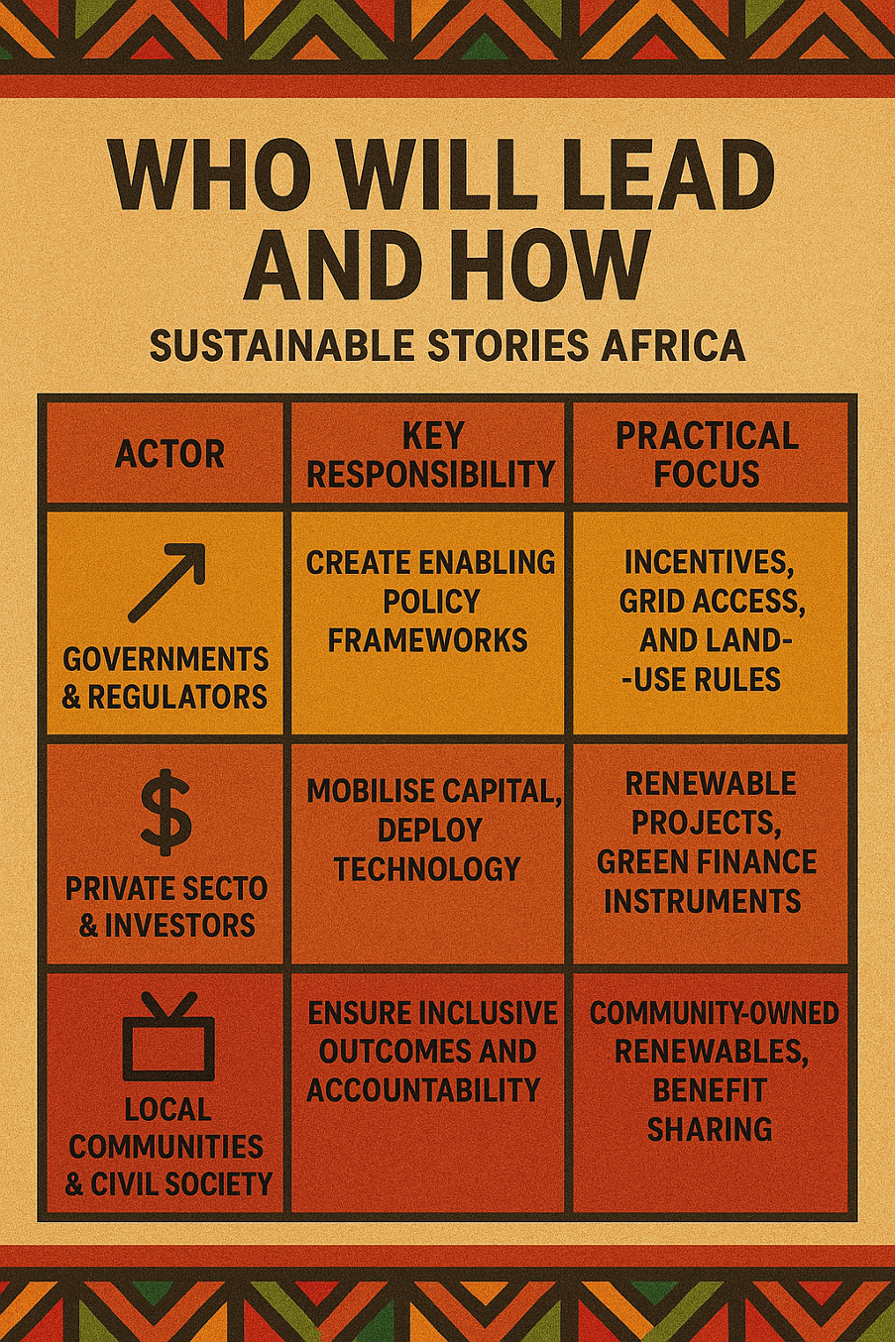
| Actor | Key Responsibility | Practical Focus |
|---|---|---|
| Governments & regulators | Create enabling policy frameworks | Incentives, grid access, and land-use rules |
| Private sector & investors | Mobilise capital, deploy technology | Renewable projects, green finance instruments |
| Local communities & civil society | Ensure inclusive outcomes and accountability | Community-owned renewables, benefit sharing |
Making these decisions real means aligning public budget flows, private-capital incentives and community-led governance.
Responsibility is being redefined away from a donor model toward African-led ownership.
Mobilising for a Green Africa
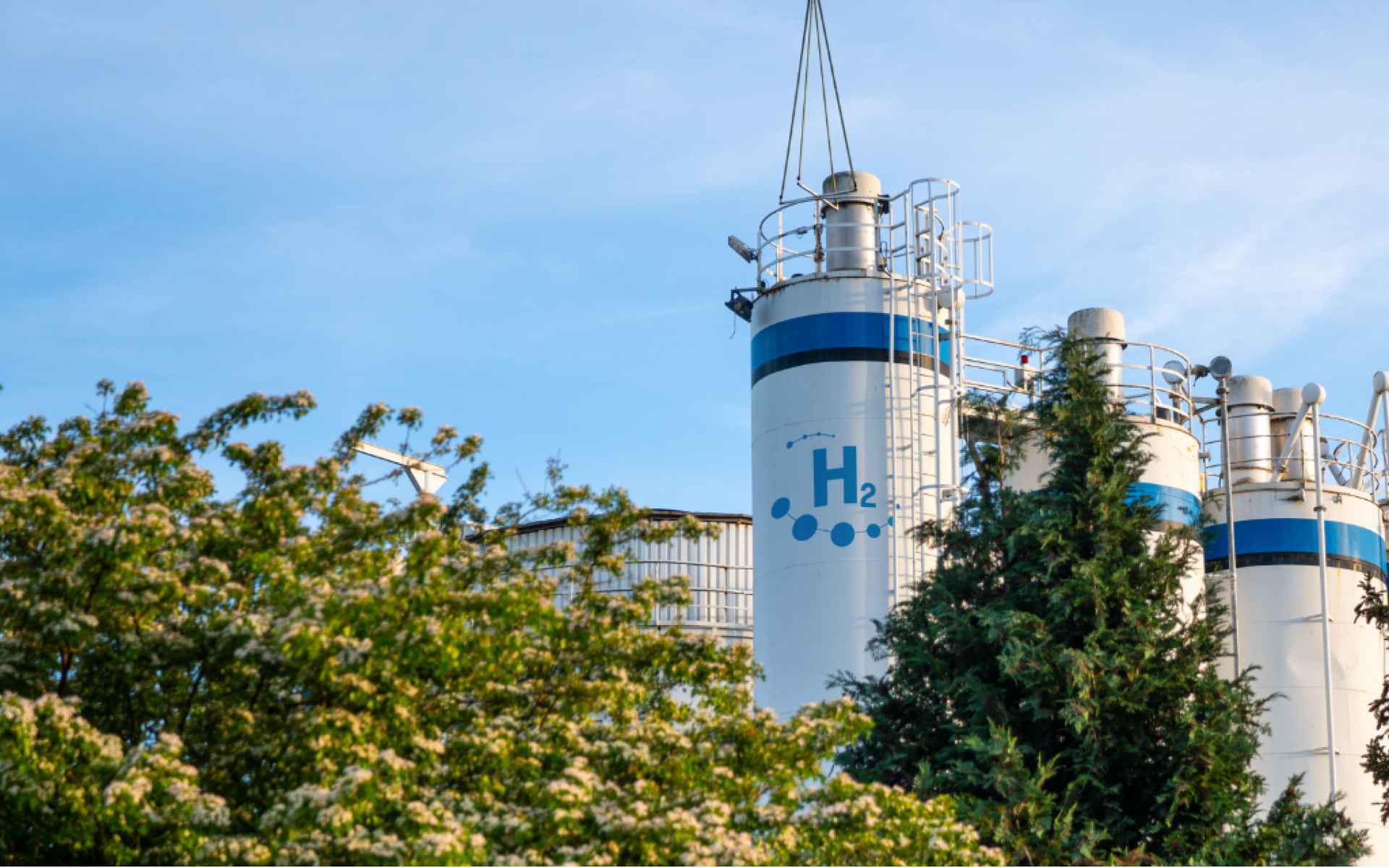
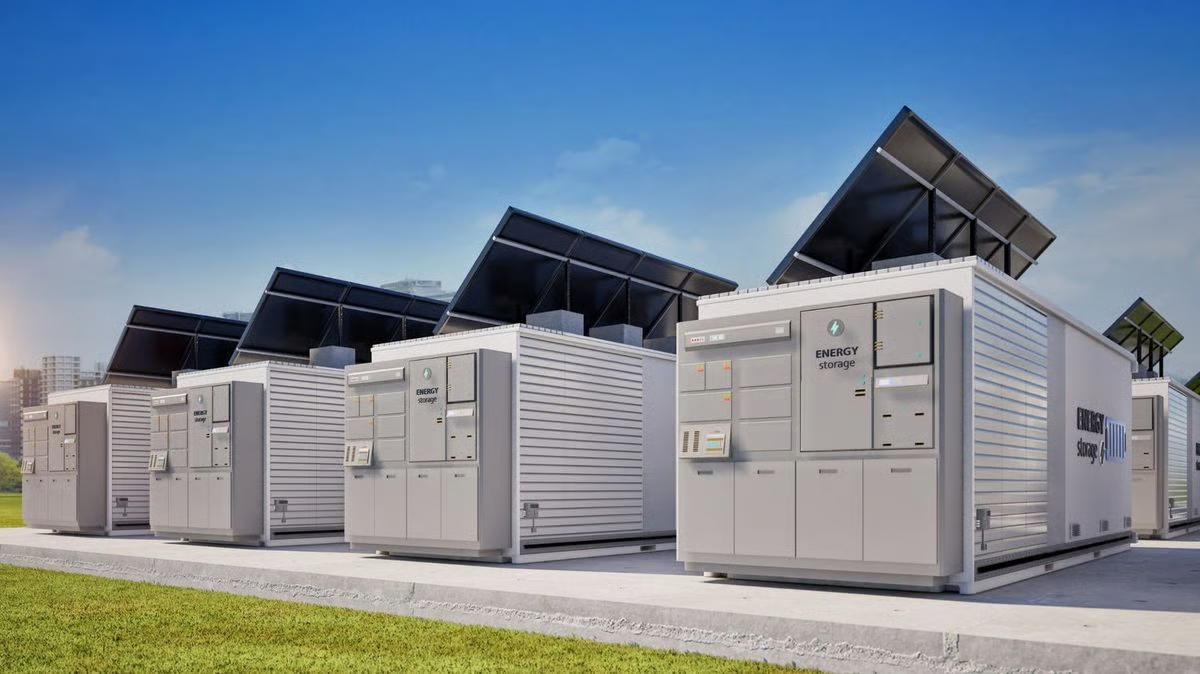
Concrete steps are underway, from scaling solar and wind energy, upgrading grids, embedding climate-resilience into infrastructure, and launching domestic carbon markets.
The challenge is the $ 2.7 trillion financing gap. But through blended finance, public-private partnerships and innovative policy mechanisms, Africa can channel resources into its green horizon.
Path Forward – Charting Sustainable Trajectories
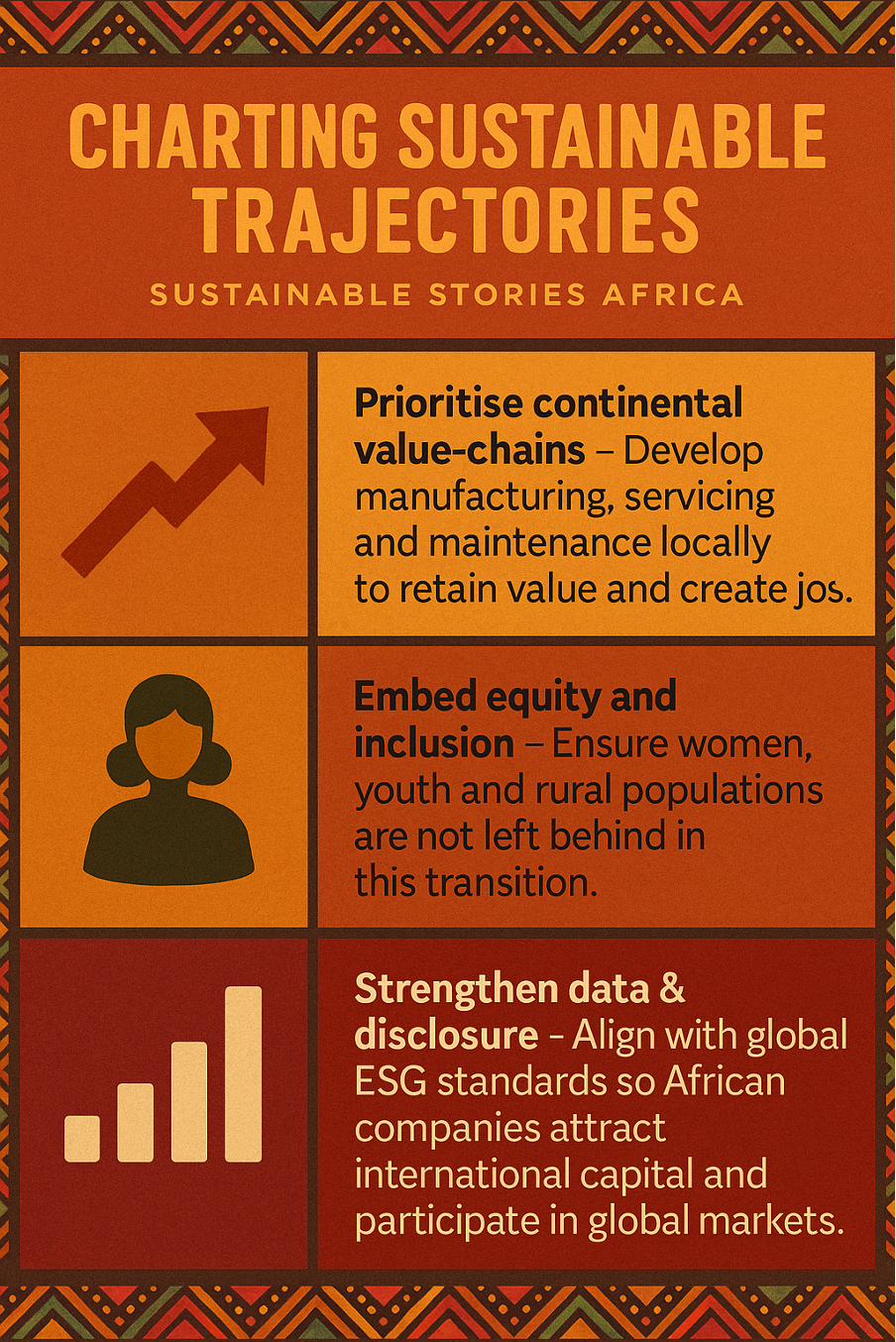
As Africa advances on its green journey, three strategic imperatives must guide the path forward:
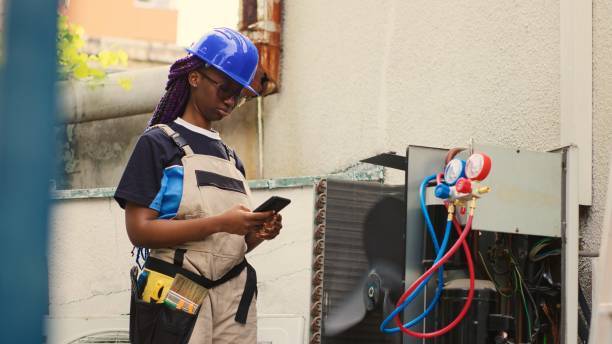
- Prioritise continental value-chains – Develop manufacturing, servicing and maintenance locally to retain value and create jobs.
- Embed equity and inclusion – Ensure women, youth and rural populations are not left behind in this transition.
- Strengthen data & disclosure – Align with global ESG standards so African companies attract international capital and participate in global markets.
The transition is not solely about shifting energy sources; it is about redefining responsibility, unleashing opportunity and securing Africa's voice in the global green economy.
As this narrative unfolds, Africa will not just be responding to climate change; it will be powering its own sustainable story.