Africa's clean-energy transition may be approaching a decisive moment, as policy reform, falling technology costs and climate finance begin to align.
Analysts argue that 2026 could represent a tipping point, shifting renewables from pilot projects to system-level infrastructure across African economies.
The question is no longer whether Africa will transition, but whether momentum can be sustained and scaled fast enough.
Momentum Builds Toward Energy Breakthrough
After years of fragmented progress, Africa's clean-energy transition is showing signs of structural acceleration. According to recent analysis by African Leadership Magazine, 2026 could emerge as a breakthrough year, when policy, capital and technology converge to move renewables from the margins into the core of Africa's energy systems.
Across the continent, governments are reforming power markets, investors are reassessing risk, and renewable technologies are reaching cost parity with fossil alternatives. The convergence is reshaping expectations about what is feasible, and how fast.
What was once framed as a long-term aspiration is increasingly being treated as an economic necessity.
Why the Timing Is Different Now
Several forces are aligning to make 2026 a distinct year.
- First is policy momentum. Countries such as Nigeria, Kenya, South Africa and Egypt have introduced electricity-market reforms, updated renewable targets and clearer procurement frameworks, reducing regulatory uncertainty that has long deterred private investment.
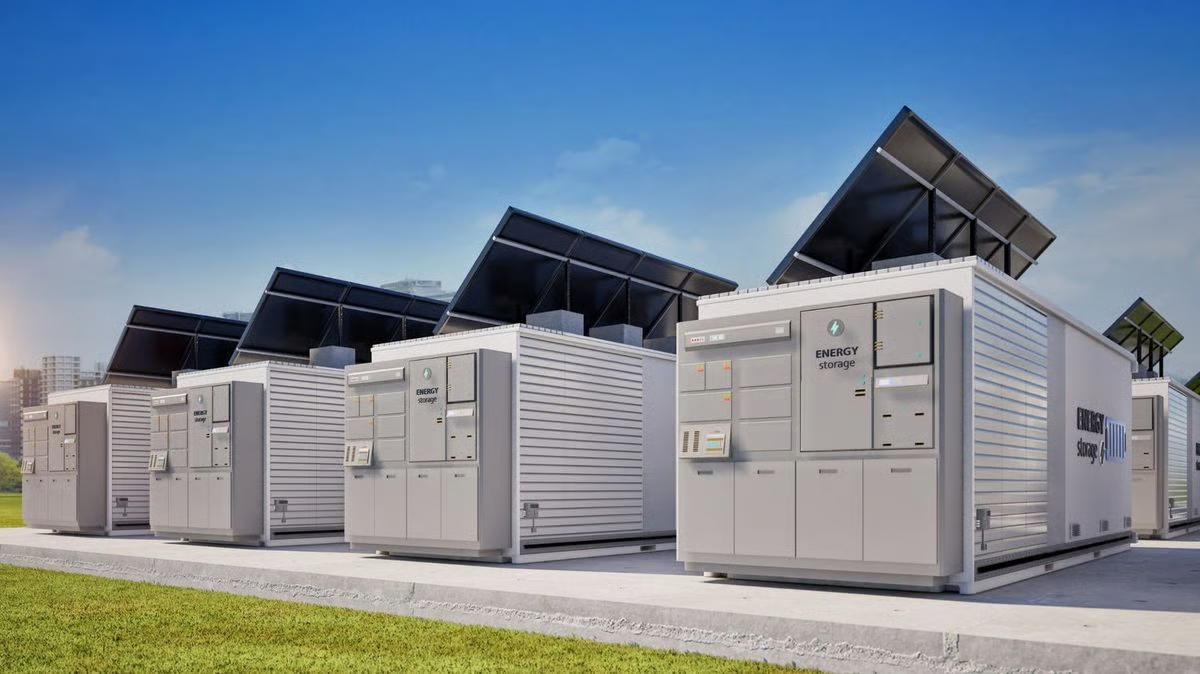
- Second is cost dynamics. Solar, wind and battery storage costs have fallen sharply over the past decade, narrowing the affordability gap that once constrained deployment. For many African utilities and off-grid providers, renewables are now the least-cost option for new generation.
- Third is capital reallocation. Climate finance commitments, blended-finance vehicles and development-bank guarantees are increasingly being structured to crowd in private investors rather than substitute for them.
Drivers Behind Africa's Clean-Energy Momentum
Driver | What Has Changed |
|---|---|
Policy | Market reforms, clearer procurement |
Technology | Falling solar, wind and storage costs |
Finance | Blended finance, guarantees, risk-sharing |
Demand | Rising power needs, urbanisation |
Climate risk | Pressure for resilient systems |
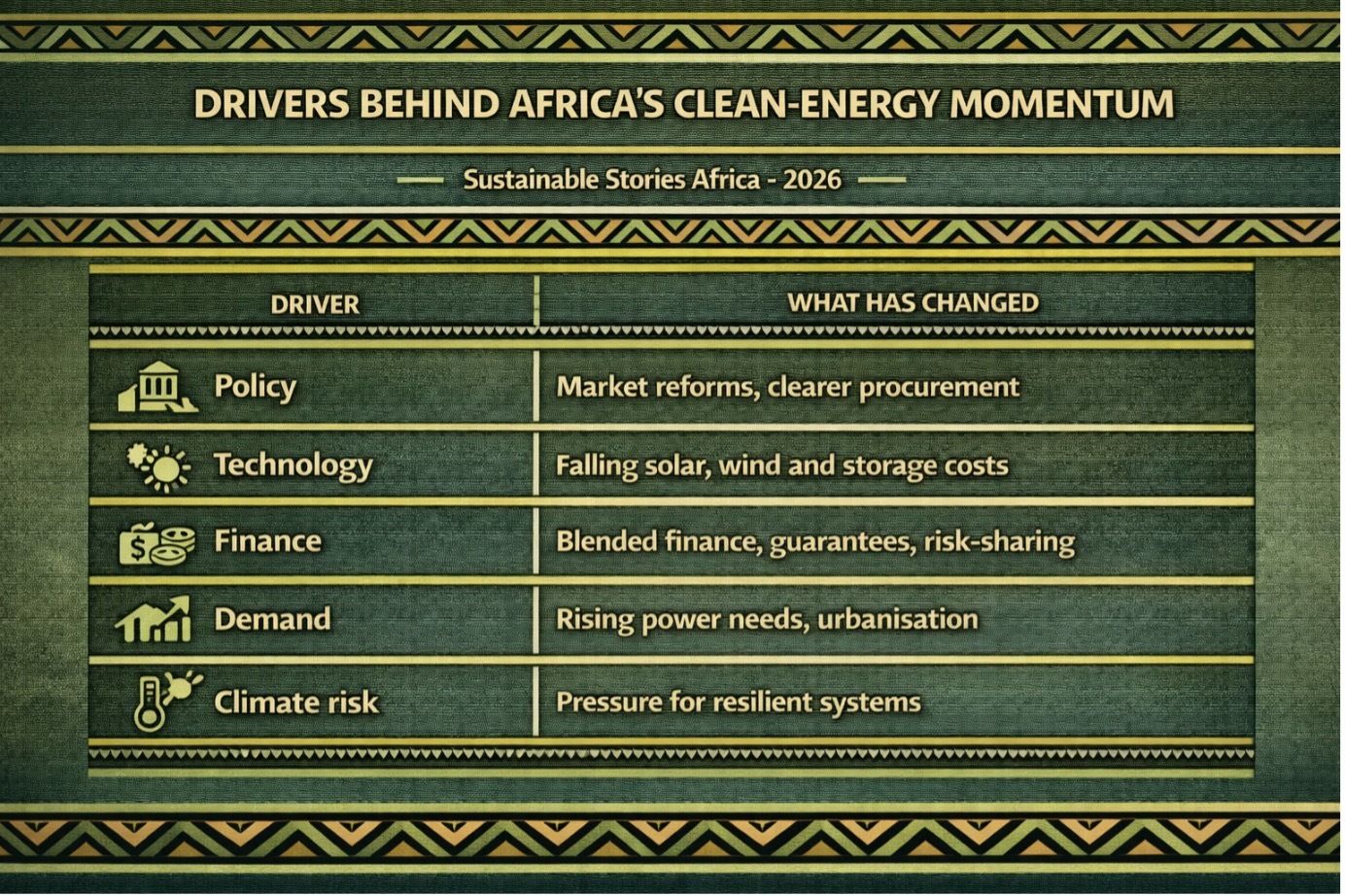
Together, these shifts will align the economics and the narrative around clean energy in Africa.
From Pilots to Power Systems
The critical test, analysts argue, is whether Africa can transit beyond pilot-heavy deployment toward system-level scale. Historically, clean-energy projects have often remained isolated. Scattered mini-grids in one place, isolated solar farms in another, disconnected from broader industrial and transmission planning.
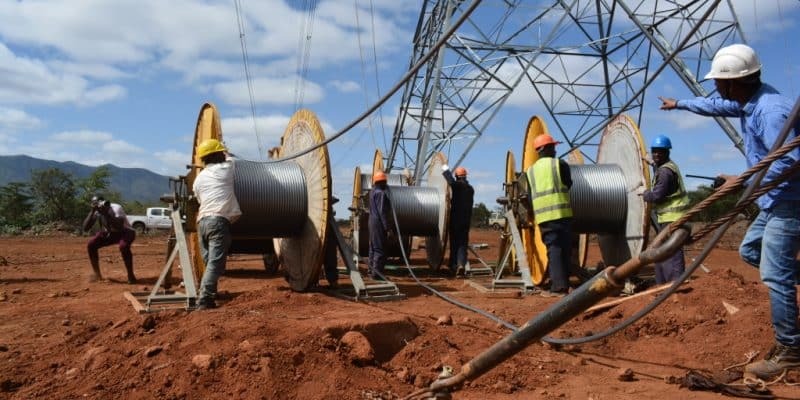
African Leadership Magazine portends to 2026 as a window where scale becomes plausible. Grid expansion, storage integration and regional power pools are increasingly part of national energy strategies, not afterthoughts.
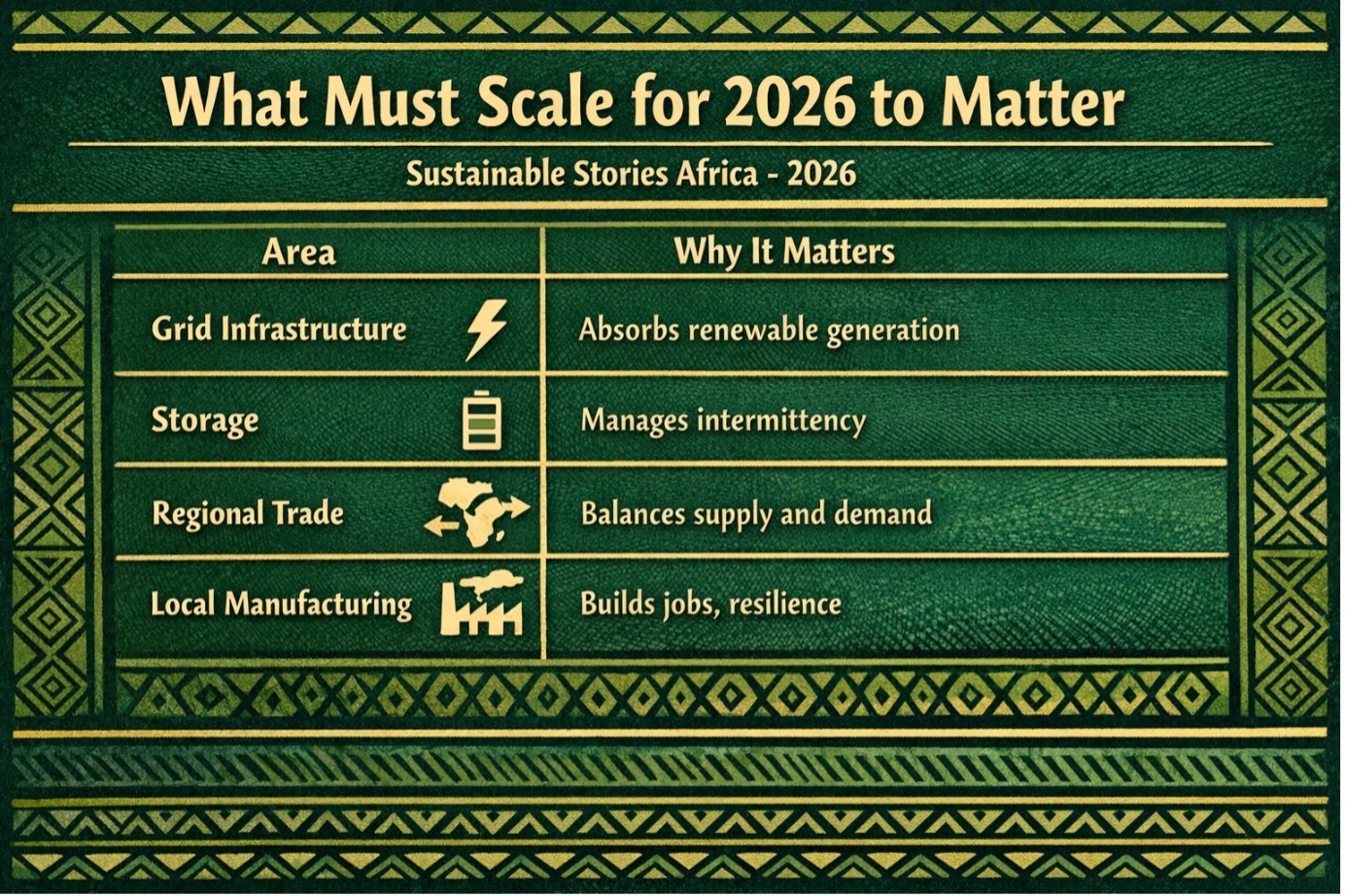
What Must Scale for 2026 to Matter
| Area | Why It Matters |
|---|---|
| Grid infrastructure | Absorbs renewable generation |
| Storage | Manages intermittency |
| Regional trade | Balances supply and demand |
| Local manufacturing | Builds jobs, resilience |
Failure to integrate these elements risks repeating a familiar pattern: promising capacity additions without system reliability.
What Governments and Markets Must Do Now
For governments, the priority is consistency. Investors remain wary of abrupt tariff changes, delayed payments and political interference in utilities. Stable regulation and credible off-take frameworks will determine whether capital flows accelerate or stall.
For investors and developers, the shift requires longer-term thinking, backing platforms and infrastructure rather than one-off assets. Local capacity building, supply chains and skills development will increasingly shape returns.
The stakes are high. Miss the moment, and Africa risks locking in another decade of underpowered growth.
Path Forward – Turning Momentum Into Infrastructure
Africa's clean-energy transition is approaching a narrow window where momentum can become permanence. By 2026, falling costs, policy reform and climate finance could align at scale.
Success will depend on execution: integrating renewables into grids, sustaining regulatory credibility and anchoring investment locally.
If these pieces hold, 2026 may be remembered as the year clean energy moved from promise to backbone across Africa.
Culled From: https://www.africanleadershipmagazine.co.uk/why-2026-could-be-africas-breakthrough-year-for-clean-energy/