Africa's climate and agriculture financing landscape is shifting, with growing attention on resilience, clean energy, and environmental protection.
Investors are increasingly backing projects that link food security, climate adaptation, and energy access, especially in vulnerable rural communities.
But funding gaps, policy uncertainty, and infrastructure constraints continue to limit the scale and speed of impact.
Africa's Green Finance Priorities Evolve
Investment across Africa's agriculture, climate, environment, and energy sectors is increasingly converging around one central theme: resilience.
Funding is shifting toward projects that strengthen food systems, protect ecosystems, and expand access to clean energy, particularly in regions exposed to climate shocks.
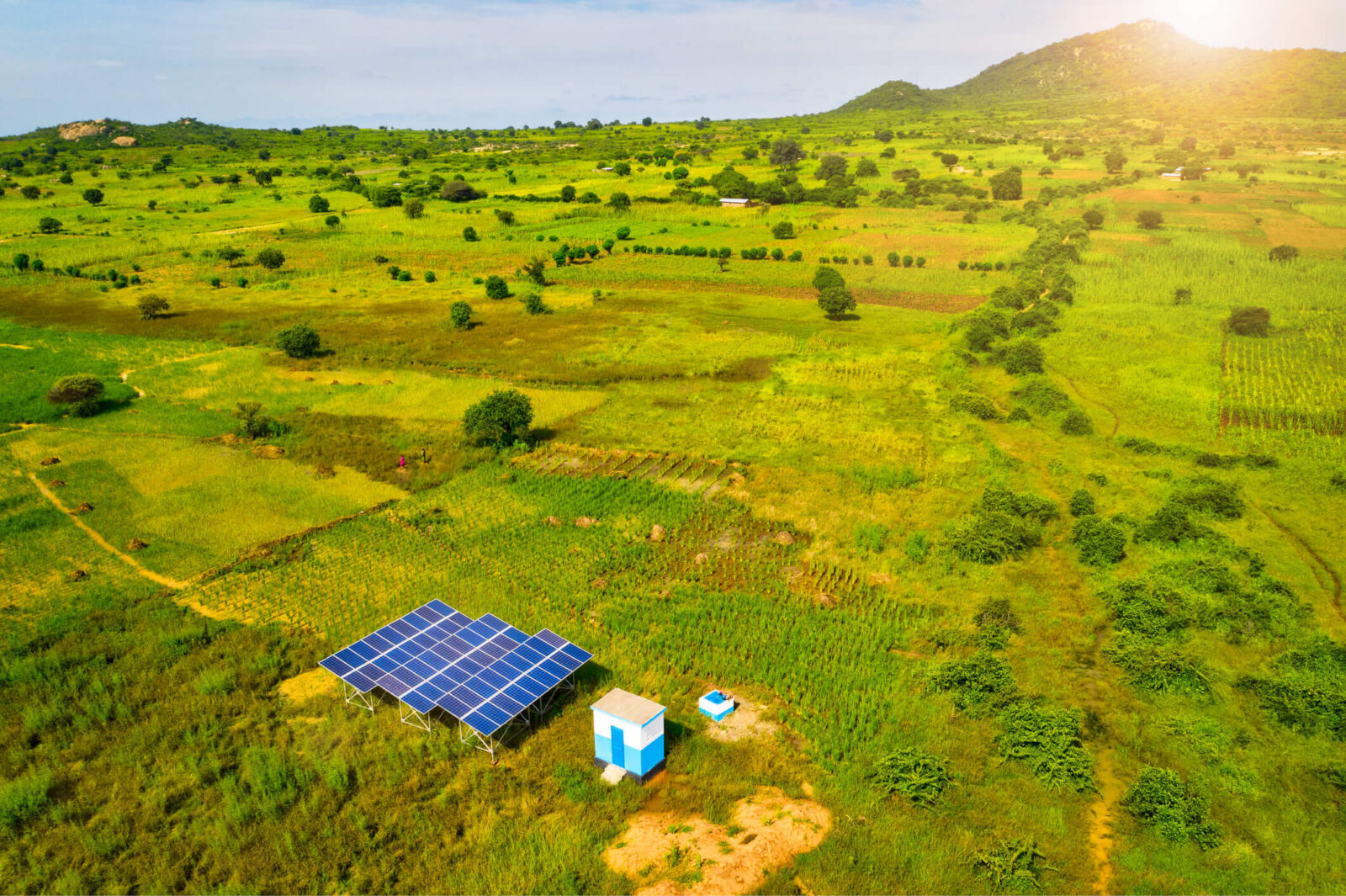
From drought-resistant farming to off-grid solar for rural communities, investors are targeting solutions that link economic development with environmental stability.
However, despite rising interest, African countries continue to face major financing gaps that slow project delivery and limit impact at scale.
Where the Money Is Going
Climate and agriculture finance in Africa is becoming more integrated, with projects designed to deliver multiple benefits at once.
Priority investment areas now include:
- Climate-smart agriculture
- Water and soil conservation
- Renewable energy for rural areas
- Ecosystem protection and restoration
- Sustainable food systems
These projects aim to increase productivity, reduce climate risks, and strengthen livelihoods.
Agriculture remains a major focus, given its role as Africa's largest employer and its vulnerability to extreme weather.
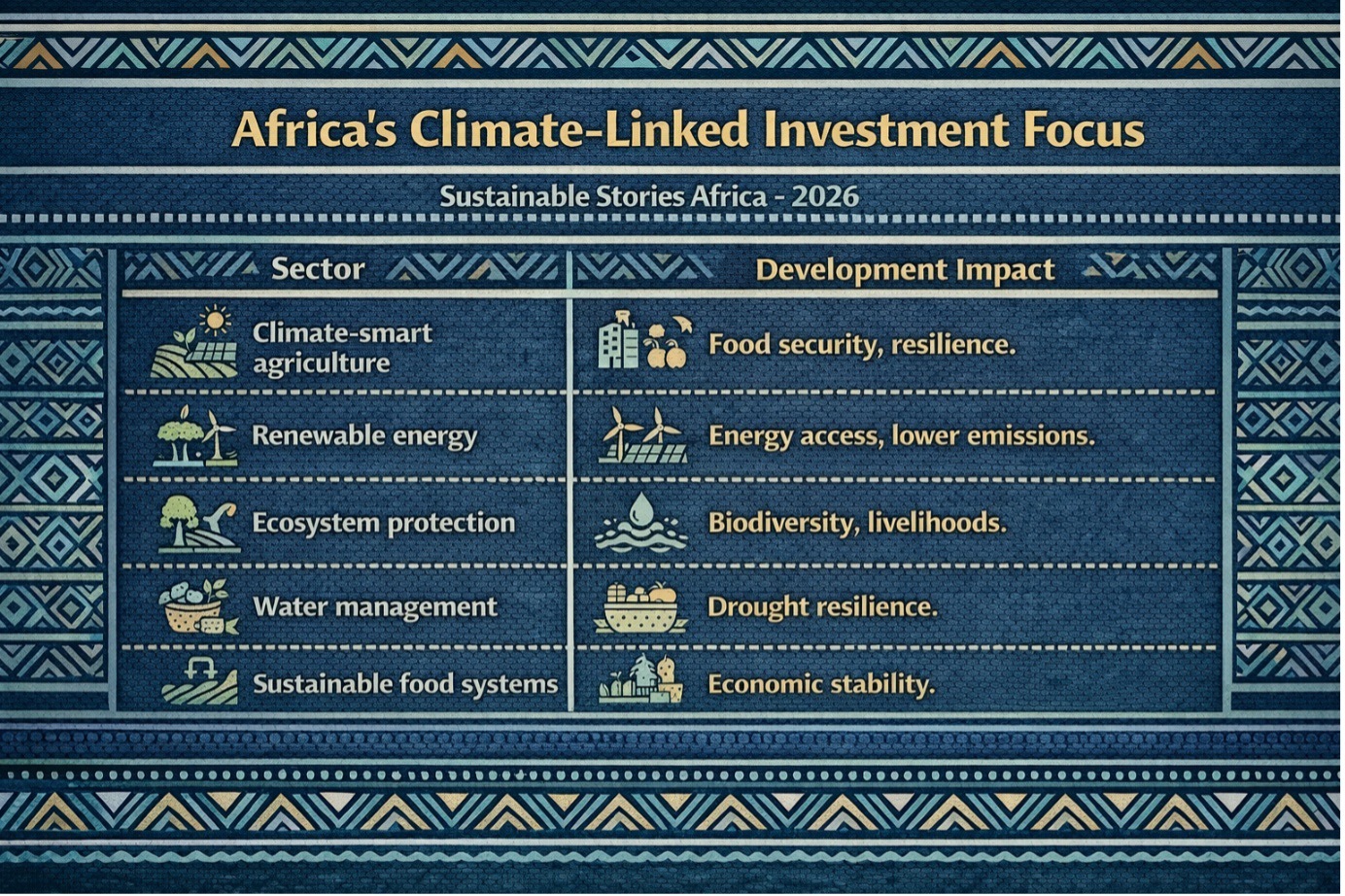
Africa's Climate-Linked Investment Focus
| Sector | Development Impact |
|---|---|
| Climate-smart agriculture | Food security, resilience |
| Renewable energy | Energy access, lower emissions |
| Ecosystem protection | Biodiversity, livelihoods |
| Water management | Drought resilience |
| Sustainable food systems | Economic stability |
Energy access is also a growing priority. Off-grid solar, clean cooking solutions, and mini-grids are increasingly linked to agricultural productivity, health outcomes, and local enterprise growth.
Why Resilience Drives Investment
Climate risk is now a core investment consideration in Africa.
Floods, droughts, and rising temperatures are disrupting food supply chains, damaging infrastructure, and increasing rural poverty.
Investors are responding by prioritising projects that can withstand climate shocks and protect vulnerable communities.
At the same time, development funders are looking for measurable impact, projects that can demonstrate environmental benefits alongside social and economic returns.
This has increased the level of capital toward blended-finance models, where public and philanthropic funds help reduce risk for private investors.
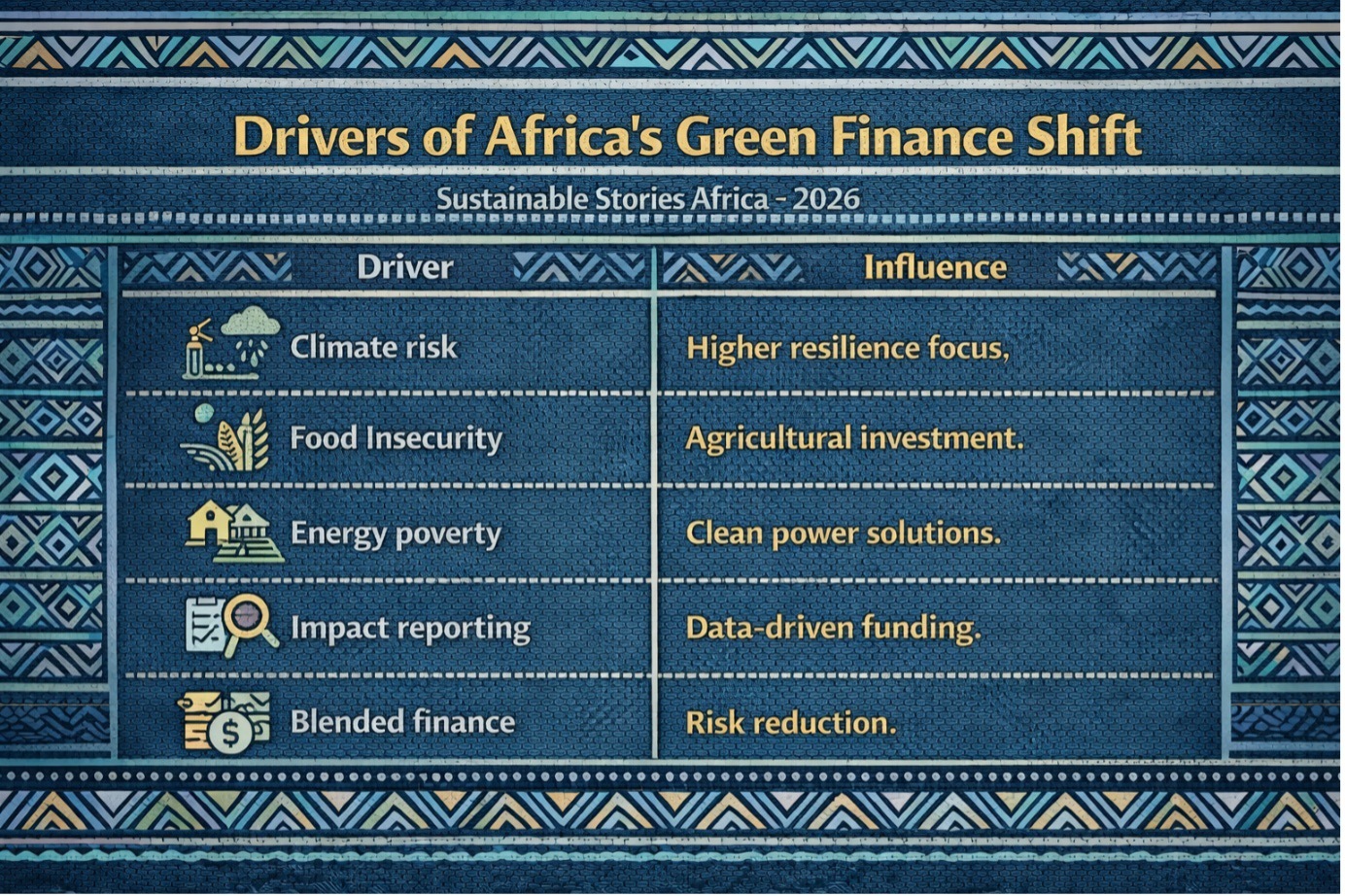
Drivers of Africa's Green Finance Shift
| Driver | Influence |
|---|---|
| Climate risk | Higher resilience focus |
| Food insecurity | Agricultural investment |
| Energy poverty | Clean power solutions |
| Impact reporting | Data-driven funding |
| Blended finance | Risk reduction |
However, many promising projects remain underfunded, especially in fragile and low-income regions.
What Still Limits Scale
Despite rising interest, Africa's green-finance ecosystem faces persistent challenges:
- Limited access to local-currency financing
- Weak project preparation capacity
- Policy and regulatory uncertainty
- Infrastructure constraints
- High transaction costs
Smaller agricultural and environmental projects often struggle to meet the documentation and risk standards required by international investors.
There is also a mismatch between short-term funding cycles and the long-term nature of climate adaptation and ecosystem restoration.
Experts argue that scaling impact will require:
- Stronger public-sector support
- More flexible financing instruments
- Better data on climate and social outcomes
- Regional collaboration on climate and energy policy
Without these reforms, Africa risks missing out on the full benefits of climate-aligned investment.
PATH FORWARD – Financing Africa's Climate Resilience
Africa's climate, agriculture, and energy investment trends are showing growing alignment around resilience and sustainability.
By linking food security, clean energy, and environmental protection, investors are supporting more integrated development models.
If funding mechanisms become more flexible and project pipelines stronger, climate finance could play a larger role in protecting livelihoods, ecosystems, and long-term economic stability across the continent.
Culled From: https://impactfunding.substack.com/p/agriculture-climate-environment-energy-c1f