The African Climate Foundation has launched a 2026–2030 strategy focused on Africa-led climate transition.
It comes as fears of a possible “super El Niño” raise concern over worsening climate risks.
The foundation says clean energy, resilience and green industrialisation must be built around African institutions, investment platforms and development priorities.
Africa Cannot Import Its Transition
Africa’s climate transition must be designed and driven from within the continent, the African Climate Foundation has said, warning that externally imposed models will not be enough to protect economies, communities and livelihoods from intensifying climate risks.
The foundation made the call as it launched its 2026 – 2030 strategy, focused on clean energy access, climate resilience, green industrialisation, sustainable finance and stronger African influence in global climate, trade and finance governance.
The strategy comes as concern grows over the possible emergence of a “super El Niño” later this year and its likely impact on vulnerable regions.
Saliem Fekir, executive director of the African Climate Foundation, said the foundation’s role is to support those driving the transition from within Africa in understanding the institutions, capabilities and investment platforms needed to deliver change at scale.
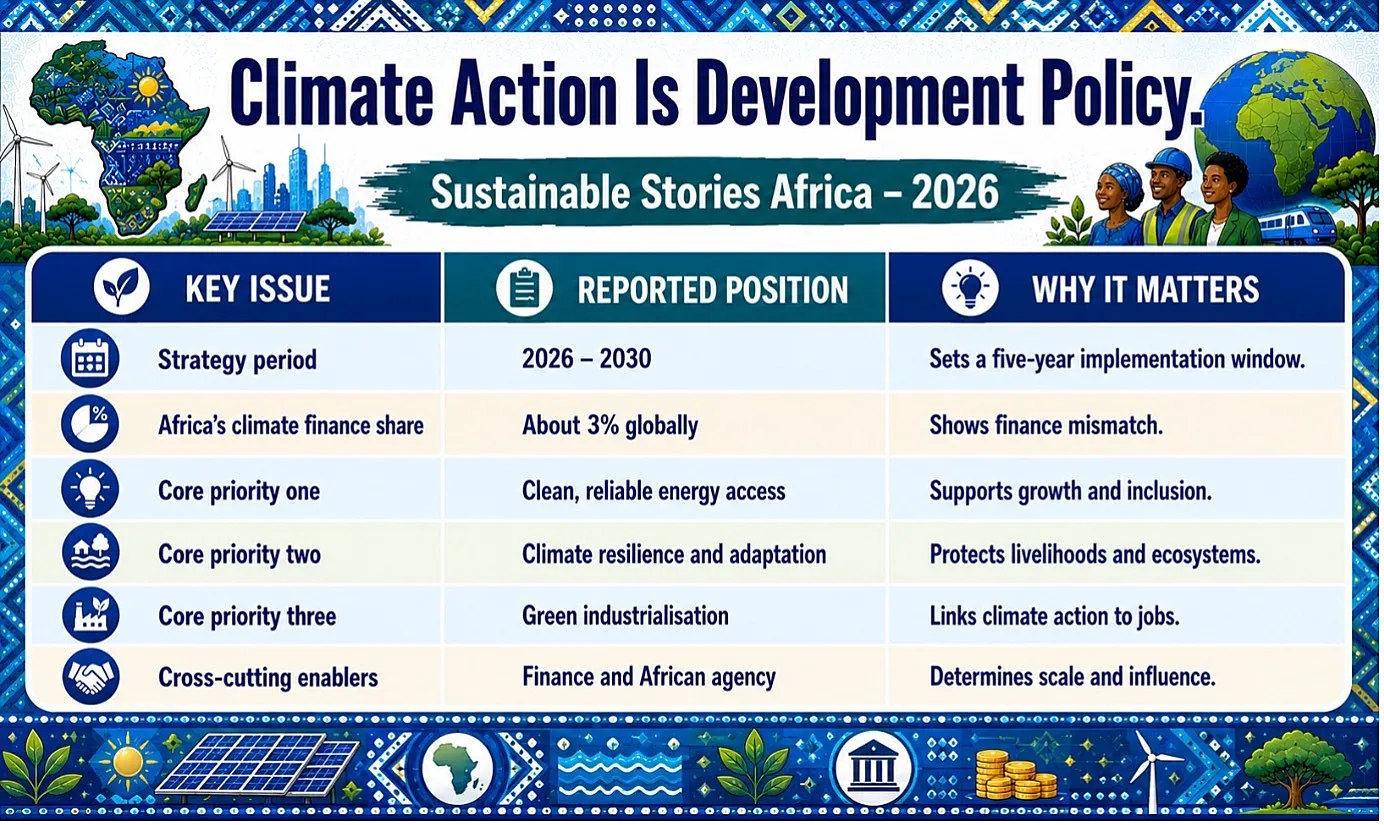
Climate Action Is Development Policy
The foundation’s central argument is direct: Africa’s climate agenda cannot be separated from development. Energy access, food systems, trade, industry and resilience are now part of the same transition challenge.
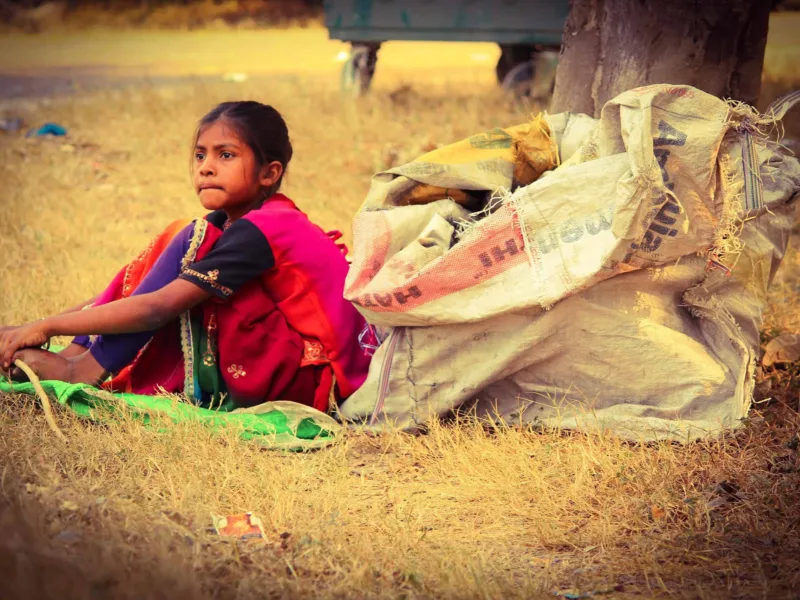
Africa contributes only a small share of global greenhouse gas emissions, yet faces disproportionate climate impacts. The foundation said the continent receives only 3% of global climate finance, despite rising exposure to droughts, floods, heat stress and food insecurity.
For a farmer facing irregular rains, the debate is not abstract. It is about whether seeds, irrigation, insurance and early warning systems arrive before the next failed season. For a manufacturer, it is about whether power is reliable and affordable enough to compete. For cities, it is about whether drainage, planning and infrastructure can withstand climate shocks.
A Transition That Creates Value
The foundation’s strategy promises that climate action can become a growth strategy rather than a burden.
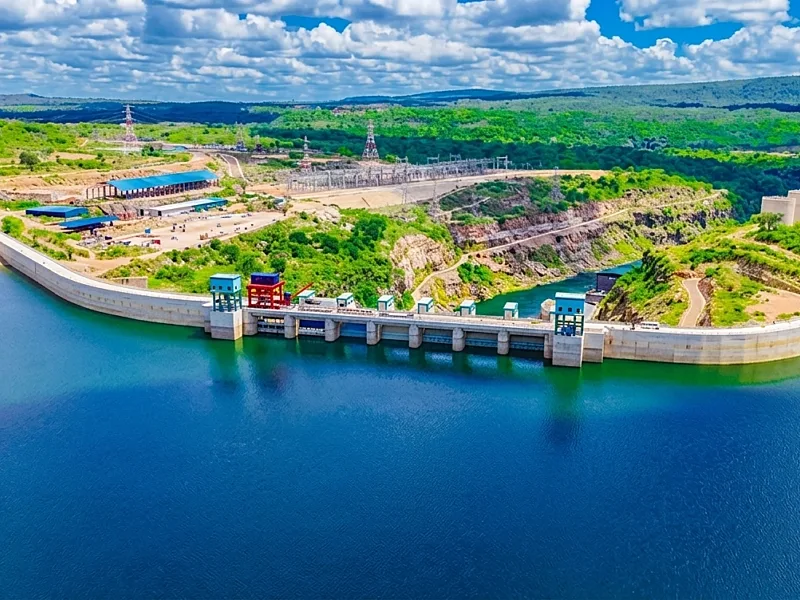
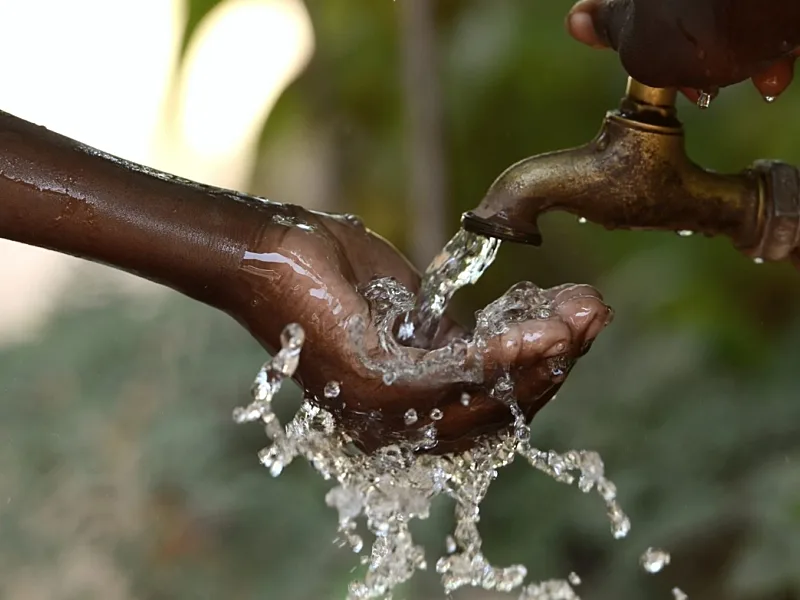
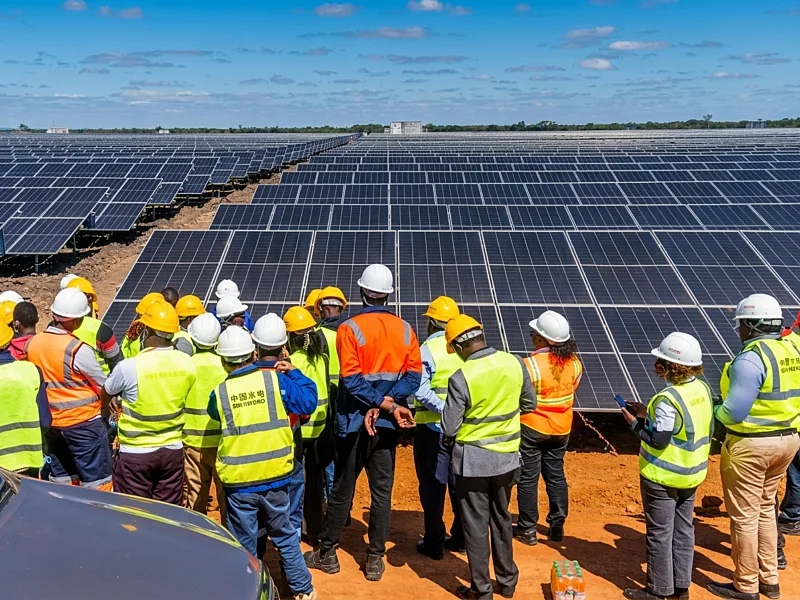
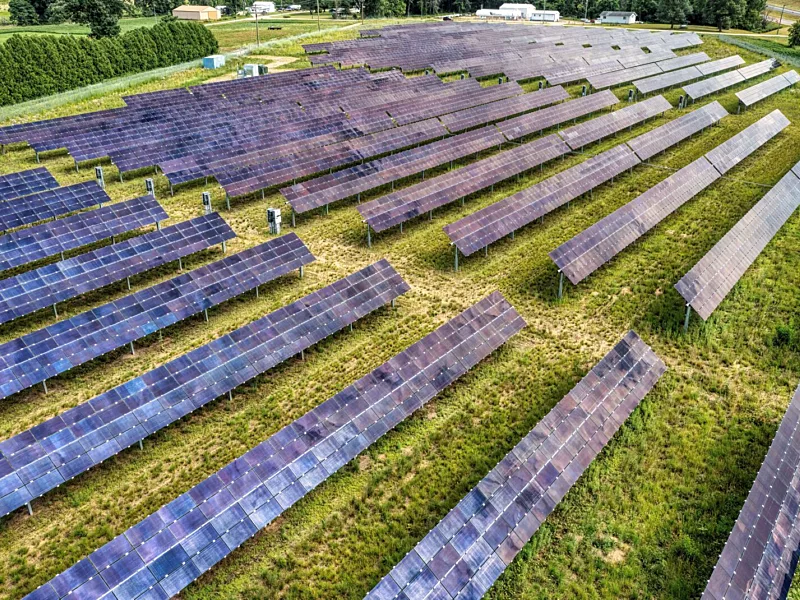
Clean energy access can power homes, schools, hospitals and small businesses. Climate resilience can reduce losses from droughts and floods.
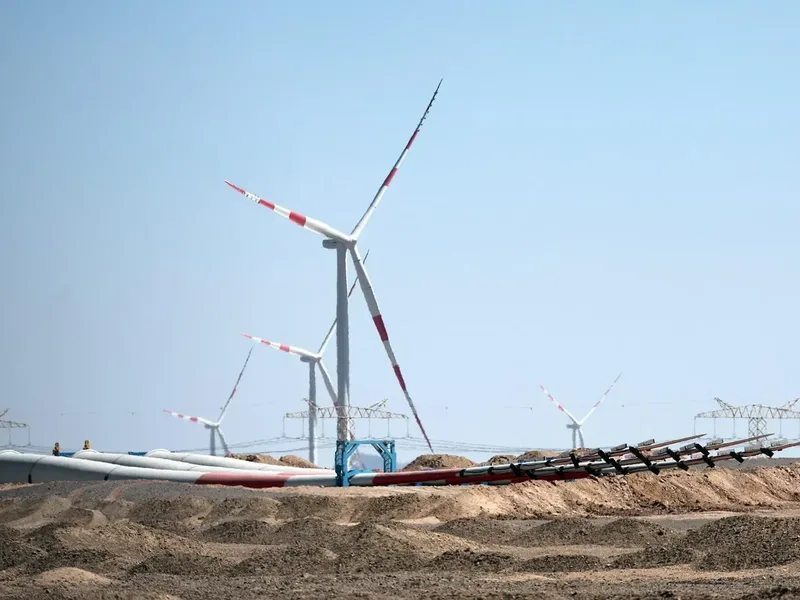
Green industrialisation can help African economies process more of their resources, build local manufacturing and create jobs in emerging value chains.
The foundation said climate commitments have multiplied, but implementation continues to lag.
That gap matters because every year of delay raises costs, while those least responsible for the climate crisis are often most exposed to its consequences.
If Africa builds the transition around its own realities, it can protect vulnerable communities while strengthening competitiveness.
If it does not, the continent risks importing solutions that miss local needs, underfund public systems and leave communities exposed.
Finance Systems, Not Slogans
The foundation’s strategy provides a practical call to action: African climate ambition must be matched with institutions, money and implementation capacity.
- Governments need policies that connect energy, agriculture, industry and trade.
- Development partners need to support country-owned platforms rather than fragmented projects.
- Investors need bankable pipelines that combine climate impact with economic returns.
- Civil society and communities need a stronger voice in shaping priorities
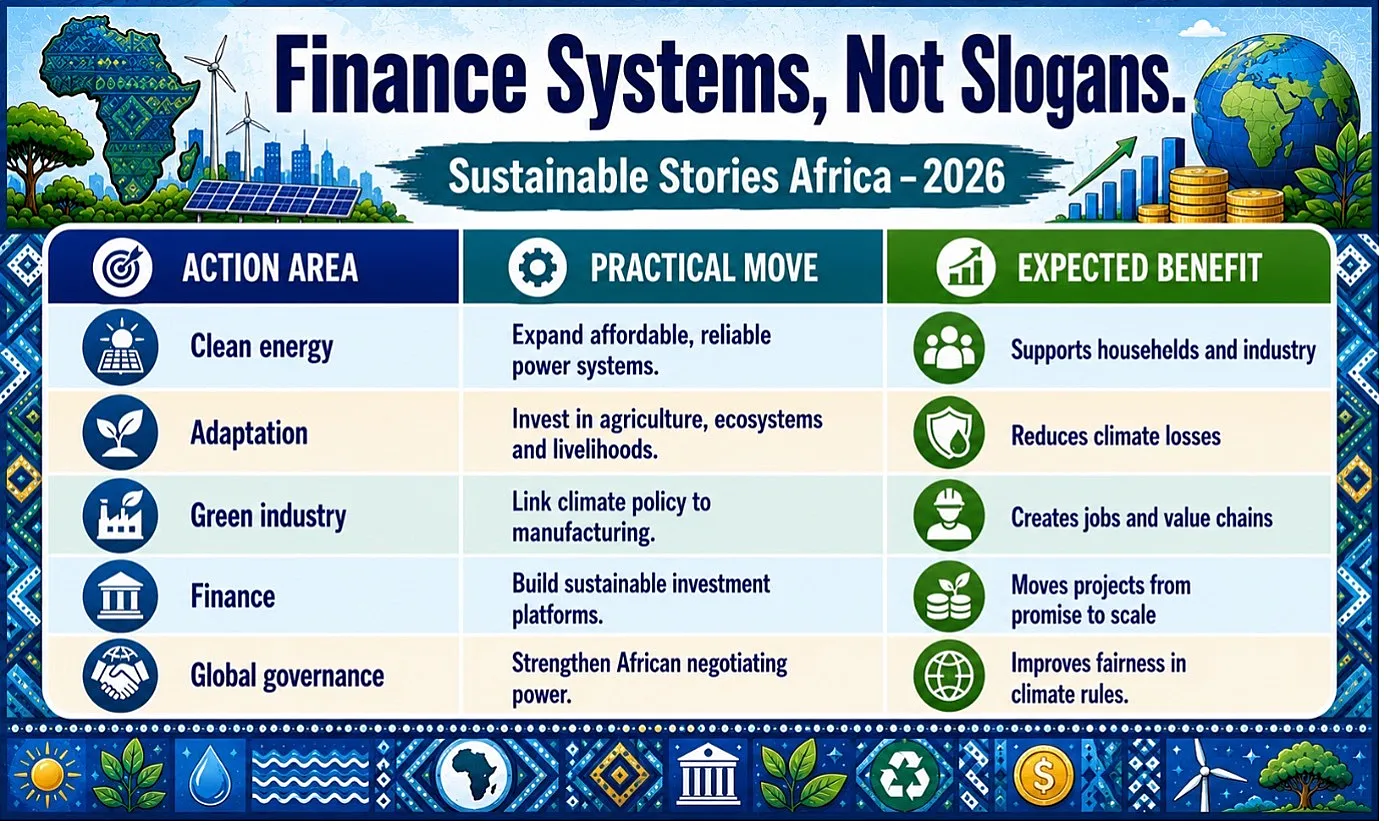
The message is clear: Africa’s climate future cannot be outsourced. It must be financed, governed and implemented in line with African priorities.
Path Forward – Build From Within, Scale Outward
The next step is to convert strategy into delivery: energy access, adaptation, finance and industrial policy working together.
For ESG and sustainability markets, the foundation’s message is decisive.
Africa’s transition must protect people, strengthen resilience and create competitive green economies rooted in local capacity and shared prosperity.
Culled From: https://www.downtoearth.org.in/climate-change/africas-climate-transition-must-be-built-from-within-foundation-says