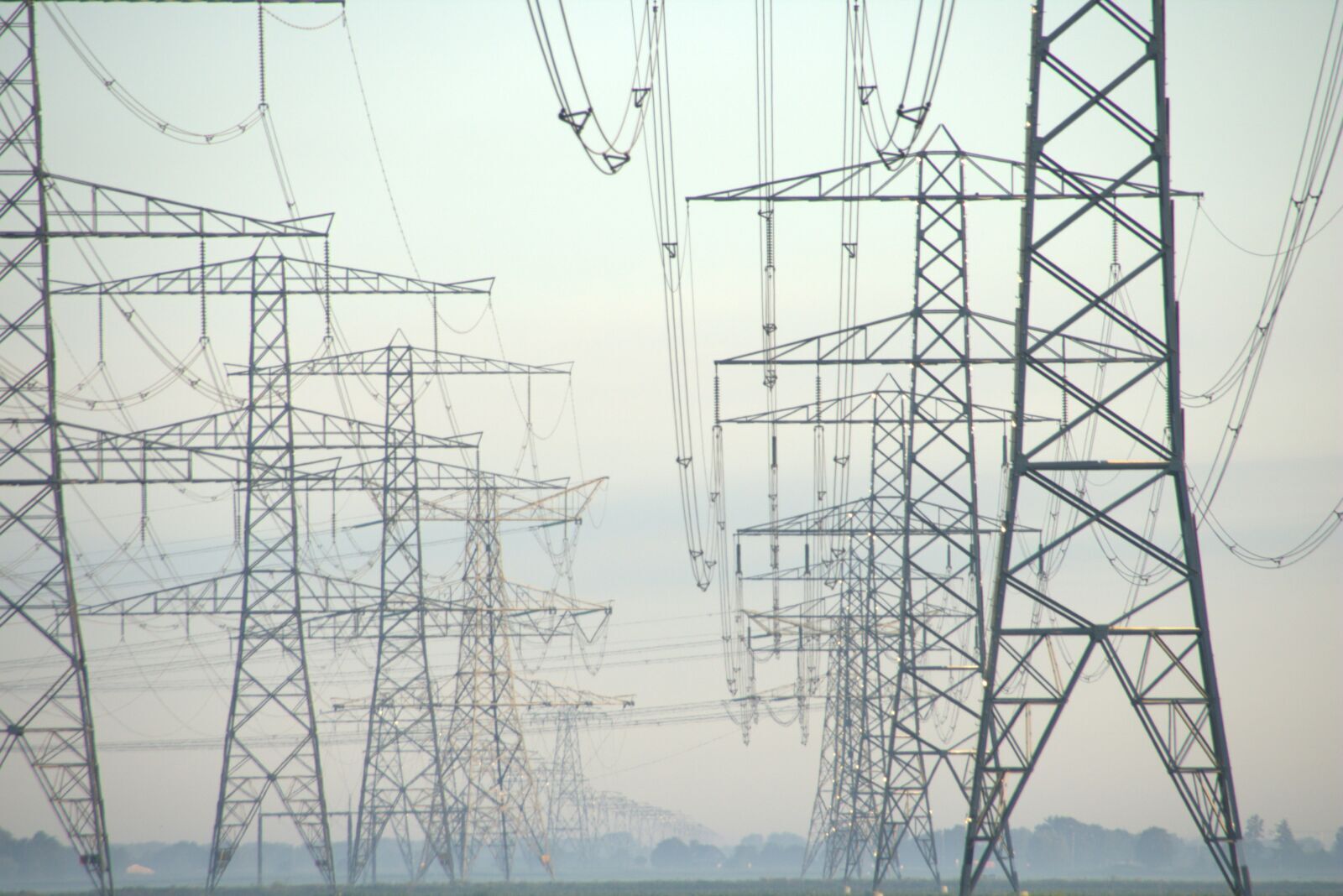
Africa’s long-held dream of trading electricity across borders is beginning to look less like policy ambition and more like infrastructure strategy.
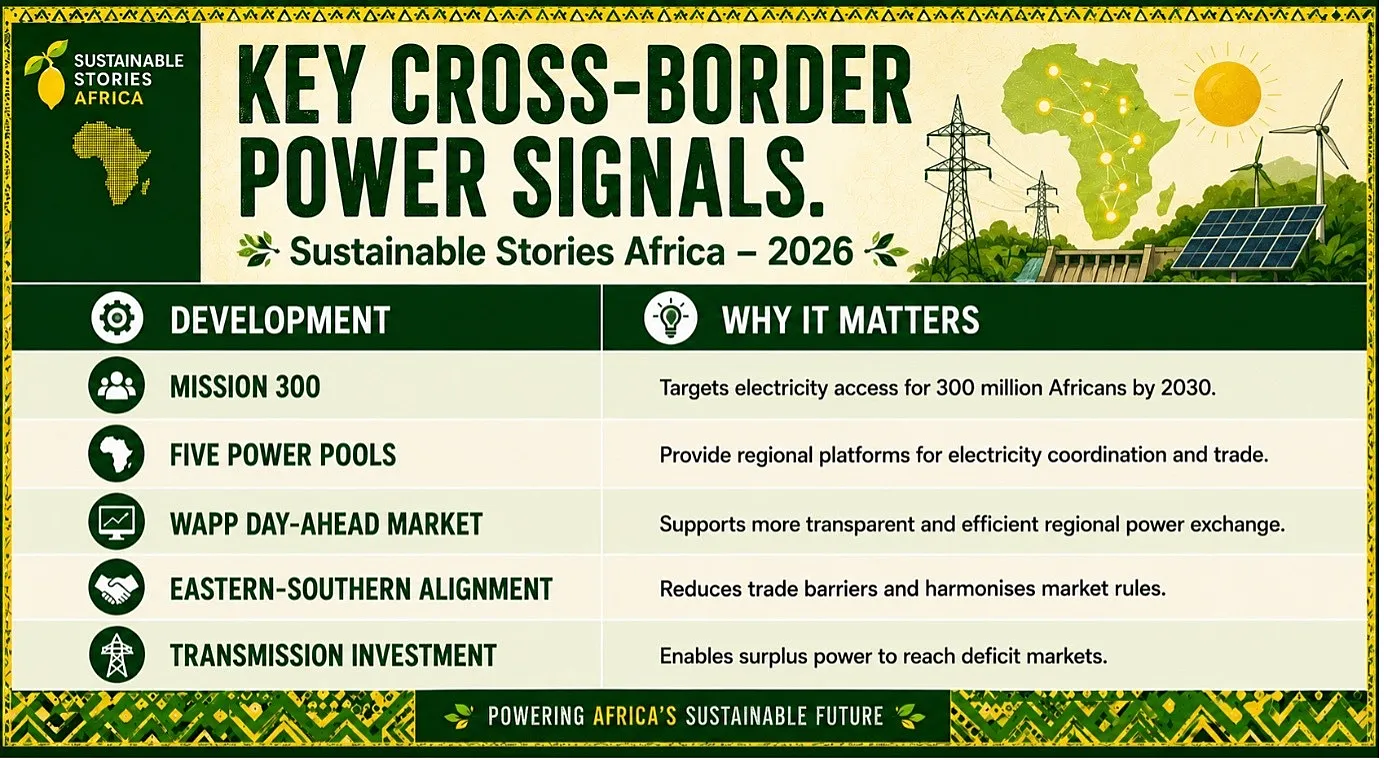
Regional power pools, new market rules and Mission 300 are pushing countries toward shared grids.
For households, factories and utilities, the shift could mean cheaper power, stronger energy security and faster renewable-energy growth.
One Grid, Many Economies
Africa’s power future may not be built country by country alone. It may be built across borders.
From West Africa’s push toward a regional electricity market to new cooperation between Eastern and Southern Africa’s power pools, the continent is moving closer to a shared power system that allows countries with surplus electricity to sell to neighbours facing shortages.
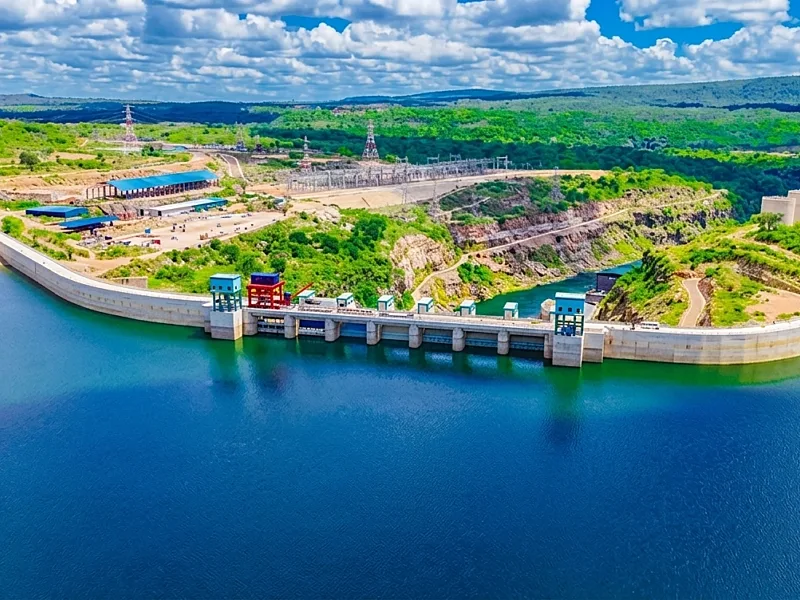
The idea is simple but powerful: Ethiopia’s hydropower, Mozambique’s gas and renewables, Kenya’s geothermal, Zambia’s hydropower, South Africa’s industrial demand and West Africa’s emerging solar markets can become more valuable when connected.
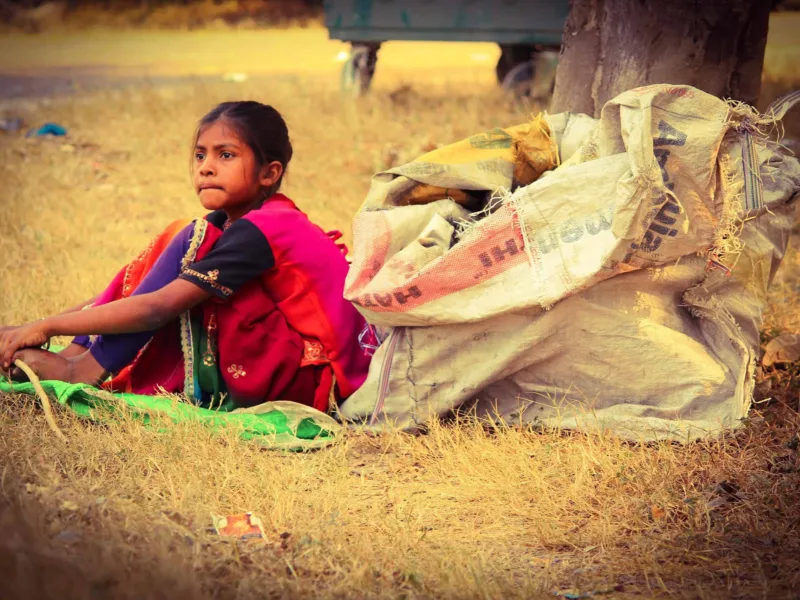
This matters because nearly 600 million people in Africa still lack access to electricity, while many connected consumers face unreliable supply.
Cross-border power trade offers one route to increasing reliability, reducing costs and supporting industrial growth.
Why Regional Power Trade Matters Now
Africa already has five regional power pools covering Southern, Eastern, Western, Central and Northern Africa. Their purpose is to coordinate generation, transmission and electricity trade across national systems.
The Southern African Power Pool remains the continent’s most advanced, but demand continues to outpace supply in several markets. West Africa is also accelerating integration through the West African Power Pool, with support for grid synchronisation and a Day-Ahead Market that can deepen electricity exchanges.
In 2026, Eastern and Southern African power institutions also moved to align regulatory standards and market rules, a step designed to reduce barriers, improve system stability and strengthen investor confidence.
For ordinary consumers, this can sound technical. But the impact is practical.
A shop owner in Accra needs stable power to keep freezers running. A textile factory in Nairobi needs predictable electricity to meet production schedules. A clinic in rural Zambia needs power that does not fail during treatment. Cross-border electricity trade can help reduce shortages by allowing power to move where it is needed most.
Shared Power Can Unlock Growth
The opportunity is significant.
Regional power trade can reduce the need for every country to overbuild its own generation capacity.
Instead, countries can specialise based on resource strengths and trade electricity through interconnected grids.
That could help renewable energy scale faster. Solar-rich countries can export daytime power.
- Hydropower systems can provide balancing capacity.
- Geothermal and gas can support baseload supply.
- Transmission lines then become economic corridors, not just energy infrastructure.
- Utilities could also earn wheeling revenues by transporting electricity across networks.
- Governments could reduce costly emergency generation.
- Businesses could face fewer outages. Consumers could benefit from a more stable supply if markets are well-regulated.
The alternative is expensive fragmentation: countries building isolated systems, industries relying on diesel backup, and households paying more for unreliable power.
The Missing Link Is Delivery
Africa’s cross-border power dream will not succeed on ambition alone.
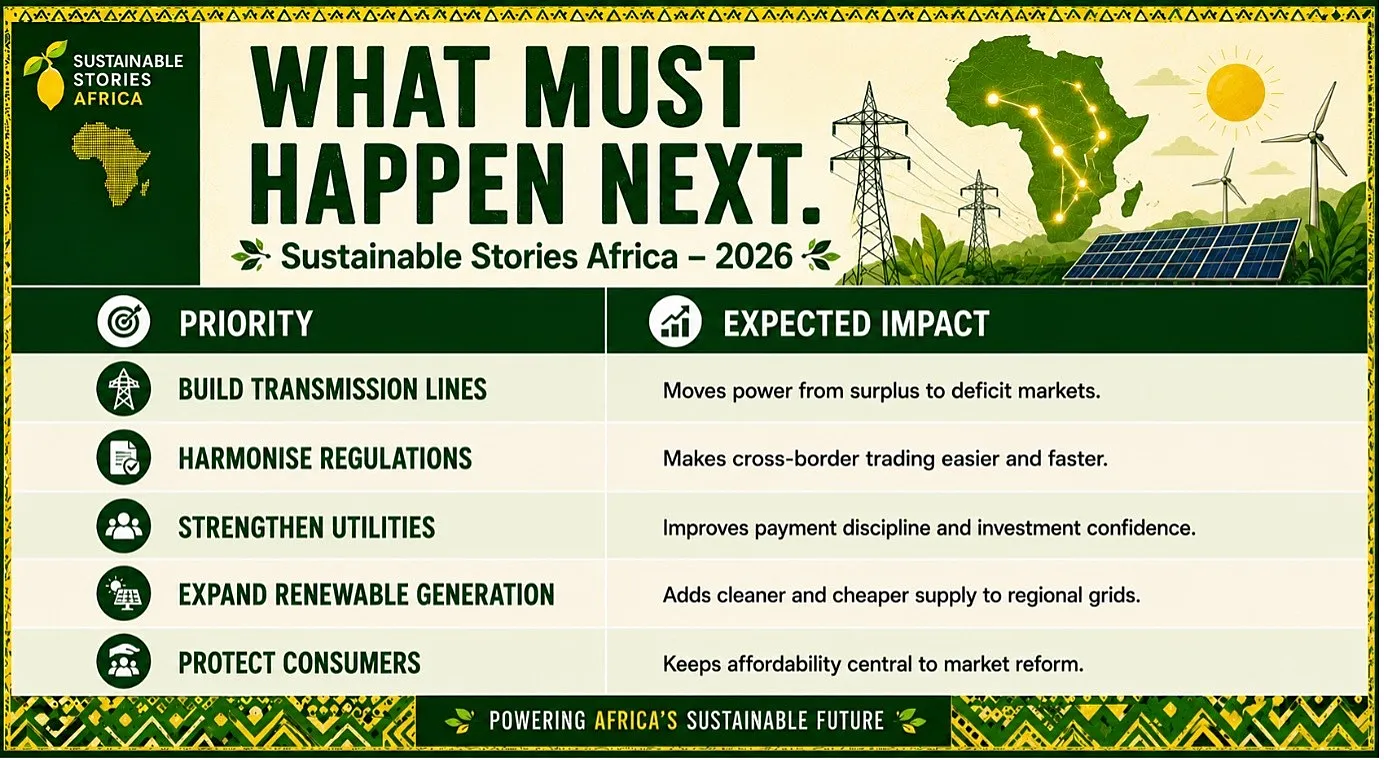
- Governments must accelerate transmission projects, improve utility finances and harmonise regulations.
- Power pools need stronger market governance, credible settlement systems and transparent pricing.
- Investors need bankable projects, enforceable contracts and political risk protection.
There is also a social test.
- Regional power trade must not become an elite infrastructure story that bypasses communities.
- It must connect to last-mile electrification, productive use, clean cooking, industrial policy and affordable tariffs.
Mission 300 gives the continent a powerful framework. However, the real work will be in implementation: building lines, fixing utilities, enforcing contracts, protecting vulnerable consumers and ensuring electricity reaches homes, schools, factories and farms.
Path Forward – Build Grids That Build Markets
Africa’s power pools are becoming central to the continent’s energy transition. The next priority is execution: transmission, regulation, finance and trust.
If regional electricity markets work, Africa can turn scattered energy resources into shared prosperity.
Cross-border power trade can support ESG goals by expanding access to cleaner electricity, reducing backup fuel use and powering industries, homes and communities with greater reliability.
Culled From: Africa's cross-border power dream takes shape