Africa’s sustainability conversation is moving from aspiration to execution, as regulators, market leaders, and professional institutions gathered at FITC’s ESG conference.
The theme, “Building A Sustainable Africa,” placed green finance, credible reporting, social impact, and governance at the centre of future prosperity.
For businesses, investors, and citizens, the message was clear: sustainability is no longer public relations. It is market infrastructure.
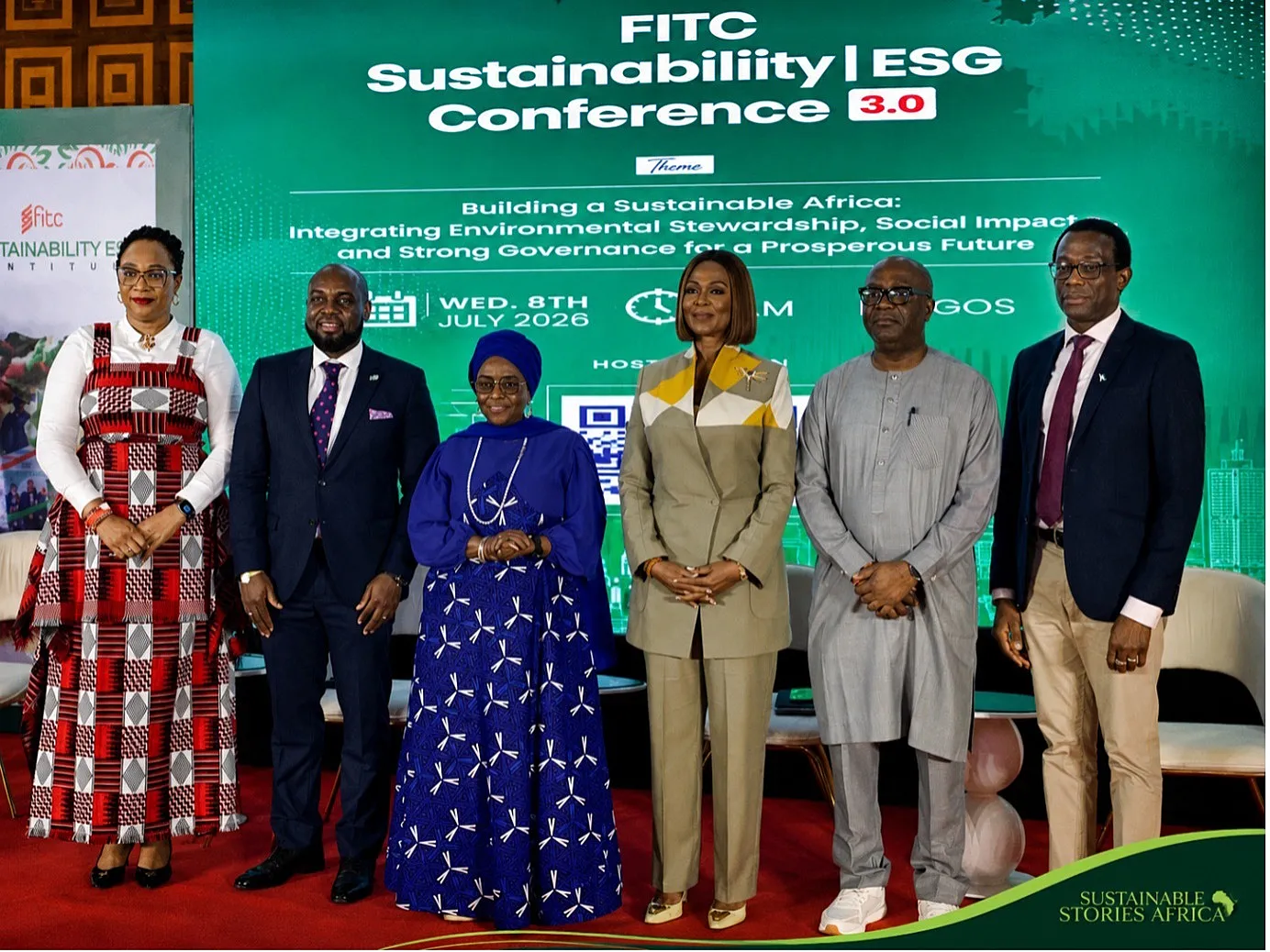 | 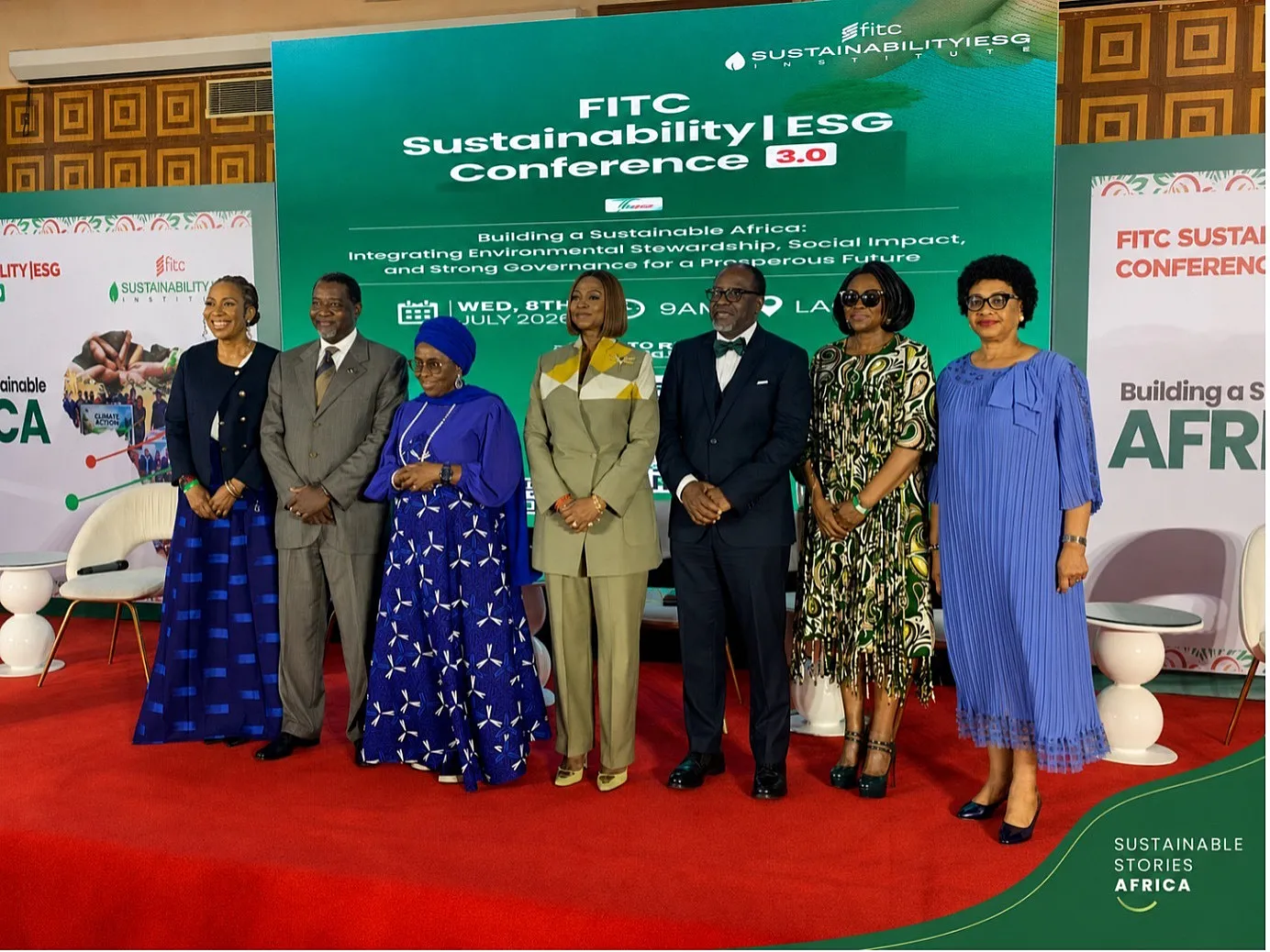 |
Africa’s Sustainability Moment Demands Urgent Action
Africa's climate and governance risks are no longer distant boardroom scenarios; they now shape streets, balance sheets, investor confidence and household livelihoods. That message emerged from goodwill remarks at the 2026 FITC Sustainability and ESG Conference, themed “Building A Sustainable Africa: Integrating Environmental Stewardship, Social Impact, and Governance for a Prosperous Future,” which brought together regulators, business leaders and development stakeholders to explore ways to turn sustainability from compliance language into measurable transformation.
Representing Central Bank Deputy Governor Philippi Caso, Mike Ononable called the theme timely, warning that climate action in Africa is now an emergency, with floods across major West African coastal cities confirming climate risk as present reality, not future possibility.
For Nigeria's financial ecosystem, the implication is clear: institutions that fail to embed ESG into capital allocation, reporting and board oversight risk exclusion from future investment and consumer trust.
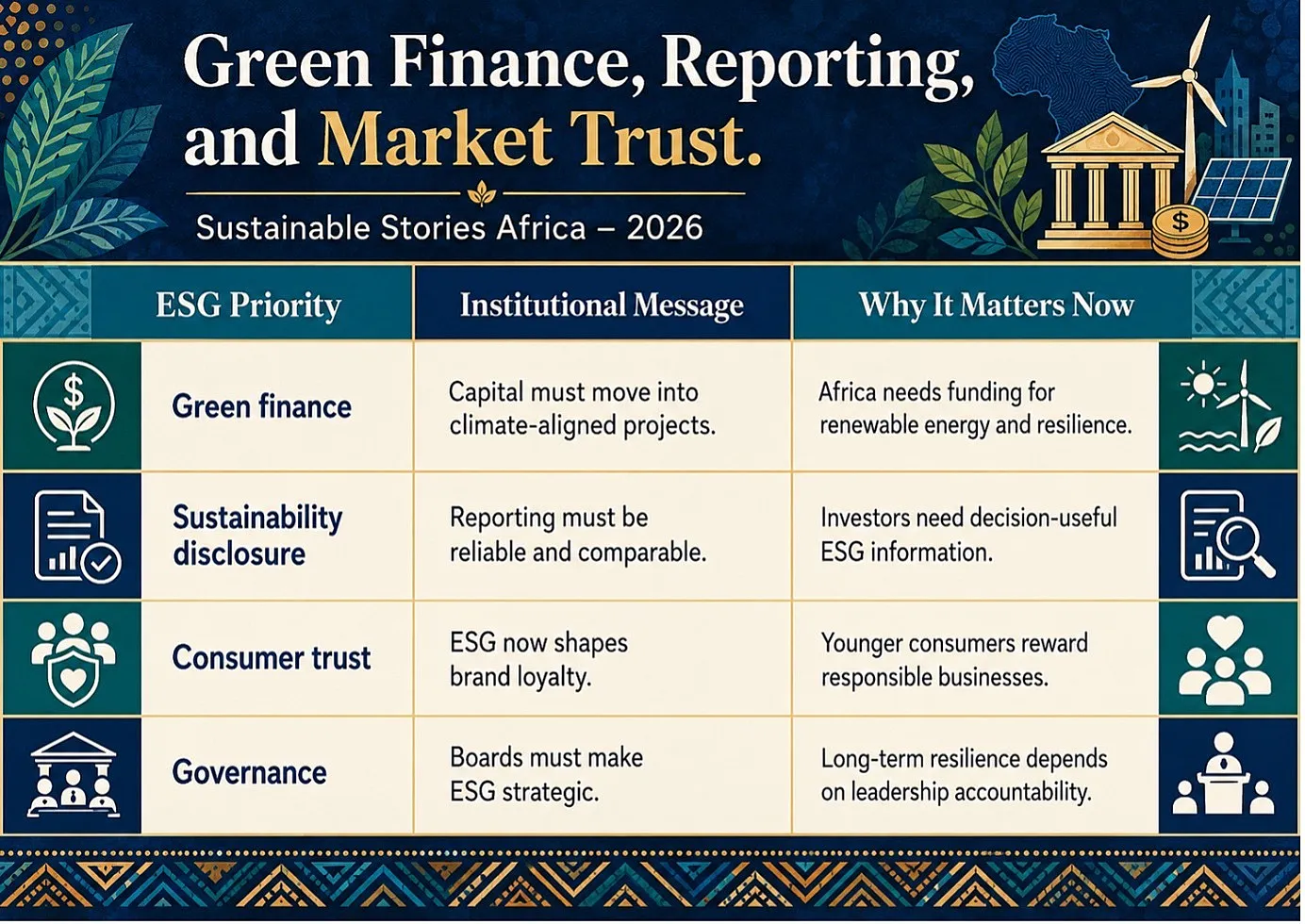
Green Finance, Reporting, and Market Trust
The goodwill messages pointed to three pillars shaping Africa's sustainability future: finance, transparency and behaviour change.
From the CBN's perspective, the green transition requires capital at a scale that traditional public finance alone cannot achieve; green bonds, sustainability-linked loans, and blended finance are essential, though Nigeria and Africa still lag in global green finance flows and project progress.
The Financial Reporting Council of Nigeria, representing Dr Rabiu Olowo, placed corporate disclosure at the heart of market confidence, arguing that sustainability has moved beyond philanthropy to become a defining business imperative.
Investors and regulators now expect organisations to explain not just how they make money, but how they create durable value while managing ESG risks.
The FRC also highlighted Nigeria's sustainability reporting roadmap, through its work with regulators and industry to phase in the IFRS Sustainability Disclosure Standards, promoting consistency and credibility aligned with Nigeria's development priorities.
ESG Can Become Africa’s Growth Advantage
If Africa gets this transition right, ESG can become more than a defensive framework—it can become a growth advantage. That was the thrust from the National Institute of Marketing of Nigeria, represented by Dr Bolajoko Bayo-Ajayi, framing sustainability as a driver of prosperity and brand relevance, especially as younger consumers increasingly link patronage to environmental and social impact.
This is where sustainability becomes personal: credible ESG could mean bank financing that supports clean energy, graduates choosing employers that value fairness and climate responsibility, or infrastructure decisions protecting flood-prone coastal communities.
The presence of governance leaders, including CIoD President Otunba Adetunji Adetokunbo Oyebanji, represented by xxx underscored a central truth: sustainability cannot survive as a department-level initiative.
It must sit in boardrooms, risk committees and capital budgets; transformation happens when boards treat sustainability as strategy, not compliance.
Institutions Must Move Beyond Compliance
The conference’s strongest call to action was simple: Africa must move beyond ESG conversation into implementation, innovation, and measurable impact.
- For regulators, this means designing frameworks that strengthen accountability without ignoring local economic realities.
- For banks and investors, it means using capital to support climate-resilient sectors, renewable energy, clean infrastructure, and inclusive enterprise.
- For companies, it means treating sustainability reporting not as an annual-report checklist, but as a management tool that reveals risk, builds trust, and supports competitiveness.
- For marketers and brand leaders, the message is equally important. ESG is no longer hidden in technical disclosures.
It is visible in consumer choices, reputation, loyalty, and social licence.
- Brands that treat sustainability as cosmetic may gain short-term visibility.
- Brands that embed it into products, operations, and community impact will likely build stronger long-term trust.
The CBN’s green finance push, the FRC’s reporting roadmap, NIM’s consumer-focused ESG argument, and the governance community’s boardroom leadership all point to one conclusion: Africa’s sustainable future will not be delivered by one institution. It will require coordinated action across finance, reporting, regulation, enterprise, and public trust.
Path Forward – Build Trust, Capital, Governance Together
The next priority is implementation. Nigeria and Africa must expand green finance, deepen credible sustainability reporting, strengthen board-level ESG oversight, and ensure that sustainability outcomes are measurable, comparable, and trusted.
If pursued with urgency, the FITC conversation can help shift ESG from conference language into market discipline, supporting resilient institutions, inclusive prosperity, and a more sustainable African future.