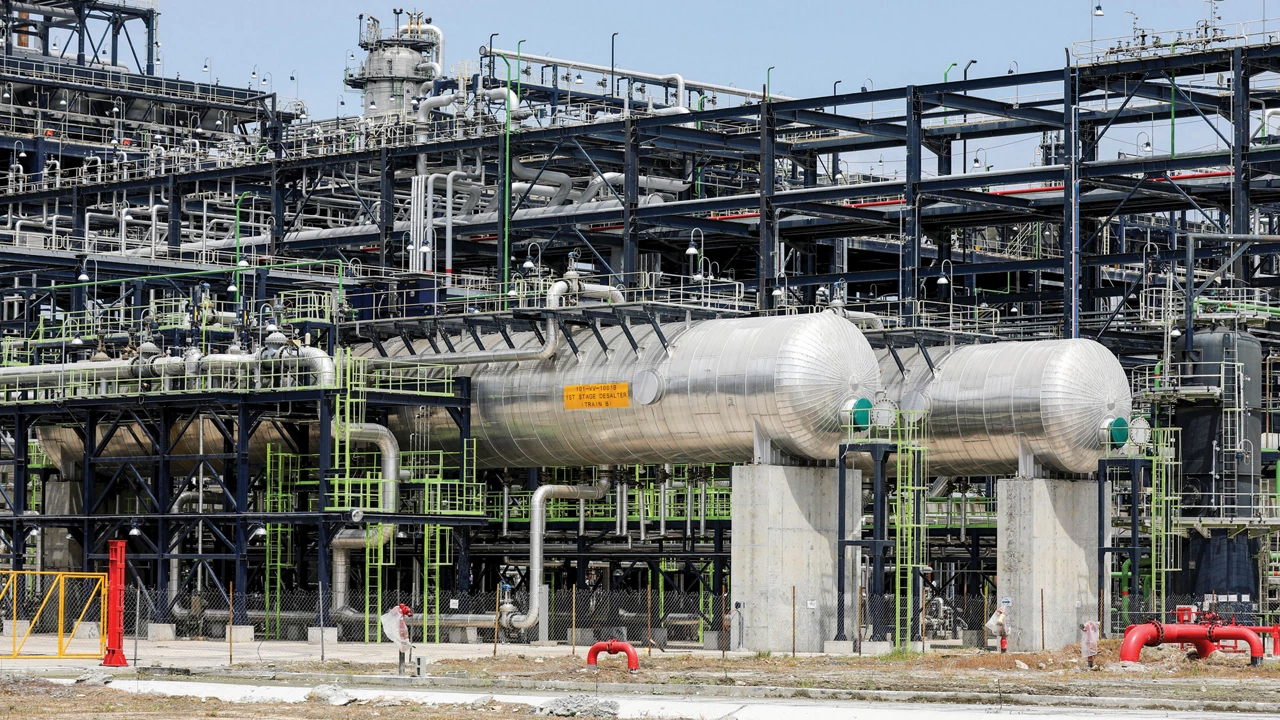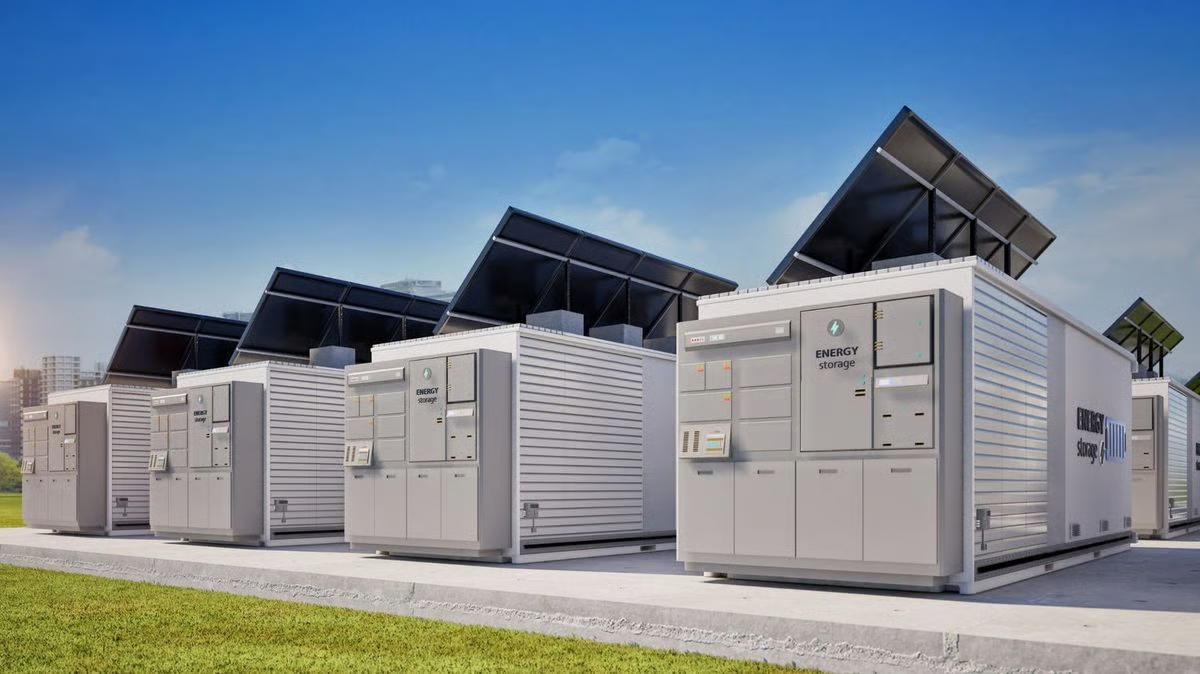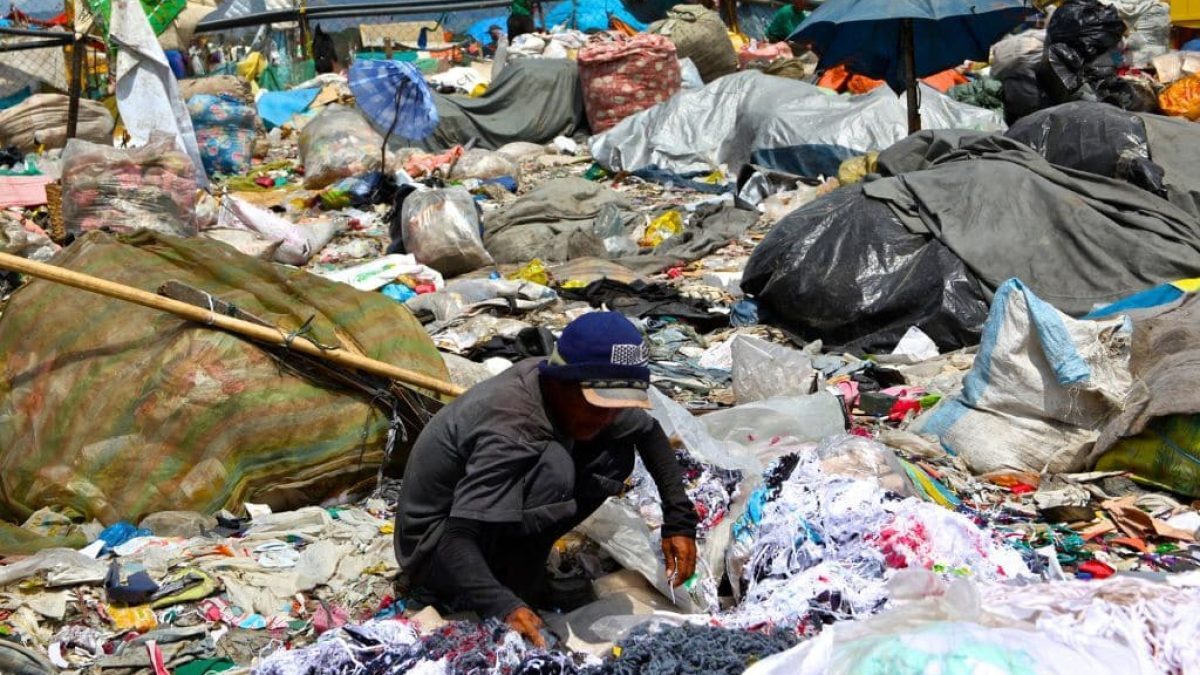
"The DG Climate Change Commission set the stage: Bridging the ESG gap demands innovation, technology, financing, and advocacy. Producers, consumers, and partnerships all must adapt to Africa's energy transition and corporate integrity."
These were the remarks at the Private Sector ESG Forum panel discussion themed "From Production to Consumption: Building Resilient and Sustainable Energy Value Chains". The session focused on building resilient energy value chains through technology advancements, policy framework, investment in infrastructure, and community engagement.
The Decarbonization Divide and the Urgency for African Solutions
This year's ESG Private Sector Forum spotlighted Africa's decarbonization divide, unequal access to climate solutions and finance.
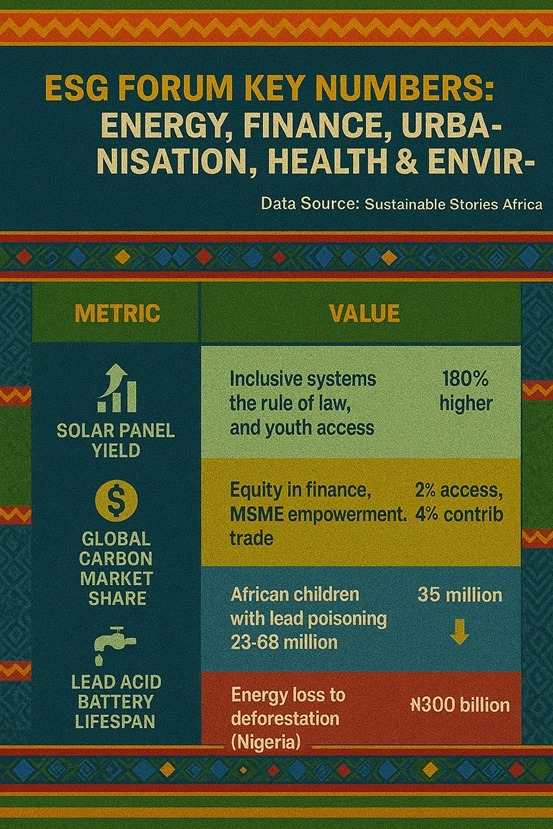
Critical innovation is raising panel yields (from 120W to 350W in a decade, a 180% jump).
Yet, Africa accesses just 2% of a $1 trillion global carbon market, while bearing disproportionate health and environmental burdens, including 23–68 million Nigerian children exposed to lead from battery waste.
Data, Financing, Technology, and Policy as Game Changers
Panellists, which included Afolabi Akinrogunde, Senior Deal Lead & Business Manager at Shell Energy Nigeria, Dr Abass Agbaje, Environmental & Social Safeguards Consultant at the African Development Bank and Managing Director of Impact Crest, and moderated by Rafiat Gawat, Head of Corporate Communications, TGI Group, underscored that bridging the corporate responsibility gap requires real SME engagement, public-private partnerships, and dedicated climate finance platforms.
Energy production advances depend on improved battery management (with lifespans of 3–15 years) and localised manufacturing to cut costs and boost jobs, including the 35 million forecasted via clean cookstove initiatives. Africa's fast urbanisation (Nigeria now 53% urban) magnifies energy and data needs.
| Category | Value | Note |
|---|---|---|
| Solar panel yield (since '15) | 180% higher | 120W→350W, panel efficiency gains |
| Global carbon market value | $1 Trillion+ | Huge opportunity, Africa is underrepresented |
| Africa carbon market access | 2% | Only 4% global contribution, big growth gap |
| Lead poisoning (children) | 23–68 million | Toxic battery recycling impacts, UNICEF (Nigeria) |
| Lead-acid battery lifespan | 3–5 years | Short, recycling challenges |
| Lithium-ion battery lifespan | 7–15 years | Longer, but poor local recycling |
| Nigeria's urban population | 53% | Growing urbanisation is powering energy demand |
| Clean cookstove jobs | 35 million | Projected jobs via renewables, energy transition |
| Energy loss to deforestation | ₦300 billion | Annual Nigeria loss to wood fuels |
ESG Forum Key Numbers: Energy, Finance, Urbanisation, Health & Environment
From Divide to Opportunity – A Fair, Innovative Future
Africa must turn its decarbonization divide into a climate advantage, investing in techno-innovation and inclusive finance.
Policies must ensure that battery waste and toxic exposures are curbed, facilities managers and local innovators are fully included, and carbon credit revenues democratized, giving SMEs and communities a real path to participate and benefit.
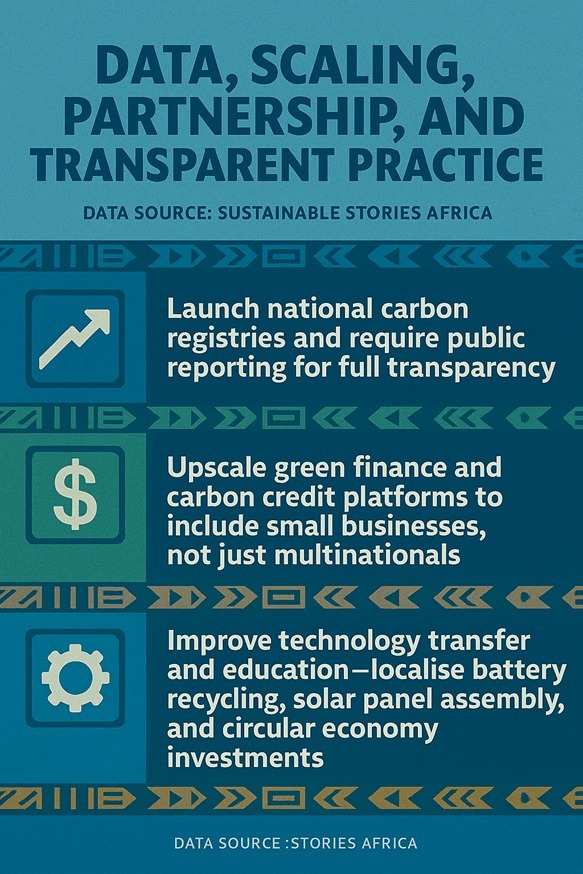
Data, Scaling, Partnerships, and Transparent Practice
Forum speakers advocated three priorities:
- Launch national carbon registries and require public reporting for full transparency.
- Upscale green finance and carbon credit platforms to include small businesses, not just multinationals.
- Improve technology transfer and education - localise battery recycling, solar panel assembly, and circular economy investments.
Collaboration must go beyond government and large companies, creating open data platforms and policy frameworks that empower facility managers, SMEs, and citizens.
The goal: organised, scalable systems that deliver real ESG benefits, bridging gaps and multiplying solutions across Africa.
Path Forward – Partnerships, Data Democratize Africa's ESG Access
Africa's private sector is scaling ESG impact through local alliances, open data, targeted financing, and enabling policy. The priority is to democratize climate finance and technology transfer, closing persistent gaps for SMEs and underserved communities.
By turning collaboration and transparency into action, these efforts promise measurable, planet-positive results across Africa's diverse markets.