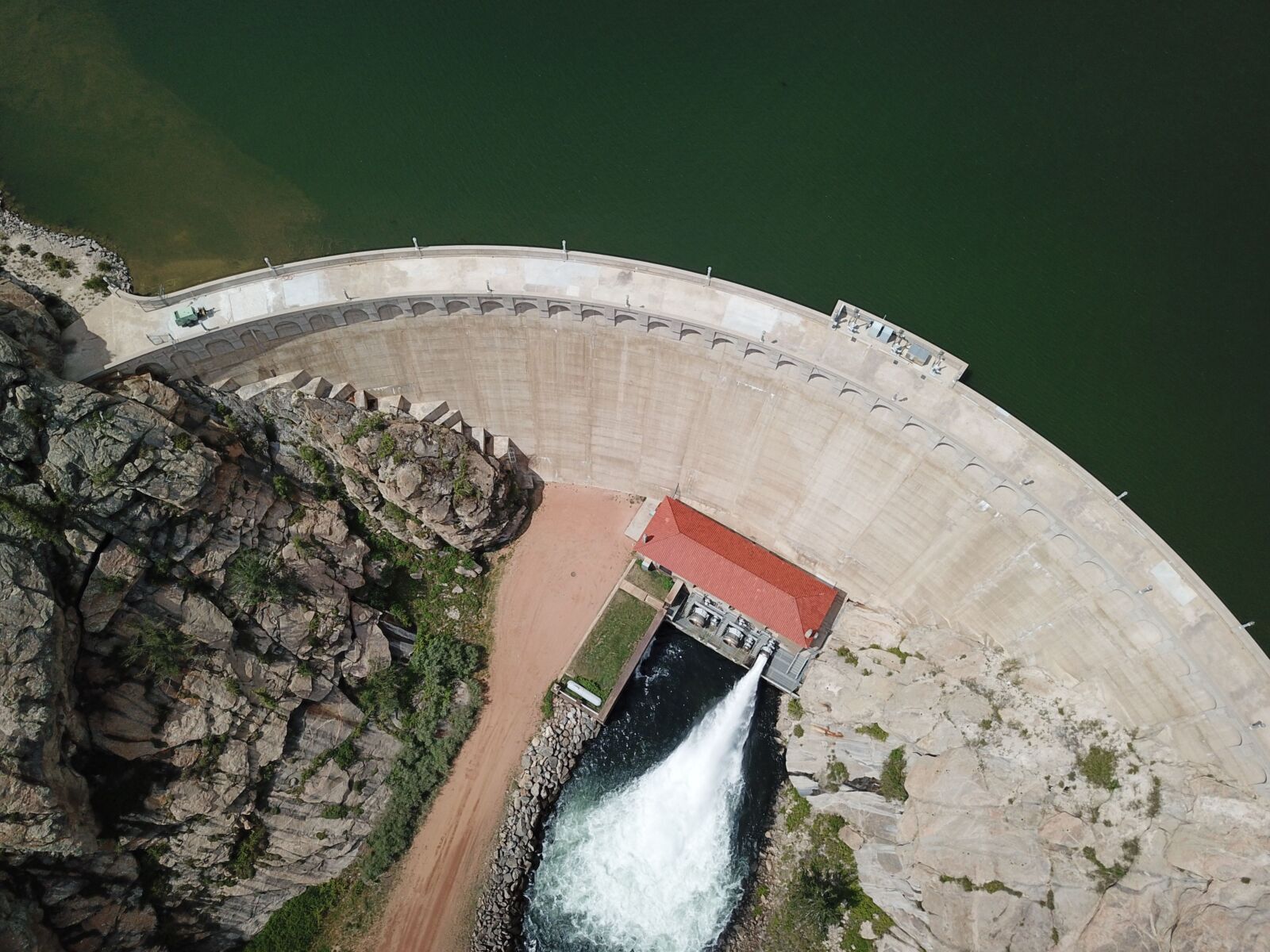
Africa's hydropower sector is experiencing renewed momentum as governments revive major projects and expand generation capacity.
The shift reflects growing demand for reliable electricity that complements rapidly expanding solar and wind investments.
For businesses, communities and industries, dependable renewable power could become the foundation for Africa's next phase of economic transformation.
Africa's Forgotten Energy Champion Returns
For years, solar panels and wind turbines dominated conversations about Africa's clean energy future.
However, another renewable technology, one that has powered industries for generations, is quietly reclaiming strategic importance.
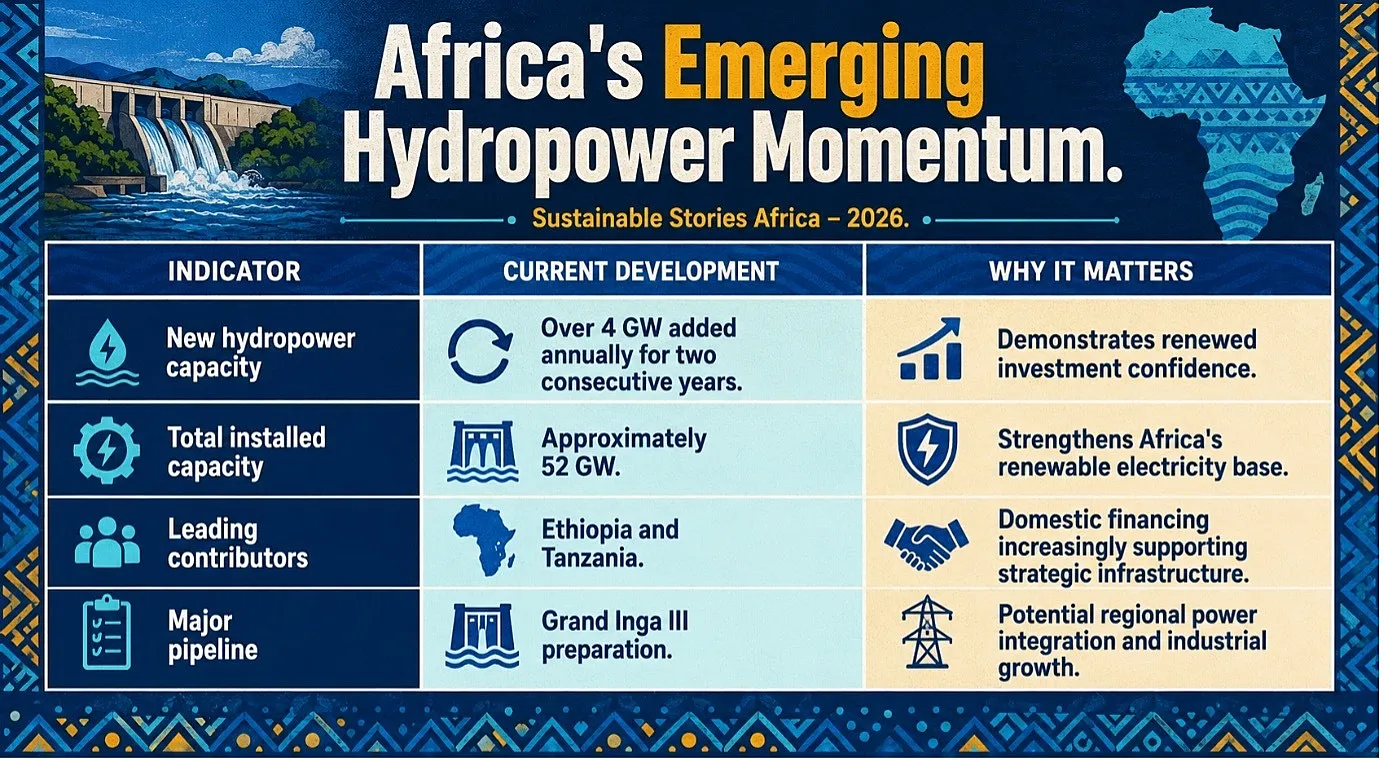
Africa commissioned more than 4 GW of new hydropower capacity for the second consecutive year, lifting installed hydropower capacity to approximately 52 GW, according to industry tracking.
The resurgence comes as governments, utilities and investors increasingly recognise that reliable, dispatchable electricity is becoming just as important as expanding renewable generation itself.
The renewed interest extends beyond new capacity. Major long-delayed projects are also returning to the agenda, including the proposed Grand Inga III development in the Democratic Republic of the Congo, where recent international financing for project preparation has revived hopes for what could become one of Africa's largest clean energy infrastructure projects.
For African economies pursuing industrialisation while reducing emissions, hydropower is increasingly being viewed not as yesterday's technology, but as tomorrow's grid stabiliser.
Reliability Becomes The New Renewable Currency
The changing narrative reflects a simple engineering reality.
- Solar power generates electricity only when the sun shines.
- Wind depends on weather conditions.
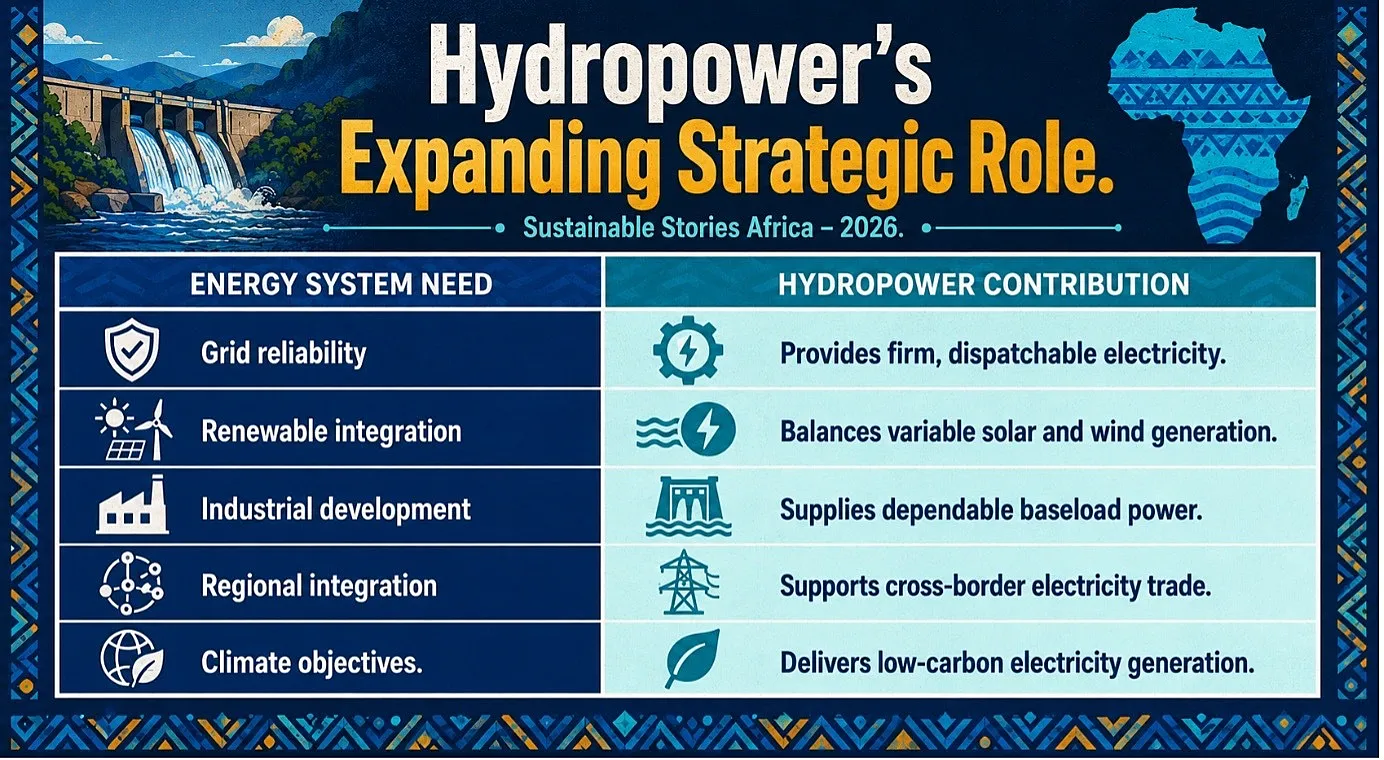
- Hydropower, however, provides firm, flexible electricity that can respond rapidly when renewable output fluctuates, making it increasingly valuable in modern electricity systems.
Recent growth has been led largely by Ethiopia and Tanzania, where major dams financed primarily through domestic resources have significantly expanded generating capacity.
At the same time, countries across the continent are reassessing stalled hydro investments as electricity demand continues to rise.
South Africa illustrates the broader market dynamics. Higher electricity tariffs introduced during 2026 are encouraging more households and businesses to install rooftop solar systems while simultaneously increasing demand for flexible generation capable of balancing the grid.
The result is a more competitive electricity market where utilities must modernise while governments strengthen transmission infrastructure.
Beyond generation, hydropower offers ancillary services including frequency regulation, voltage control and reserve capacity, critical capabilities as renewable penetration increases across African electricity systems.
Building Grids That Can Power Industrial Africa
Africa's clean energy transition will ultimately be judged not only by how much renewable electricity it produces, but by how reliably that electricity reaches homes, hospitals, manufacturers and digital industries.
Projects such as Grand Inga III could become regional economic catalysts if delivered transparently and sustainably.
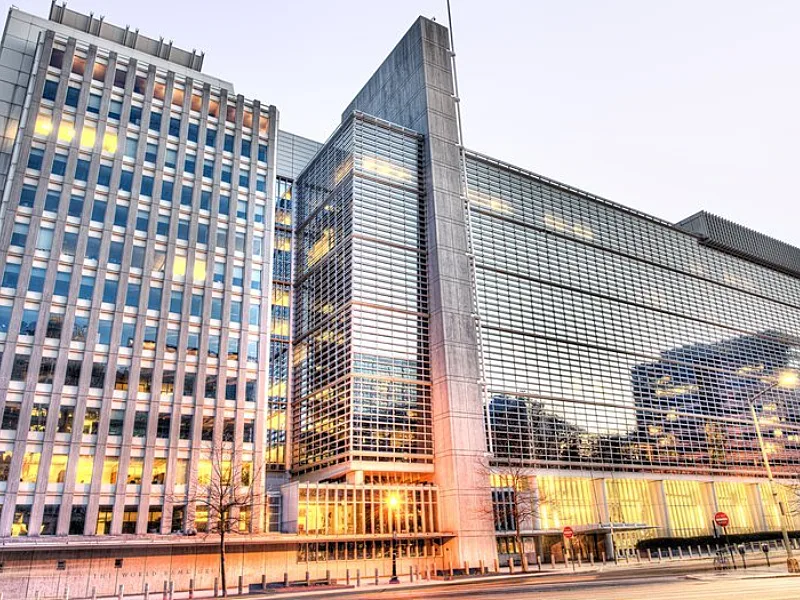
The project has secured $250 million in World Bank support for preparation, marking renewed international confidence after years of delays.
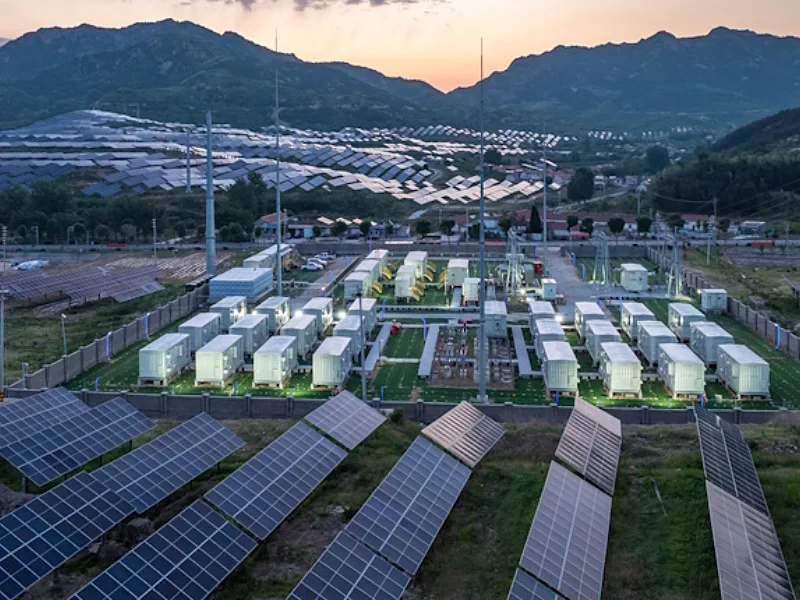
Reliable hydropower could enable cross-border electricity trading, lower industrial energy costs, support mining and manufacturing, and complement expanding investments in solar, wind and battery storage.
However, success will depend on careful environmental management, robust governance, community engagement and climate resilience.
Drought risks, biodiversity protection and equitable benefit-sharing must remain central to future project development.
Turning Natural Assets Into Development Assets
Africa possesses some of the world's richest renewable energy resources; however, hundreds of millions of people still lack reliable electricity.
The continent's hydropower revival demonstrates that energy security will require diversified renewable portfolios rather than dependence on any single technology.
- Policymakers must accelerate investment in transmission networks, modern grid management, regional power pools and sustainable project governance.
- Development finance institutions, private investors and African governments also have an opportunity to structure financing that rewards long-term operational performance, environmental stewardship and local economic participation.
If supported by sound policy and strong institutions, hydropower can become a cornerstone of Africa's industrialisation strategy while reinforcing the continent's climate ambitions.
Path Forward – Reliable Renewables Must Lead Together
Africa's energy transition is entering a more mature phase where reliability matters as much as renewable capacity.
The priority now is integrating hydropower, solar, wind and storage into resilient electricity systems that deliver affordable, secure and sustainable power, advancing both ESG objectives and inclusive economic growth across African markets.
Culled From: The old power giant is waking up