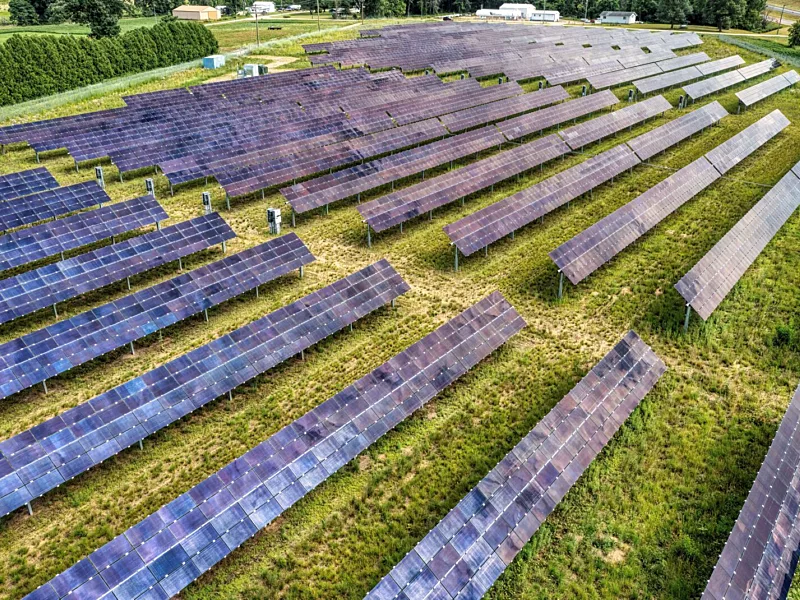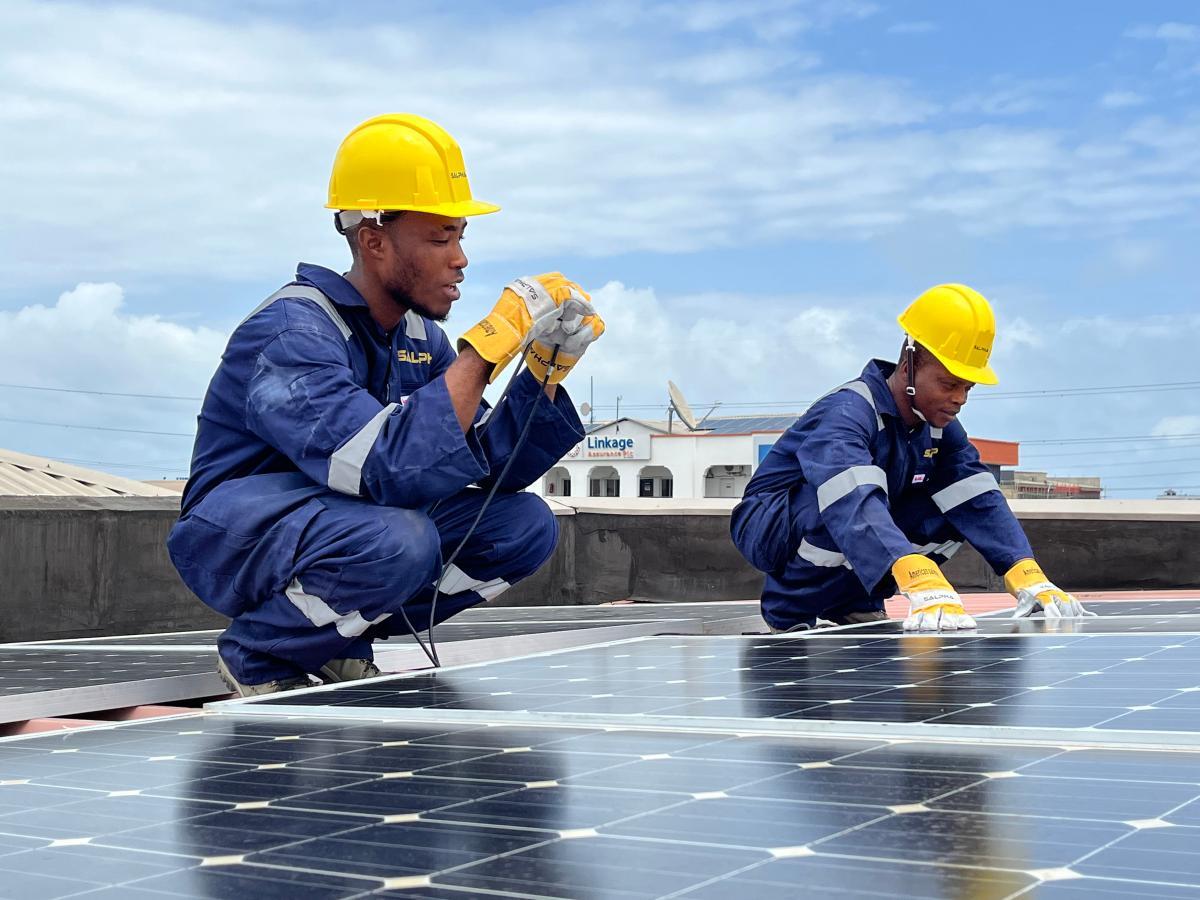
Africa’s solar manufacturing ambitions are accelerating as imports of solar cells and wafers rise sharply, signalling a shift from buying finished panels to building more locally assembled systems.
The momentum comes as power shortages, falling solar costs and energy-security concerns push governments and companies to localise clean-energy supply chains.
If sustained, the shift could create jobs, reduce dependence on imports and turn Africa’s energy transition into an industrialisation story.
Solar Manufacturing Moves Closer To Home
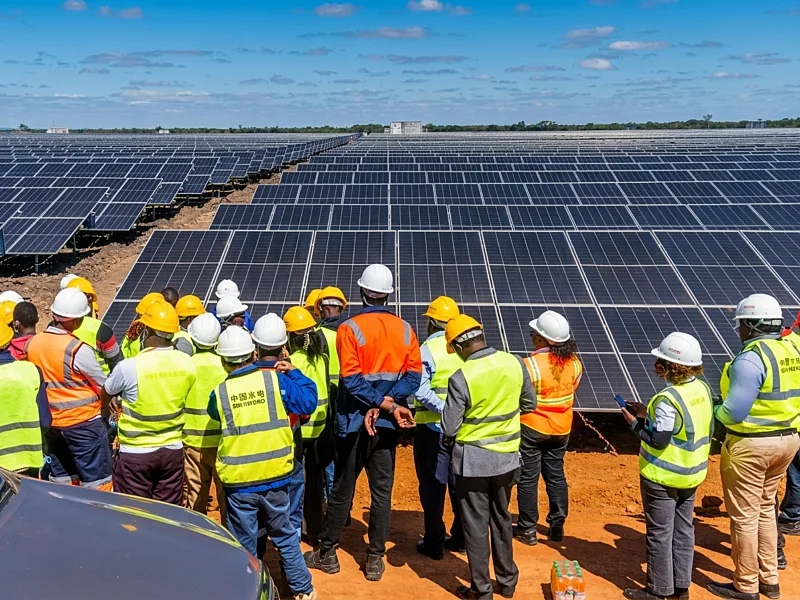
Africa's solar story is expanding beyond rooftops and mini-grids into factories, industrial parks and assembly lines, signalling a structural shift in how the continent engages with clean energy.
In the first five months of 2026, Africa imported 16.5 gigawatts of solar cells and wafers from China, more than double the amount for all of 2025. The surge indicates growing momentum toward local panel assembly rather than dependence on finished imports.
This marks a new phase in Africa's energy transition. Countries including Egypt, South Africa, Morocco, Nigeria and Kenya are moving to convert solar deployment into a manufacturing opportunity, a significant pivot from decades of hardware importation amid weak grids and costly diesel dependency.
The defining policy question is now clear: will Africa remain a consumer of clean-energy products, or emerge as a producer?
From Panel Imports To Local Value
Africa's solar market is growing from a low base, but the trajectory is unmistakable.
The Global Solar Council recorded the continent's fastest year of solar growth in 2025, with capacity additions rising 54% above 2024 levels.
IRENA confirmed that Africa's total renewable capacity climbed 15.9% to reach 82 GW.
Behind the figures is a practical reality: businesses escaping diesel costs, schools powering digital learning, factories cutting operating expenses, and clinics maintaining cold storage.
Solar is responding to all these pressures simultaneously.
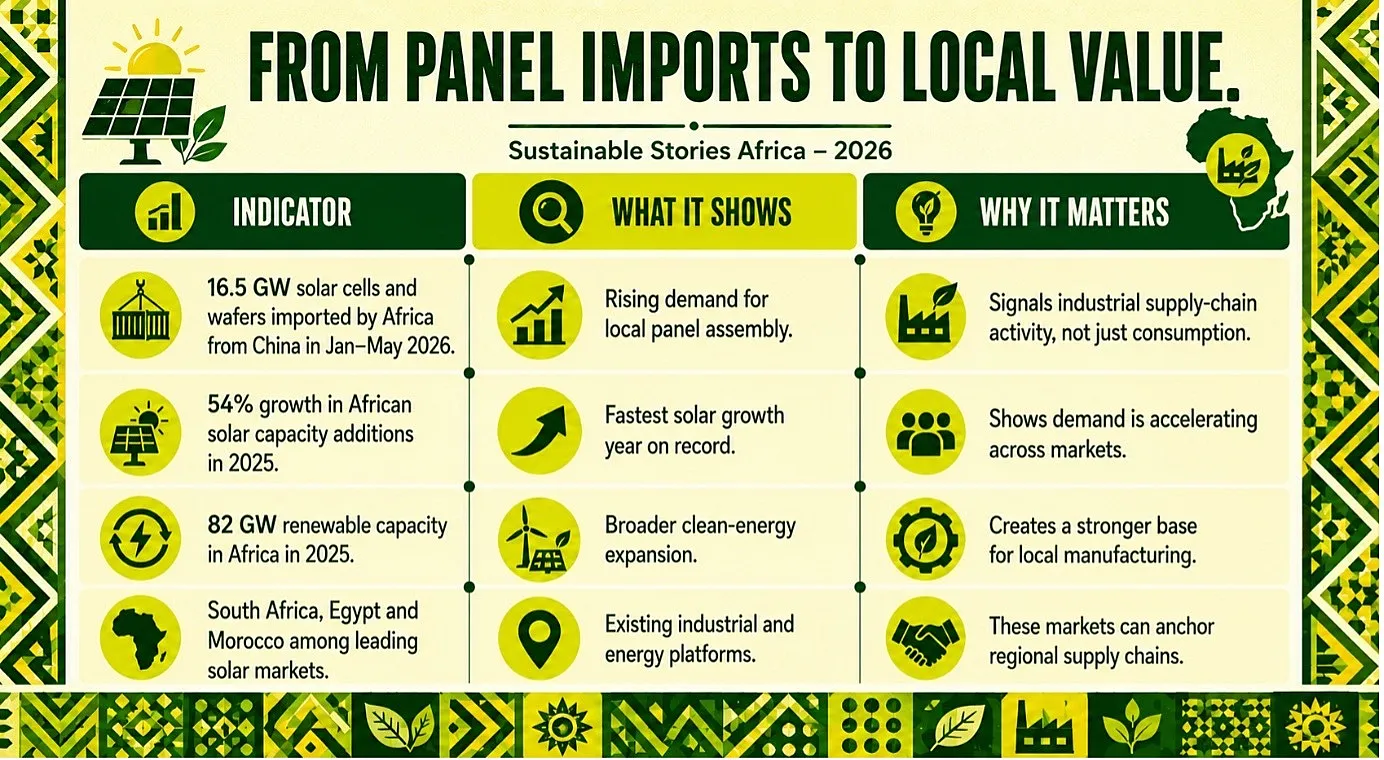
The more telling signal is the type of equipment entering the continent. Rising imports of cells and wafers, upstream components, indicate companies are preparing for local assembly, not simply reselling finished products.
Kenya and Egypt are already registering strong momentum, while South Africa's industrial base positions it well for renewable supply chain development.
However, the IEA warns that investment remains regionally imbalanced, with South Africa and North Africa absorbing a disproportionate share; that gap could determine who truly benefits from the manufacturing opportunity.
Industrial Jobs Behind Clean Power
If Africa gets this right, solar manufacturing can become more than an energy story. It can become an employment, trade and resilience story.
Local assembly can reduce delivery delays, improve after-sales support, create skilled technical jobs and deepen regional value chains.
It can also help governments connect clean-energy policy with industrial policy, especially as the African Continental Free Trade Area creates a larger market for locally manufactured products.
The benefits could be practical and immediate.
- A locally assembled panel can support a local installer. A local installer can serve a household, farm, school or business.
- A stronger domestic supply chain can help reduce exposure to currency swings, shipping disruption and external market shocks.
However, the risks are equally clear.
- Manufacturing without scale can become expensive.
- Protectionist policies without competitiveness can raise prices for consumers.
- Local-content rules without financing, standards, and skills development can discourage investment instead of attracting it.
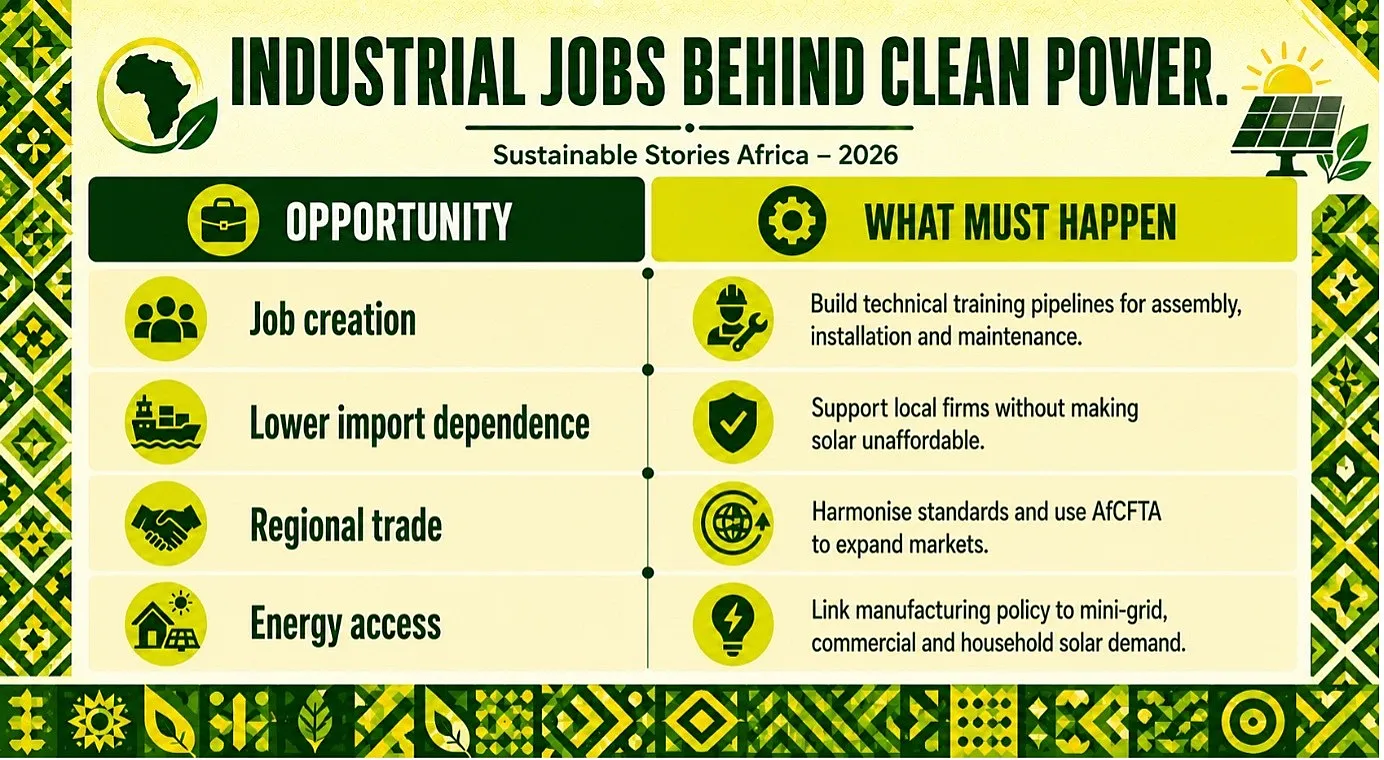
The real prize is not simply producing panels. It is building an ecosystem that includes components, batteries, inverters, installation, maintenance, financing and recycling.
Policy Must Match Market Momentum
Africa’s solar manufacturing push now needs a disciplined policy.
Governments should avoid the temptation to treat solar manufacturing as a slogan.
- The continent needs bankable demand, stable regulation, quality standards, affordable finance and regional procurement frameworks that allow factories to operate at scale.
Development finance institutions can help by backing industrial parks, concessional credit, local-currency financing and guarantees for credible manufacturers.
Private investors should look beyond short-term import margins and support companies that can build resilient supply chains.
For African regulators, quality control will be critical.
- Poor-quality products can damage public trust, weaken project performance and slow adoption.
- Standards must protect consumers while allowing innovation and competition.
The goal should be simple: make solar affordable, make supply chains more African, and make the energy transition create decent work.
Path Forward – Turning Solar Demand Into Industrial Power
Africa’s next solar chapter depends on whether countries can convert rising demand into productive capacity.
That means stronger standards, smarter incentives, regional markets and patient capital.
If governments, manufacturers and financiers align, solar can power more than homes and businesses.
It can power factories, jobs and a new African clean-energy economy.
Culled From: Africa's solar manufacturing push gathers speed