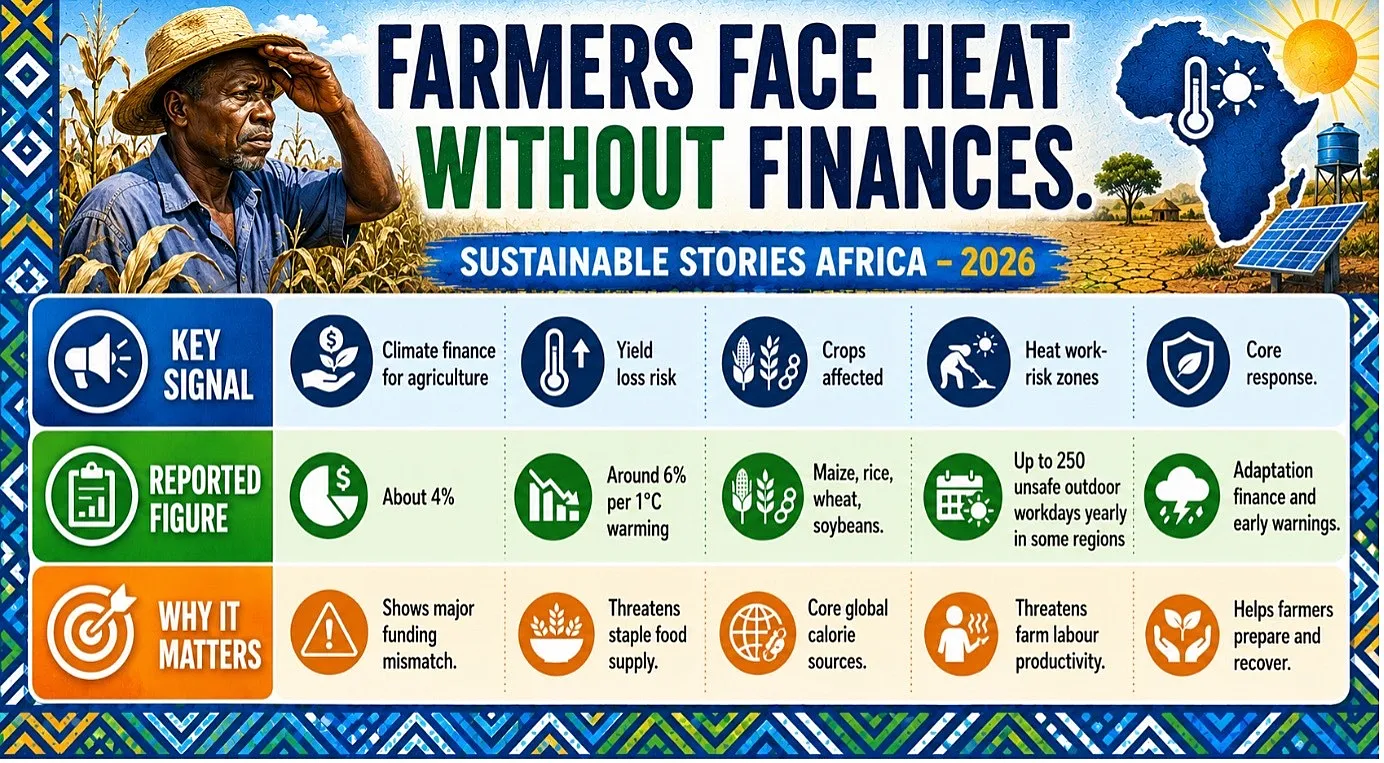
Agriculture receives only about 4% of climate-related development finance, despite facing worsening climate shocks.
A new FAO-WMO warning says staple crop yields may fall around 6% for every 1°C of warming.
For farmers and food systems, the funding gap is becoming a food security risk.
Farmers Face Heat Without Finance
The world is underfunding one of the sectors most exposed to climate change: agriculture.
Only about 4% of climate-related development finance reaches agriculture, forestry, livestock and fisheries, even as extreme heat, drought and shifting rainfall threaten food systems that sustain billions of people.
The imbalance is now drawing sharper concern after FAO and WMO warned that agrifood systems are being pushed toward the brink by rising temperatures.
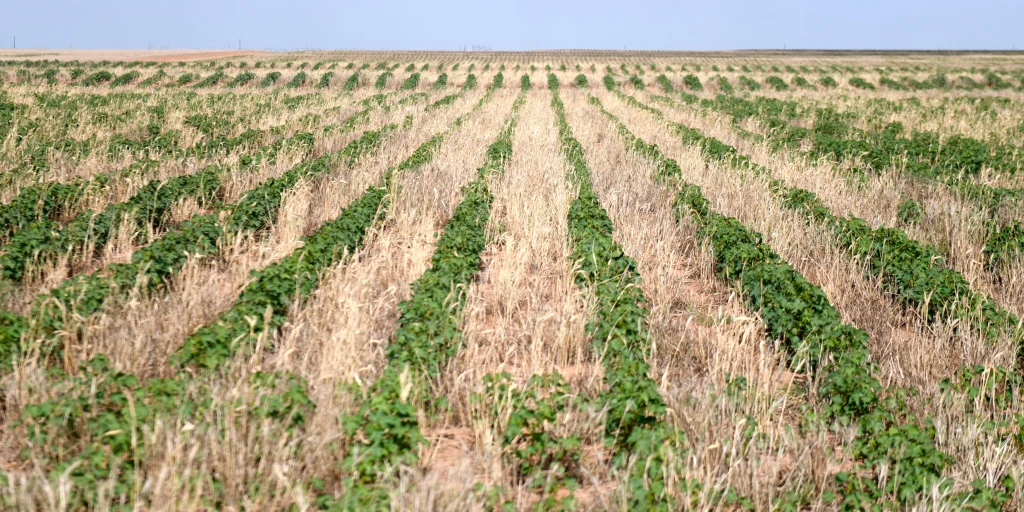
The warning is stark. For every 1°C increase in global temperatures, yields of major staple crops such as maize, rice, wheat and soybeans could fall by around 6%.
These crops provide much of the world’s calorie base. In Africa, where millions of households depend directly on rain-fed farming, the risk is not theoretical.
It is already visible in failed planting seasons, rising food prices and weakened rural incomes.
Heat Is Changing Farm Economics
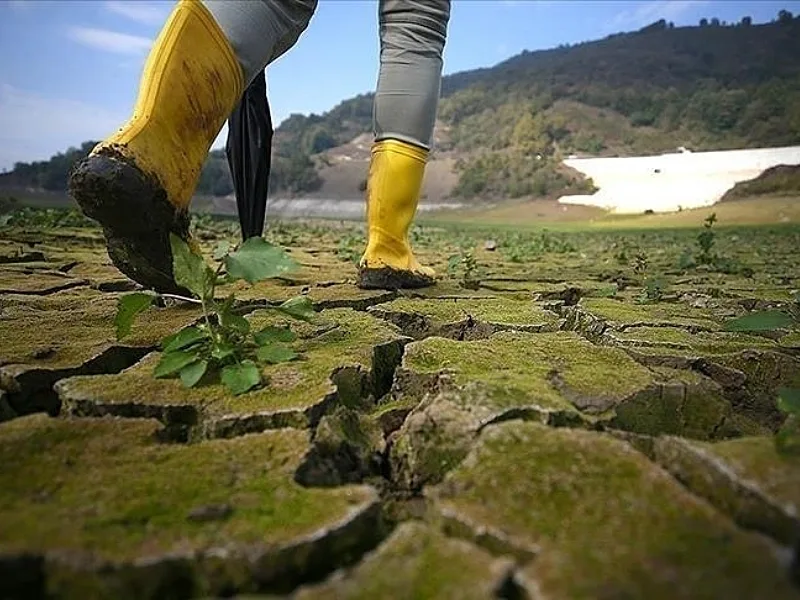
Extreme heat is no longer a distant environmental concern. It is becoming a daily economic pressure on farms, fisheries and food markets.
The FAO-WMO report describes heat as a risk multiplier. It damages crops, stresses livestock, reduces fisheries productivity, increases wildfire risks and makes outdoor labour more dangerous.
- For crops, heat above critical thresholds can reduce photosynthesis, weaken grain formation and lower yields.
- For livestock, heat stress can reduce productivity and increase mortality risks.
For an African smallholder, the chain reaction is familiar.
- A hotter season means weaker harvests.
- A weaker harvest means lower household income. Lower supply pushes food prices higher in local markets.
- Families then spend more on food and less on education, healthcare or farm inputs for the next season.
This is why the 4% finance figure matters. Agriculture is central to adaptation plans and national climate commitments; however, capital is still flowing too slowly to the people and systems facing the most immediate risks.
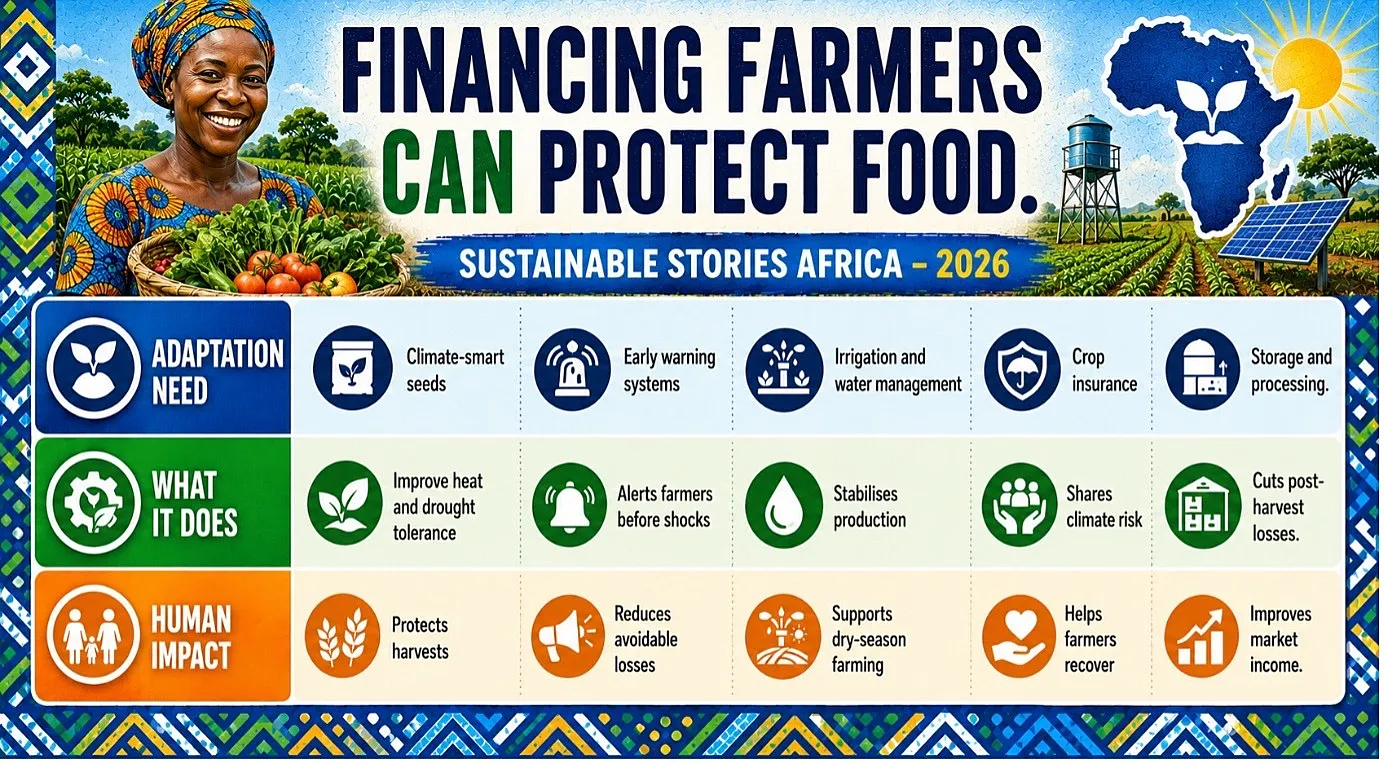
Financing Farmers Can Protect Food
More climate finance for agriculture would not simply cushion farmers. It could help protect food security, jobs and rural economies.
The strongest investments are practical: heat-tolerant seeds, irrigation, soil restoration, weather advisory services, crop insurance, storage, livestock cooling systems, drought-resistant feed, digital extension tools and early warning systems.
These interventions can reduce losses before disasters become humanitarian crises.
In Africa, the benefits could be especially significant. Agriculture remains a major employer and source of livelihood across the continent.
When farmers are protected, food systems become more stable. When food systems are stable, inflationary pressures can ease, rural incomes can improve, and countries can reduce their dependence on costly food.
Put Agriculture Where Risk Is
The funding architecture must now follow the risk map.
- Governments, climate funds, development banks and private investors need to treat agriculture as core climate infrastructure, not a secondary development issue.
African governments should integrate farm adaptation into national budgets, food security plans and climate finance strategies.
- Development finance institutions should expand concessional funding, guarantees and blended finance for farmer cooperatives, agribusinesses and rural infrastructure.
- Private capital should support scalable solutions in irrigation, climate data, storage, processing and insurance.
However, finance must reach the farm gate. Too often, climate money remains trapped in project documents, technical facilities and high-level commitments.
The real test is whether a farmer gets timely weather information, affordable finance, resilient seed and a market that rewards production.
If the world wants food security in a hotter climate, it must invest where food begins.
Path Forward – Fund Food Systems Before Crisis
Climate finance must shift toward farmers, food systems and rural resilience before heat-driven losses deepen hunger and poverty.
The priority is clear: scale adaptation finance, improve early warning systems, strengthen agricultural insurance and support climate-smart production.
Well done, this advances ESG goals by protecting livelihoods, reducing food insecurity and building resilient African markets.
Culled From: Only 4% of Climate Finance Reaches Agriculture Despite Sector Facing 6% Yield Loss Per Degree of Warming