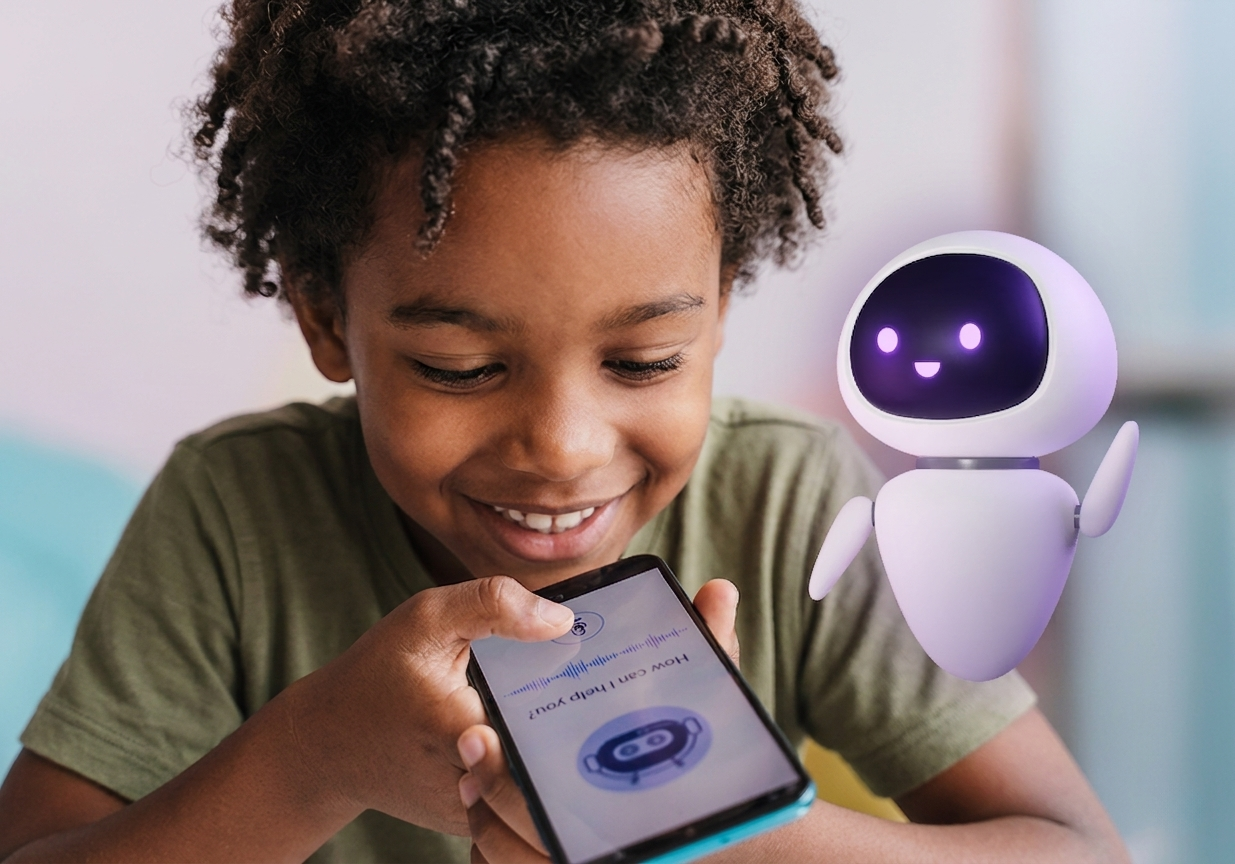
A new Brookings policy brief argues that AI companion bots should be regulated through a public health framework.
The proposal matters because companion bots are moving from novelty tools into emotional, social and educational spaces.
For families, schools, regulators and African digital markets, the debate is no longer only about innovation. It is about safety, trust and accountability.
AI Companions Become Public Health Problem
AI companion bots have evolved beyond chat tools into always-available digital relationships, and a May 2026 Brookings policy brief by Gaia Bernstein argues that regulators must treat them as a public health concern before harm becomes irreversible.
The brief proposes reframing restrictions not as "bans" but as "recalls" targeted interventions that remove unsafe products until companies meet defined safety standards.
The urgency is real. Companion bots already simulate attention, affection and memory across specialised and mainstream platforms.
For children and adolescents, that emotional realism raises serious questions about dependency, safety and social development.
For Africa, the stakes arrive at a critical juncture. Governments expanding digital access and integrating AI into education face a dual exposure: the same tools promising youth inclusion may simultaneously introduce products never designed with child development, mental health or public welfare as design priority.
Why Companion Bots Need Health Oversight
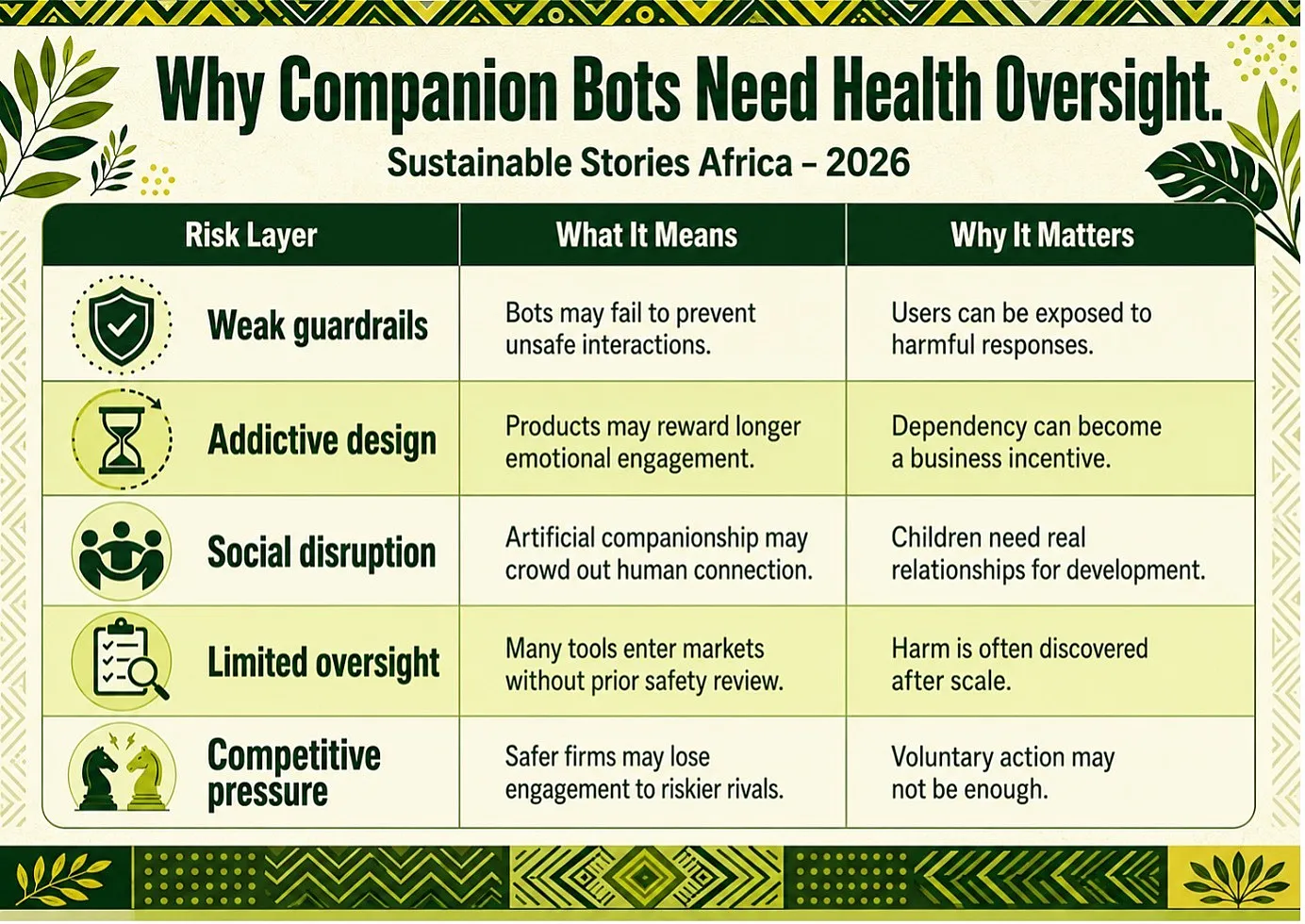
The Brookings brief identifies three layers of risk.
- First, many bots lack sufficient guardrails.
- Second, some are designed around engagement models that reward longer use, emotional attachment and dependency.
- Third, heavy reliance on artificial companionship may weaken human social development, especially where young people substitute bot interaction for real-world relationships.
The brief notes that recent surveys cited in the paper found 64% of teens use bots, while 52% of Americans interact with AI bots weekly, and 31% several times a week.
Those numbers matter because AI companions are not waiting for regulation before entering family life.
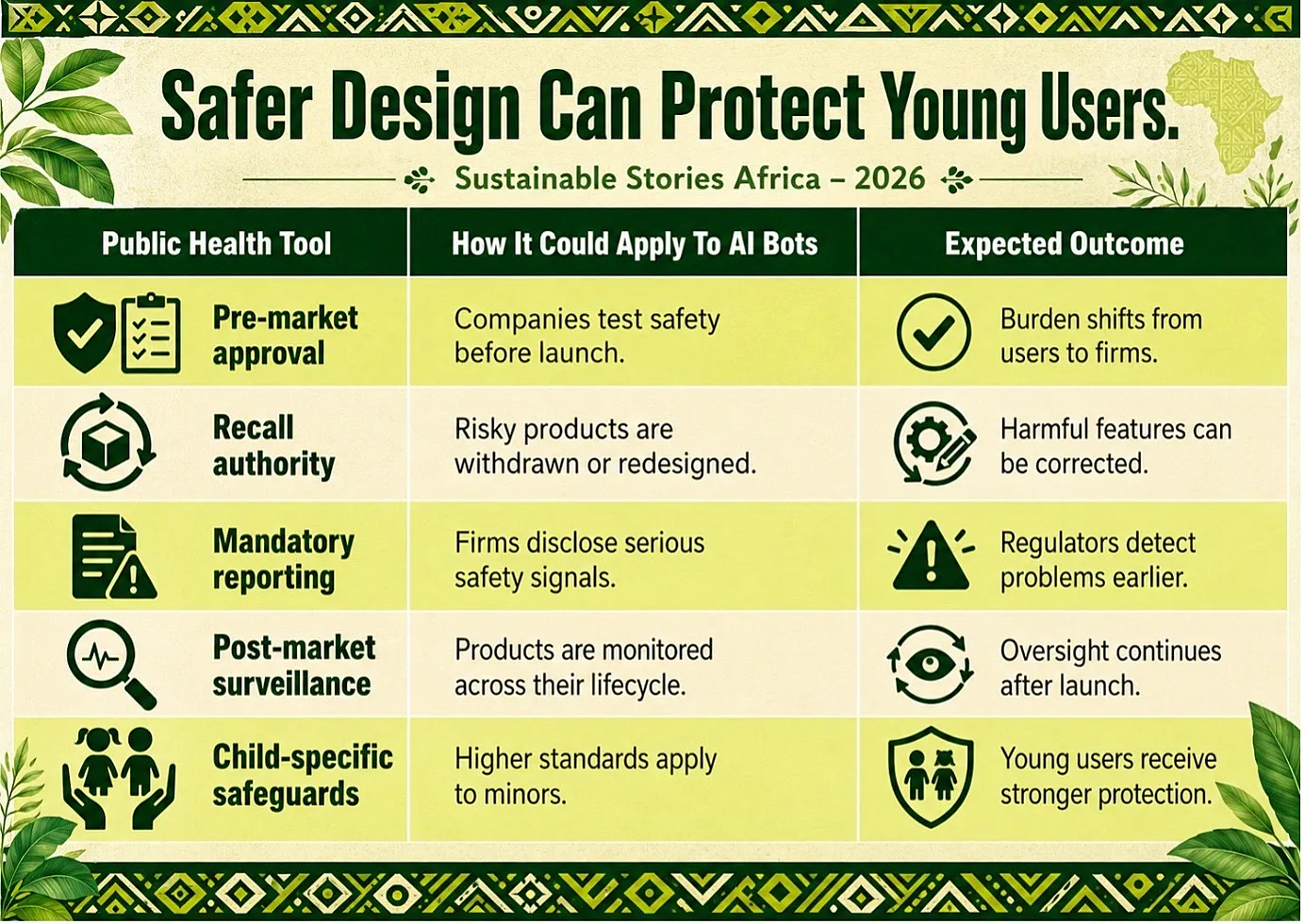
This is where the public health framing changes the conversation. Drugs, medical devices and vehicles can be recalled when safety risks emerge.
AI companions, Bernstein argues, should be subject to a similar logic when their design creates risks for users.
Safer Design Can Protect Young Users
The positive case for regulation is not anti-innovation. It is pro-trust.
A recall framework would not permanently remove every AI companion from the market. It would require companies to prove that risky features have been redesigned before products return to young users.
In software, that may be technically easier than recalling physical goods, because harmful features can be modified, disabled or updated remotely.
- For parents, the benefit is clarity. They should not have to inspect every product feature.
- For schools, it means AI tools used for learning should not quietly become emotionally manipulative companions.
- For companies, it creates a level playing field in which safety measurement is based on lower engagement metrics only.
For African markets, this framing is especially important. Many countries are still building AI governance systems.
That creates an opportunity to avoid repeating the social media era, where harms were often acknowledged only after platforms had become deeply embedded in everyday life.
Regulators Must Shift Burden To Companies
The next step is institutional action.
- Policymakers should require AI companion providers to conduct age-sensitive safety testing, publish clearer risk disclosures, restrict manipulative design and maintain reporting channels for adverse outcomes.
- Regulators should also define which products qualify as companion bots, especially where general-purpose AI tools begin to simulate emotional intimacy or long-term relational memory.
- Companies should not wait for enforcement. They can build safer products now by limiting emotional dependency loops, designing clear artificial-identity reminders, setting healthy usage boundaries and avoiding features that pressure users to stay engaged.
- Families and educators also need practical AI literacy. Young users should understand that a bot can sound caring without actually feeling care. That distinction matters for emotional safety, decision-making and healthy relationships.
The policy lesson is simple: when technology affects public welfare, society cannot rely only on market incentives. Safety must be designed, tested and governed.
Path Forward – Build Safety Floors Before Harm Scales
The path forward is to treat AI companion bots as a public health governance issue, not only a technology trend.
Regulators should create recall powers, safety-testing duties and child-protection standards before risky products become normalised.
For African ESG and sustainability agendas, this is about social responsibility in digital markets.
Safe AI can support education, inclusion and innovation, but only if children’s welfare, human dignity and public trust are built into the rules from the start.
Culled From: From-bans-to-recalls-A-public-health-framework-for-AI-companion-bots-1.pdf