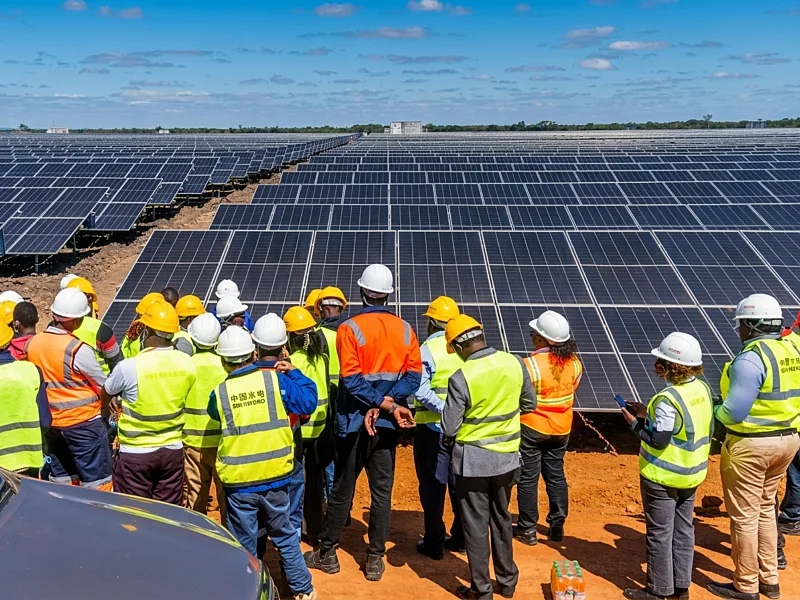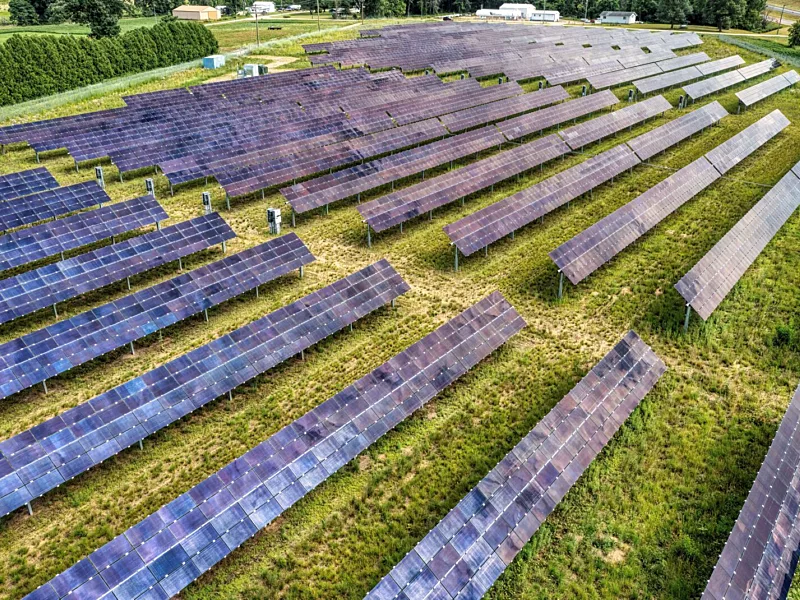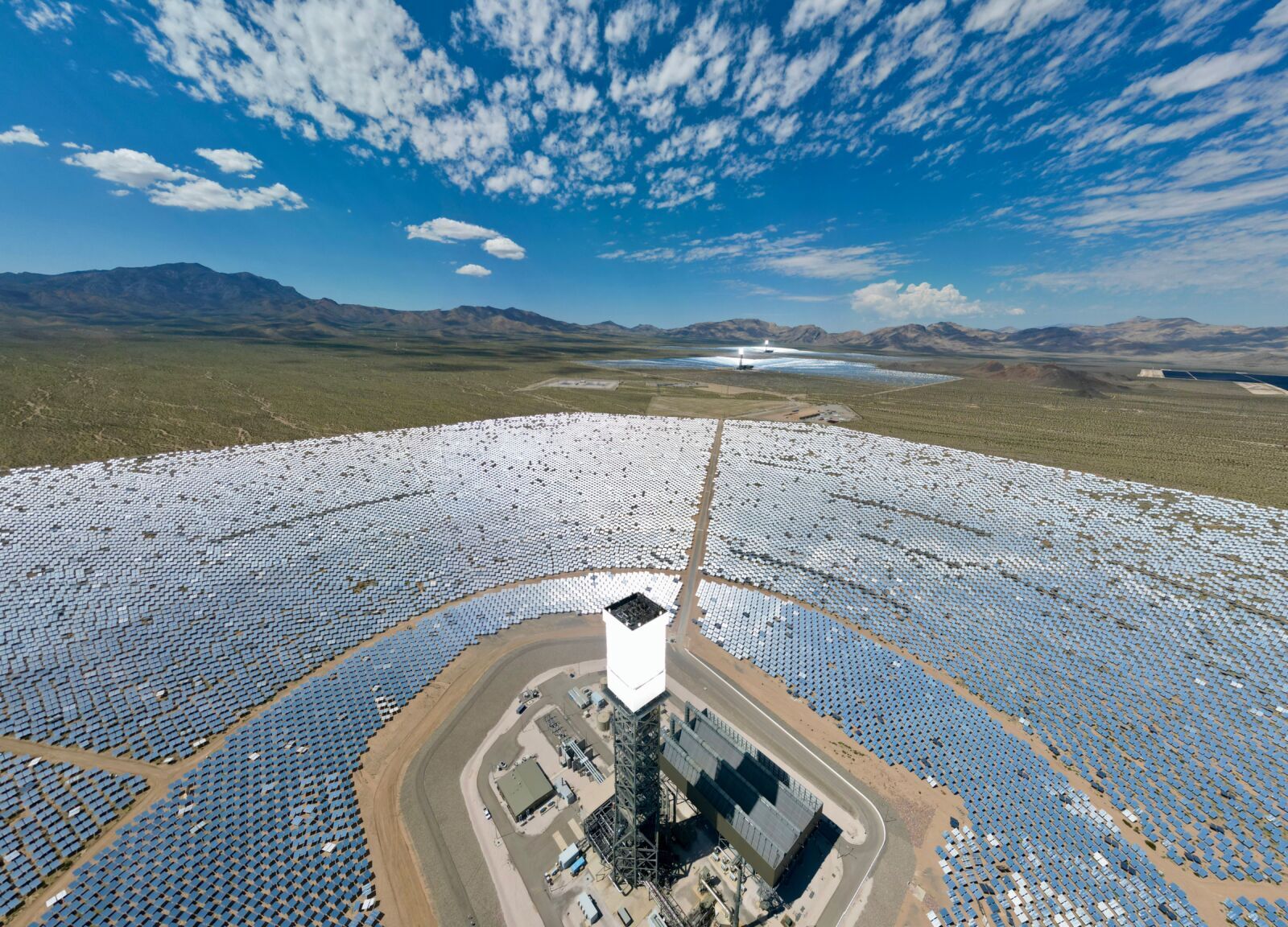
An emerging energy-finance startup is using AI to make solar project due diligence faster, cheaper and more accessible across African markets.
The timing matters as businesses face unreliable grids, high diesel costs and a widening need for decentralised clean power.
If the model works, smaller solar projects could become easier to finance, helping SMEs, developers and investors close Africa’s clean-energy execution gap.
AI Enters Africa’s Solar Finance Gap
For many African businesses, the economics of solar already make sense. The financing process often does not.
That is the gap TerraSpect, an AI-enabled energy-finance startup, is trying to close. The company combines specialist AI agents with human expert review to assess renewable-energy projects faster, helping developers, engineering firms and investors move from early screening to investment-ready decisions.
The company’s focus is practical: distributed energy projects across emerging markets, including commercial and industrial solar systems that can reduce reliance on diesel generators and unstable grid supply.
Its chief executive, Rajiv Pattni, has framed one of the sector’s core problems clearly: a smaller solar project can require almost the same financing effort as a much larger one.
- For investors, that makes many bankable-looking projects too expensive to process.
- For businesses, it means power problems continue even when cleaner and cheaper alternatives exist.
In Africa, where solar demand is rising, but capital remains selective, that bottleneck matters.
Why Smaller Projects Struggle To Close
Across the continent, the solar market is growing quickly. Reuters, citing the Global Solar Council, reported that Africa added a record 4.5 gigawatts of solar photovoltaic capacity in 2025, a 54% increase from 2024.
South Africa remains the continent’s largest market, while Nigeria, Kenya, Ghana, Zambia and others are seeing stronger commercial solar activity.
However, growth does not remove friction.
- A factory owner in Lagos may know that solar and battery storage could cut diesel costs.
- A cold-storage operator in Nairobi may know that power reliability determines whether food is preserved or wasted.
- A clinic in rural Zambia may understand that electricity is not a luxury but a life-support system.
However, each project must still undergo credit checks, regulatory assessments, technical review, financial modelling, ESG screening and documentation.
For smaller projects, the cost and time of that process can make investors hesitate.
TerraSpect’s model is designed to compress that cycle.
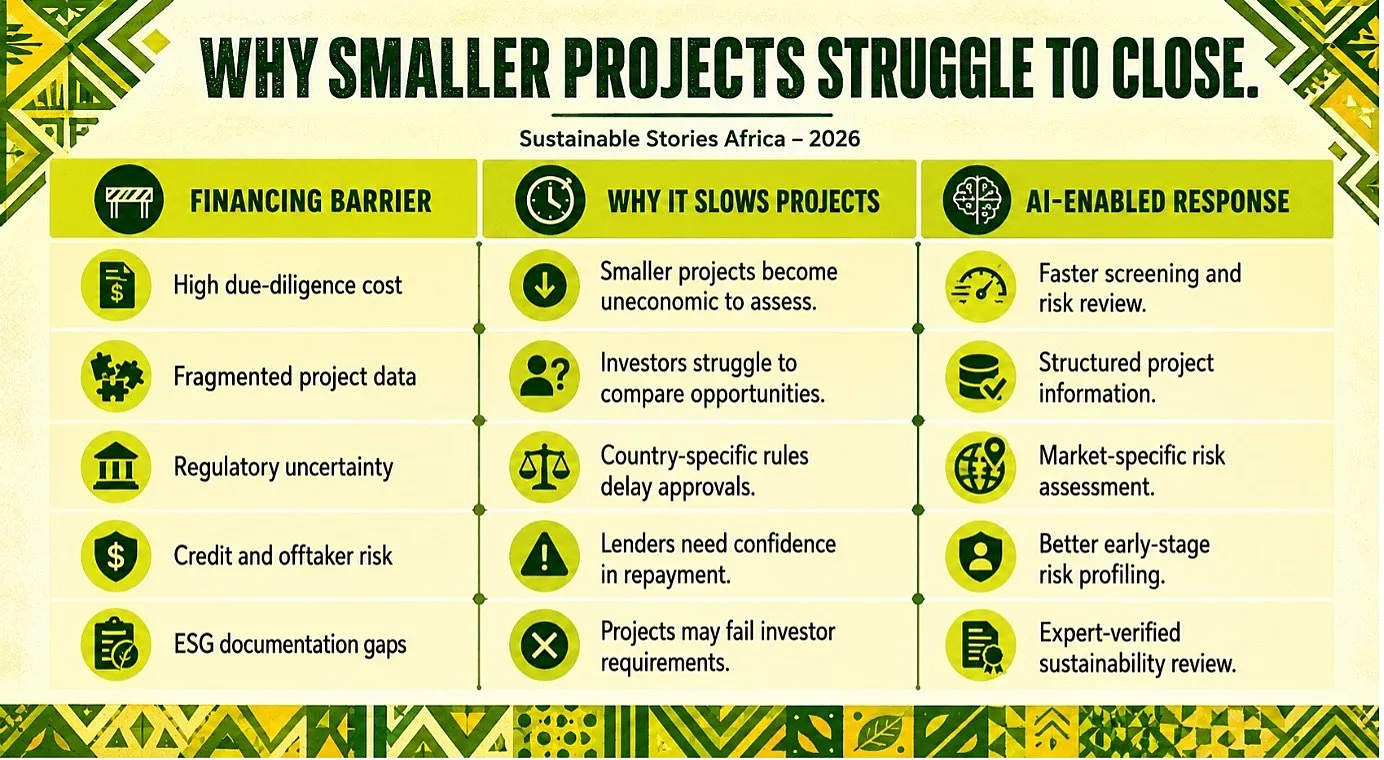
The company says its platform assesses credit, regulatory, technical, ESG, financial and other project risks. That matters because the solar financing challenge is not only about available capital. It is also about confidence, speed and comparability.
Turning Due Diligence Into Access
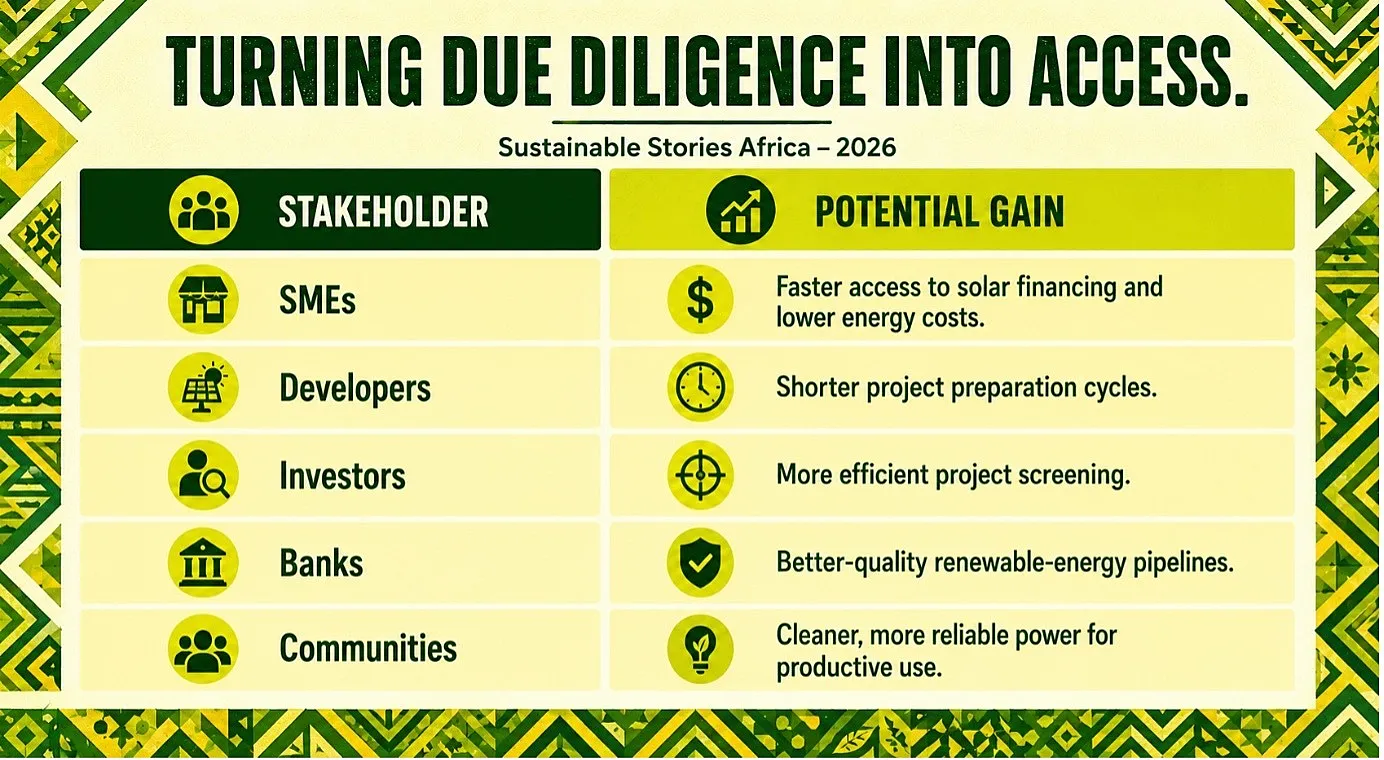
If AI can reduce the cost of evaluating smaller solar projects, the benefits extend well beyond investors.
- For developers, faster due diligence limits project delays.
- For SMEs, it brings clean power closer to affordability.
- For lenders, it expands investable pipelines without inflating internal costs.
The strongest opportunity lies in commercial and industrial solar, where businesses already incur significant diesel costs.
Properly structured, energy cost savings can support loan repayment, creating a viable pathway to cleaner power independent of grid repair timelines.
However, caution is warranted. AI cannot substitute local knowledge, regulatory judgement, or human accountability.
Currency volatility, weak contracts, and policy uncertainty remain real risks. That is why TerraSpect's hybrid model, AI-assisted analysis backed by expert review, is significant.
In African energy finance, speed matters, but trust matters more.
Finance Innovation Must Meet Real Demand
Africa’s solar financing challenge will not be solved by technology alone. AI can improve due diligence, but policymakers, banks and development finance institutions must also reduce the structural barriers that make clean-energy projects expensive to fund.
That means better local-currency financing, stronger guarantees, clearer regulations, standardised contracts and more reliable project data.
It also means building trust between developers, lenders and offtakers.
For investors, the message is direct:
- Africa’s distributed solar market is no longer too small to matter.
- It is too important to remain trapped in slow financing systems.
For governments:
- The priority is to make solar finance easier without weakening standards.
- Faster approvals, transparent licensing and predictable tariffs can help unlock private capital.
For startups like TerraSpect;
- The challenge is execution.
- The market needs tools that are not only intelligent, but credible, locally informed and trusted by financiers.
Path Forward – Making Clean Power Easier To Finance
Africa’s solar future depends on turning strong demand into bankable projects. AI-enabled due diligence can help, but it must work alongside policy reform, blended finance and stronger local financial institutions.
The prize is practical: more businesses powered, fewer generators running, cleaner balance sheets and a faster route from solar ambition to investable reality.
Culled From: Q&A: The startup using AI to unlock solar financing in Africa