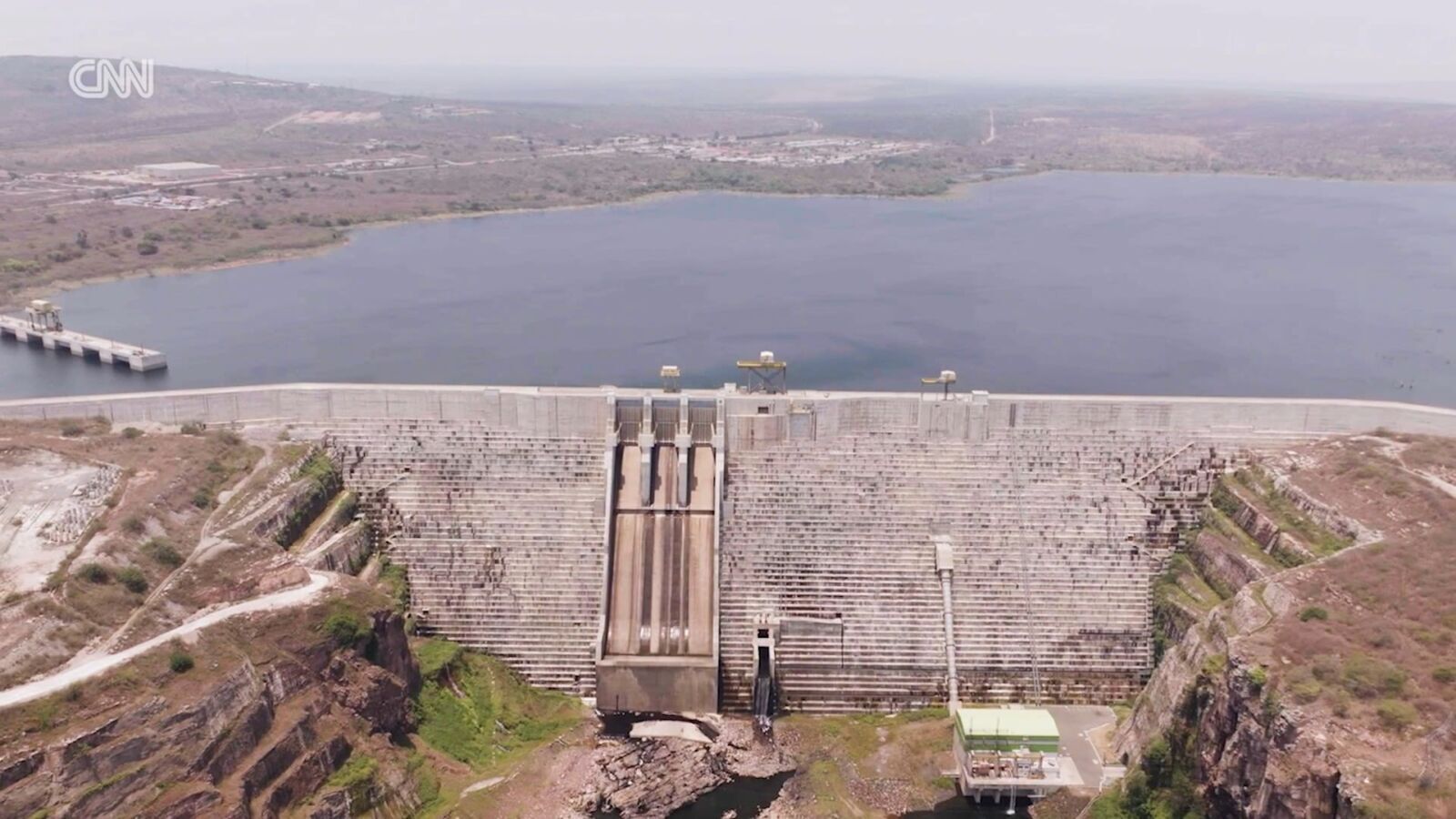
Angola has advanced construction on the Caculo Cabaça hydropower project, a 2,172MW dam on the Kwanza River.
The project matters because it could become one of Africa’s largest power plants, strengthening Angola’s electricity system and export potential.
For households, firms and industrial zones, its promise is simple: more reliable power, lower emissions and a harder test of infrastructure governance.
Angola’s Power Bet Gets Bigger
Angola is moving ahead with the construction of the Caculo Cabaça Hydropower Project in Cuanza Norte Province, a Chinese-backed energy development expected to deliver about 2,172 megawatts of installed capacity on the Kwanza River.
Once completed, the project is set to rank among Africa’s largest hydropower assets and could become Angola’s biggest electricity plant, surpassing the country’s Laúca facility.
For a country still working to turn resource wealth into broad-based development, the dam is more than concrete, turbines and transmission lines.
It is a bet that large-scale infrastructure can power homes, factories, mines, public services and regional electricity trade; if delivery, finance, environmental management and community safeguards are managed with discipline.
What The Dam Is Expected To Deliver
Caculo Cabaça is being built near São Pedro da Quilemba, around the Kwanza River corridor, one of Angola’s most important hydropower zones.
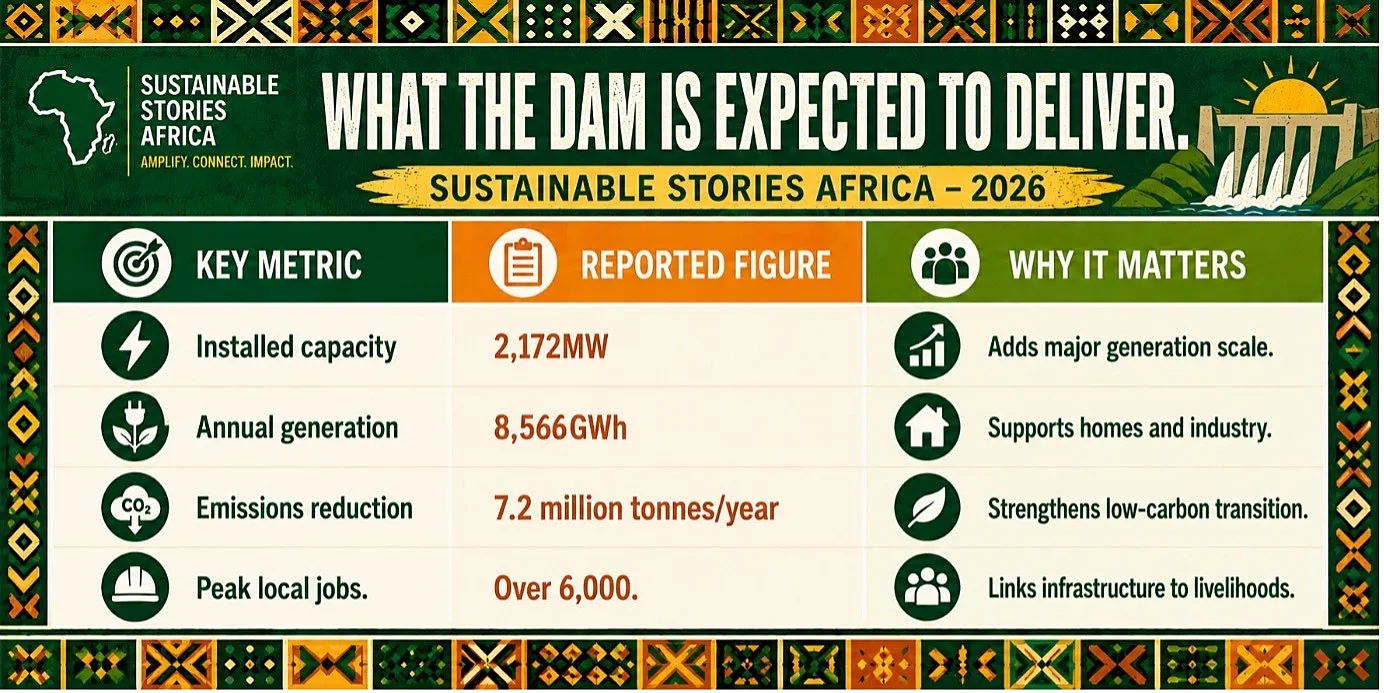
Project data tracked by Global Energy Monitor lists the plant as under construction, with planned capacity of 2,172MW, including four 530MW units and an additional 52MW ecological-flow unit.
The project’s expected annual generation is about 8,566 gigawatt-hours, with projected emissions reductions of roughly 7.2 million tonnes per year when operational, according to Xinhua’s 2025 reporting on construction progress.
The same report said the project could create more than 6,000 local jobs at peak construction.
The dam also sits inside a wider African power story. Demand for reliable electricity is rising, while countries are under pressure to industrialise without locking themselves into higher-carbon growth.
Hydropower can help, but only where rainfall risk, river ecology, debt exposure and social impacts are transparently managed.
What Angola Could Gain
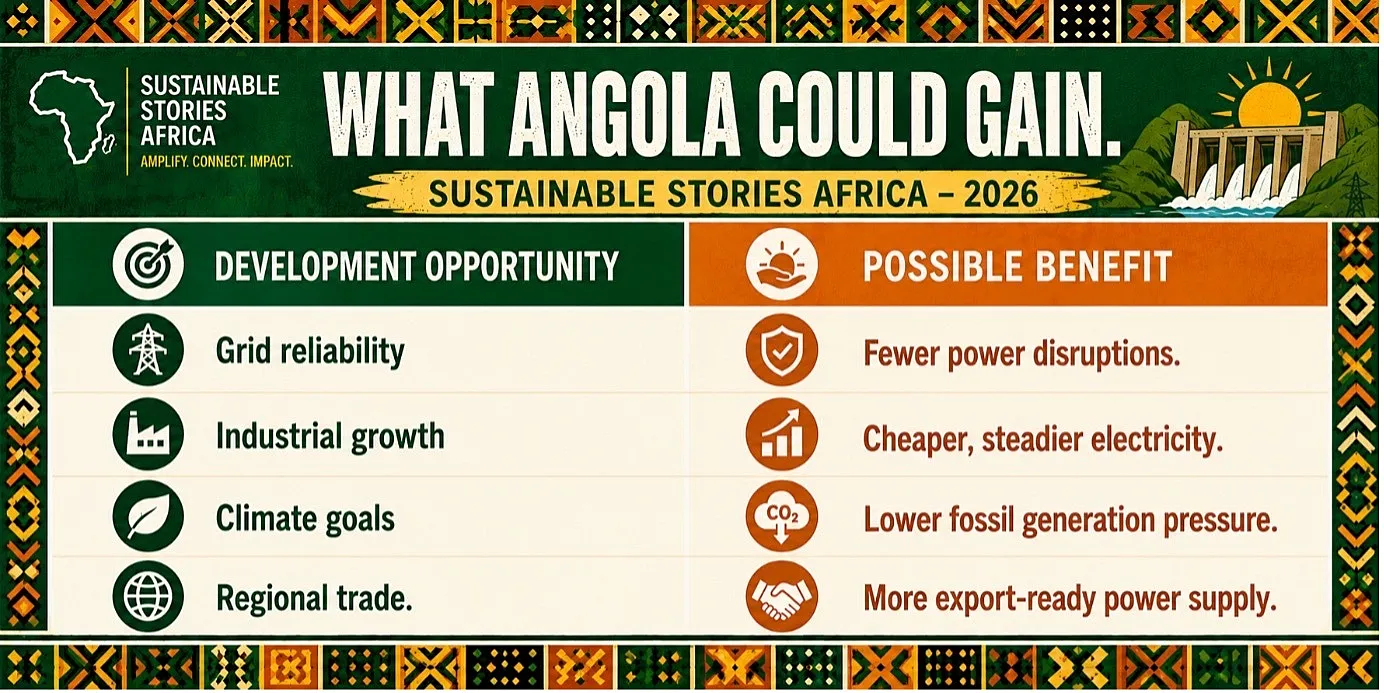
If Caculo Cabaça delivers as planned, Angola gains more than megawatts.
It gains grid flexibility, stronger industrial capacity and a platform for regional electricity exports through Southern African power markets.
- For small manufacturers, stable power can reduce dependence on costly generators.
- For hospitals and schools, it can mean fewer outages.
- For policymakers, it creates room to connect mining, agriculture processing and urban growth to cleaner electricity.
However, the upside is not automatic. Mega dams can carry risks: cost overruns, ecological disruption, resettlement pressures and governance gaps.
The project has previously been reported with costs around $4.5 billion, including dam works and transmission infrastructure.
Delivery Must Match The Ambition
Angola’s next test is execution. The country must ensure procurement transparency, environmental monitoring, fair community engagement, credible timelines and grid investments that move power from the dam to users.
Financiers and contractors must also support skills transfer, not only asset delivery.
A project of this scale should leave behind trained Angolan engineers, stronger institutions and better maintenance capacity.
For African governments watching closely, the lesson is clear: large-scale infrastructure can accelerate development; however, only when power generation is matched with governance, distribution, affordability and local value creation.
Path Forward – Build Power With Accountability Now
Caculo Cabaça can strengthen Angola’s energy security and support lower-carbon growth if delivery remains transparent, inclusive and technically sound.
The priority now is disciplined execution: protect communities, manage river impacts, expand transmission, publish progress data and ensure that electricity reaches households, businesses and public services.
That is how a mega dam becomes development, rather than just infrastructure.
Culled From: Angola starts building Africa’s 2nd largest damAngola starts building Africa’s 2nd largest dam