Scientists can increasingly measure how human-caused warming changed the likelihood or intensity of an extreme event by comparing today’s climate with a simulated world without that warming.
Confidence is strong for heatwaves and varies for storms and wildfires.
The science does not ask whether climate change was the sole cause; it estimates how much warming altered the hazard and its impacts.
From broad trends to specific events
When a heatwave, flood, cyclone or wildfire strikes, climate scientists no longer have to stop at the general statement that global warming increases risks of extreme weather.
In many cases, they can estimate how much warming has changed that particular event.
The field is known as extreme-event attribution.
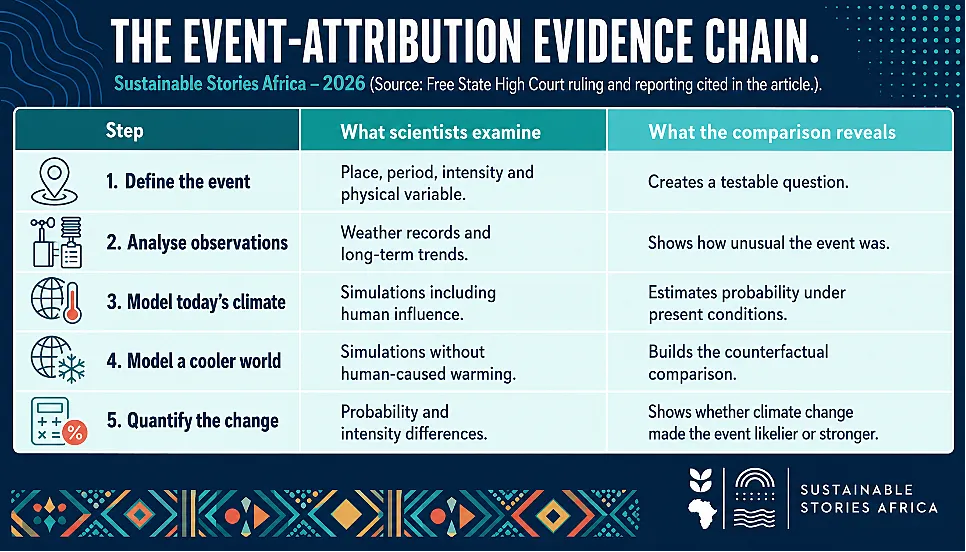
- Researchers combine observations, historical records and climate models to compare the world as it exists, with greenhouse gases added by human activity, with a counterfactual world in which that influence is removed.
A new National Academy of Sciences assessment examined progress in the field, with researchers Kevin T. Smiley, Deepti Singh, Jennifer Marlon and Jim Hurrell explaining that confidence depends strongly on the type of event.
Scientists compare two possible worlds
Researchers first define the event carefully: its location, duration, intensity and relevant indicator, such as maximum temperature or three-day rainfall.
They then examine observations to understand how rare it was and run many model simulations under current and counterfactual conditions.
Comparing the two sets of simulations can reveal a probability ratio or change in intensity.
- A result may show that an event became several times more likely or a certain number of degrees hotter because of human-caused warming.
This is not the same as saying climate change created the event from nothing.
- Weather has natural causes and variability. Attribution asks whether warming loaded the dice, and by how much.
Heat offers the clearest fingerprint
Heatwaves have the strongest and most consistent evidence of attribution because rising average temperature directly shifts the distribution of extremes.
Climate Central says scientists can almost always measure the influence of climate on dangerous heat with high confidence.
Heavy rainfall also has a strong physical basis because warmer air can hold more moisture, although local circulation and topography complicate individual events.
Tropical cyclones involve multiple variables, including warm seas, atmospheric conditions, rainfall and wind; as such, conclusions may focus on particular characteristics rather than the entire storm.
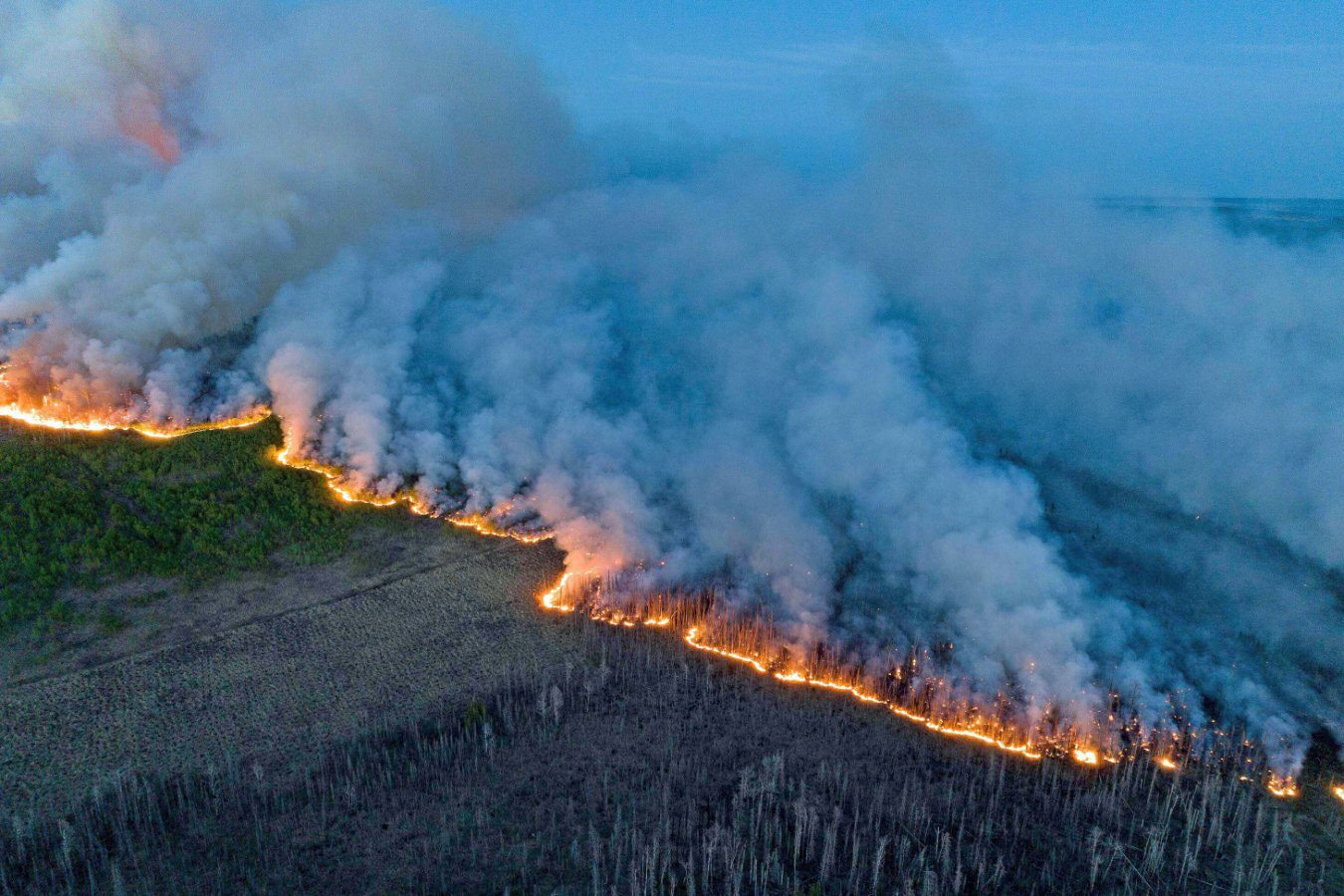
Wildfires are more complex still. Climate can create hotter, drier and windier fire weather, but ignition, vegetation, land management and firefighting determine whether and how a fire spreads.
Researchers may attribute the hazardous conditions or the additional area burned rather than the spark event.
Evidence can guide African resilience
Attribution is not only an academic exercise.
- It can improve early-warning thresholds, infrastructure standards, public health plans and disaster finance.
- It also helps governments explain why historical design assumptions may no longer protect communities.
For Africa, better local observations remain essential.
- Sparse weather stations and limited impact data can increase uncertainty precisely where climate vulnerability is high.
- Investment in meteorological services, open data and regional modelling would make assessments faster and more locally useful.
Attribution results can also inform climate finance and accountability, but caution is essential.
- A probability estimate for a hazard does not automatically calculate the losses caused by climate change.
- Exposure and vulnerability, such as where people live, the quality of housing, drainage, health systems and response capacity, shape disaster impacts.
- Impact attribution adds those layers and usually carries more uncertainty.
Used carefully, the evidence can strengthen loss-and-damage discussions and insurance design.
Used carelessly, a single number can hide the governance and development choices that turned extreme weather into human catastrophe.
Path Forward – Use attribution science without overstating certainty
The path forward is clear communication.
Scientists and journalists should state what was measured, how confidence varies and which non-climate factors shaped the disaster.
Governments should use robust findings to strengthen preparedness and emissions policies as they continue to improve data.
Attribution works best not as a blame slogan, but as decision-grade evidence about a changing risk landscape.
Culled From: How do scientists know if climate change made a heat wave, extreme storm or wildfire worse?